Judith with the Head of Holofernes by David Teniers the Younger
View the artwork: Judith with the Head of Holofernes →
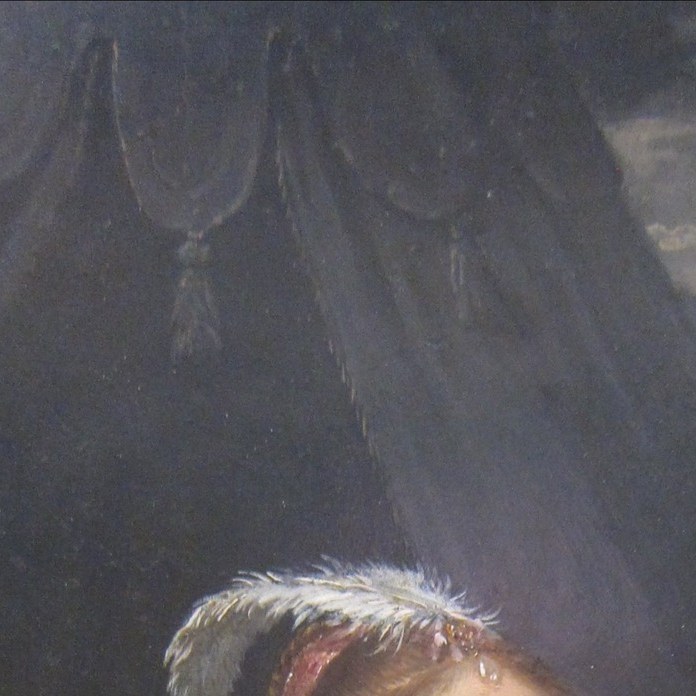
This is David Teniers the Younger's "Judith with the Head of Holofernes," painted around 1650. It tells the biblical story of a young widow who slipped into an enemy general's tent and beheaded him to save her besieged city. Teniers gives us the moment after the act, but he hides the horror almost entirely in shadow.
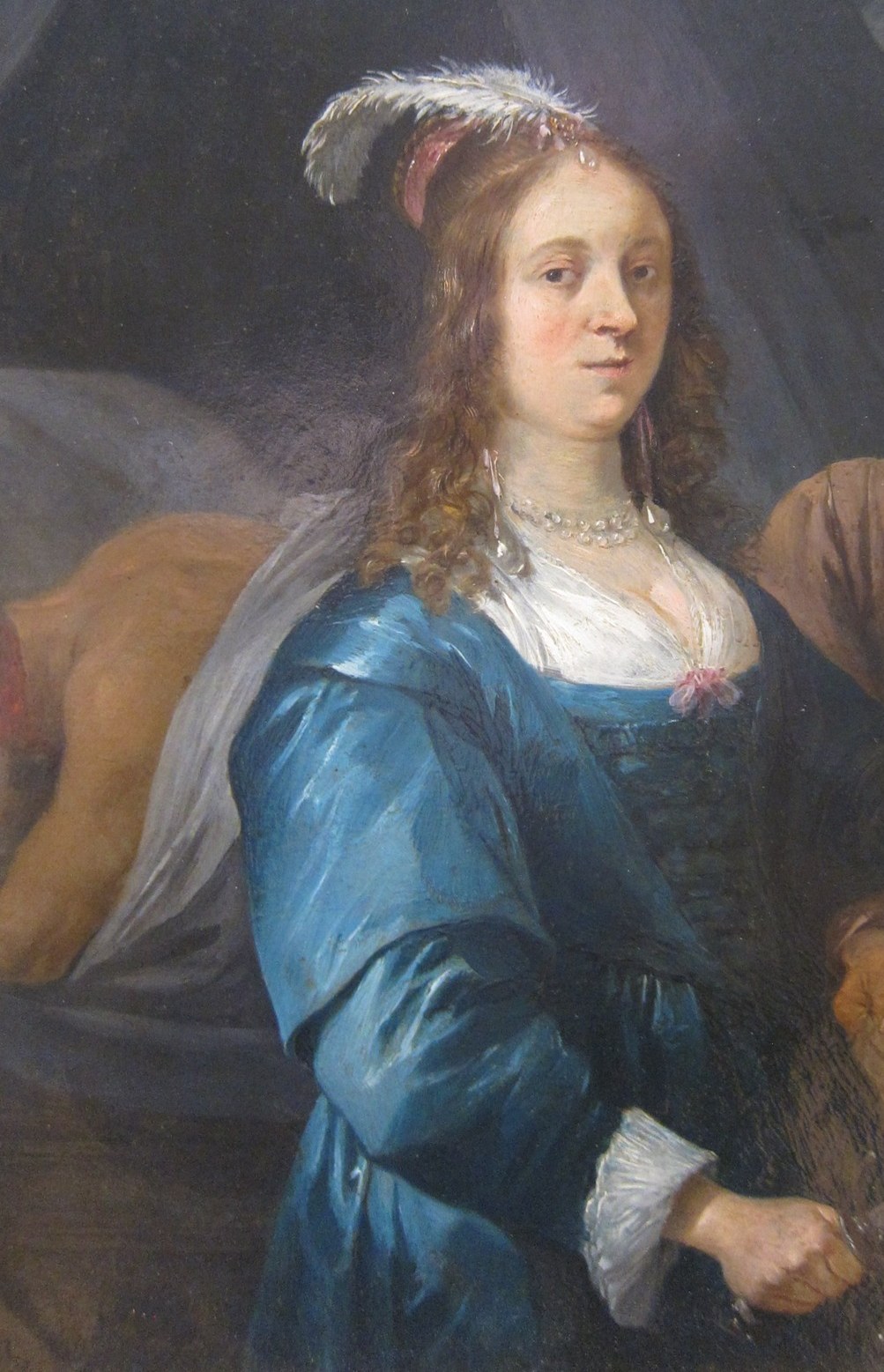
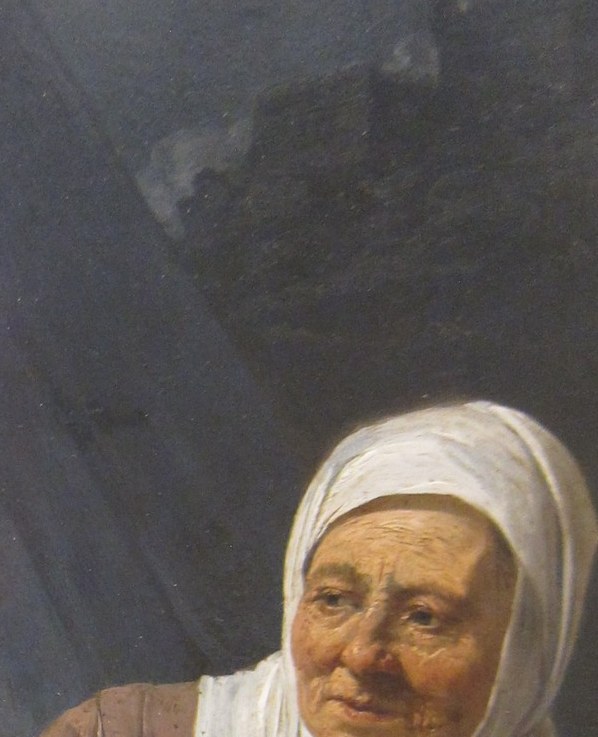
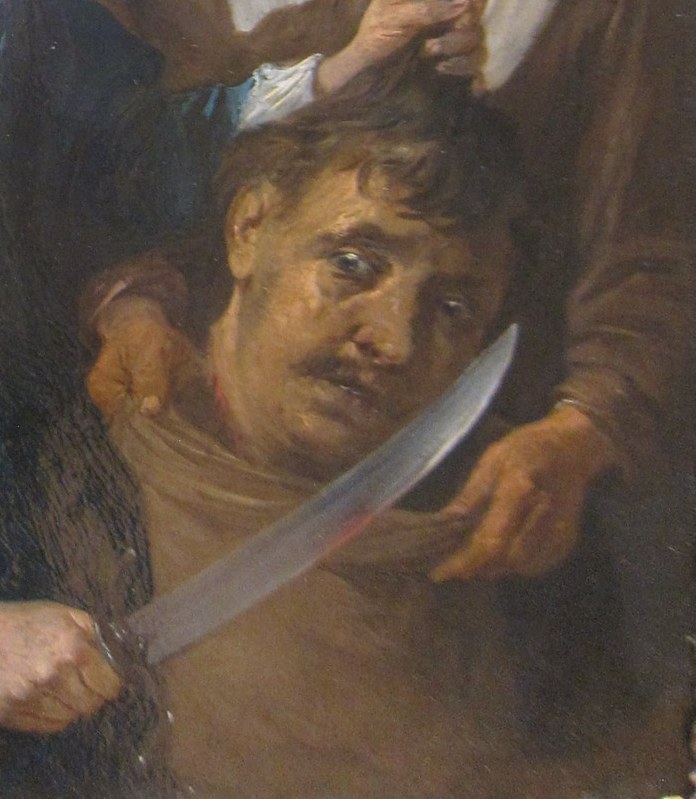
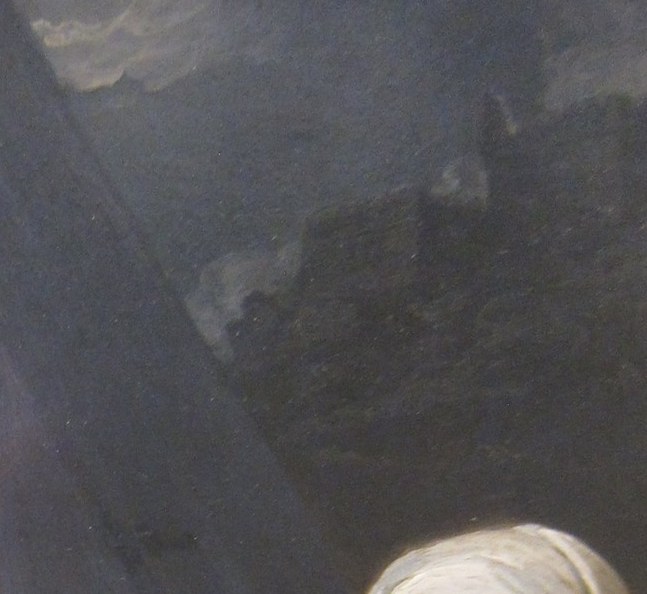
The painting lives in two faces. Judith looks unnervingly composed, lit from above, a young aristocrat in Flemish lace, her expression unreadable. Behind her, the old maidservant stares out with deep, anxious lines. She is the witness, and her fear is the only emotion Teniers allows into the light. The severed head lies at the bottom edge of the composition, so dark you have to search for it.
Teniers painted this on copper, not canvas, which let him achieve the luminous, almost liquid shadows on Judith's blue dress and the fine detail of her collar. He is better known today for peasant tavern scenes, but here he takes on a biblical heroine with a painterly restraint that feels deliberate and strange. The picture is modest in size, it forces you close, into the intimacy of the tent.
We are used to Judith triumphant. This Judith offers something more uneasy: a young woman whose face does not perform the feeling we expect, and an older woman whose face cannot hide it.
#arthistory #davidteniers #flemishart
Details
Transcript
She looks almost untroubled. But the woman beside her is terrified. The young woman has just saved her people. Down here, in the dark, is what she did. The painter placed the horror in shadow, almost hidden. He wants you to find it slowly. The real story: a young woman and an old one, carrying what they know.