The Dream of Saint Catherine of Alexandria by Carracci, Lodovico
View the artwork: The Dream of Saint Catherine of Alexandria →
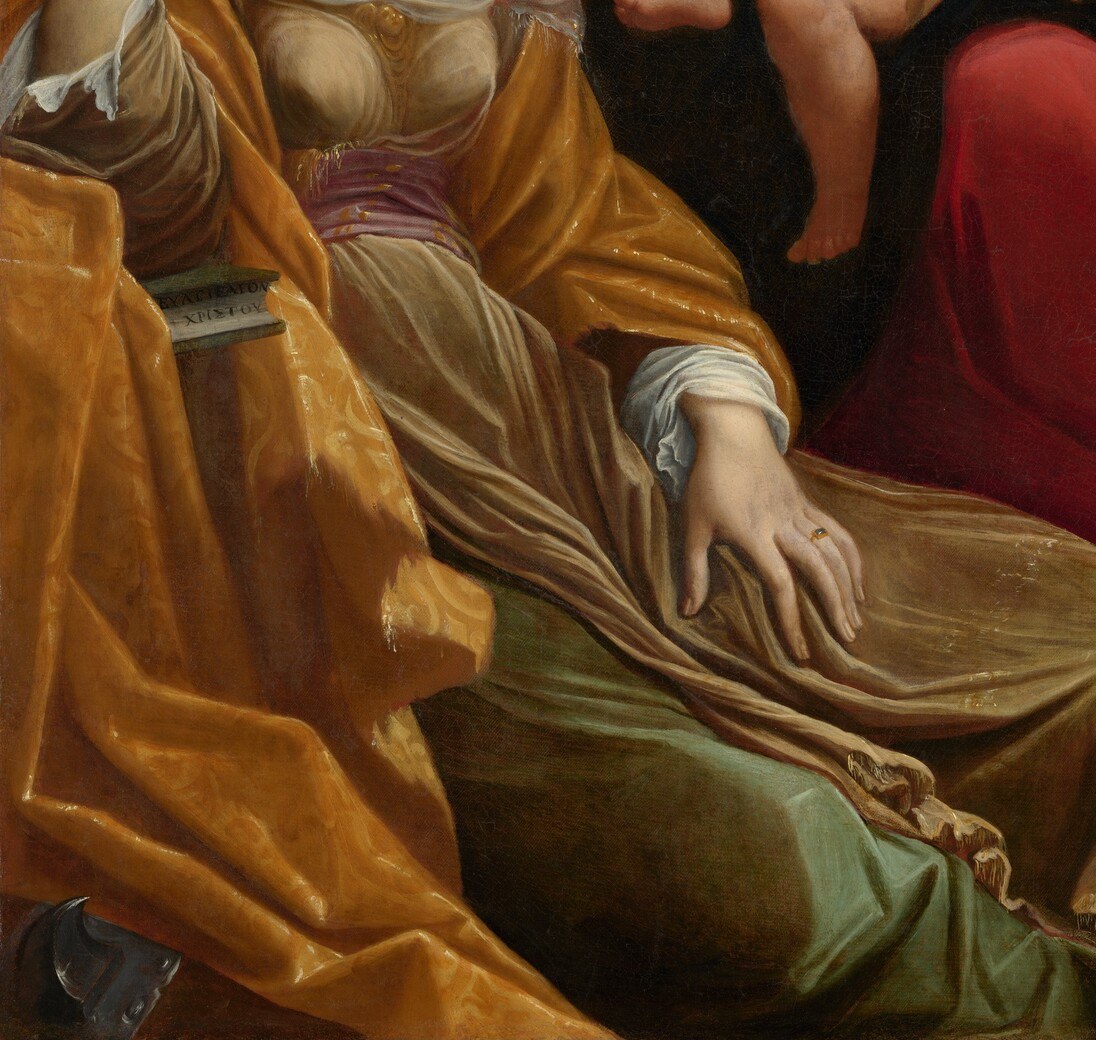
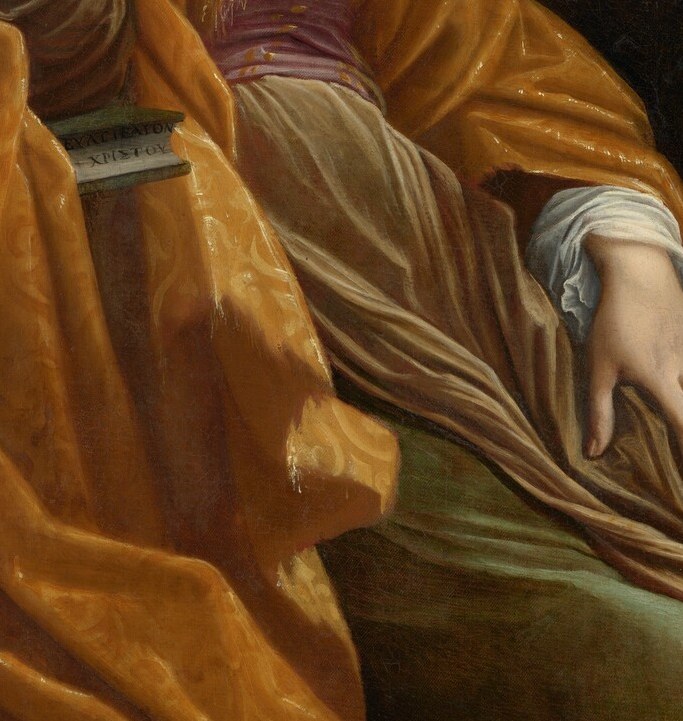
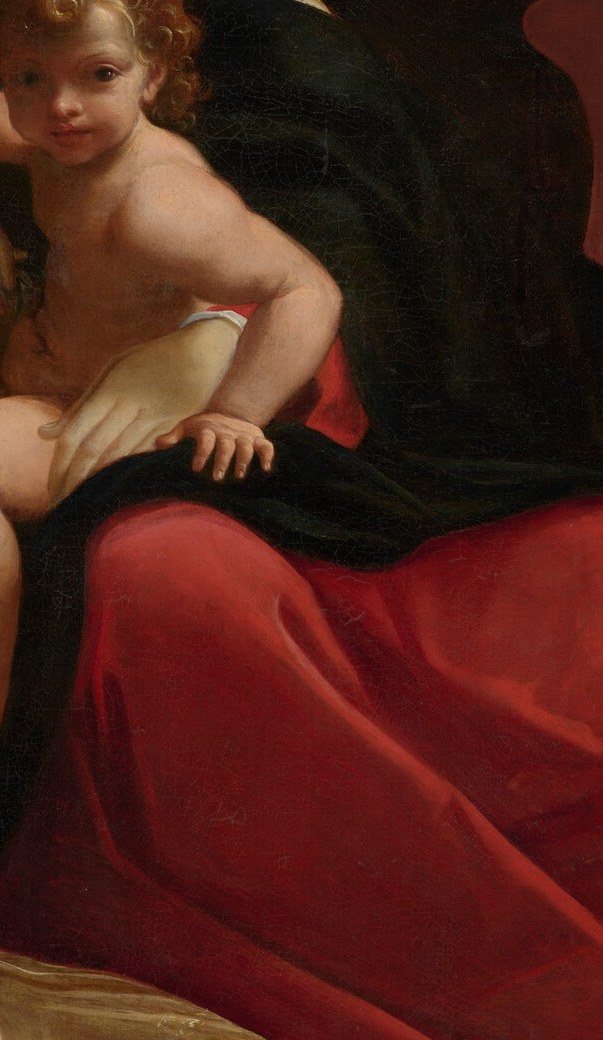
This is The Dream of Saint Catherine of Alexandria by Lodovico Carracci, painted around 1593, now in the collection of the Galleria Nazionale d'Arte Antica in Rome. It is one of the most vivid depictions of a saint's private ecstasy, but its modern history is a true crime story.
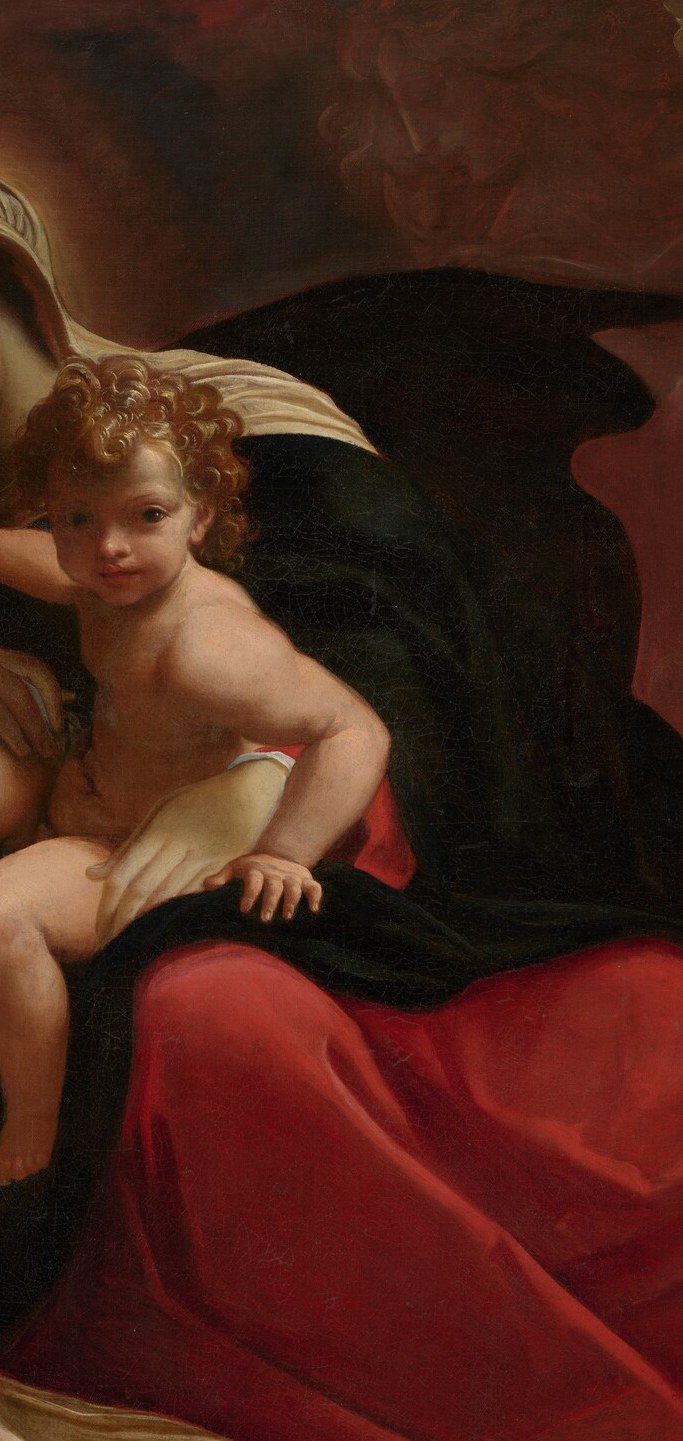
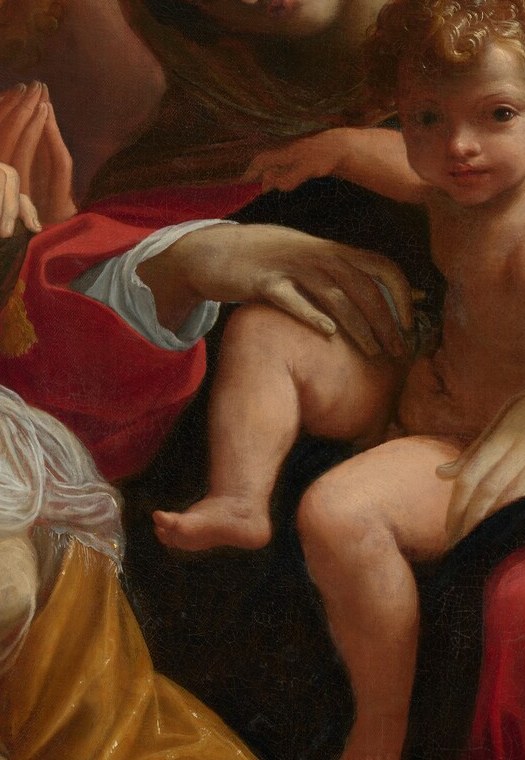
Look at the light. Carracci makes the Christ Child the literal source of all illumination, a statement of Counter-Reformation theology that the divine needs no external lamp. Follow the Child's hand reaching toward Saint Catherine. That ambiguous zone between their fingers is the entire narrative hinge of the painting, the moment of mystical betrothal. Above them, a dark-winged angel cuts a sharp silhouette against the glow, a rare and unsettling figure in Catholic iconography.
In 1995, three armed men walked into the Corsini Palace museum, subdued the guards, and cut this canvas from its frame. They disappeared for over a decade. A tip eventually led police to a ransom demand, and an undercover carabiniere officer posed as an art dealer willing to pay. The handoff was covertly recorded. The painting, miraculously undamaged, was seized and returned.
Some paintings hold their meaning in pigment alone. This one holds the memory of its own vanishing and return. When you see the saint's heavy-lidded face caught between sleep and waking, ask yourself what it would be like to dream undisturbed while the world outside plots your theft and your rescue.
#arthistory #carracci #artcrime
Details
Transcript
For years, this painting was simply gone. Stolen from a Roman museum by armed robbers. They demanded a ransom for its return. She sleeps through a vision of her mystical marriage. The Christ Child descends as the light source itself. An undercover officer posed as a buyer and got it back. Safe now, the vision still glows in the dark.