The Letter by Pietro Longhi
View the artwork: The Letter →
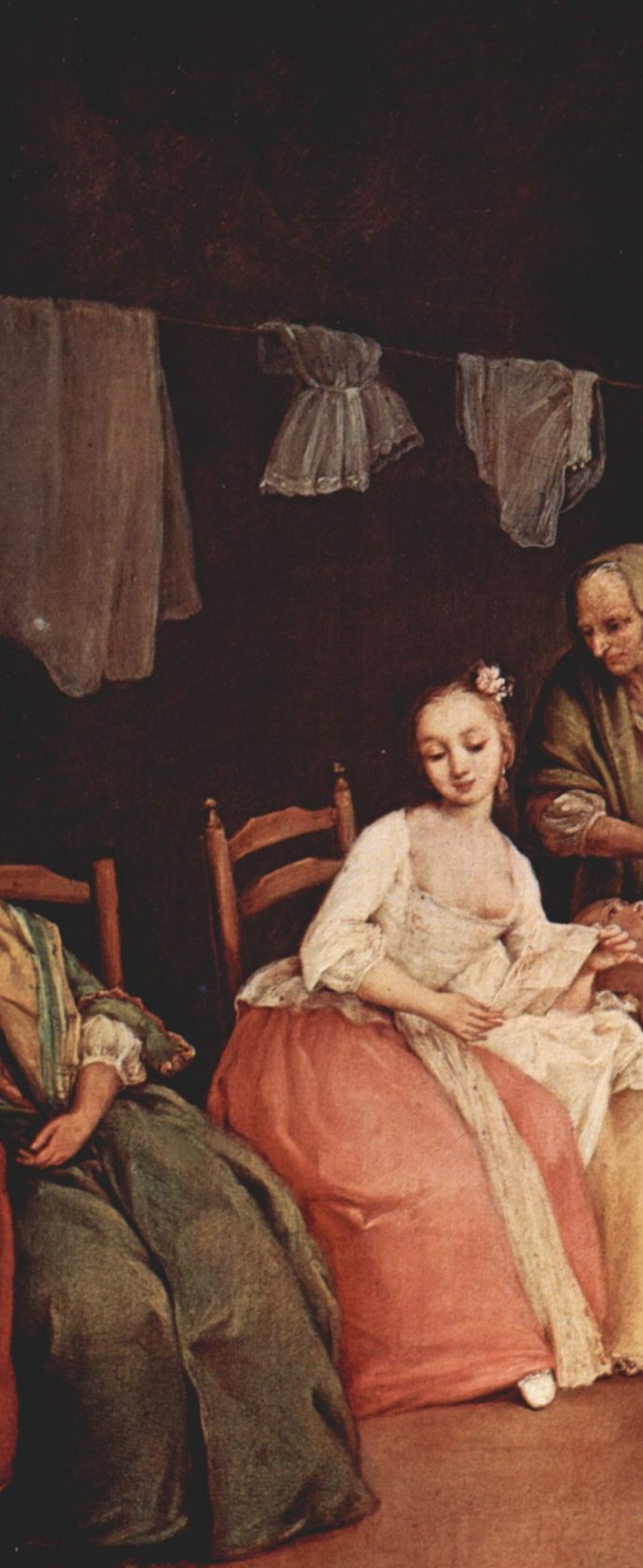
This is Pietro Longhi's "The Letter," painted around 1746. Longhi was Venice's quiet observer, not of grand history or saints, but of ordinary rooms, small dramas, and the objects people lived with.
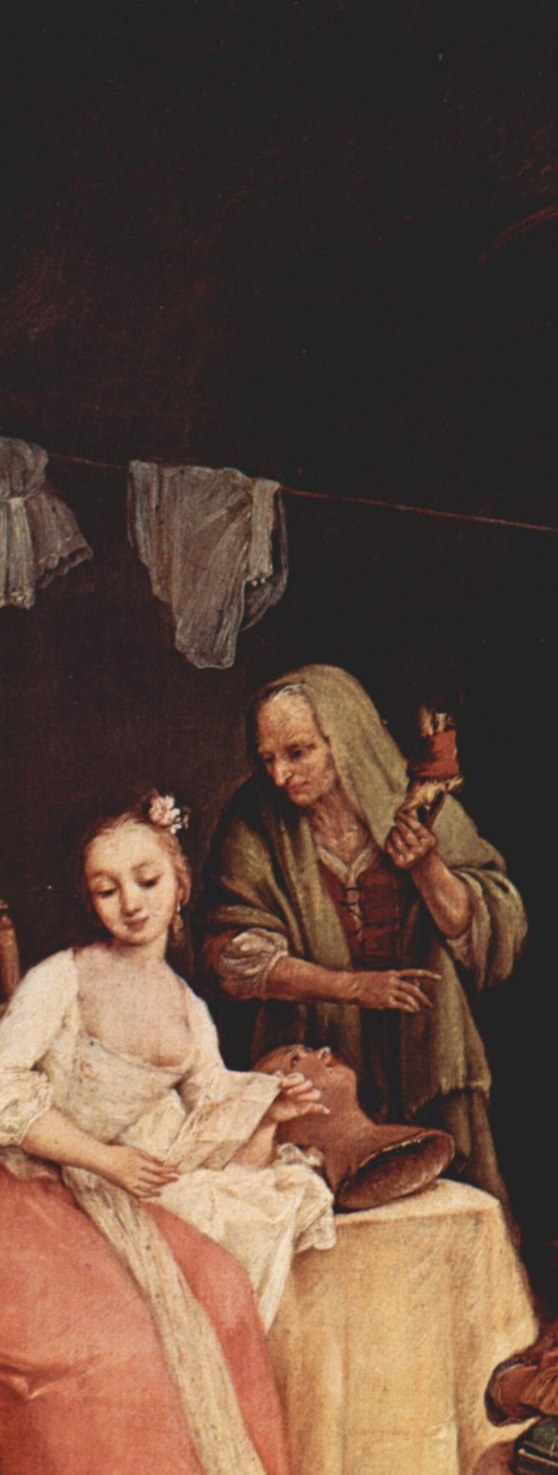
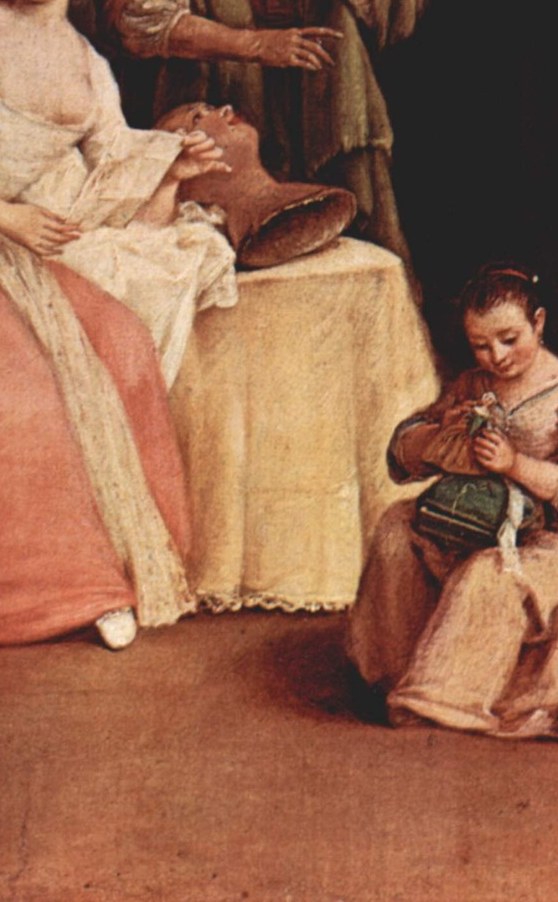
The scene seems straightforward: a letter has arrived, an older man reads it aloud, a woman in white waits for the news, and a girl who delivered it waits with the green box still on her lap. But Longhi rewards the patient eye. In the upper-right corner, almost lost in shadow, sits a single earthenware jug on a high shelf.
That jug is doing real work. In 18th-century Venetian genre painting, background still-life objects were not random, they were class signals. A silver tureen meant wealth. A cracked bowl meant poverty. This jug is ordinary, intact, functional. It tells you this is a comfortable but unremarkable household, exactly the kind Longhi made his subject for four decades.
Longhi worked at a time when Venetian painting was dominated by Tiepolo's soaring ceilings and Canaletto's postcard views. He looked instead at the floor and the shelf. The whole social world of a city is in what people keep on their shelves.
#arthistory #pietrolonghi #venetianpainting
Details
Transcript
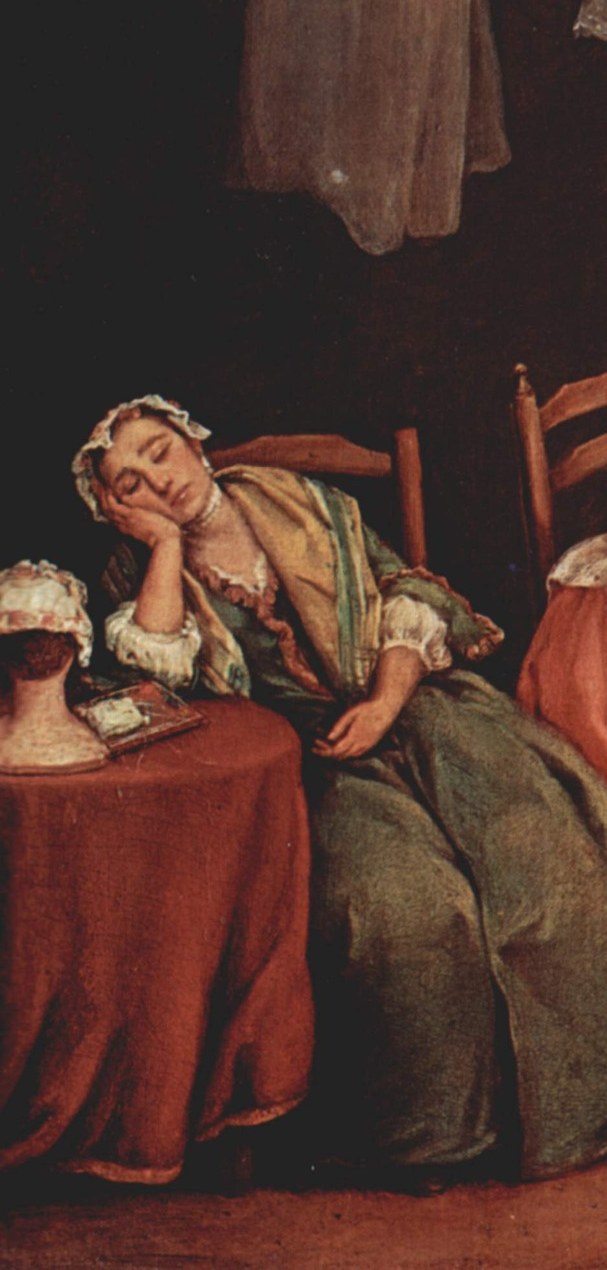
They might be any family interrupted by a letter. A woman in white waits for news she cannot read herself. An older man reads it aloud. The girl who delivered it still waits. At the left, one woman has collapsed into her arms, exhausted, or overcome. Pietro Longhi painted Venetian life, and he left clues. Look to the upper-right shelf. This earthenware jug is a class marker. Modest, comfortable, not poor, not rich. Ordinary Venetian life, caught exactly.