Scenes from the Life of Saint John the Baptist by Francesco Granacci
View the artwork: Scenes from the Life of Saint John the Baptist →
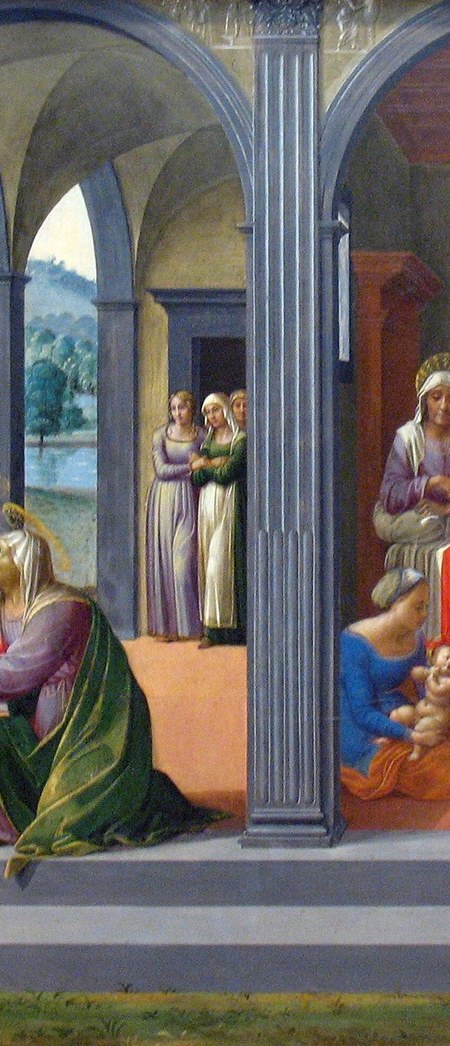
This is Francesco Granacci's "Scenes from the Life of Saint John the Baptist," painted around 1506. The panel splits the story across two grand rooms, but the most intriguing moment is tucked away where nobody looks.
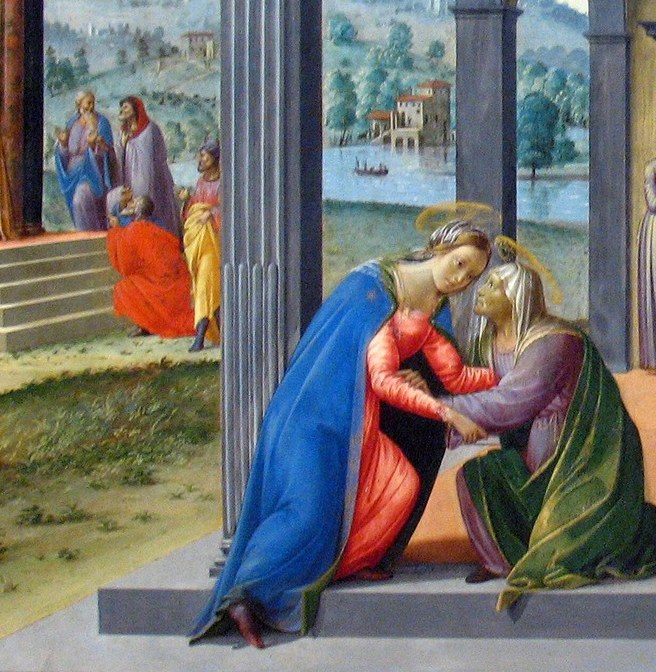
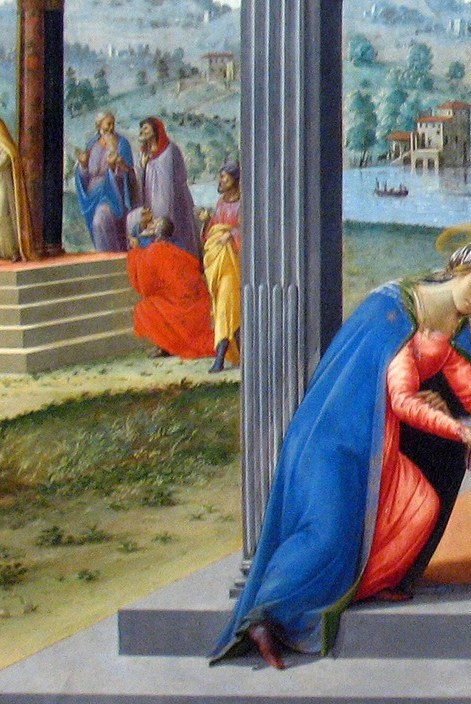
Let your eye drift to the far left margin. Through the arch, past the main figures, a tiny classical temple sits in the distance. A cluster of miniature people gathers there. This is not a random detail. It is the moment the angel Gabriel appears to Zechariah in the temple, foretelling John's birth before the main event unfolds on the right.
Granacci was a lifelong friend of Michelangelo and trained in Ghirlandaio's workshop, where this kind of continuous narrative was a Florentine specialty. He painted the whole story into a single frame, trusting the viewer to find it. The panel now lives in the Metropolitan Museum of Art.
A painting that rewards the patient eye, and proves the edges of the canvas are sometimes where the story begins.
#arthistory #francescogranacci #florentinerenaissance
Details

Transcript
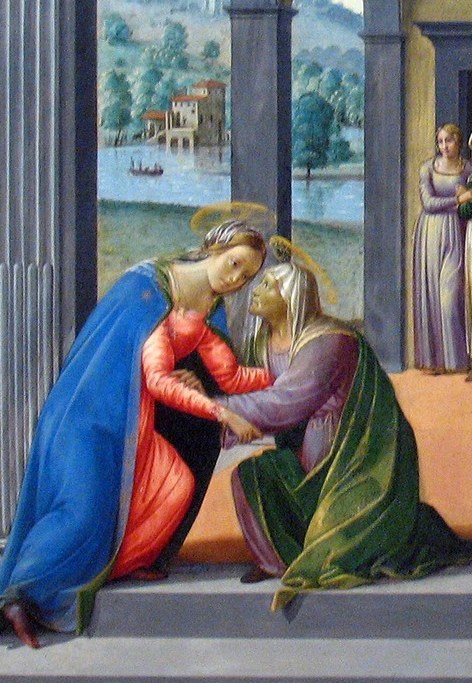
A grand Florentine interior, split in two. On the right, the birth of John the Baptist. On the left, two women share a sacred embrace. The artist hid a story in plain sight. Look through the arch, deep into the landscape. And now look closer, at the far left edge. A miniature temple. A gathering of tiny figures. This is Zechariah, receiving a divine message before the altar.