Virgin and Child by Giovanni Battista Salvi da Sassoferrato
View the artwork: Virgin and Child →
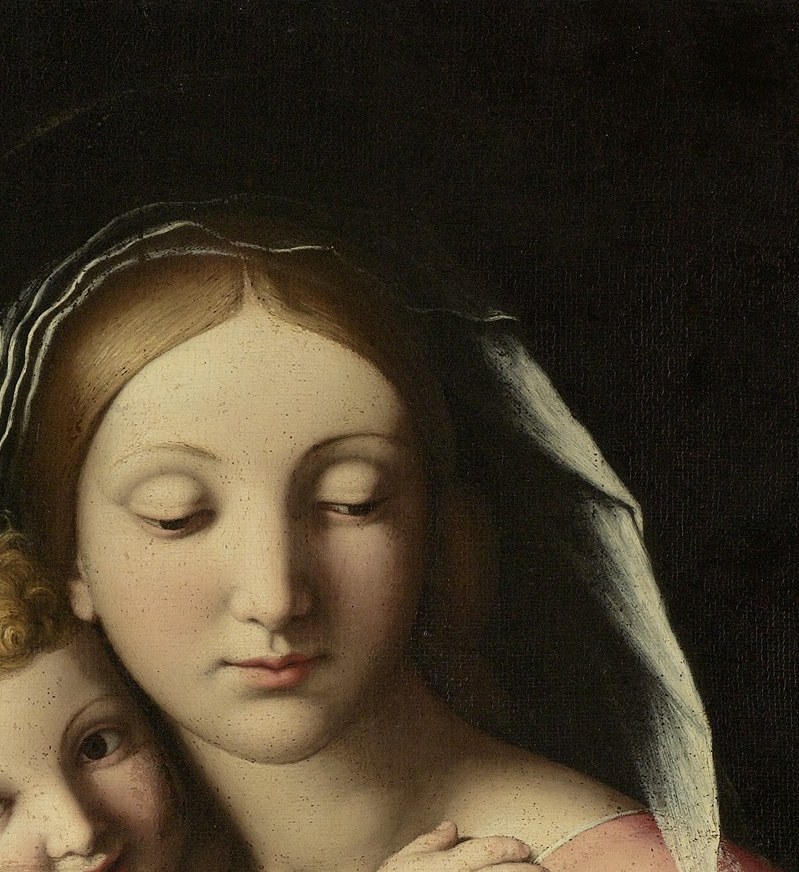
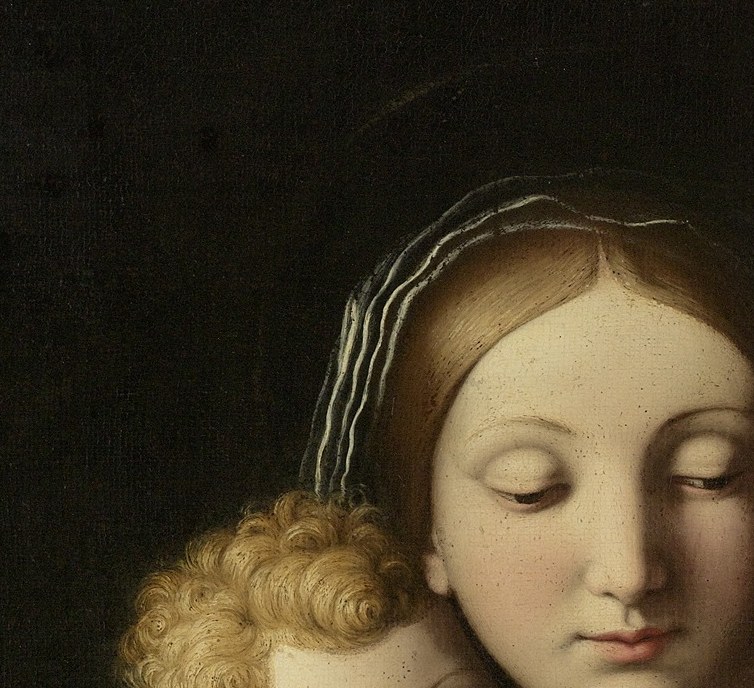
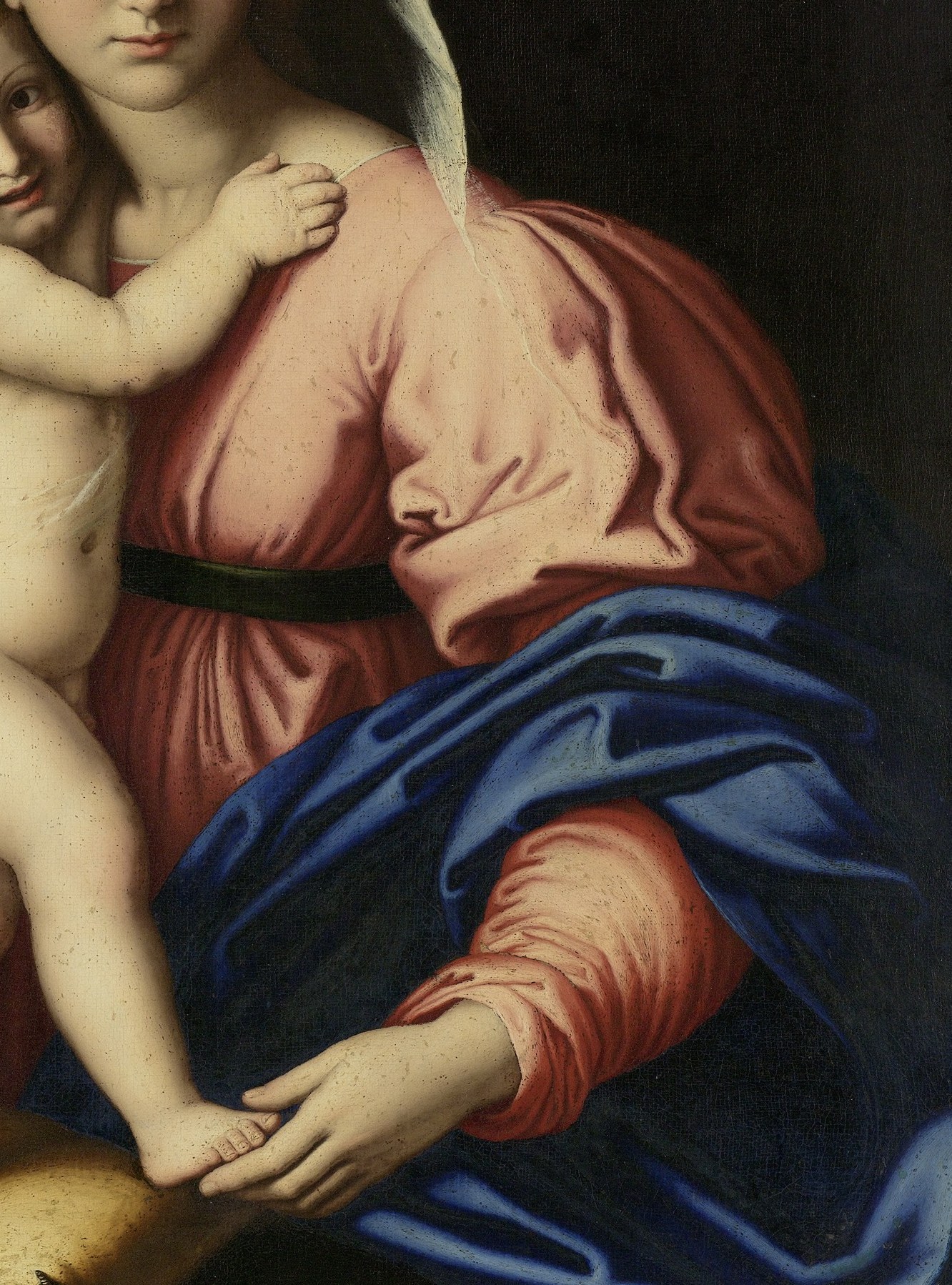
This is "Virgin and Child," painted in the workshop of Giovanni Battista Salvi, known as Sassoferrato, in the second half of the 1600s. It hangs in the Rijksmuseum in Amsterdam. At first glance it's a serene, almost simple image of maternal love, the kind of devotional picture the artist produced in large numbers for private homes during the Counter-Reformation.
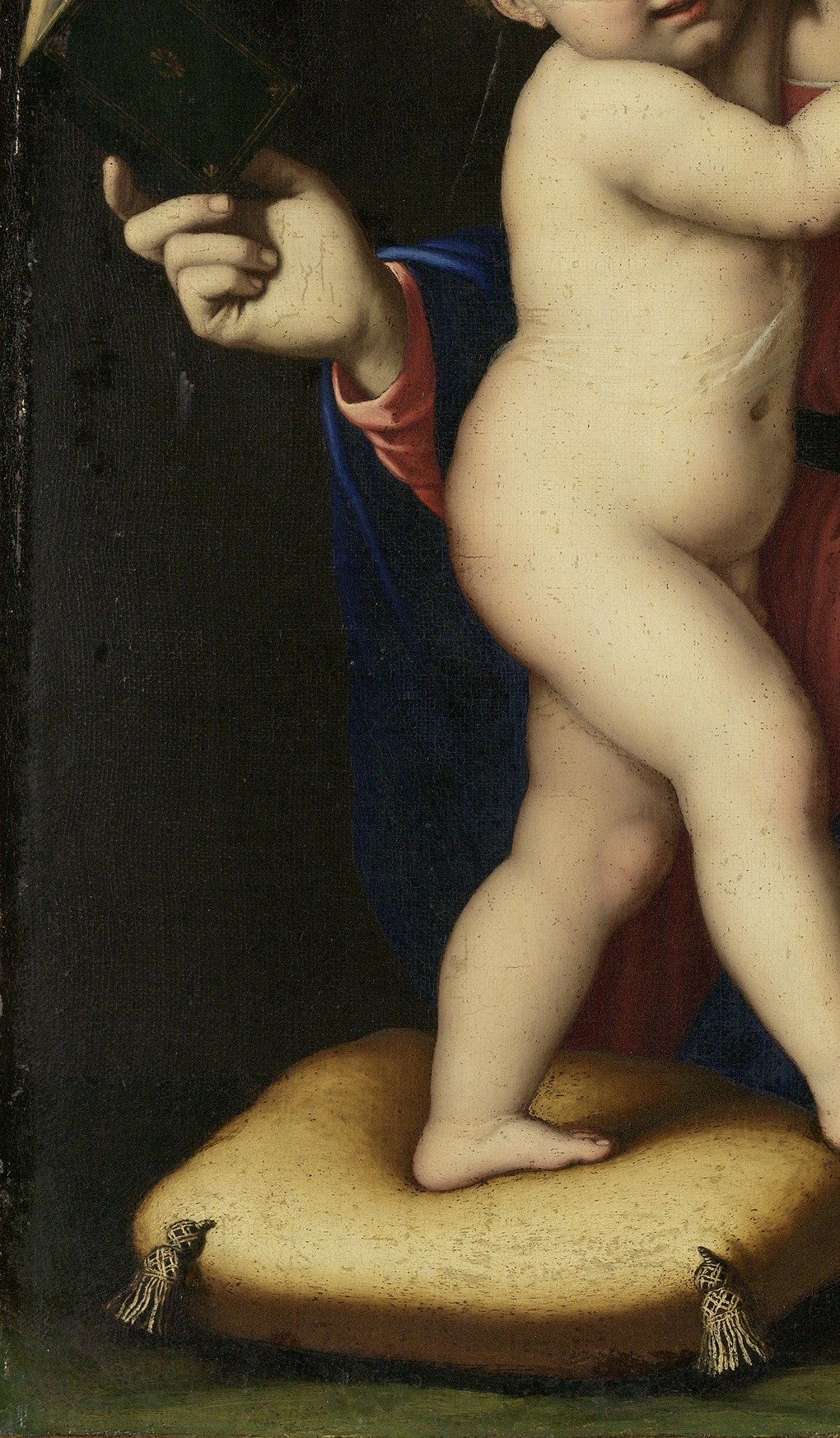
But look closely at the plant in the Christ Child's left hand. It's a carnation. In the visual language of the time, the carnation carried a heavy symbolic weight. Its botanical name, Dianthus, means 'flower of God,' but in devotional painting it specifically prefigured the Passion, the nails of the cross, and Christ's eventual sacrifice. A quiet domestic scene becomes a meditation on mortality.
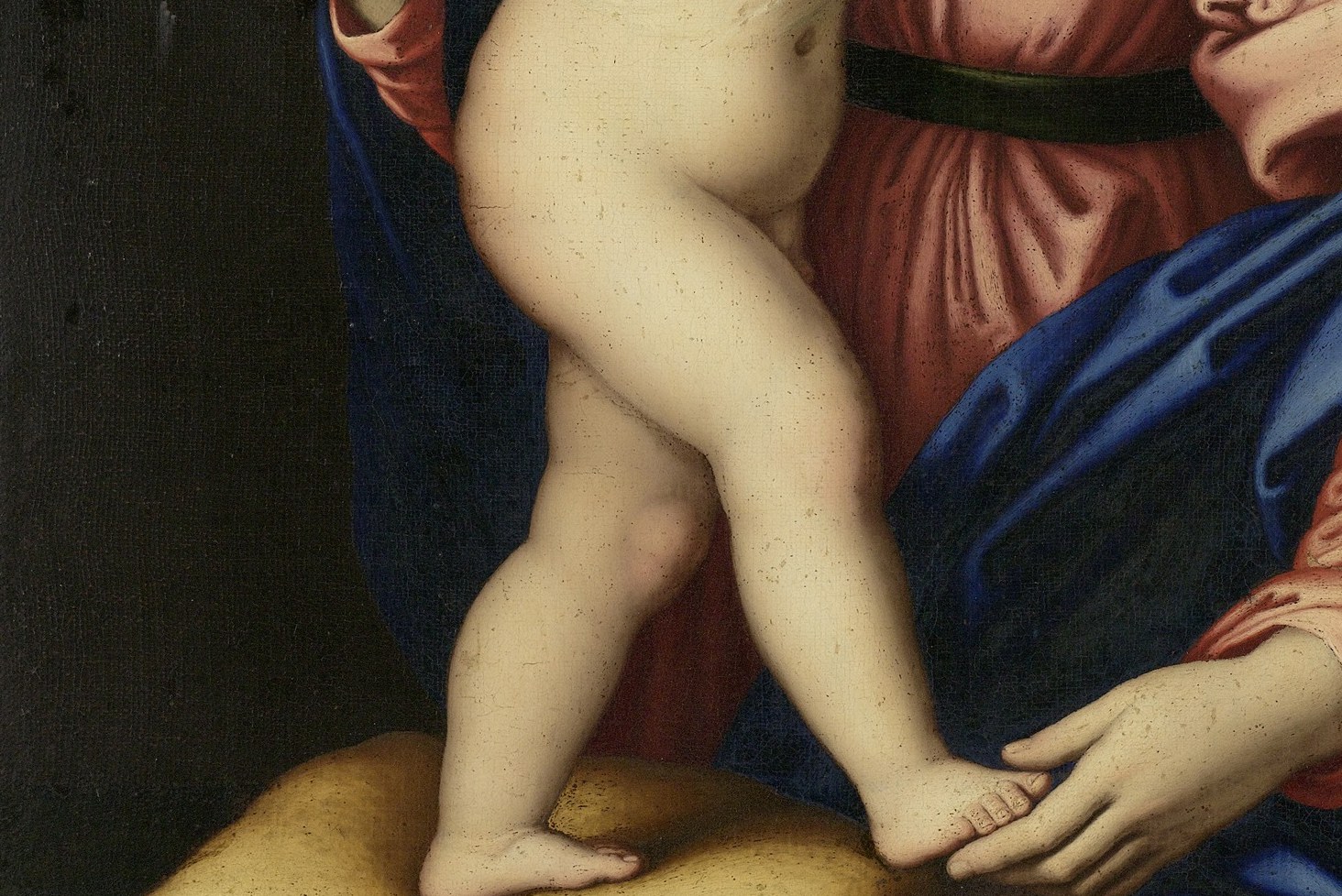
Sassoferrato built his entire career on pictures like this one. Born in 1609 in the small Marchigian town he took his name from, he moved to Rome and found a hungry market for accessible, Raphael-inspired devotional images. His workshop replicated a handful of beloved designs endlessly. This particular composition, with Mary holding a book and the Child standing on a cushion, descends from a sixteenth-century prototype once in the church of S. Francesco in Sassoferrato itself, an image that later entered the Pinacoteca di Brera attributed to the circle of Giulio Romano.
The painting rewards the slow look. The ultramarine blue of Mary's mantle was literally worth its weight in gold. The transparent white veil was a Sassoferrato signature. And centered in all that costly, careful paint, a small pink flower does the heaviest lifting in the room.
#arthistory #baroque #sassoferrato
Details
Transcript
She reads. He stands. A quiet domestic moment. The book marks Mary as the Seat of Wisdom. Now look at what the Child is holding. A single pink flower. A carnation. The carnation was a symbol of the Passion. A premonition of Christ's death. The cushion beneath him is a throne. His mother holds the wisdom. He holds the future. In a quiet room, painted for private prayer, an entire theology rests in a flower.