Artwork
Death of the miser
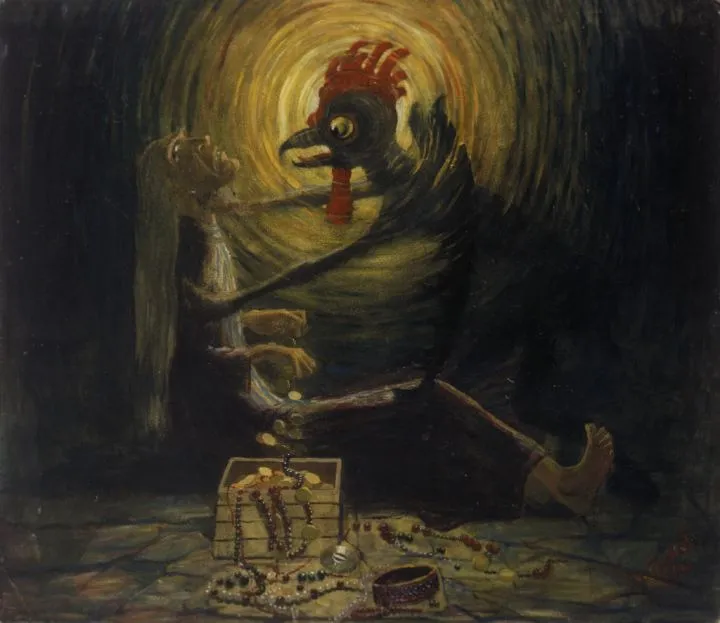
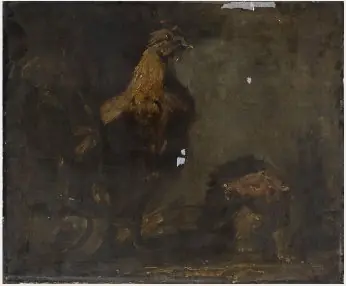
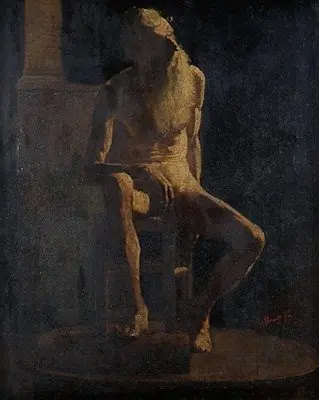
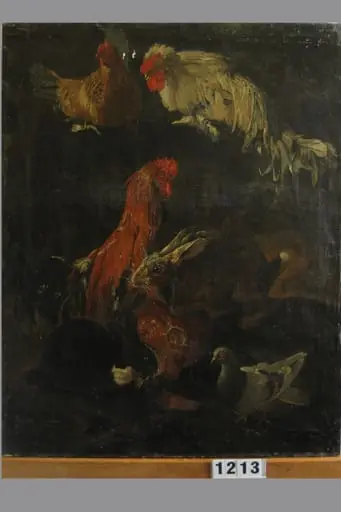
Death of the miser is an oil painting by Aleksander Promet. It dates from 1906 and is held in the collection of the Art Museum of Estonia's painting collection.
About this work
Overview
Aleksander Promet, an Estonian artist born in 1879 in Kreenholm, painted Death of the Miser in 1906 using oil on canvas. The work is part of the Kumu Art Museum’s collection in Tallinn. Promet was active during a time of growing national cultural identity in Estonia, and this painting reflects his engagement with symbolic and moral themes through a distinctive visual language.
Subject & Meaning
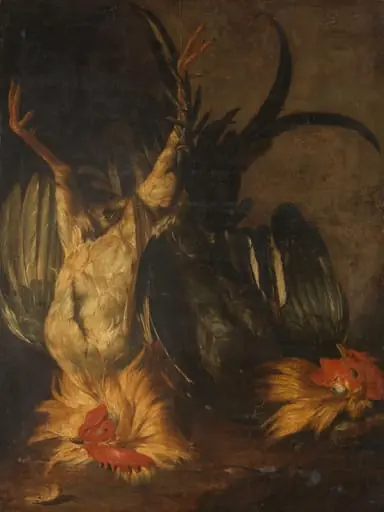
The rooster, an unusual symbol of judgment or retribution, looms over the figure, implying that greed has led to spiritual ruin.
The painting depicts a dying man lying on the ground, overwhelmed by a rooster crowned in red and wielding a staff. Surrounding the figures are scattered coins and beads, suggesting accumulated wealth. The rooster, an unusual symbol of judgment or retribution, looms over the figure, implying that greed has led to spiritual ruin. The scene functions as a moral allegory, confronting the viewer with the consequences of avarice.
Technique & Style
Promet employs a restrained palette dominated by deep browns, blacks, and muted reds, creating a somber atmosphere. Strong contrasts between light and shadow, reminiscent of chiaroscuro, isolate the central figures and heighten the drama. The composition is tightly focused, with the rooster’s imposing posture and the man’s limp form forming a stark vertical axis that directs attention to the moment of moral reckoning.
History & Provenance
Completed in 1906, the painting entered the collection of what is now Kumu Art Museum in Estonia. Promet, who lived and worked primarily in Tallinn, was part of a generation of artists contributing to the nation’s emerging artistic voice. The work has remained in Estonian public collections since its creation, preserving its connection to early 20th-century national cultural expression.
Context
During the early 1900s, Estonia experienced a surge in cultural self-definition under Russian imperial rule. Artists like Promet turned to allegory and symbolism to explore themes of identity, morality, and social critique. Death of the Miser aligns with broader European traditions of memento mori and moralizing art, adapted through a local lens to reflect anxieties about materialism and spiritual decay.
Legacy
Though not widely known outside Estonia, the painting remains a significant example of symbolic realism in early Estonian art. Its unusual imagery and moral intensity distinguish it from contemporaneous works, offering insight into how local artists engaged with universal themes through personal and culturally specific symbols. It continues to be studied for its narrative complexity and visual economy.
Artist & collection
Artist
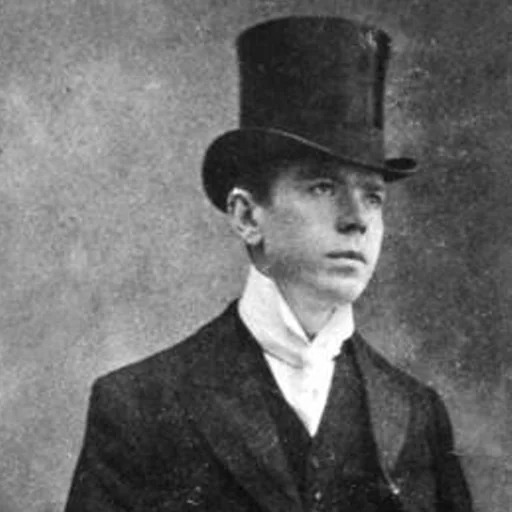
Aleksander Promet (10 November 1879, in Kreenholm – 18 September 1938, in Tallinn) was an Estonian painter and graphic artist.

Museum
Art Museum of Estonia's painting collection
Continue through works from the same source collection.