Artwork
Procris and Cephalus (?)
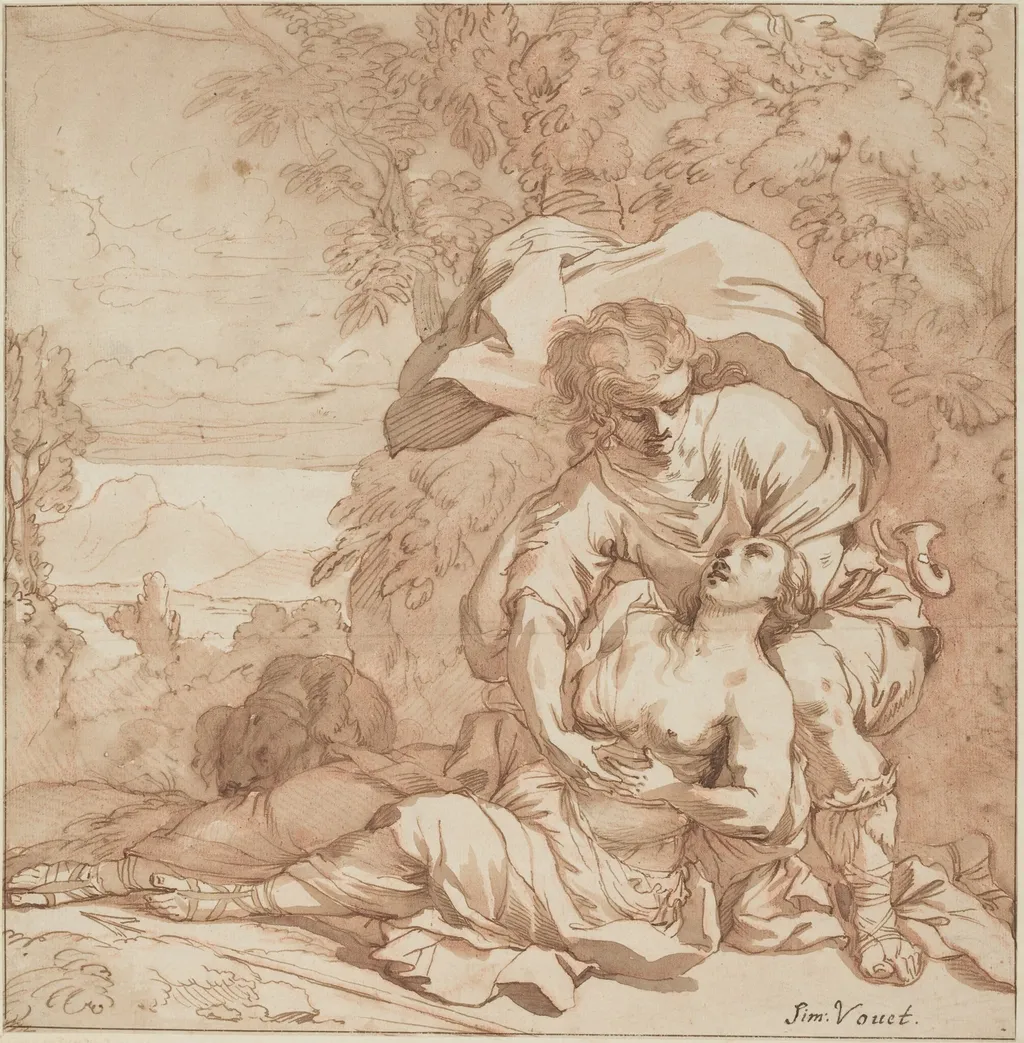
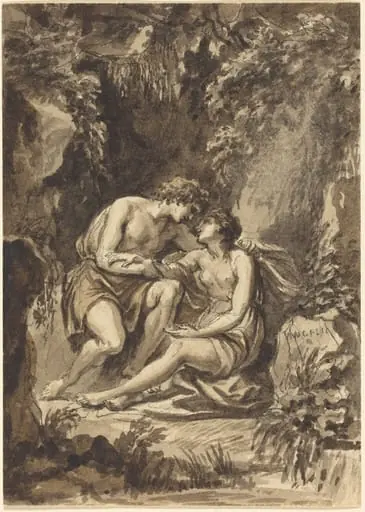
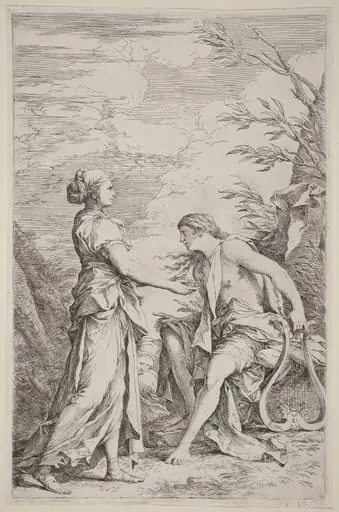
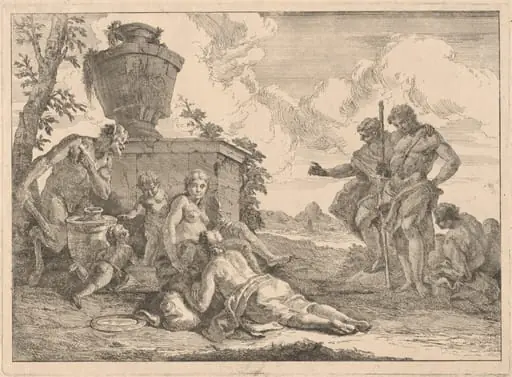
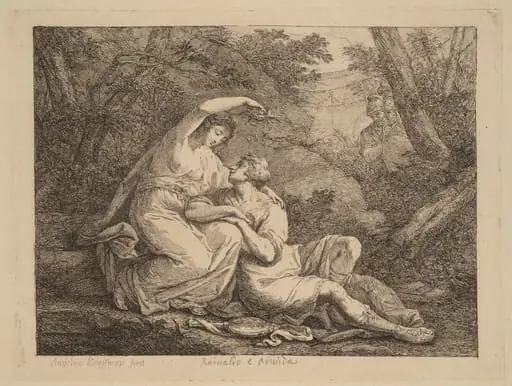
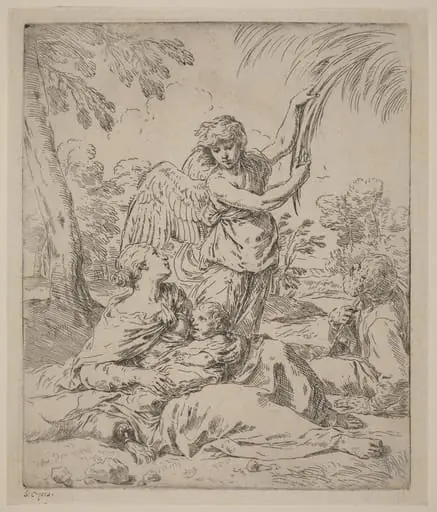
Procris and Cephalus (?) is an ink drawing by the Renaissance artist Studio of Simon Vouet. It dates from 1620 and is held in the collection of the National Gallery of Art. This drawing, dated 1620, depicts a scene from Greek mythology identified as Procris and Cephalus.
- Inscription
- Inscribed:false signature, lower right in brown ink: Sim: Vouet
About this work
Overview
The artist employs red chalk to establish the initial forms and contours, over which the pen and ink define the figures and drapery with precision.
This drawing, dated 1620, depicts a scene from Greek mythology identified as Procris and Cephalus. Executed in pen and brown ink with brown wash over red chalk on laid paper, the work illustrates the tragic narrative of the hunter Cephalus and his wife Procris. The composition likely centers on the moment of misunderstanding or the fatal accident where Cephalus, believing a rustling bush to be a beast, strikes Procris with his javelin.
The artist employs red chalk to establish the initial forms and contours, over which the pen and ink define the figures and drapery with precision. Brown wash is applied to create atmospheric depth and model the volume of the bodies and the surrounding forest setting. Created during the early seventeenth century, this sheet reflects the period's continued engagement with classical literary sources, specifically Ovid's Metamorphoses.
While the artist remains unidentified, the handling of the medium suggests a Northern European tradition of draftsmanship where the interplay of line and wash serves to convey both narrative clarity and emotional gravity. The work stands as a study in the depiction of mythological tragedy, utilizing the economy of monochrome media to focus attention on the dramatic interaction between the two figures.
Subject & Meaning
The scene illustrates the tragic myth of Procris and Cephalus, a narrative from ancient Greek legend in which love and miscommunication lead to fatal consequences. By focusing on the two characters amid trees, the artist evokes the emotional tension of the story without relying on elaborate background detail.
Technique & Style
The artist employed cross‑hatching with pen and brown ink to model form and suggest depth, while the brown wash unifies the drawing’s tonal range. The initial red chalk underdrawing provides subtle coloration that emerges through the ink, creating a layered effect characteristic of preparatory studies in the drawing tradition.
Context
Works that combine ink, wash, and chalk on paper were common in academic drawing practices, serving both as studies for larger compositions and as finished pieces intended for collection. The choice of a mythological subject aligns with the classical themes favored by artists training in the European academies of the 18th and 19th centuries.
Artist & collection
Artist