Artwork
Peisaj
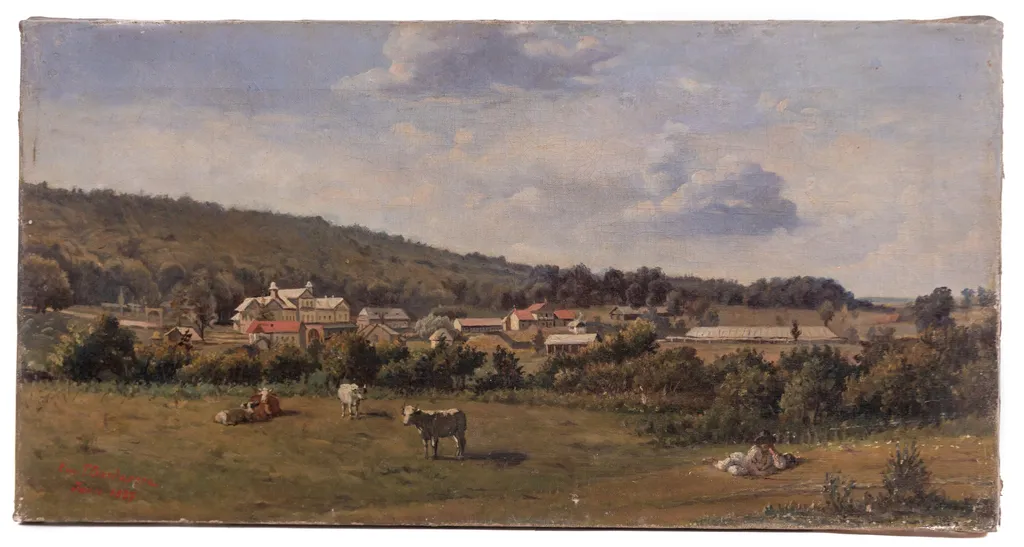
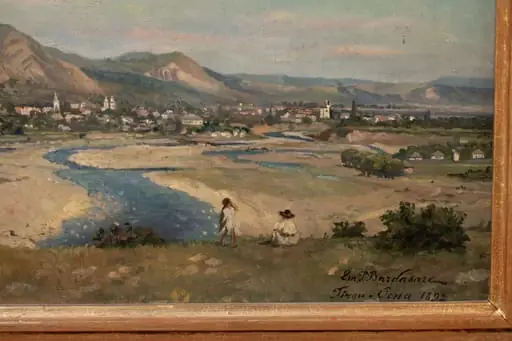
Peisaj is an unspecified painting by Bardasare P. Emanoil. It dates from 1892 and is held in the collection of the Moldova National Museum Complex.
About this work
Overview
Peisaj, painted by Bardasare P. Emanoil around 1892, depicts a tranquil village set within a verdant valley. The composition includes grazing cattle in the foreground, a solitary figure seated on the grass, and a row of modest houses with red and gray roofs perched on a gentle slope. The sky is clear, dotted with soft, scattered clouds.
Subject & Meaning
The work presents a pastoral scene that emphasizes the harmony between human habitation and the surrounding landscape. The presence of the seated figure and the calmly grazing cows suggest a moment of quiet contemplation, while the modest architecture blends into the natural environment, reflecting a serene, everyday rural life.
Technique & Style
Emanoil employs loose, gestural brushwork to convey movement in the foliage and grass, creating a slightly blurred, atmospheric effect. The palette is restrained, dominated by earthy greens and browns that reinforce the natural setting. The overall handling of paint yields a soft focus rather than a highly detailed rendering.
History & Provenance
Created in the early 1890s, Peisaj belongs to the later period of Emanoil's career, a time when he explored rural motifs. The painting’s ownership record is limited to its original exhibition context, and no further provenance details are currently documented.
Artist & collection
Artist
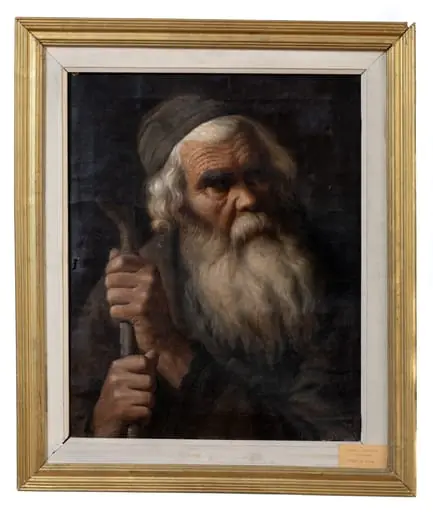
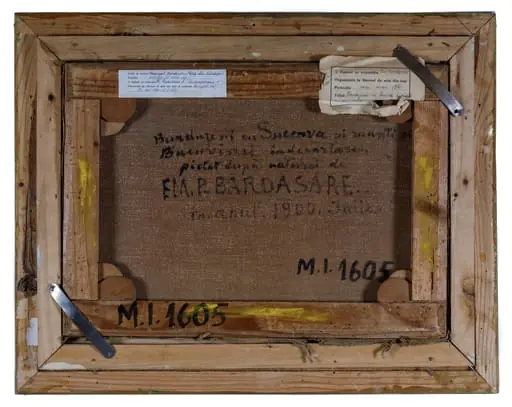
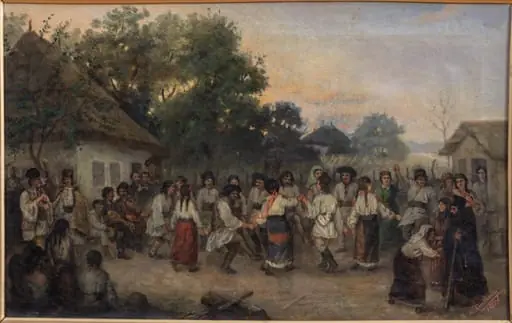
Bardasare P. Emanoil painted rural scenes and portraits in late 19th-century Romania. His brush traced village life in works like Burdujenii cu Suceava și Munții Bucovinei and Hora de la Țuțora, while his etchings…
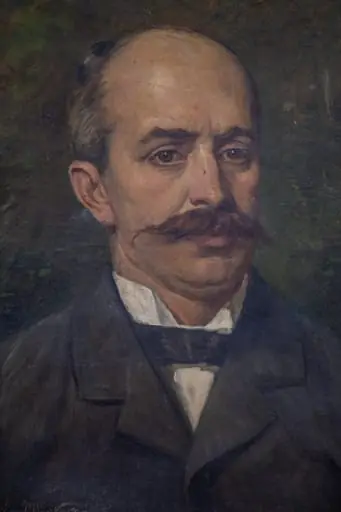
- Kuljun kartano
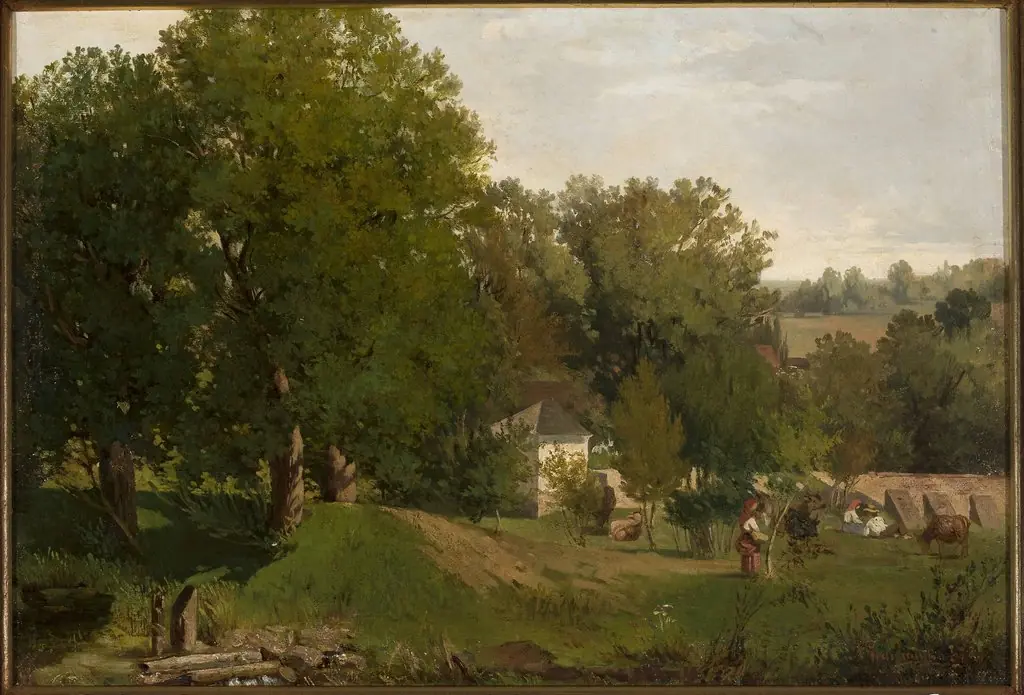 View from Kalwaria Zebrzydowska
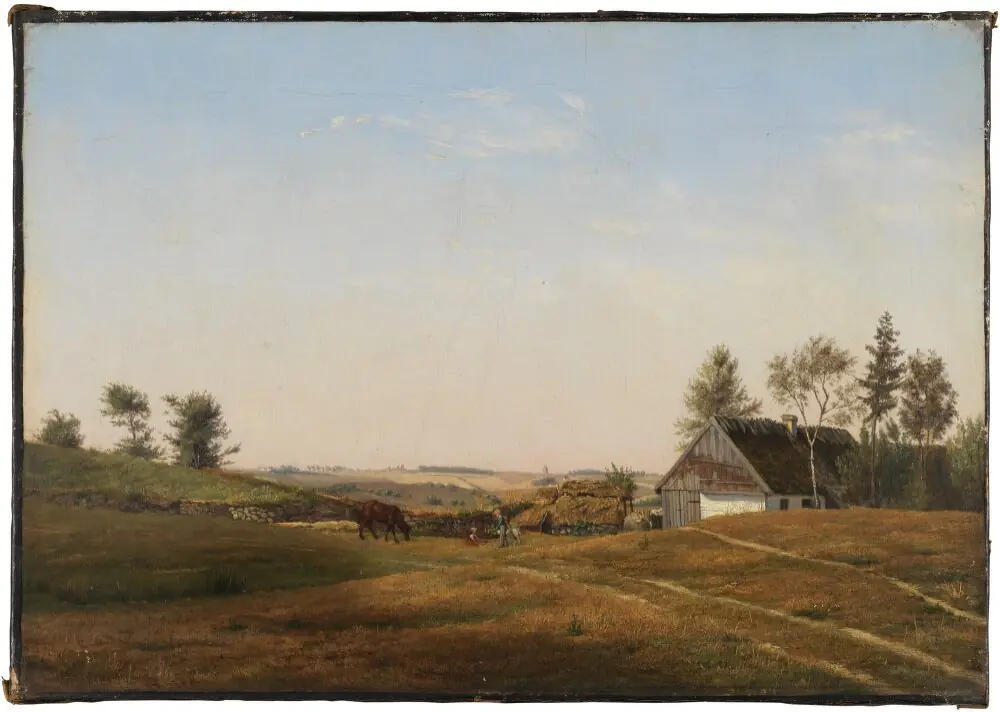 Landscape with a Farm
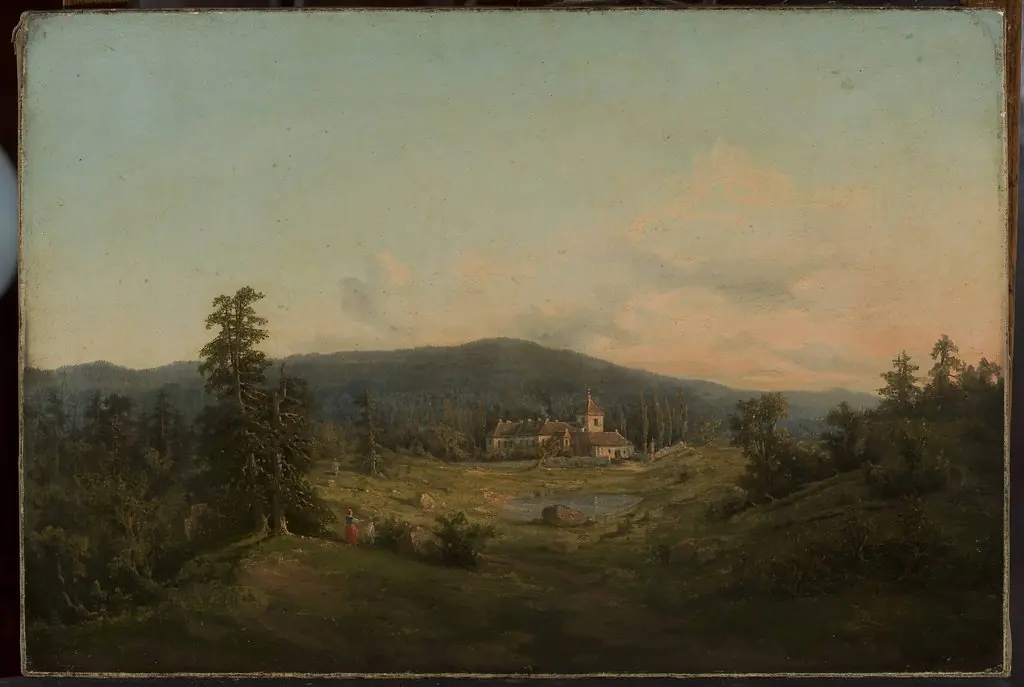 Mountain landscape with church and monastery
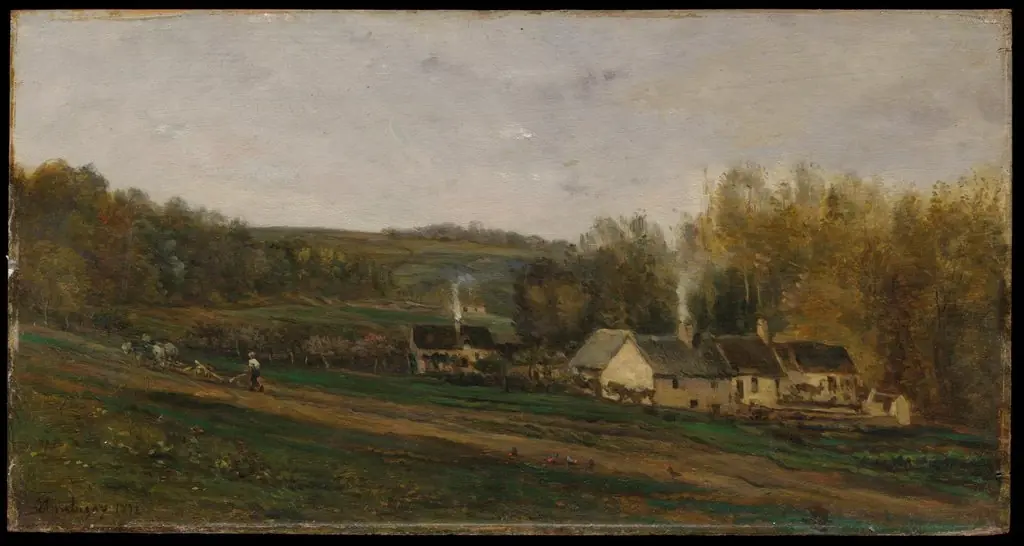 House of Mere Bazot, Valmandois
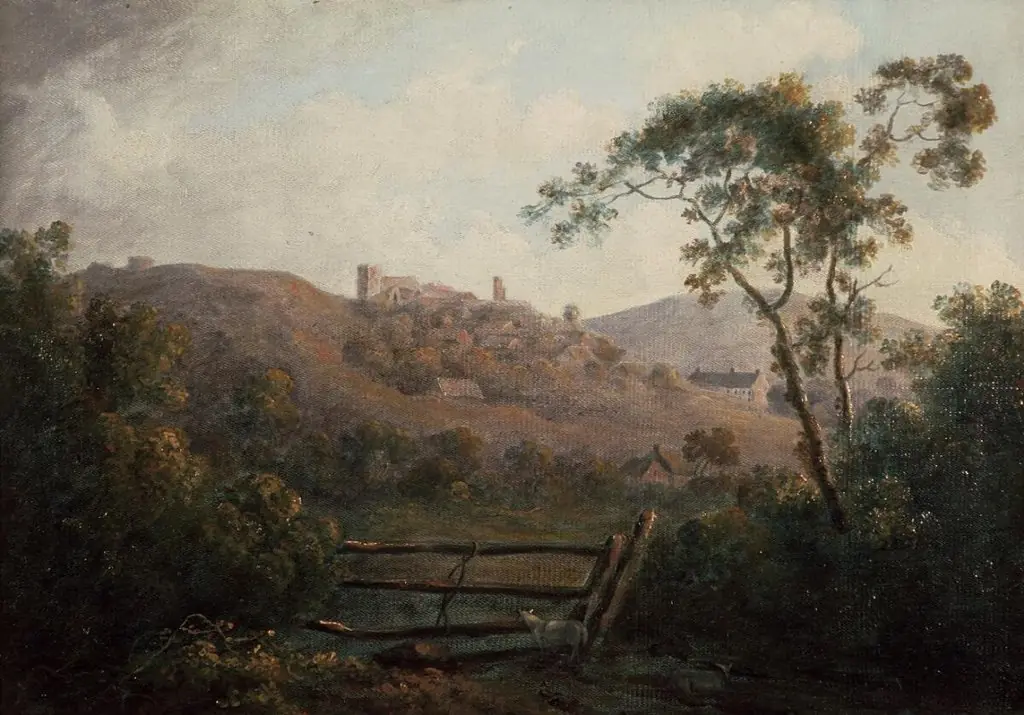 Llantrisant
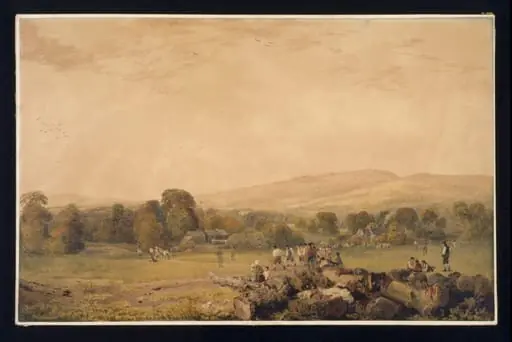 The Cricketers
 Landscape
 Schatacook Mountain, Housatonic Valley, Connecticut
 Cottage near Norwood
 Landscape with figures and cottages in a hollow
 Перед грозой