Artwork
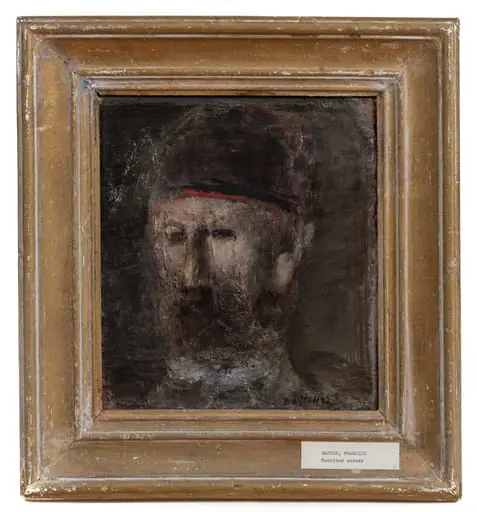
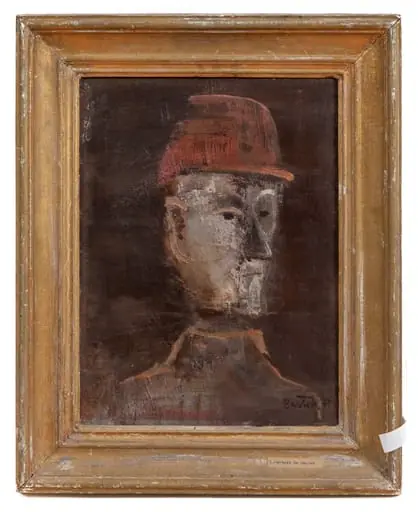
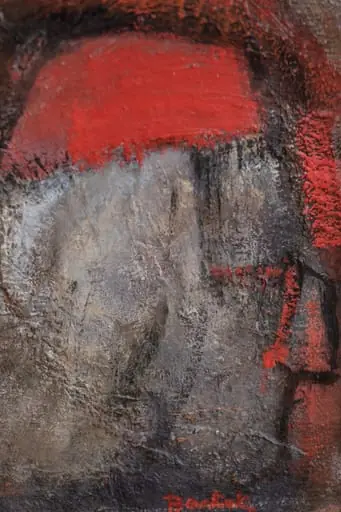
Cap de țăran
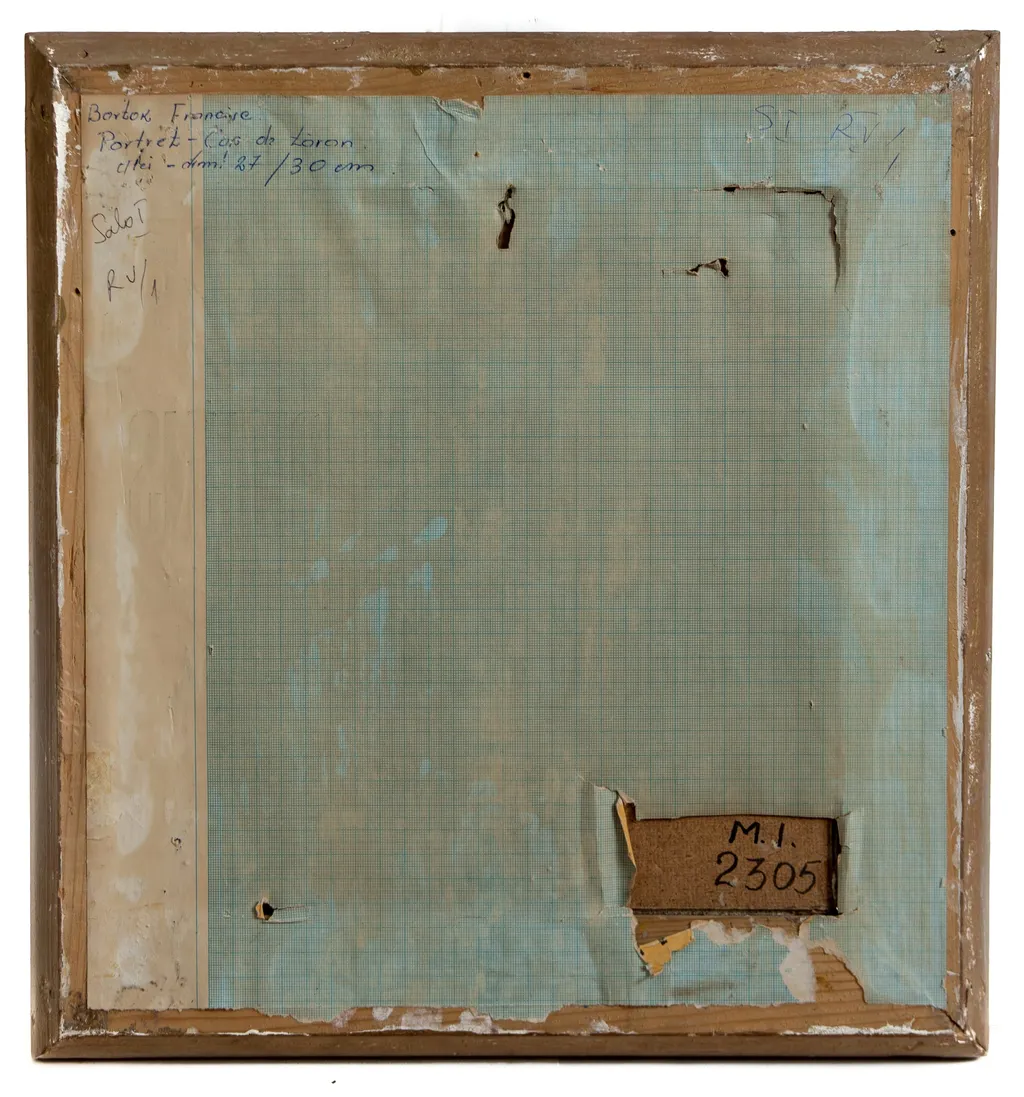
Cap de țăran is an unspecified painting by Bartok Francisc. It dates from 1977 and is held in the collection of the Moldova National Museum Complex.
About this work
" The grid pattern suggests the artist might have used it as a guide, possibly to study shapes or proportions.
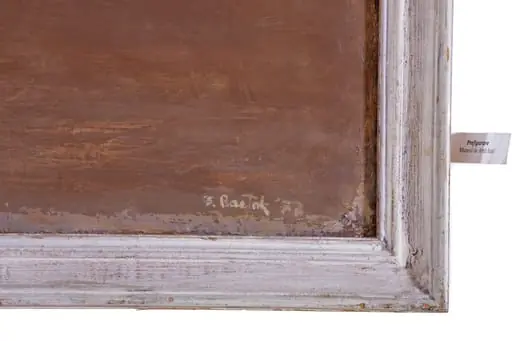
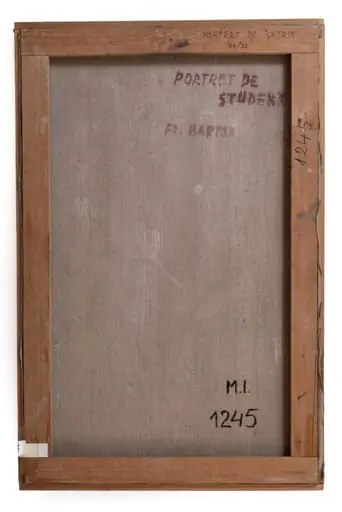
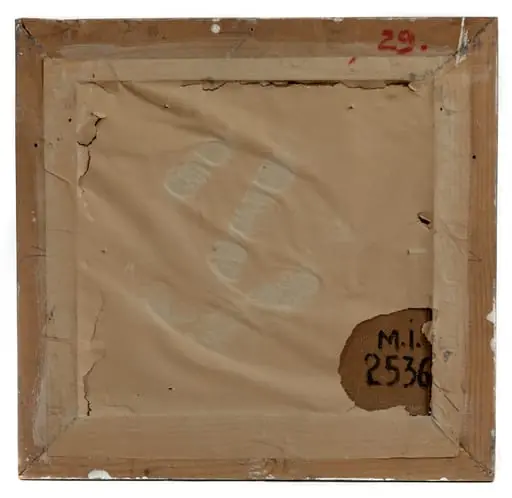
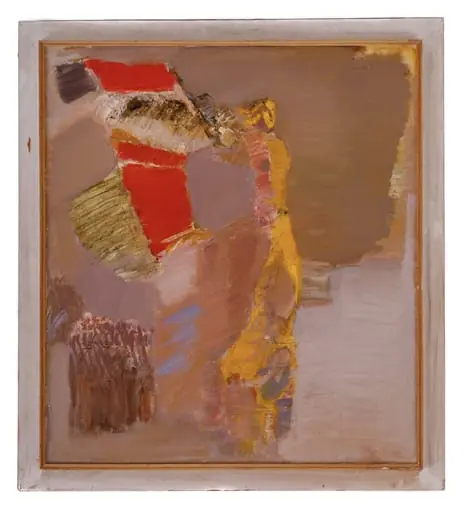
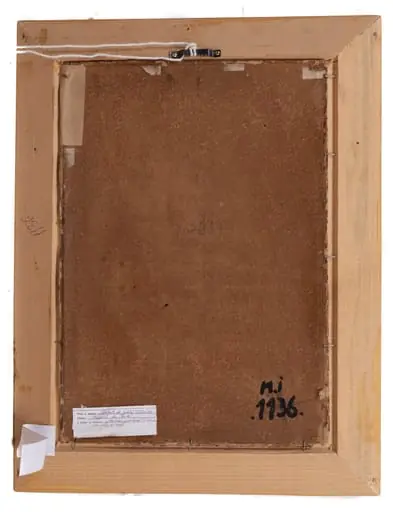
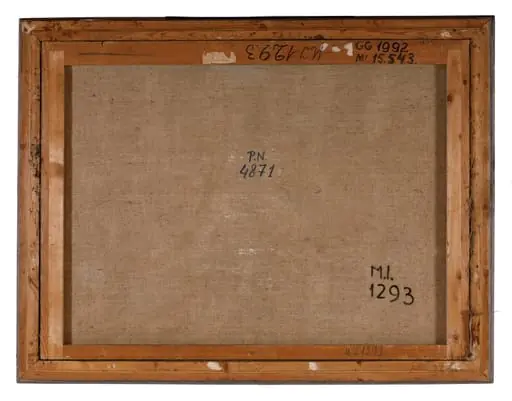
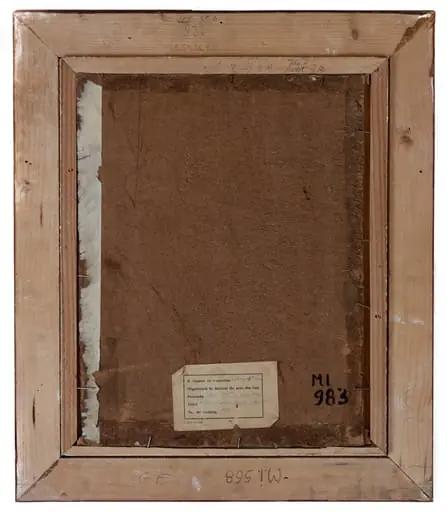
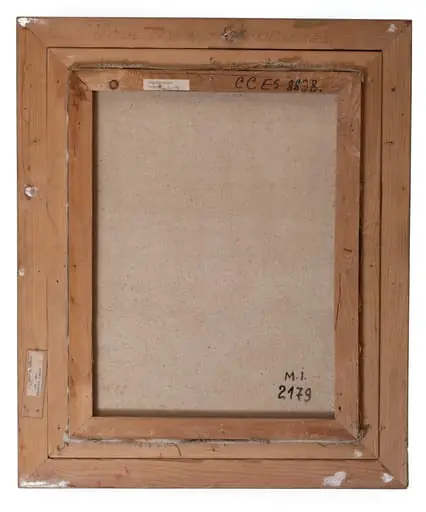
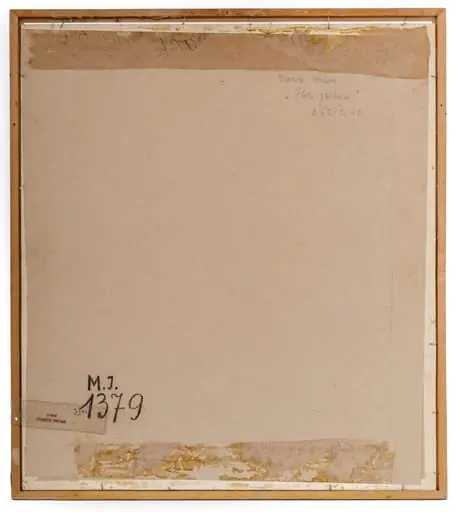
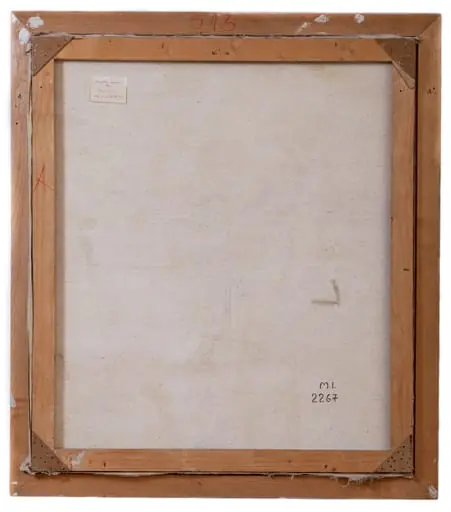
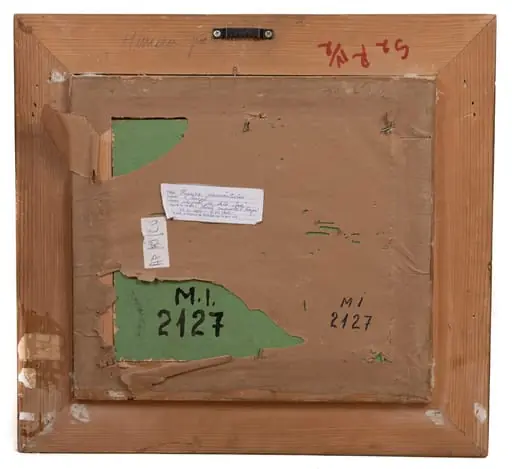
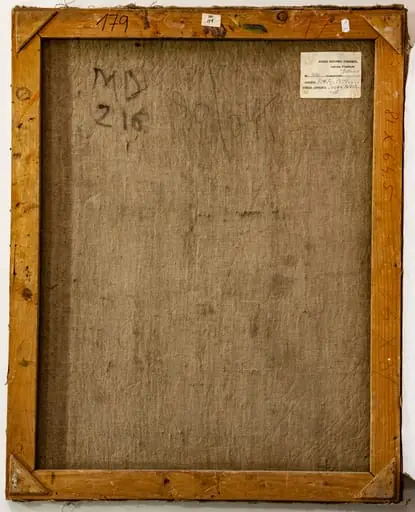
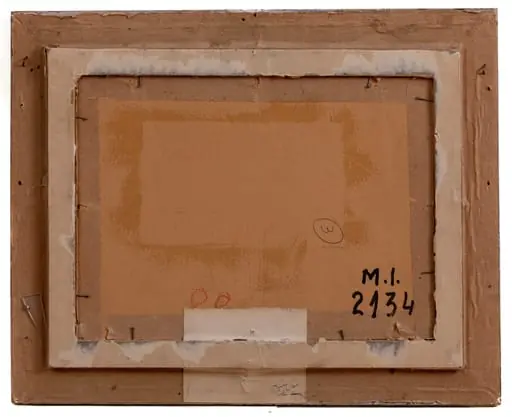
This painting shows a blank canvas covered in a grid of tiny squares, painted in muted greens and blues. The surface looks worn, with peeling paint and patches of damage along the edges. A faded label on the frame has some handwritten notes, and a small sticker in the corner reads "M.I. 2305."
The grid pattern suggests the artist might have used it as a guide, possibly to study shapes or proportions. The painting’s worn state hints it’s been handled or stored roughly over time.
Next, check out impasto to see how artists build texture with thick paint.
Overview
Cap de țăran, created by Bartok Francisc in 1977, is a painting characterized by a muted, grid-patterned surface on a blank canvas, executed in subdued greens and blues. The work's physical state reveals signs of wear and damage.
Subject & Meaning
The subject of Cap de țăran appears to be more about the exploration of artistic technique and less about representational content, given the abstract grid pattern. The title, translating to 'Peasant's Head', contrasts sharply with the non-representational execution, suggesting a potential commentary or abstraction of the subject.
Technique & Style
The artist employed a grid of tiny squares in muted colors, possibly as a study aid for shapes or proportions. The painting's surface exhibits peeling paint and edge damage, indicating either intentional distressing or accidental wear over time.
History & Provenance
Created in 1977, the painting bears a faded label with handwritten notes and a sticker 'M.I. 2305' on the frame, providing minimal clues to its history. The full provenance and exhibition history of Cap de țăran are not detailed in available information.
Context
While specific contextual information about Cap de țăran is limited, its creation in 1977 places it within late 20th-century artistic explorations of abstraction and minimalism, though its unique state and possible intent for study set it apart.
Legacy
The legacy of Cap de țăran is not widely documented in provided sources, suggesting it may not be among the artist's most prominently showcased works, or it may serve more as a personal study piece reflecting Bartok Francisc's technical explorations.
Artist & collection
Artist
Bartok Francisc painted Romanian scenes and portraits across the 20th century. He left works like Natură statică cu flori (1966) and Portretul pictorului Coreliu Baba, plus historical scenes such as 23 august 1944. Look…