Artwork
Mănăstirea Neamț
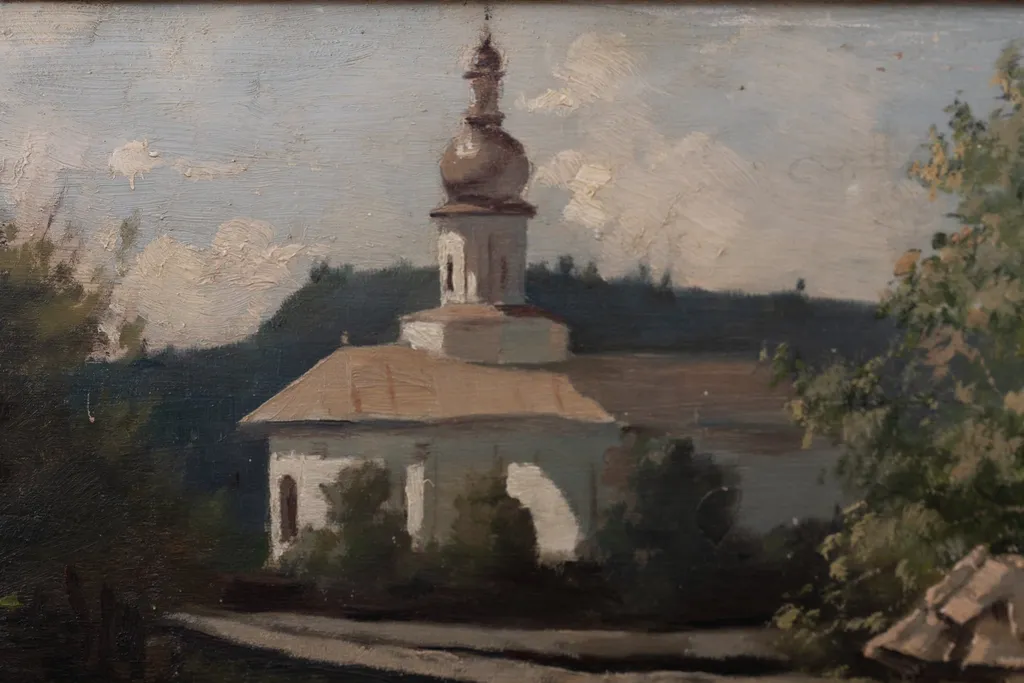
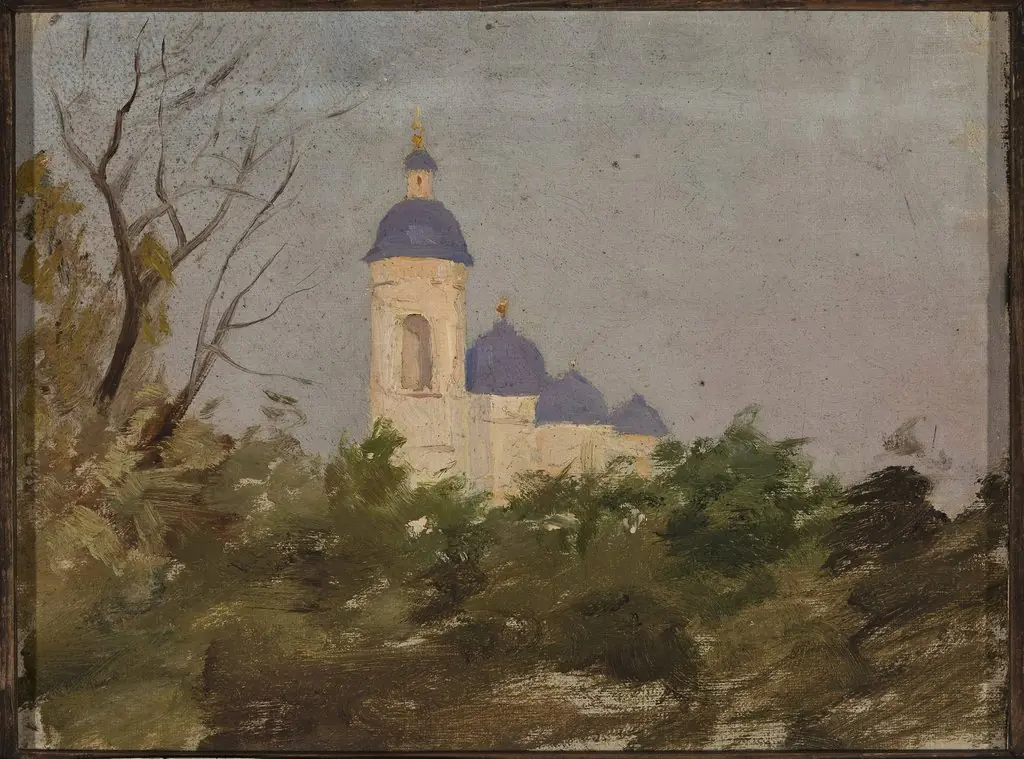
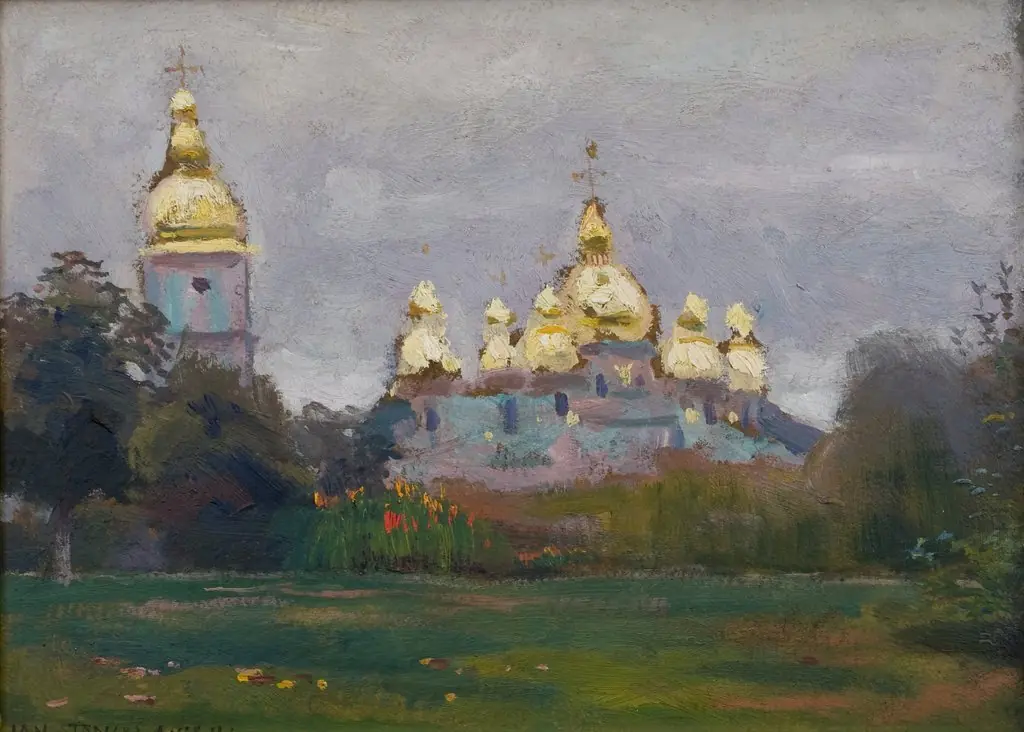
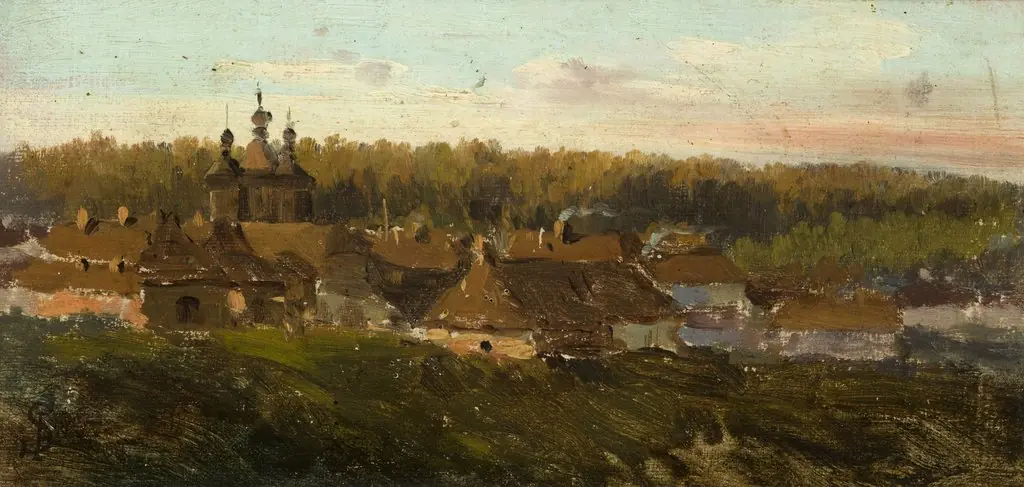
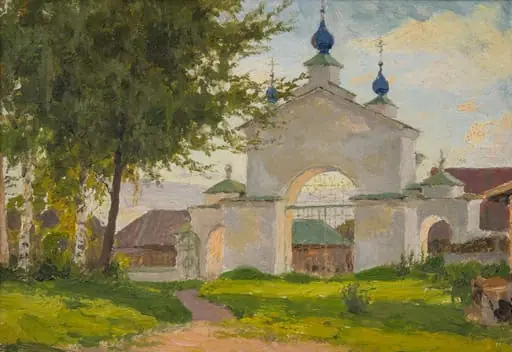
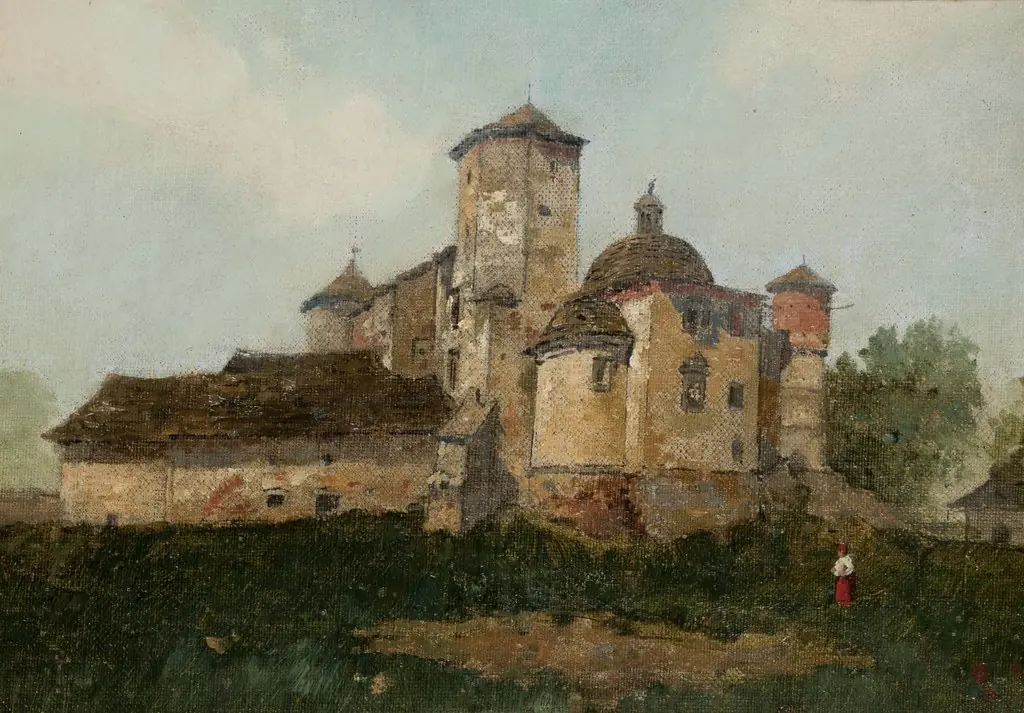
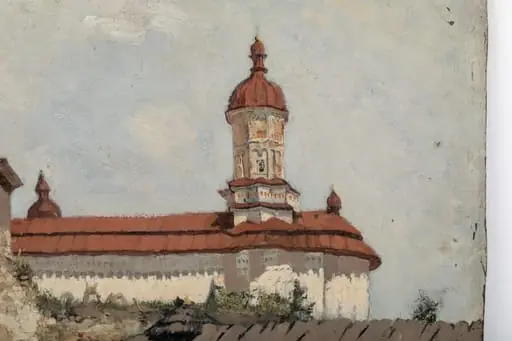
Mănăstirea Neamț is an unspecified painting by Burghelea Ilie. It dates from 1904 and is held in the collection of the Moldova National Museum Complex. Created around 1904 by Ilie Burghelea, this oil painting depicts a modest stone structure crowned by a tall, sharply pointed tower.
About this work
Overview
Created around 1904 by Ilie Burghelea, this oil painting depicts a modest stone structure crowned by a tall, sharply pointed tower. The edifice, set against a lightly clouded sky, is framed by a modest stand of trees and an open field, suggesting a tranquil, rural environment.
Subject & Meaning
The composition presents a monastic building, its simple walls and elevated spire evoking a sense of spiritual isolation. The quiet landscape surrounding the structure reinforces themes of contemplation and seclusion, typical of religious architecture in the Romanian countryside.
Technique & Style
Burghelea employs a pronounced impasto technique, applying thick layers of paint especially on the sky and tower. This creates a tactile surface that catches light, while bold, gestural brushstrokes define forms and convey the interplay of illumination and shadow, lending the work a handcrafted vigor.
History & Provenance
The work dates to the early twentieth century, a period when Romanian artists were exploring national identity through depictions of local landmarks. While specific ownership records are scarce, the painting has been catalogued as part of Burghelea’s oeuvre and is recognized in regional art inventories.
Context
The early 1900s saw a resurgence of interest in Romania’s medieval heritage, with monasteries serving as symbols of cultural continuity. Burghelea’s rendering aligns with this trend, offering a visual record of Neamț Monastery’s architectural silhouette within its natural setting.
Artist & collection
Artist
Bucharest-based painter Ilie Burghelea made thick, earthy prints and paintings of Romanian religious sites in the mid-20th century.