Artwork
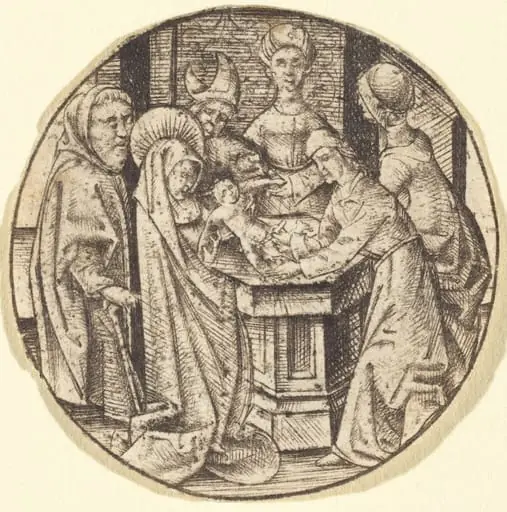
The Circumcision
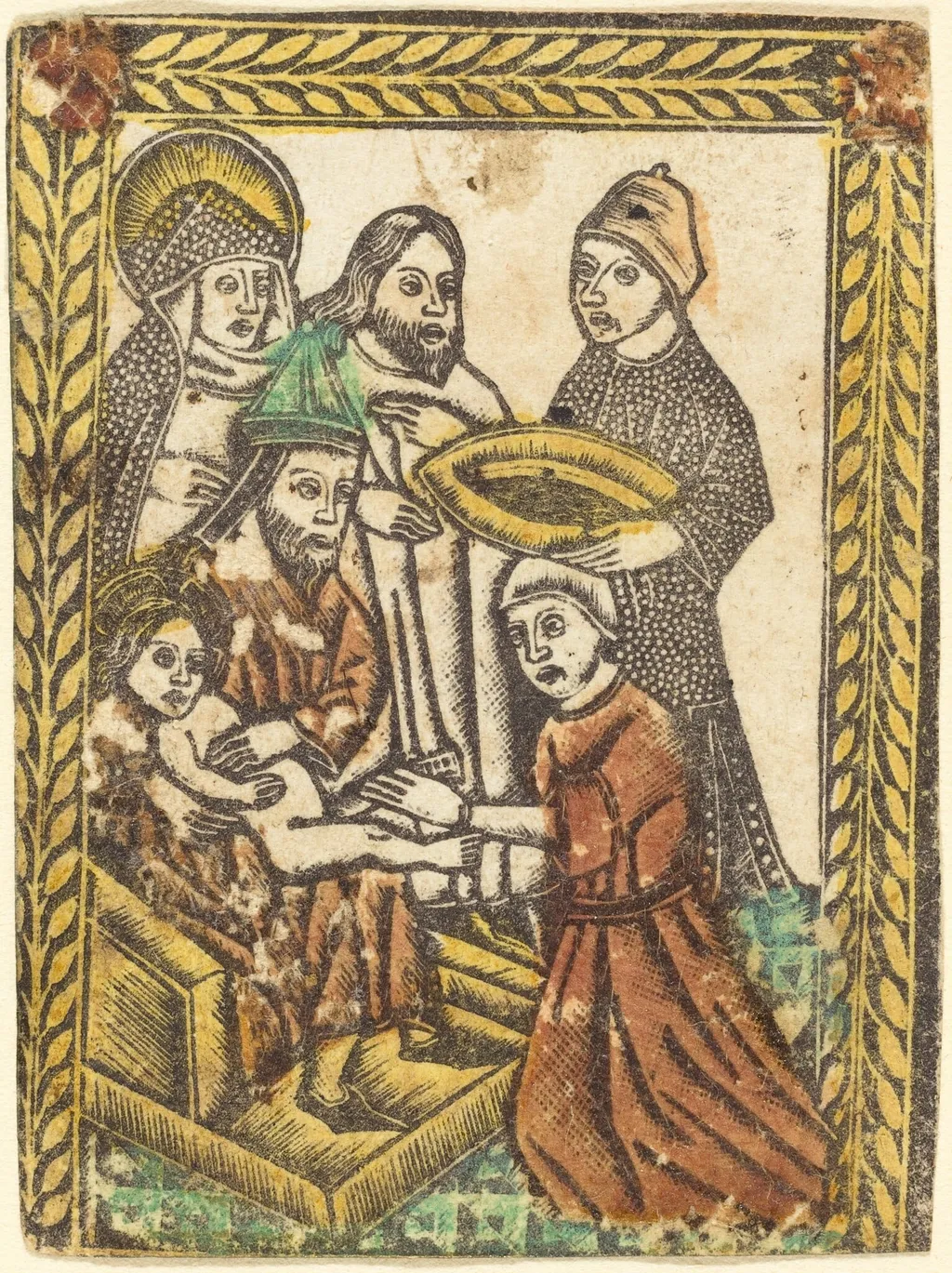
The Circumcision is a paint print by the Renaissance artist German 15th Century. It dates from 1470 and is held in the collection of the National Gallery of Art.
About this work
You can learn more about this style by looking at the work of artist: German 15th Century.
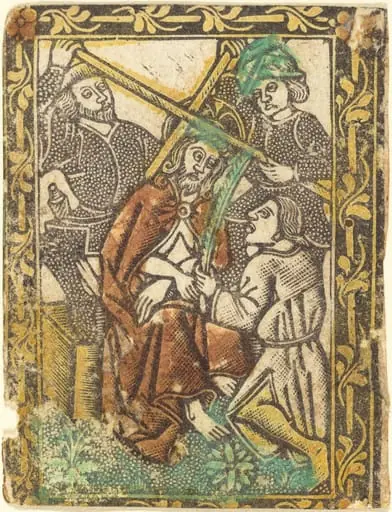
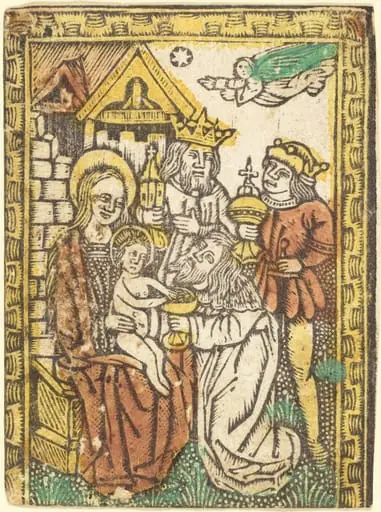
This painting shows a scene of the circumcision of Jesus. It's a small metalcut with hand-colored details. The artist used simple colors like yellow and red-brown to create the scene.
The scene is set in a simple room with a few people. The people are dressed in old-fashioned clothes. This kind of scene was common in art from this time period.
You can learn more about this style by looking at the work of artist: German 15th Century.
Overview
This small metalcut depicts the circumcision of Jesus, a scene drawn from the Gospel of Luke. Executed in the 15th century by a German artist, the print is hand-colored with limited pigments, yellow, red-brown lake, and green, applied over engraved lines. The compact format and restrained palette reflect the modest scale and devotional purpose typical of private religious imagery from the period.
Subject & Meaning
The scene portrays the ritual circumcision of the infant Jesus, performed eight days after birth in accordance with Jewish law. Figures surrounding the child include Joseph, a priest, and other witnesses, all rendered with solemnity. The moment underscores Christ’s entry into the covenant, a theme frequently emphasized in late medieval Christian devotion to affirm Christ’s humanity and fulfillment of scripture.
Technique & Style
The image is produced through metalcut, a relief printing method using engraved metal plates. Lines are crisp and simplified, favoring clarity over detail. Hand-coloring with water-based pigments adds subtle warmth and distinction to garments and architectural elements.
The style is characteristic of German devotional prints of the era, prioritizing legibility and spiritual focus over naturalism.
History & Provenance
Though the artist’s name is unrecorded, the work aligns with regional workshops in southern Germany active in the late 1400s. Such prints were often sold to pilgrims or used in domestic altarpieces. Surviving examples are rare due to their fragile nature; this piece likely passed through private collections before entering institutional care, its origins traced through stylistic comparison with contemporaneous prints.
Context
In 15th-century Germany, religious imagery was widely disseminated through prints, serving both liturgical and personal devotion. Scenes of Christ’s early life, including circumcision, were popular as they humanized the divine and reinforced theological narratives for lay audiences. The modest scale and color scheme suggest use in private prayer rather than public display.
Legacy
This print exemplifies the role of affordable religious imagery in shaping popular piety before the Reformation. While overshadowed by later Renaissance developments, such works preserved medieval iconographic traditions and influenced the visual language of Protestant devotional art. Its survival offers insight into the material culture of everyday faith in late medieval Europe.
Artist & collection

Artist
This 15th-century German artist carved vivid religious scenes into metal and wood, then hand-painted them in bright, symbolic colors.

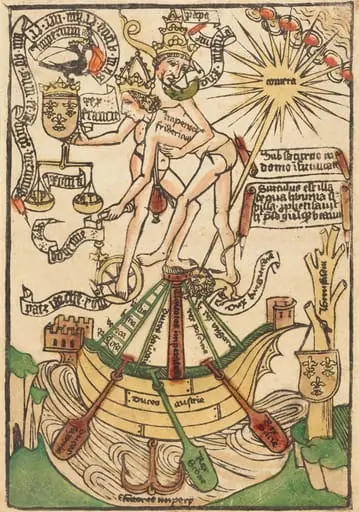 Allegory of the Meeting of Pope Paul II and Emperor Frederick III
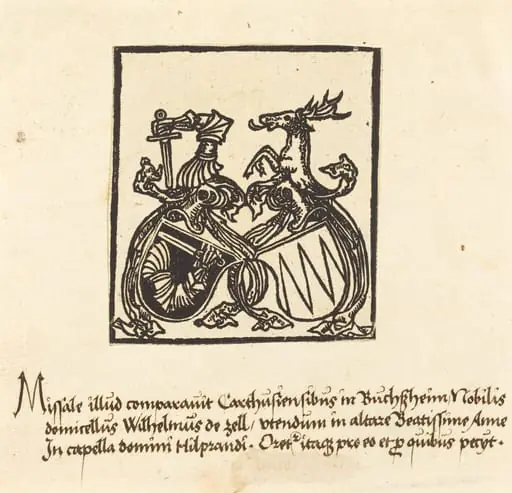 Bookplate of Wilhelm von Zell
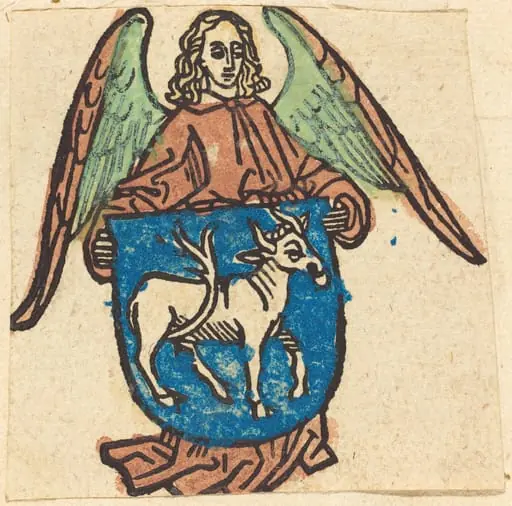 Bookplate of Hilprand Brandenburg of Bibrach
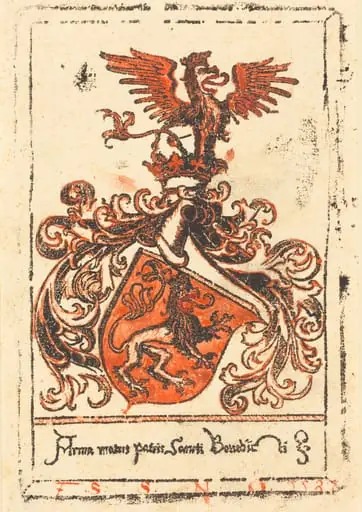 Bookplate of the Abbey of Ottobeuren
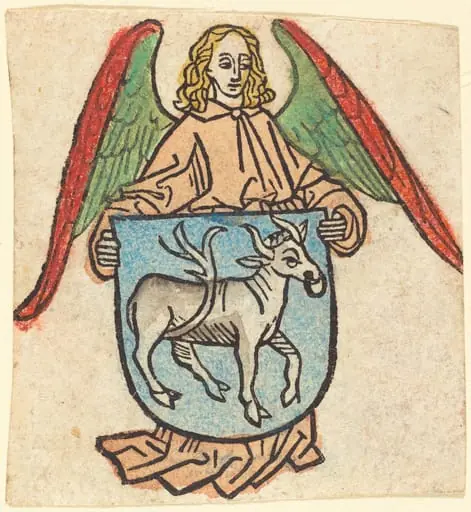 Bookplate of Hilprand Brandenburg of Bibrach
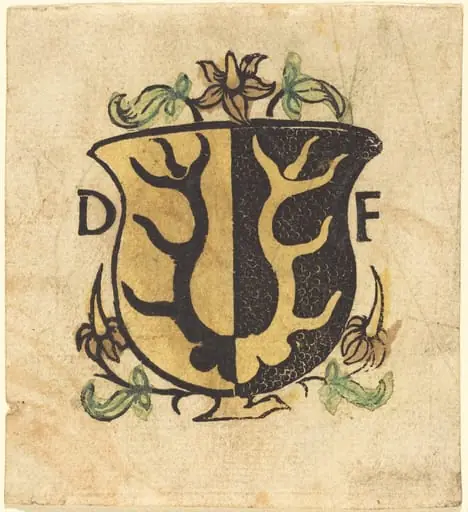 Bookplate of Dominicus Frauenfelder
![Studies for Six Figures (sheet from a model book) [recto], by German 15th Century](https://artifactworldgallery.com/img/german-15th-century--studies-for-six-figures-sheet-from-a-model-book-recto--4837429e0755bc3f-w320.webp) Studies for Six Figures (sheet from a model book) [recto]
Studies for Six Figures (sheet from a model book) [recto]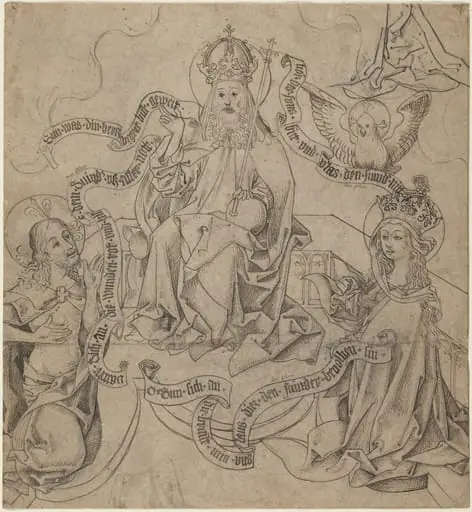 Christ and Mary Interceding with God the Father