Artwork
Natură moartă (Sorcovă)
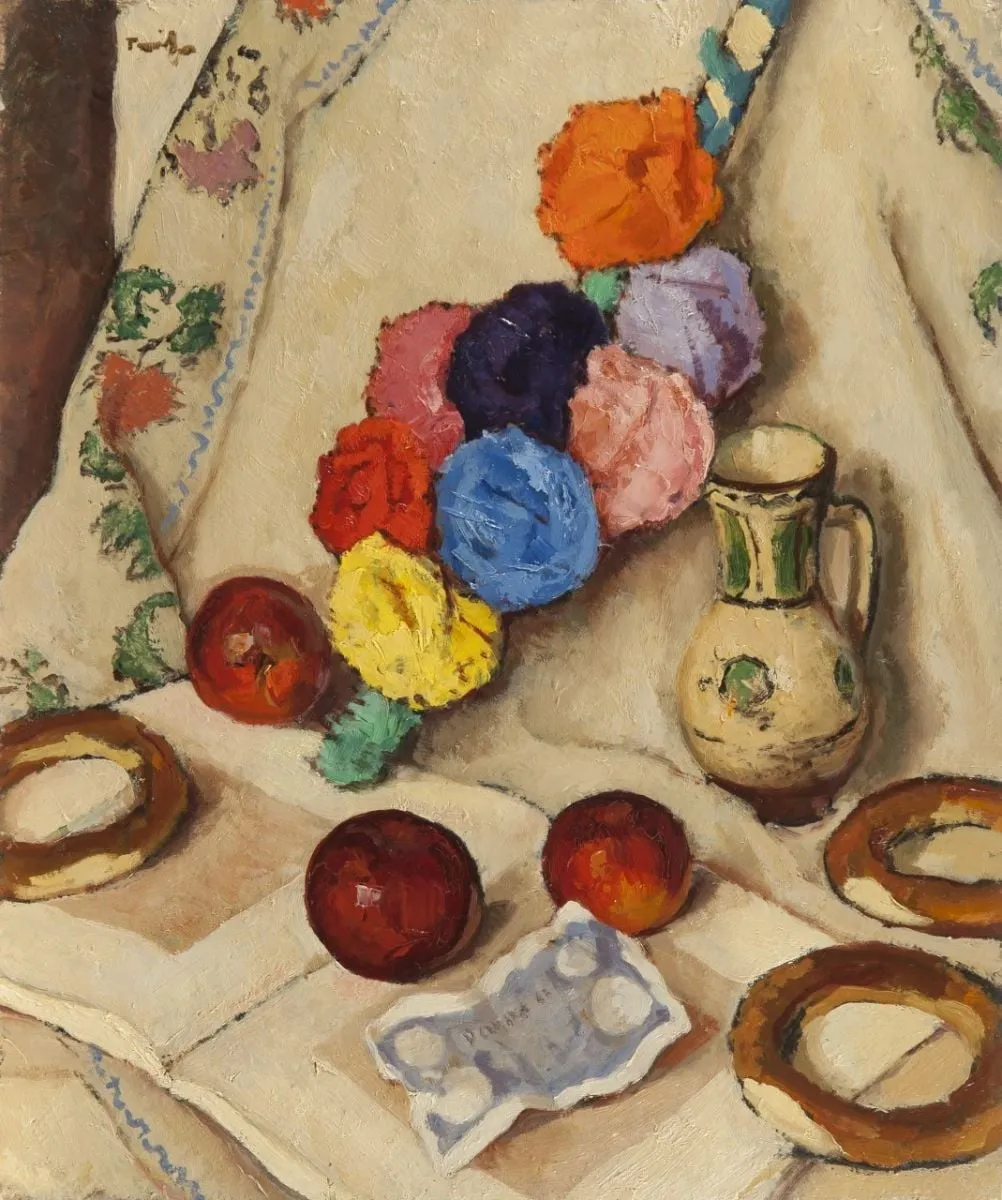
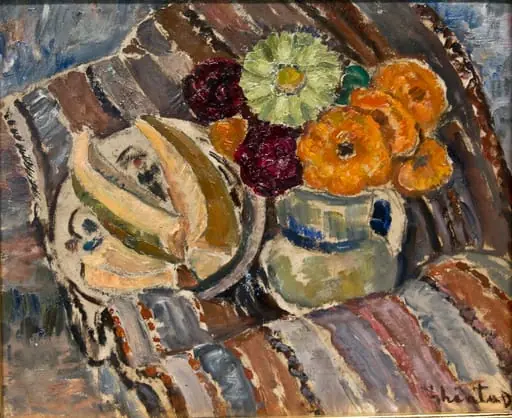
Natură moartă (Sorcovă) is an unspecified painting by Nicolae Tonitza. It dates from 1927 and is held in the collection of the National Museum of Art of Romania.
About this work
Overview
The composition centers on a ceramic vase, assorted fruit, and a folded scrap of paper bearing handwritten text, all arranged on a neutral surface.
Nicolae Tonitza painted Natură moartă (Sorcovă) in 1927, a quiet still life that captures ordinary domestic objects with restrained precision. The composition centers on a ceramic vase, assorted fruit, and a folded scrap of paper bearing handwritten text, all arranged on a neutral surface. The warm beige background recedes gently, focusing attention on the tactile presence of the items without theatricality or embellishment.
Subject & Meaning
The objects—fruit, vessel, and inscribed paper—suggest a moment of pause in daily life. The handwritten fragment implies personal or domestic correspondence, hinting at unseen narratives. Together, they form a meditation on transience and quiet routine, avoiding symbolism in favor of unadorned presence. The stillness of the scene invites contemplation rather than interpretation.
Technique & Style
Tonitza rendered each surface with careful attention to materiality: the vase’s smooth glaze contrasts with the uneven skin of the fruit and the soft creases of the paper. Brushwork is deliberate but unobtrusive, avoiding overt brushstroke expression. Color remains muted, with subtle tonal shifts defining form. The realism is precise without being photographic, emphasizing texture over narrative drama.
History & Provenance
The painting was completed during Tonitza’s mature period, when he increasingly turned to intimate subjects after earlier engagement with social themes. It remained in Romanian collections following its creation, reflecting the artist’s domestic focus during the interwar years. No public exhibition record from the time is widely documented, but its preservation suggests recognition within national artistic circles.
Context
In late 1920s Romania, still life painting offered artists a space to explore form and material away from political or nationalistic themes. Tonitza’s work aligned with a broader European trend toward introspective realism, influenced by post-impressionist sensitivity and local folk aesthetics. His choice of humble objects reflected a cultural shift toward valuing the quiet dignity of everyday life.
Legacy
Natură moartă (Sorcovă) exemplifies Tonitza’s later style—calm, attentive, and emotionally understated. It stands as a quiet counterpoint to the more expressive or ideological works of his contemporaries. While not widely reproduced, it remains a touchstone in Romanian modernist painting for its restraint and sensitivity to ordinary beauty.
Artist & collection
Artist
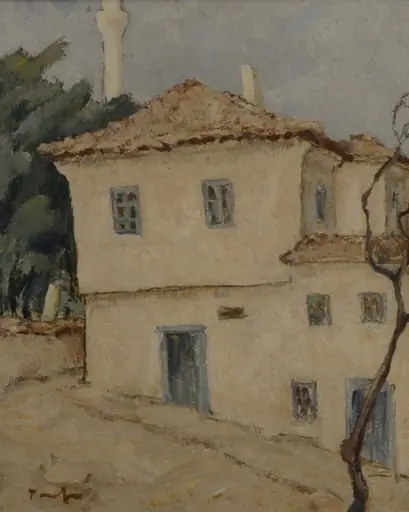
Nicolae Tonitza painted quiet still lifes and village scenes, often showing colorful vegetables on a table or blooming flowers in simple pots.

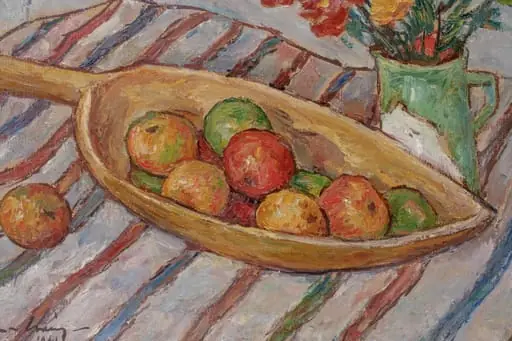 Natură moartă cu mere și flori
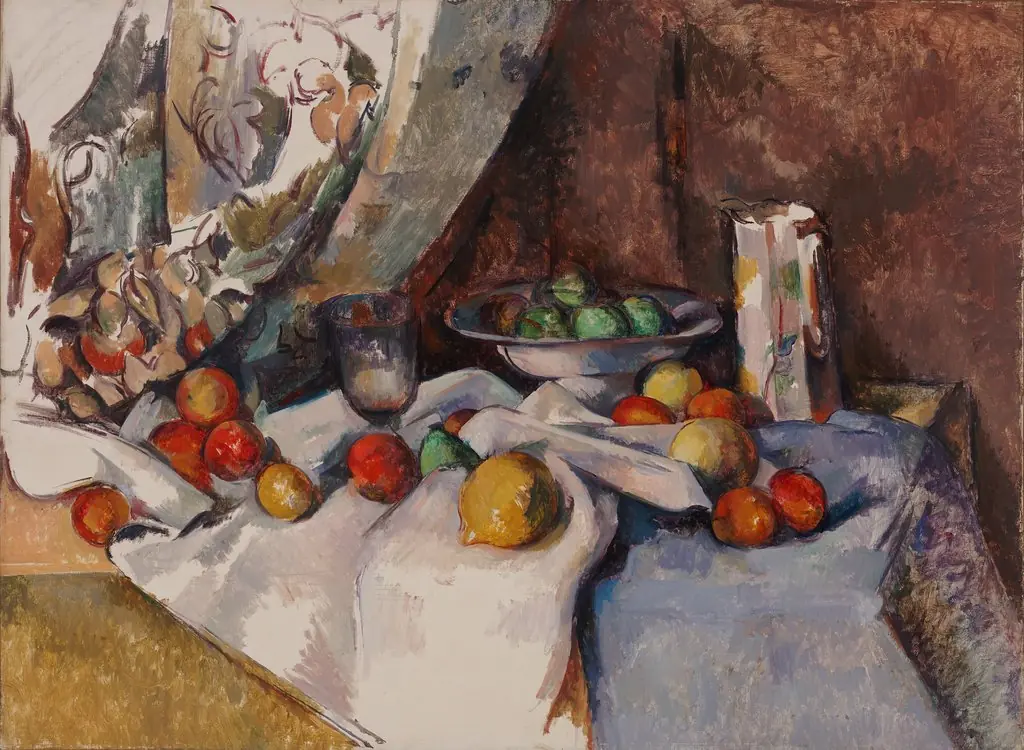 Still Life with Apples
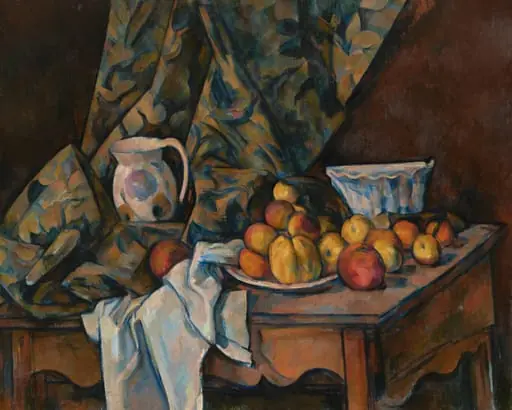 Still Life with Apples and Peaches
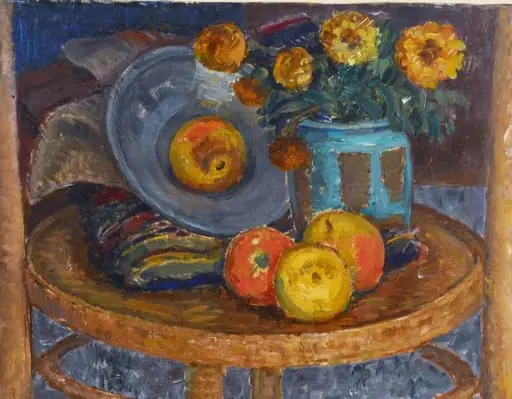 Natură statică (Masă rotundă cu fructe și flori)
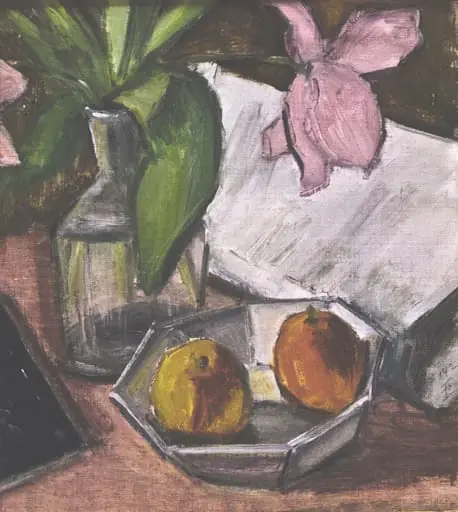 Flori cu portocale
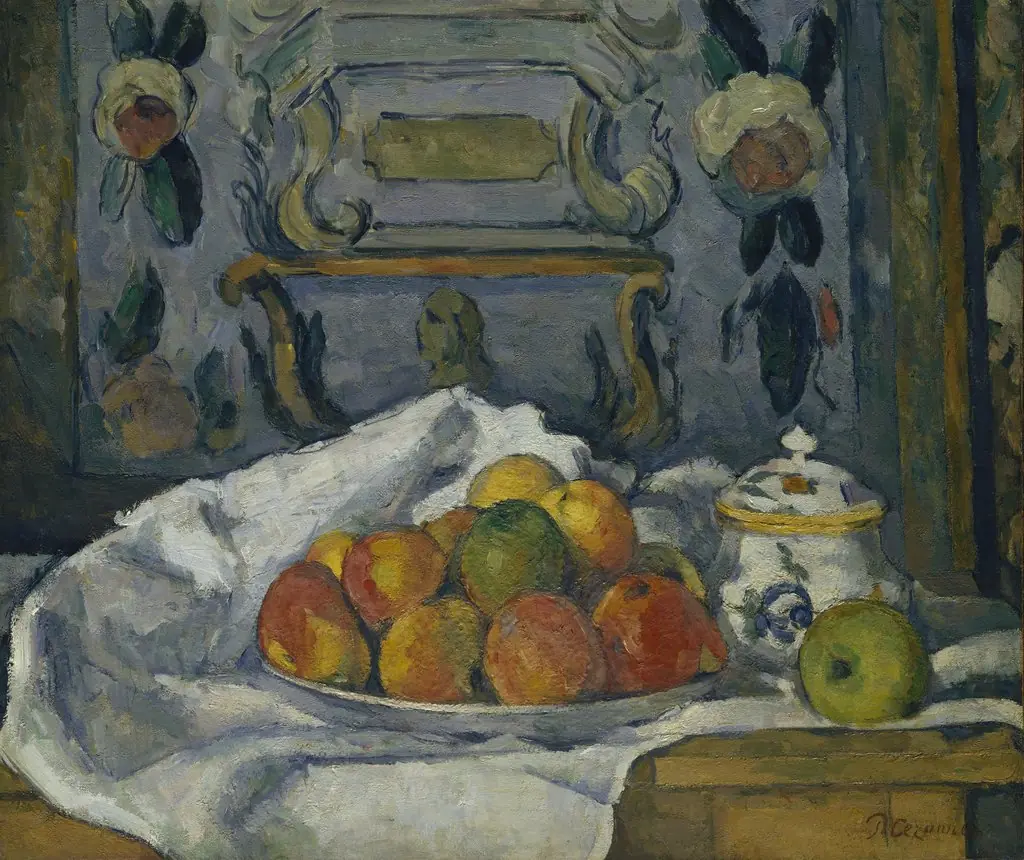 Dish of Apples
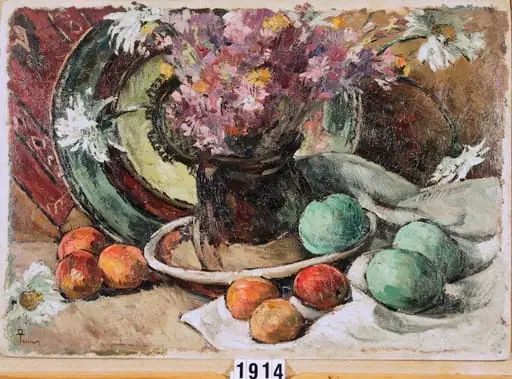 Natură moartă
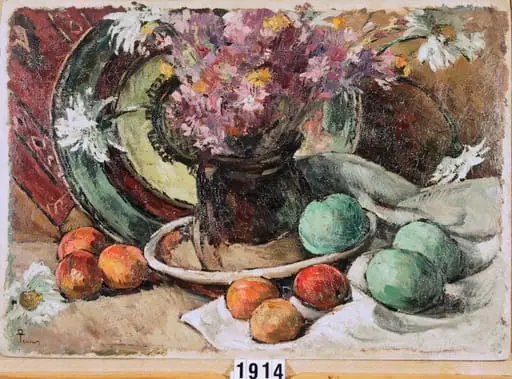 Natură moartă
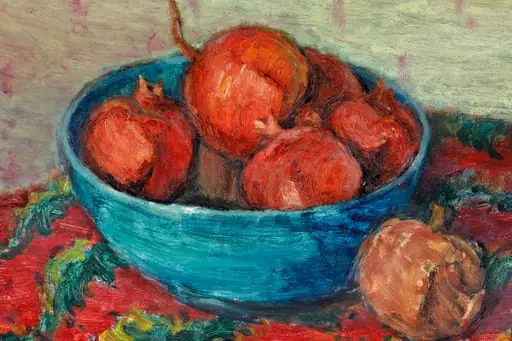 Natură statică cu rodii
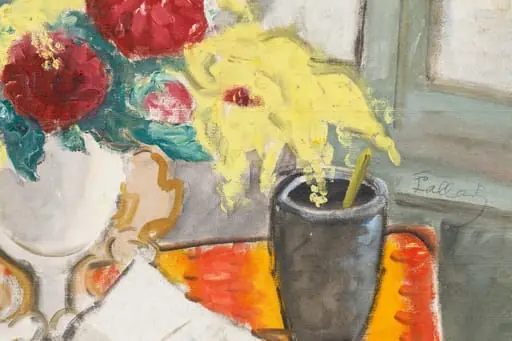 Natură moartă cu carte și flori
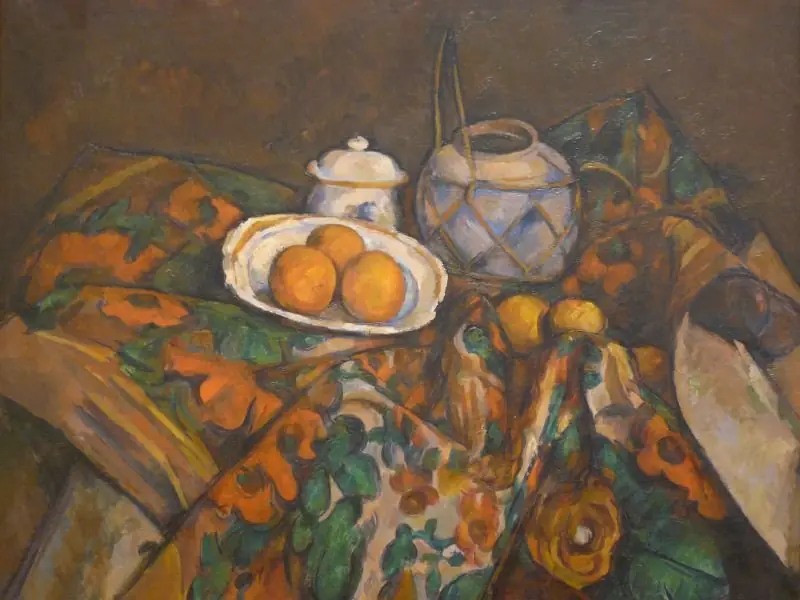 Still Life with Ginger Jar Sugar Bowl and Oranges
 Natură statică cu flori și pepene galben