Art Museum
National Museum of Art of Romania

Image: Wikimedia Commons.
National Museum of Art of Romania is an art museum in Bucharest, Romania. 2,727 works from its collection are in this catalog, including Lorenzo Lotto and Gustave Courbet.
About National Museum of Art of Romania
The National Museum of Art of Romania (Romanian: Muzeul Național de Artă al României) is located in the Royal Palace in Revolution Square, central Bucharest. It features collections of medieval and modern Romanian art, as well as the international collection assembled by the Romanian royal family.
The exhibition "Shadows and Light" ran from 15 July to 2 October 2005. With four centuries of French art, it was the largest exhibition of French painting in Central and Eastern Europe since 1945. 77 works were exhibited, including masterpieces by painters such as Poussin, Chardin, Ingres, David, Delacroix, Corot, Cézanne, Matisse, Picasso, and Braque.
Overview
The National Museum of Art of Romania (Muzeul Național de Artă al României) is the country's principal institution for the preservation and display of national and European artistic patrimony. Established in 1948, it is housed in the former Royal Palace located in Revolution Square (Piața Revoluției) in central Bucharest. The museum holds a vast collection of over 100,000 works, encompassing Romanian medieval and modern art alongside European masterpieces ranging from the Renaissance to the 19th century.
It operates under the Ministry of Culture and serves as a major cultural landmark, bridging local artistic traditions with broader continental influences.
History & Founding
The museum's origins trace back to the systematic acquisitions of the Romanian royal family, beginning with King Carol I (reigned 1866–1914), who initiated purchases of European Old Master paintings in the 1860s with the assistance of Prussian dealer Felix Bamberg. Following Carol I's 1914 will, the collection was bequeathed to the Crown. The formal institution was initially established in 1946 as the 'King Carol I' National Museum of Art.
After the forced abdication of King Michael I in December 1947, the communist regime nationalized the Royal Palace in June 1948, consolidating state-controlled art holdings and formally establishing the National Museum of Art of Romania to centralize these collections.
Building & Architecture
The museum occupies the former Royal Palace, a structure with a complex architectural history. Originally a boyar residence adapted into a princely seat by 1837, the building was significantly expanded under King Carol I between 1882 and 1906 by architects Paul Gottereau and Karel Liman. Following a fire in 1926, the palace underwent reconstructions under King Carol II, which incorporated dedicated exhibition spaces by 1937.
The building's grand halls and corridors, which once served as the residence of Romania's monarchy, now house the galleries, reflecting the opulence of the royal past while accommodating the museum's extensive collections.
Collection Highlights
The museum's holdings are organized into the National Gallery and the European Art Gallery. The National Gallery features Romanian medieval art, including icons and frescoes, and modern art by masters such as Theodor Aman, Nicolae Grigorescu, Ștefan Luchian, and Constantin Brâncuși. The European Art Gallery displays works by renowned artists including Pieter Paul Rubens, El Greco, Lucas Cranach the Elder, and Claude Monet.
Beyond paintings and sculpture, the museum holds significant collections of decorative arts, including furniture, ceramics, and silverware, reflecting the social and cultural history of Romania's royal and noble families. The institution also operates satellite museums, including the Zambaccian Museum and the Theodor Pallady Museum.
Significance & Legacy
The National Museum of Art of Romania plays an essential role in the preservation and promotion of the national artistic heritage, acting as a vibrant center of cultural life in Bucharest. Its significance lies in its stewardship of a patrimony that was nationalized amid post-World War II political shifts, providing public access to artifacts that reflect Romania's cultural identity. The museum serves as a venue for cultural exchange, hosting temporary exhibitions and educational events to stimulate intercultural dialogue.
It ensures the legacy of Romanian art continues to evolve while maintaining the integrity of its collection through specialized conservation efforts in its restoration atelier.
What to see at National Museum of Art of Romania
Start with Natură moartă cu carte și flori by Theodor Pallady.
See all highlights at National Museum of Art of Romania →National Museum of Art of Romania by the numbers
- Founded
- 1948
- Collection
- 70,000 objects
Works from National Museum of Art of Romania
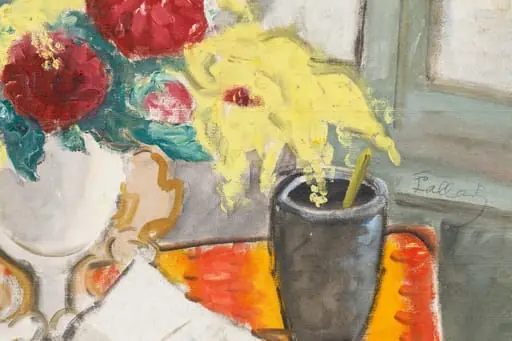 Natură moartă cu carte și flori
 Peisaj - iarna
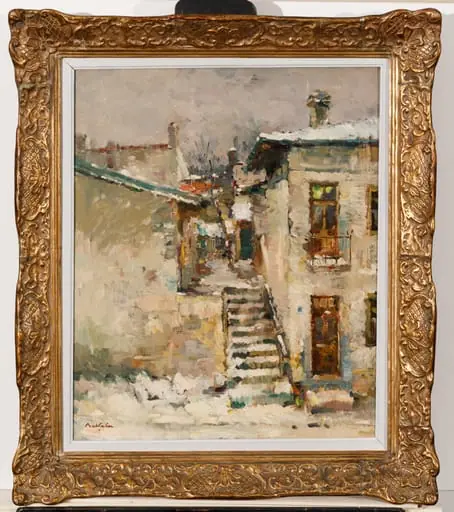 Iarna – Peisaj
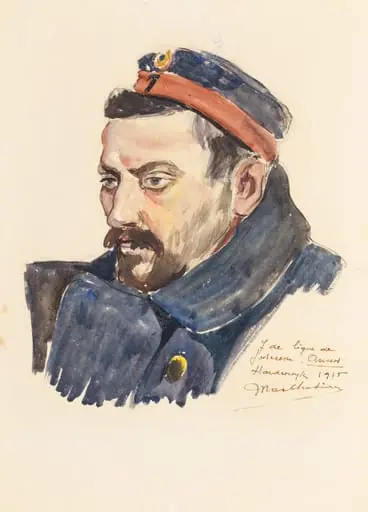 Soldat
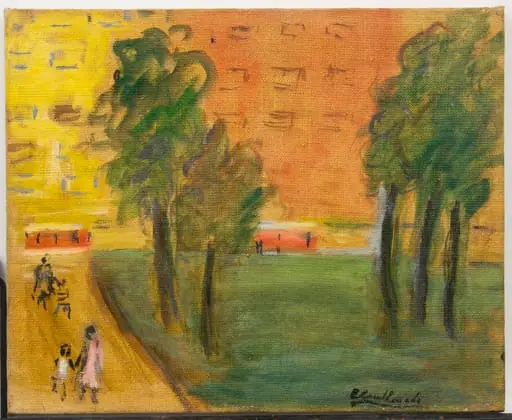 Vedere din Cișmigiu
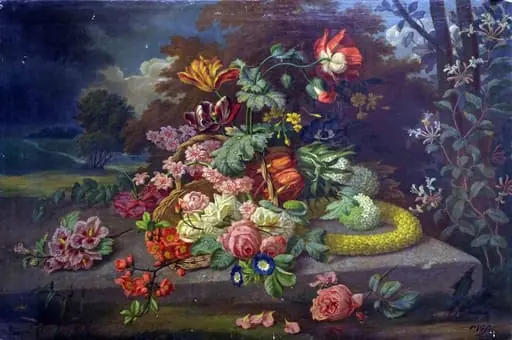 Buchet de flori
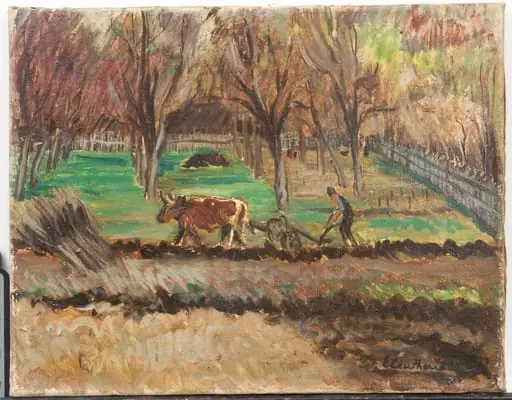 La arat
 Schiță (Târg)
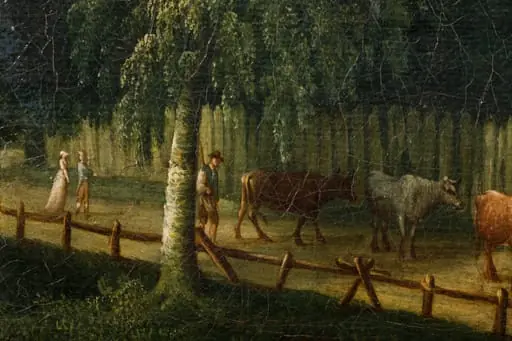 Întoarcerea de la pășune
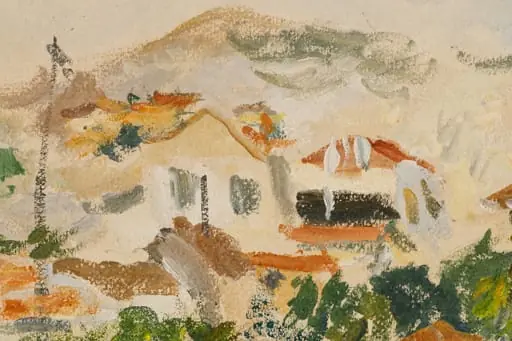 Peisaj. Balcic
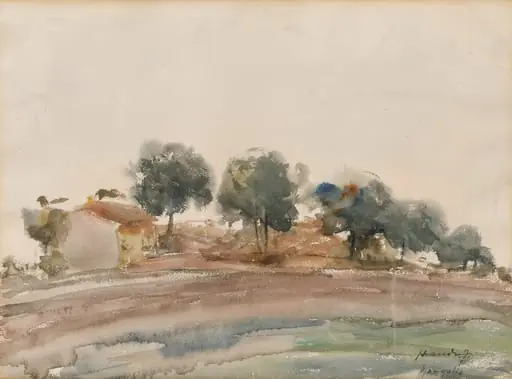 Deal cu pomi
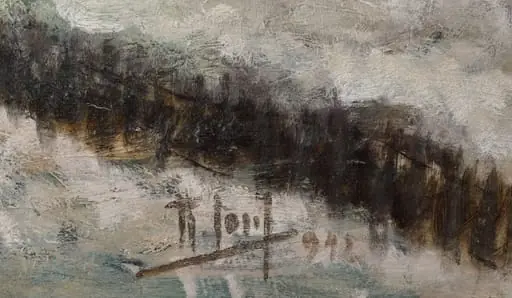 Peisaj urban - iarna
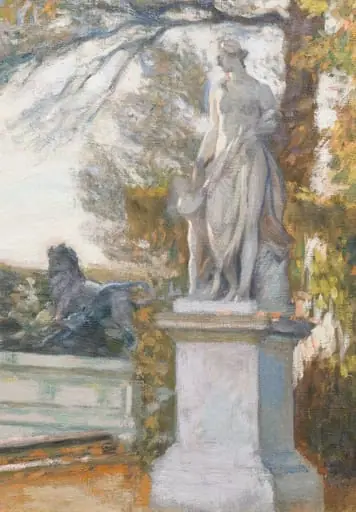 Parc din Luxemburg
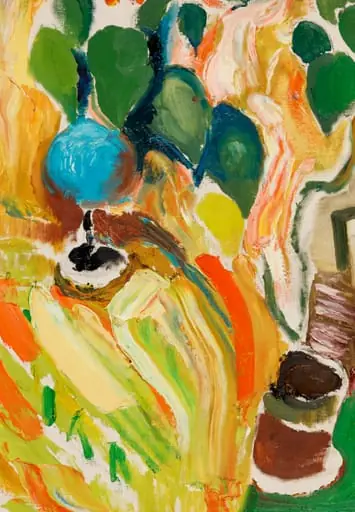 Natură statică
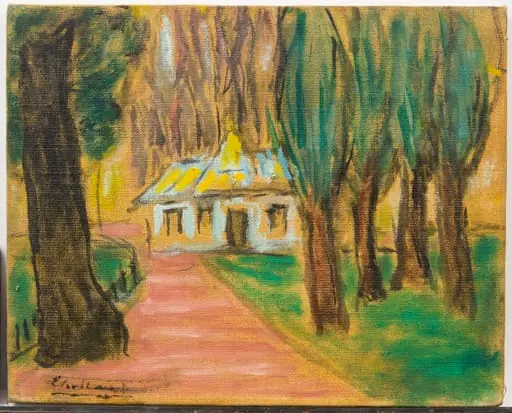 Peisaj din Cișmigiu
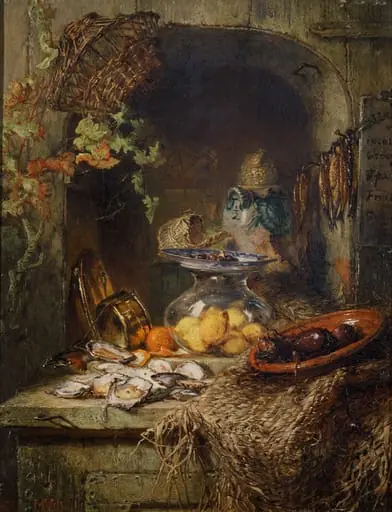 Natură statică
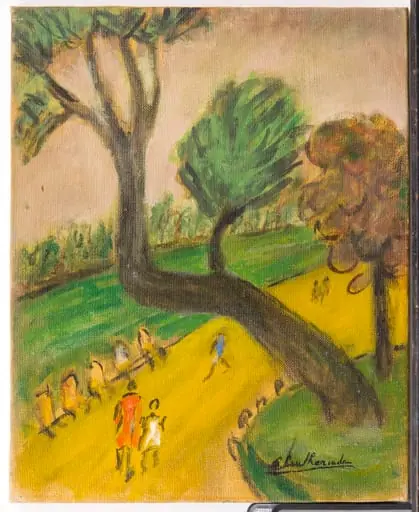 Plimbare în Cișmigiu
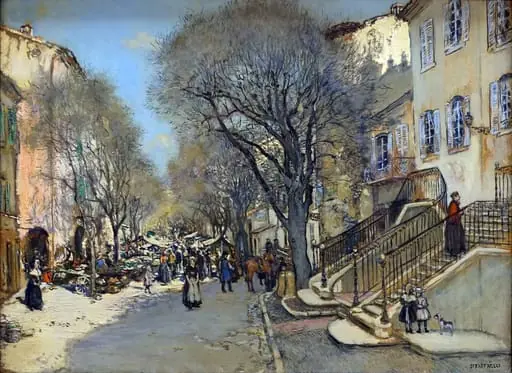 Târgul din Antibes
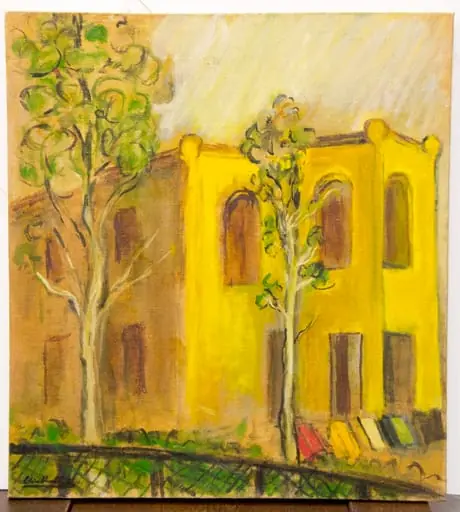 Vedere spre strada Luterană
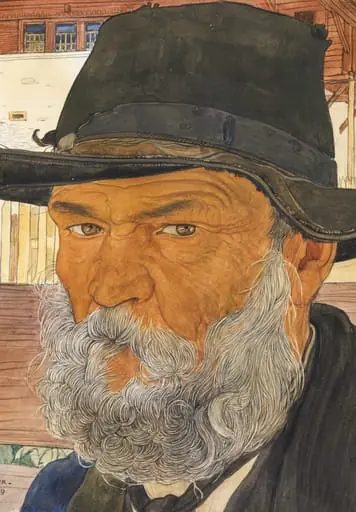 Țăran la Valais
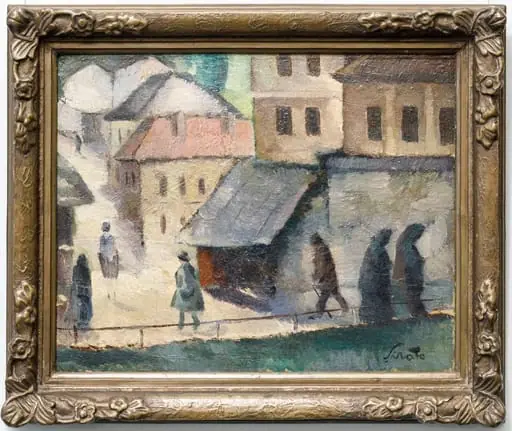 Stradă
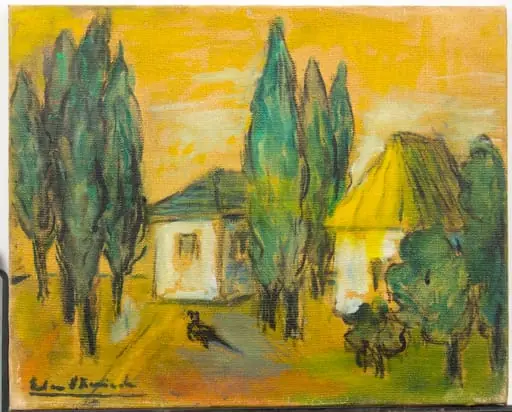 Vedere din Muzeul Satului
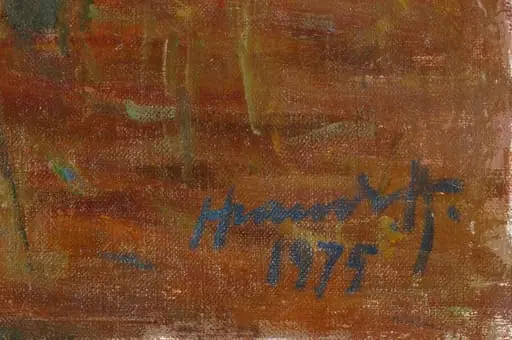 Peisaj de toamnă
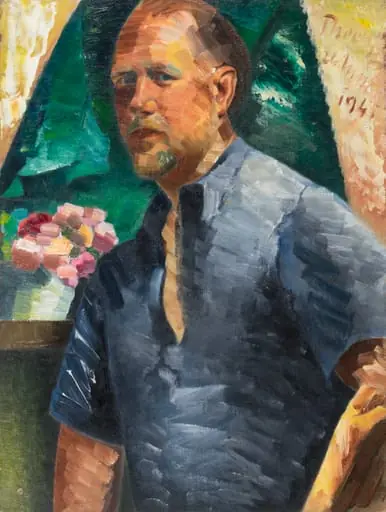 AUTOPORTRET
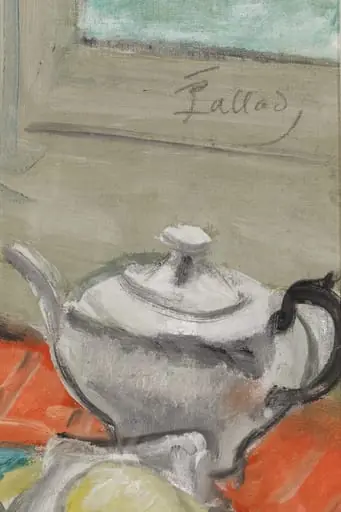 Natură moartă cu revista „Gândirea”
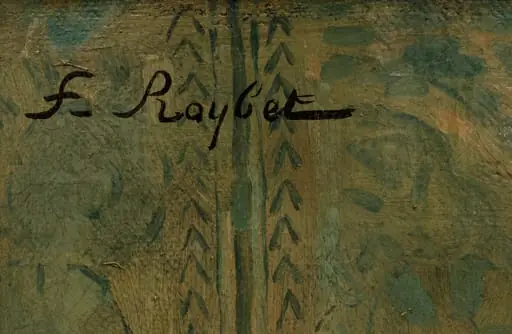 Senegalez
 COPAC SECULAR ÎN CIȘMIGIU
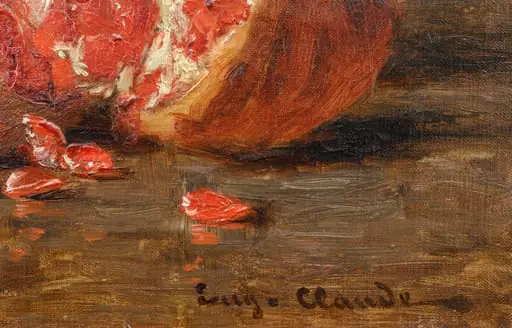 Natură statică
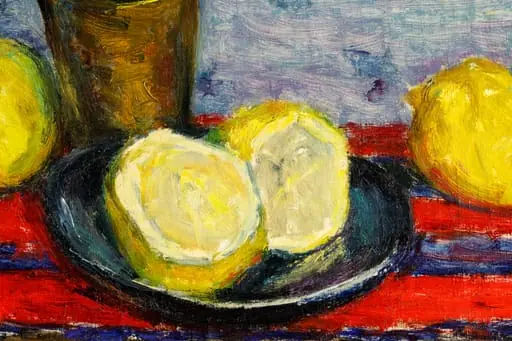 Natură moartă cu lămâi
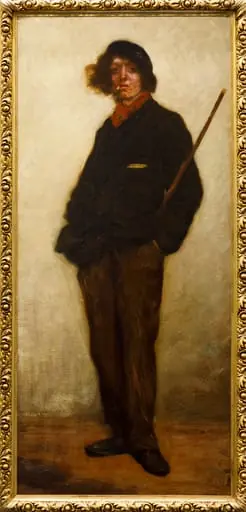 Ștrengarul
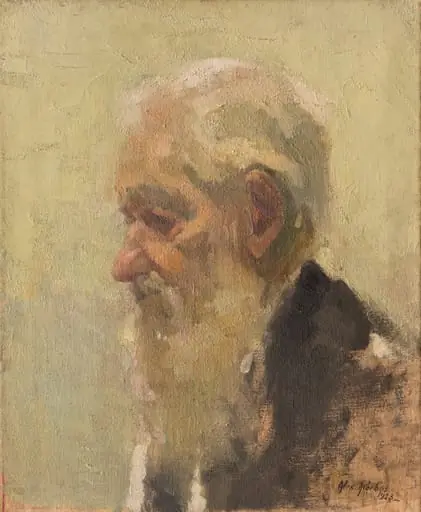 CAP DE BĂTRÂN
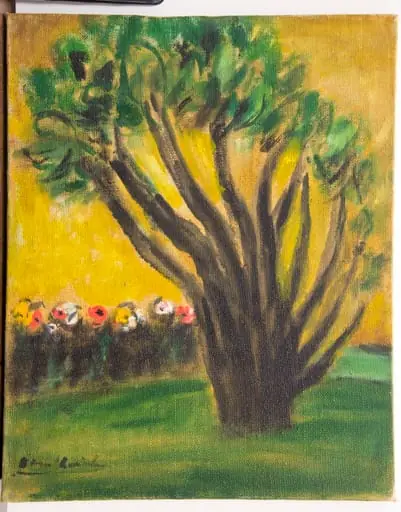 Copac secular din Cișmigiu
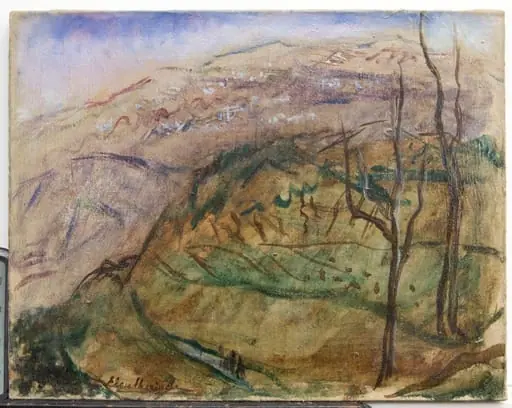 Vilele de vară de la Alma - Ata
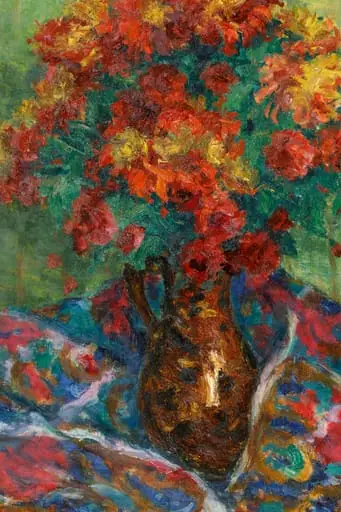 Crizanteme
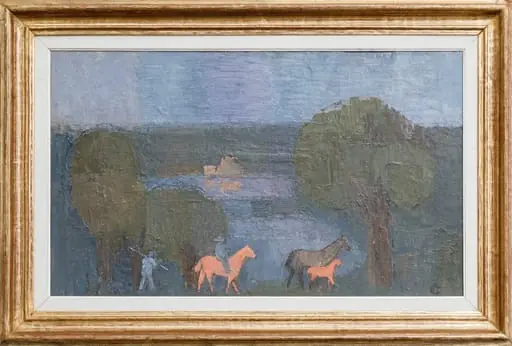 Peisaj cu cai
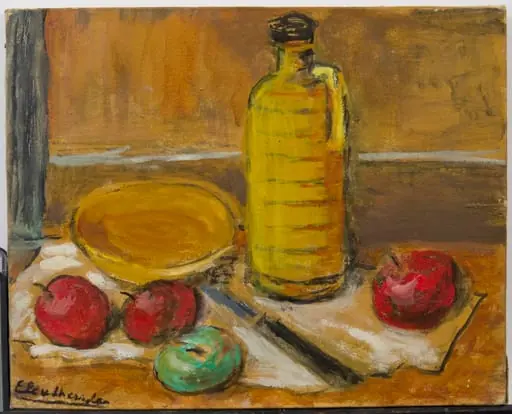 Natură statică cu mere
Plan your visit
National Museum of Art of Romania
- Website
- mnar.ro


