Artwork
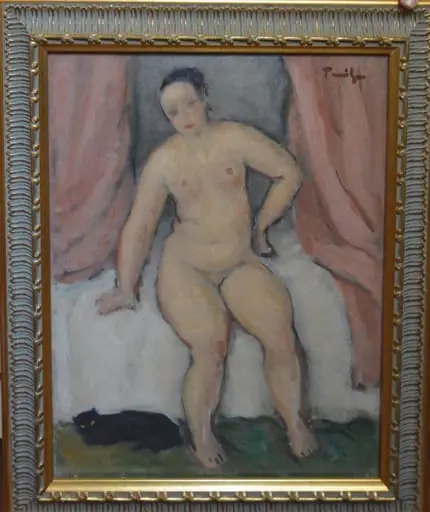
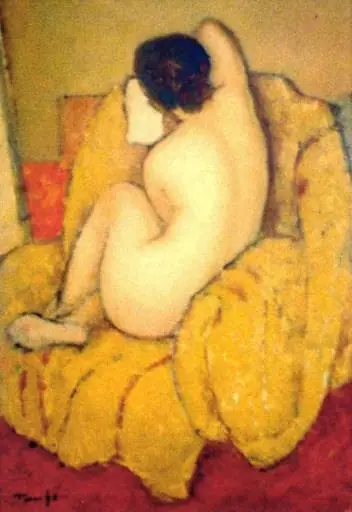
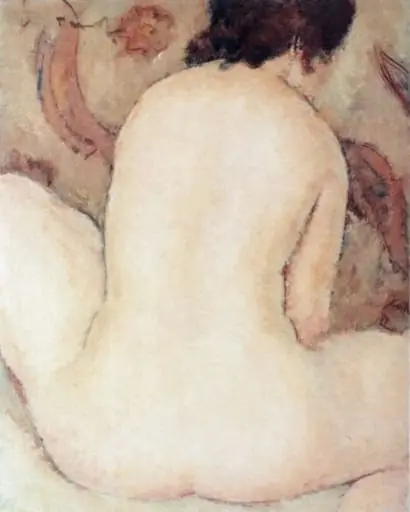
Nud pe canapea văzut din spate
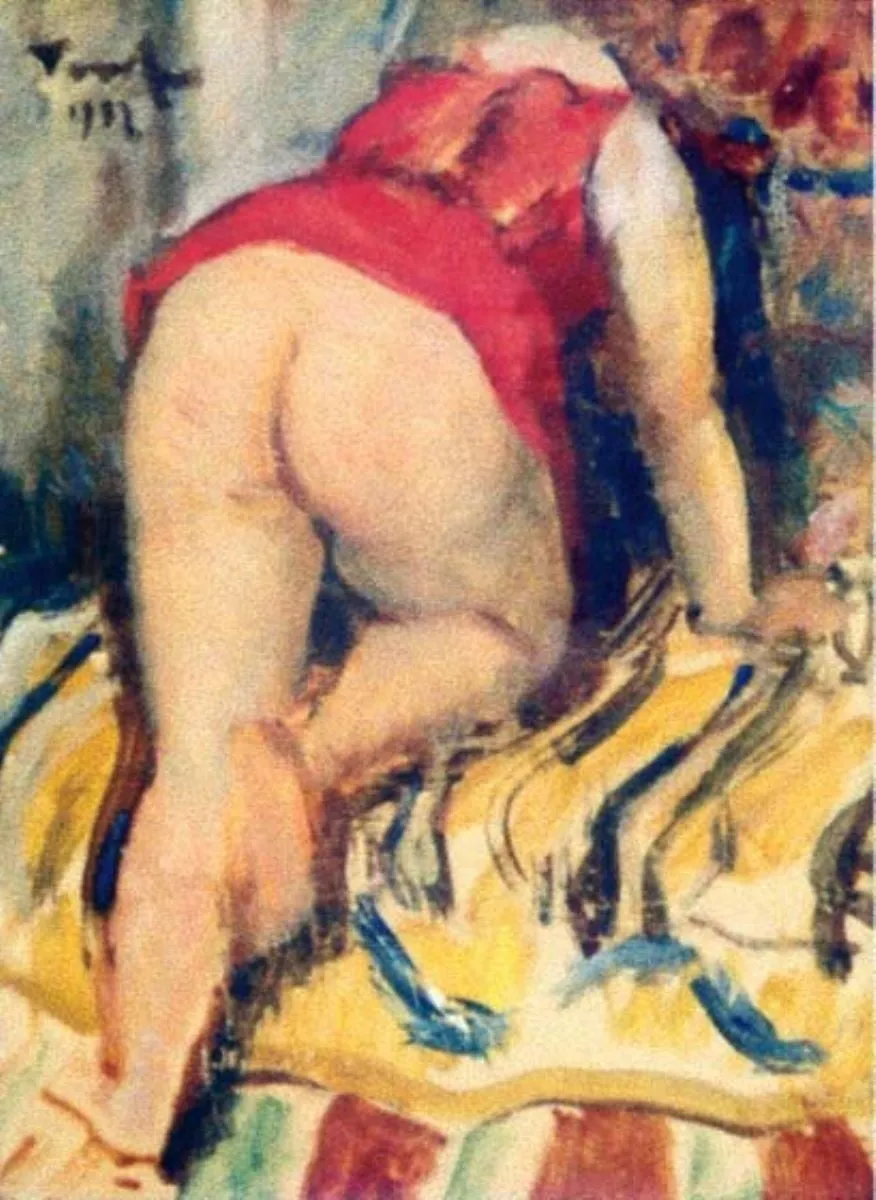
Nud pe canapea văzut din spate is an unspecified painting by Nicolae Tonitza. It dates from 1932 and is held in the collection of the Art Museum of Constanta.
About this work
Overview
Painted in 1932 by Romanian artist Nicolae Tonitza, this work depicts a reclining figure viewed from behind, resting on a couch. Rendered in oil, the composition captures a private, unguarded moment. The painting is part of the collection at the Museum of Ethnography in Bucharest, where it stands as an example of Tonitza’s intimate portrayal of domestic life during the interwar period.
Subject & Meaning
The figure, anonymous and undressed except for a red blanket covering the lower body, conveys quiet solitude. Viewed from behind, the subject’s identity remains elusive, emphasizing vulnerability over spectacle. The setting—a cluttered interior—suggests an unposed, everyday scene. Tonitza avoids idealization, instead presenting the human form within the ordinary rhythms of home life.
Technique & Style
Colors are muted yet deliberate: the warm red blanket contrasts with the yellowish fabric of the couch and the muted tones of the background.
Tonitza employed loose, expressive brushwork, leaving visible strokes and textured surfaces. Colors are muted yet deliberate: the warm red blanket contrasts with the yellowish fabric of the couch and the muted tones of the background. The lack of refined detail and the sketch-like quality suggest spontaneity, aligning with modernist tendencies to prioritize emotional resonance over polished finish.
History & Provenance
The painting was completed in 1932 and entered the Museum of Ethnography’s collection shortly thereafter. It has remained in institutional custody since, with no documented private ownership. Its inclusion in a museum focused on cultural artifacts reflects its value as a record of Romanian domestic life rather than as a conventional portrait.
Context
In early 20th-century Romania, artists like Tonitza turned away from academic traditions to depict ordinary people and interiors with psychological depth. This work aligns with a broader regional interest in intimate, unidealized scenes. Tonitza’s approach echoes contemporaries who valued authenticity over grandeur, capturing the quiet dignity of everyday moments.
Legacy
The painting contributes to the understanding of Romanian modernism’s focus on the personal and the mundane. While not widely exhibited, it remains a reference point for studies of Tonitza’s later work and the evolution of figurative painting in interwar Romania. Its unembellished style continues to inform interpretations of domestic subject matter in national art history.
Artist & collection
Artist
Nicolae Tonitza painted quiet still lifes and village scenes, often showing colorful vegetables on a table or blooming flowers in simple pots.