Artwork
Frosty Day
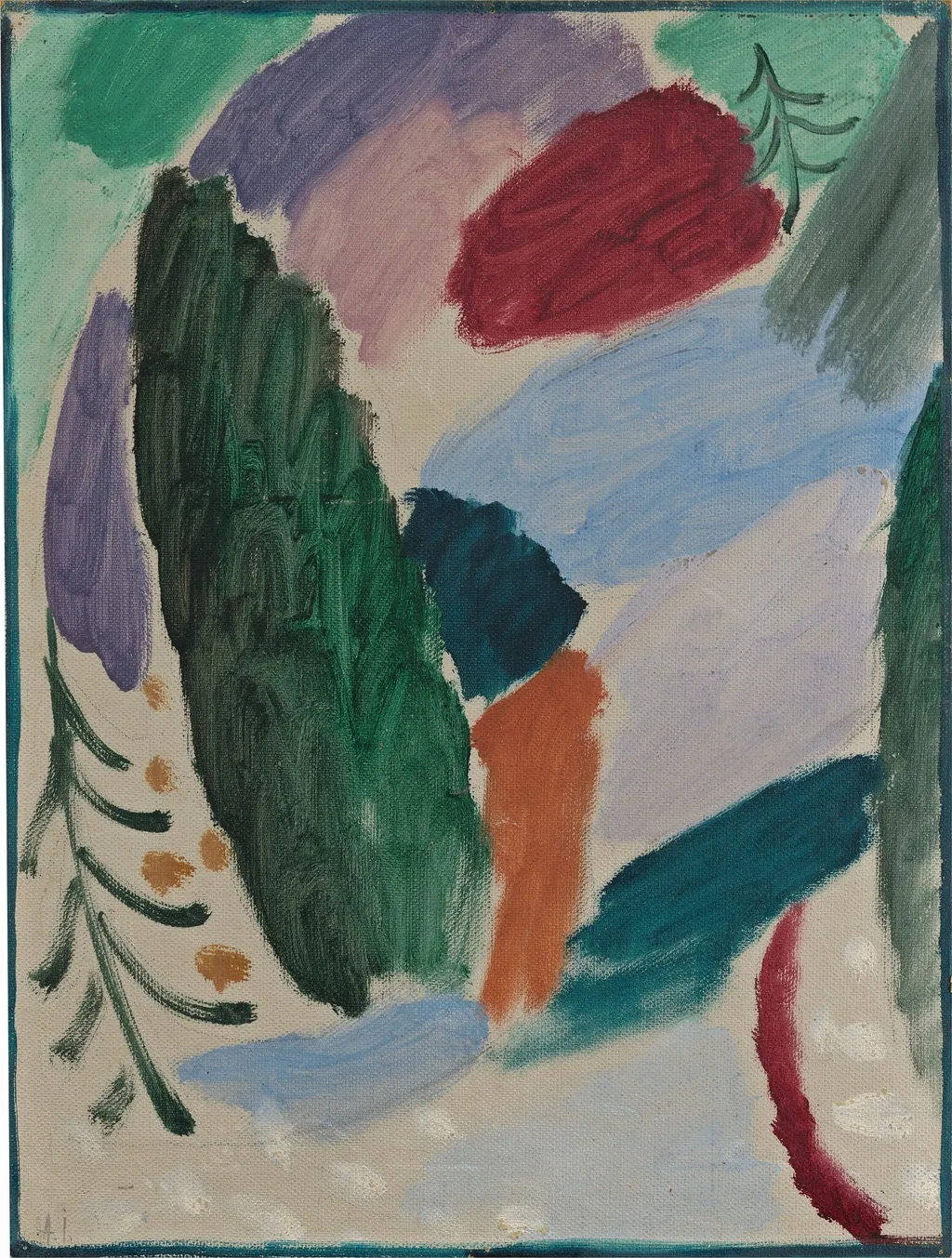
Frosty Day is an oil painting by Alexej von Jawlensky. It dates from 1915 and is held in the collection of the National Gallery of Art.
- Inscription
- Inscribed:lower left: A.J.; upper right reverse: A. Jawlensky / 1915 / No 1.; center reverse, all by Emmy Galka Scheyer: Frosttag / "Frosty day" / made in Germany
About this work
Subject & Meaning
The subject reflects the artist's interest in capturing emotional resonance through simplified forms and muted tones, embodying a contemplative mood.
The painting depicts a winter scene characterized by a frosty atmosphere, suggesting a quiet, still day marked by cold stillness. The subject reflects the artist's interest in capturing emotional resonance through simplified forms and muted tones, embodying a contemplative mood. Symbolically, the work conveys a sense of isolation and tranquility, aligning with broader themes in Jawlensky's later oeuvre where nature is rendered with psychological depth rather than literal detail.
This interpretation is rooted in the painting's visual language and its placement within the artist's evolving exploration of landscape as a vehicle for introspection.
Technique & Style
Executed in oil on a prepared canvas board, the work employs a compact handling typical of Jawlensky’s 1914–1915 landscapes, with visible brushwork used to articulate a snow-laden road, bare trees, and a pale winter sky. The palette is subdued, dominated by muted greens, ochres, and whites, with touches of rose and blue modulating the chilly atmosphere. The composition compresses space into a shallow, planar arrangement, emphasizing the rhythmic repetition of leafless branches and the winding path that anchors the scene.
The canvas board support measures 26.7 cm in height by 35.6 cm in width, consistent with the small-scale boards Jawlensky favored for portable studies during this period.
History & Provenance
Created in 1915, Frosty Day was likely consigned to Emmy Scheyer (later known as Galka E. Scheyer) in Hollywood around 1924, based on information from the artist's family catalogue raisonné. The work probably returned to Alexej von Jawlensky in 1928 before being consigned again to Scheyer in 1933. Following a compulsory sale by the U.S. Department of Justice's Office of Alien Property in Los Angeles in 1954, where it was listed as lot 8, number 54, the painting entered the Paul Kantor Gallery.
It subsequently passed through the Kleemann Galleries in New York, evidenced by a label on the reverse, before entering the collection of Benjamin and Lilian Hertzberg. The Hertzbergs held the work until their bequest transferred ownership to the National Gallery of Art in 2004.
Alexej von Jawlensky's Frosty Day (1915) is held in the collection of the National Gallery of Art in Washington, D.C., where it was accessioned in 2004 following a bequest from Benjamin and Lilian Hertzberg. The work's provenance traces back to its consignment to Emmy Scheyer (later Galka E. Scheyer) around 1924, a period during which it was likely returned to the artist before being consigned again in 1933. In 1954, the painting was sold as part of a compulsory sale by the U.S. Department of Justice, Office of Alien Property in Los Angeles, identified as lot 8, number 54.
Subsequent ownership included the Paul Kantor Gallery in Los Angeles and Kleemann Galleries in New York before reaching the Hertzberg collection.
Legacy
The painting Frosty Day (1915) by Alexej von Jawlensky entered a significant institutional provenance path, moving from consignment to Emmy Scheyer in 1924 through subsequent transfers including a compulsory sale by the U.S. Department of Justice in 1954 before its acquisition by the National Gallery of Art in 2004 via bequest from Benjamin and Lilian Hertzberg. Its legacy is anchored by inclusion in major Jawlensky scholarship, specifically cited in Maria Jawlensky, Lucia Pieroni-Jawlensky, and Angelica Jawlensky's 1992 Catalogue Raisonné as work no. 664, and it remains part of the National Gallery of Art's permanent collection in Washington, D.C.
Overview
Frosty Day is an oil painting on canvas board executed by Alexej von Jawlensky in 1915. The work presents a stark winter landscape rendered in a limited palette, with a solitary, leaf‑less tree on the left, a pale sky, and a snow‑covered ground. A vivid red form hovers above the scene, providing a contrasting focal point.
Context
Created during the tumult of World War I, the painting reflects the artist’s turn toward more abstracted, emotionally charged landscapes. While retaining recognizable elements, Jawlensky reduces forms to essential shapes and colors, aligning the work with early modernist tendencies that favored personal expression over detailed naturalism.
Artist & collection
Artist
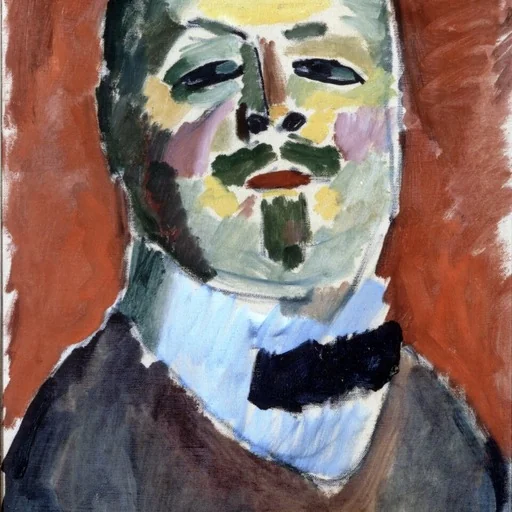
Alexej Georgewitsch von Jawlensky (Russian: Алексе́й Гео́ргиевич Явле́нский, romanized: Alekséy Geórgiyevich Yavlénskiy; 13 March 1864 – 15 March 1941), surname also spelt as Yavlensky, was a Russian expressionist painter active in Germany.

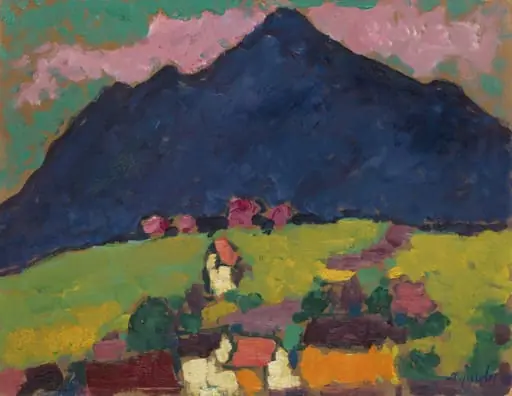
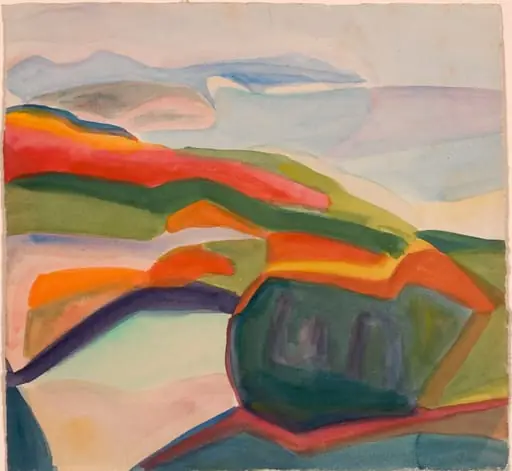 Ο «Χωρικός Ρεαλισμός» είναι αποτέλεσμα της καλλιτεχνικής και επιστημονικής έρευνας του Mikhail Matiushin από το 1914 ως το 1929. Ο Matiushin, με τον όρο Χωρικό Ρεαλισμό αντιτίθεται στην αφαιρετικότητα που παρουσιάζουν οι σπουδές των «ρώσων κυβιστών» και προτείνει τη ζωγραφική που αντανακλά τη ζωή. Εάν οι «κυβιστές» και «οι σουπρεματιστές» έφτιαξαν τις μη-παραστατικές συνθέσεις τους σύμφωνα με τους νόμους της φορμαλιστικής ανάλυσης της πρόσφατης γαλλικής ζωγραφικής, ο Matiushin και η ομάδα του προτίμησαν να χρησιμοποιήσουν από το γαλλικό κυβισμό και τον Ιμπρεσιονισμό, την ιδιαίτερη προσοχή στη λειτουργία του ματιού – «διευρυμένη όραση», στην άμεση αίσθηση, τη διαίσθηση, κ.λπ.. Μελέτησαν την τοπιογραφία και τη νεκρή φύση, θεωρώντας αυτά τα στοιχεία απαραίτητα για τις πιο επαρκείς συνθήκες ανάπτυξης της διευρυμένης όρασης. Τα ζητήματα που μελέτησαν ήταν τα εξής: Αν το χρώμα και το σχήμα αλλοιώνονται όταν η φόρμα αλλάζει θέση ή από διάφορες φυσιολογικές οπτικές συνθήκες. Τι ρόλο παίζει η κίνηση στην οπτική αντίληψη, ποιες οι σχέσεις μεταξύ χρώματος και φόρμας κ.ά.
Η Σχολή του Matiushin έδωσε τα καλύτερα αποτελέσματά της τη δεκαετία του 1920. Οι μη-αντικειμενικές αρχές και ιδιότητες της θεωρίας του, τόσο διαφορετικές από εκείνες του Σουπρεματισμού, πήραν μορφή μέσα από τα έργα των Enders και του ίδιου. Η καμπύλη γραμμή, και όχι η ευθεία, έγινε η βάση της εικαστικής δομής του έργου του, ενώ το χρώμα χρησιμοποιήθηκε σύμφωνα με τους οργανικούς νόμους της φύσης. Οι γραμμές αυτές αποτελούσαν το πρότυπο της δημιουργίας του, η οποία δεν αποσκοπούσε στο να αντιγράψει τη φύση, αλλά στο να αποδώσει με τη βοήθεια των εικαστικών μέσων τις «χειρονομίες» της φύσης πάνω στον καμβά. Για τον Matiushin η ζωγραφική επιφάνεια αποτελεί τμήμα της φύσης, και τα στοιχεία που τη συνθέτουν –υφή, χρώμα, σχέδιο- λειτουργούν σύμφωνα με τους κανόνες που τη διέπουν.
Ο «Χωρικός Ρεαλισμός» είναι αποτέλεσμα της καλλιτεχνικής και επιστημονικής έρευνας του Mikhail Matiushin από το 1914 ως το 1929. Ο Matiushin, με τον όρο Χωρικό Ρεαλισμό αντιτίθεται στην αφαιρετικότητα που παρουσιάζουν οι σπουδές των «ρώσων κυβιστών» και προτείνει τη ζωγραφική που αντανακλά τη ζωή. Εάν οι «κυβιστές» και «οι σουπρεματιστές» έφτιαξαν τις μη-παραστατικές συνθέσεις τους σύμφωνα με τους νόμους της φορμαλιστικής ανάλυσης της πρόσφατης γαλλικής ζωγραφικής, ο Matiushin και η ομάδα του προτίμησαν να χρησιμοποιήσουν από το γαλλικό κυβισμό και τον Ιμπρεσιονισμό, την ιδιαίτερη προσοχή στη λειτουργία του ματιού – «διευρυμένη όραση», στην άμεση αίσθηση, τη διαίσθηση, κ.λπ.. Μελέτησαν την τοπιογραφία και τη νεκρή φύση, θεωρώντας αυτά τα στοιχεία απαραίτητα για τις πιο επαρκείς συνθήκες ανάπτυξης της διευρυμένης όρασης. Τα ζητήματα που μελέτησαν ήταν τα εξής: Αν το χρώμα και το σχήμα αλλοιώνονται όταν η φόρμα αλλάζει θέση ή από διάφορες φυσιολογικές οπτικές συνθήκες. Τι ρόλο παίζει η κίνηση στην οπτική αντίληψη, ποιες οι σχέσεις μεταξύ χρώματος και φόρμας κ.ά.
Η Σχολή του Matiushin έδωσε τα καλύτερα αποτελέσματά της τη δεκαετία του 1920. Οι μη-αντικειμενικές αρχές και ιδιότητες της θεωρίας του, τόσο διαφορετικές από εκείνες του Σουπρεματισμού, πήραν μορφή μέσα από τα έργα των Enders και του ίδιου. Η καμπύλη γραμμή, και όχι η ευθεία, έγινε η βάση της εικαστικής δομής του έργου του, ενώ το χρώμα χρησιμοποιήθηκε σύμφωνα με τους οργανικούς νόμους της φύσης. Οι γραμμές αυτές αποτελούσαν το πρότυπο της δημιουργίας του, η οποία δεν αποσκοπούσε στο να αντιγράψει τη φύση, αλλά στο να αποδώσει με τη βοήθεια των εικαστικών μέσων τις «χειρονομίες» της φύσης πάνω στον καμβά. Για τον Matiushin η ζωγραφική επιφάνεια αποτελεί τμήμα της φύσης, και τα στοιχεία που τη συνθέτουν –υφή, χρώμα, σχέδιο- λειτουργούν σύμφωνα με τους κανόνες που τη διέπουν.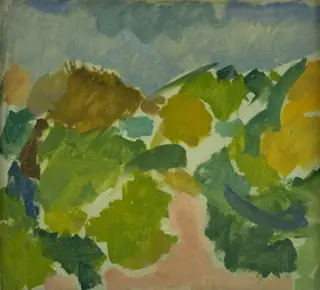 Landscape
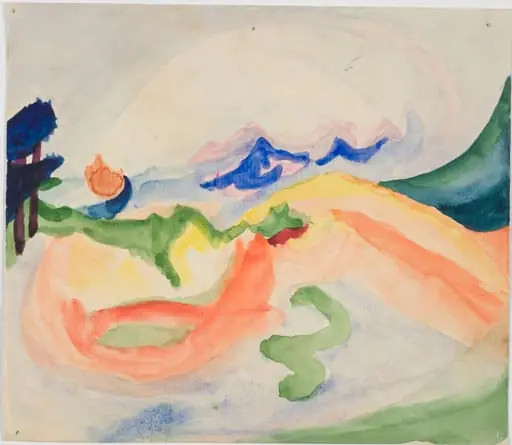 Χωρίς τίτλο
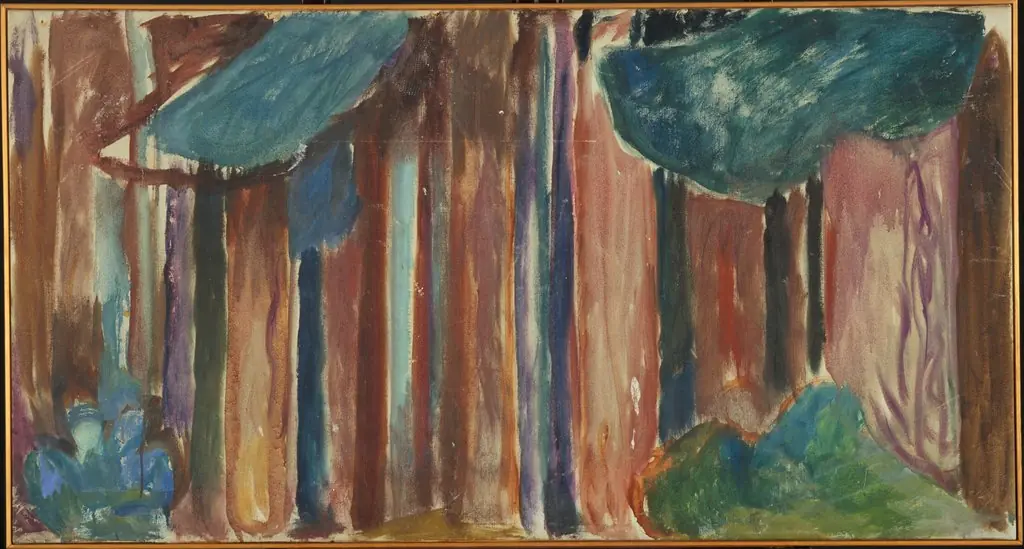 Tree Trunks
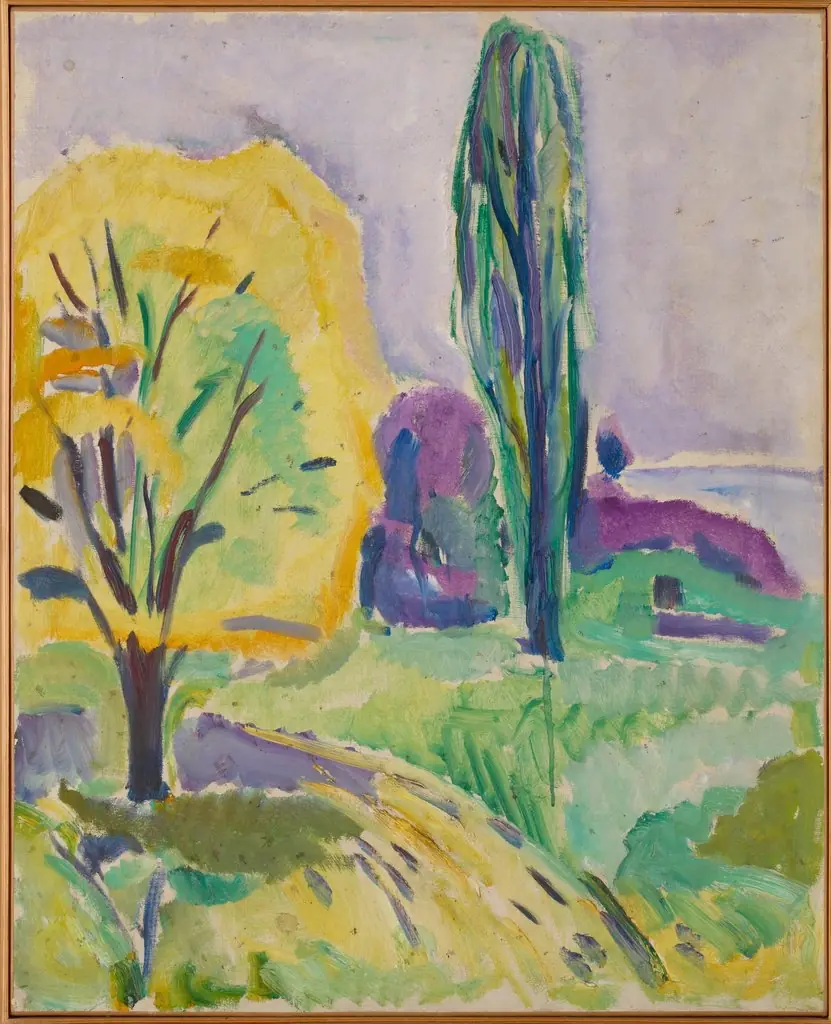 Yellow and Green Tree
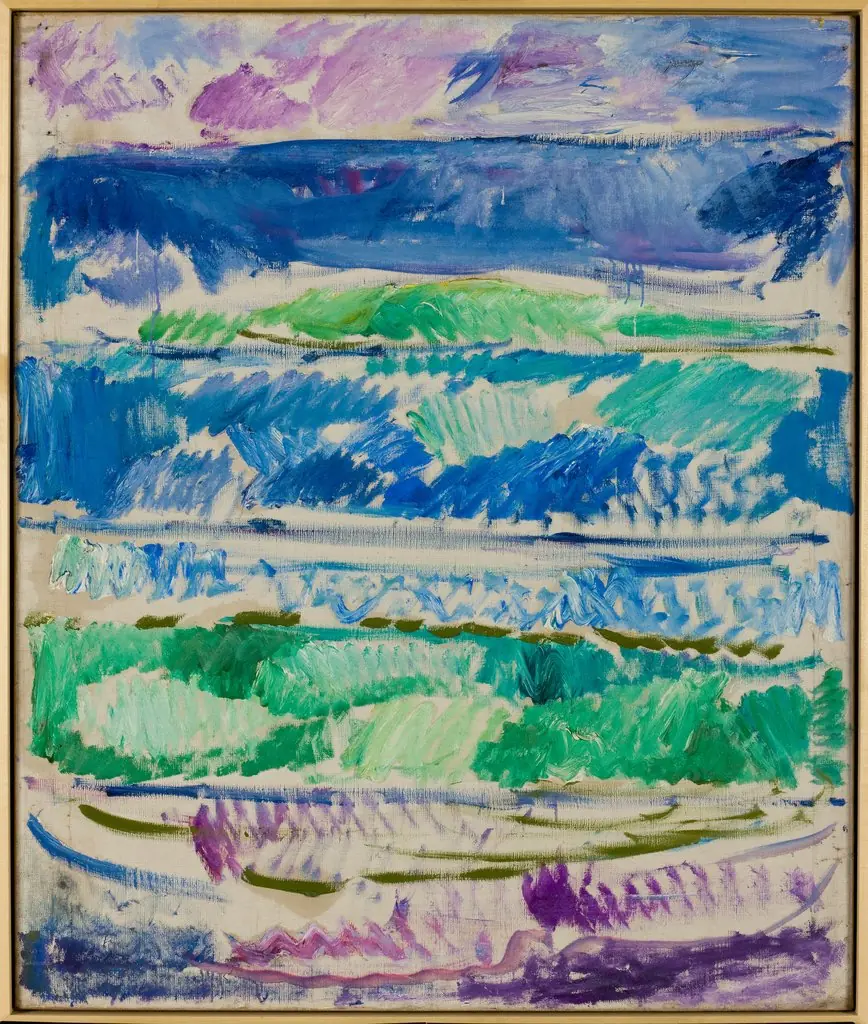 Waves
Waves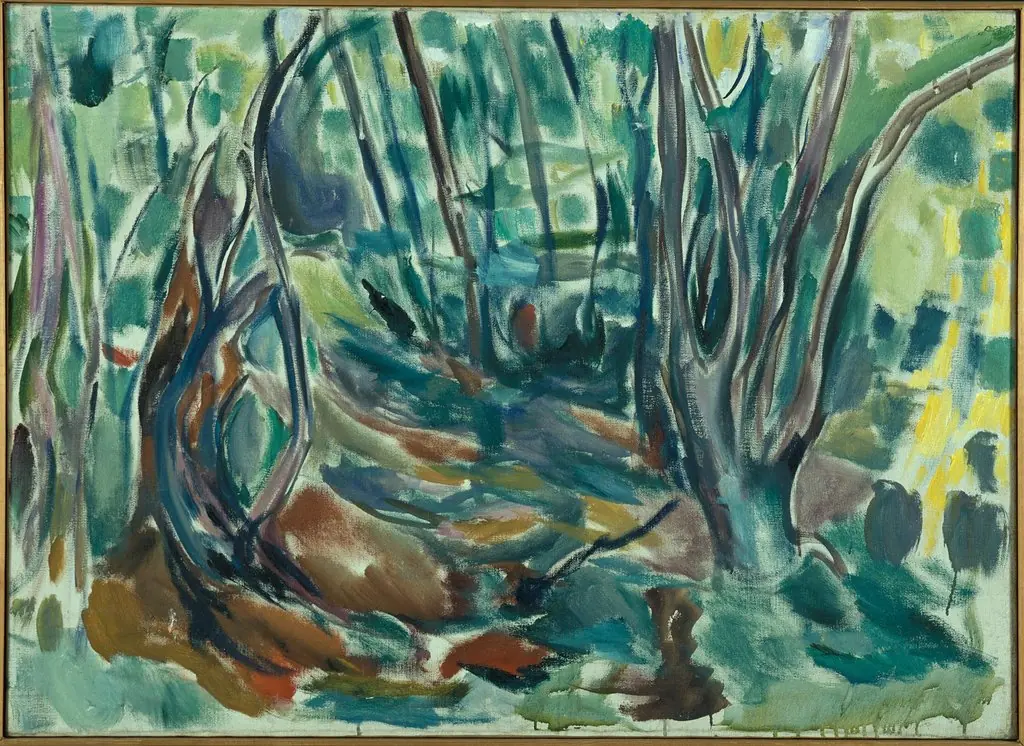 Elm Forest in Summer
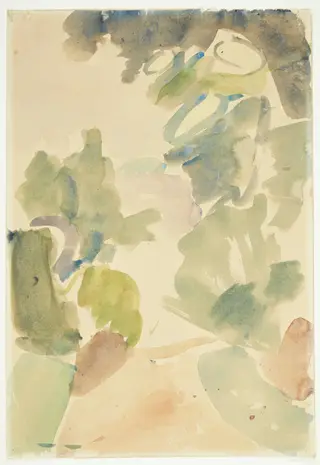 Skovvej. Farvestudie
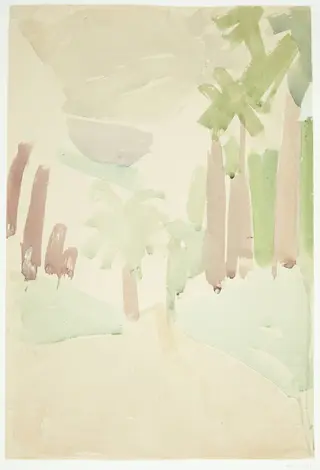 Landskab med palmer, Sydfrankrig
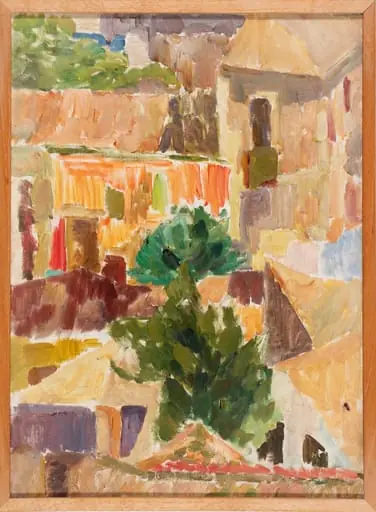 Landscape: from the Acropolis area
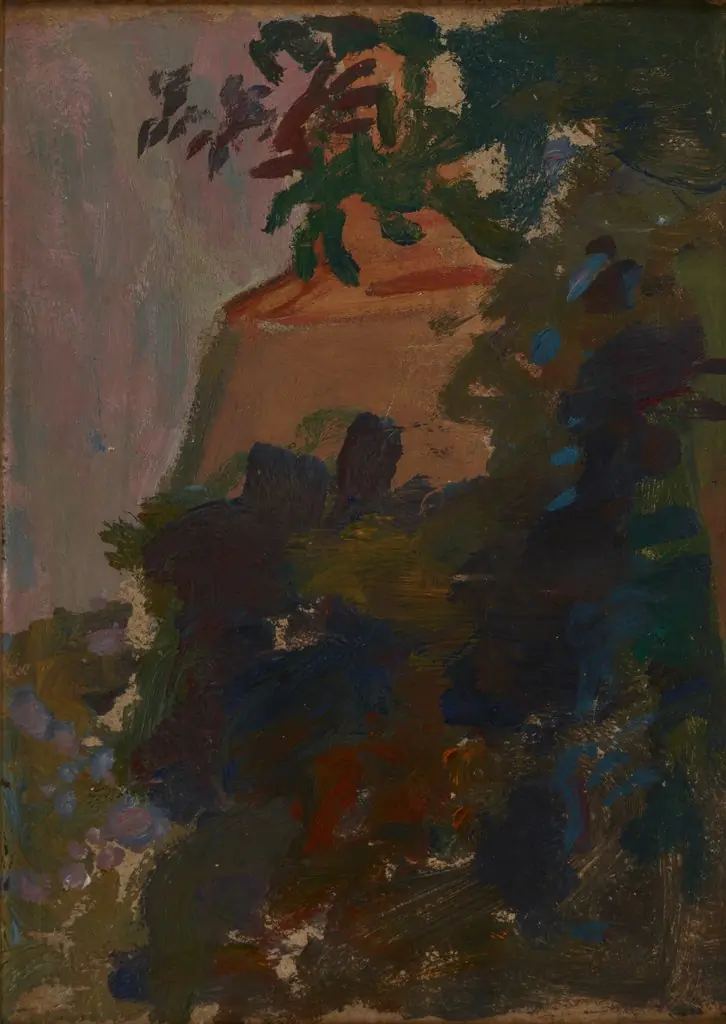 Theme from Kyiv