Artwork
Camponesa carregando um feixe de lenha
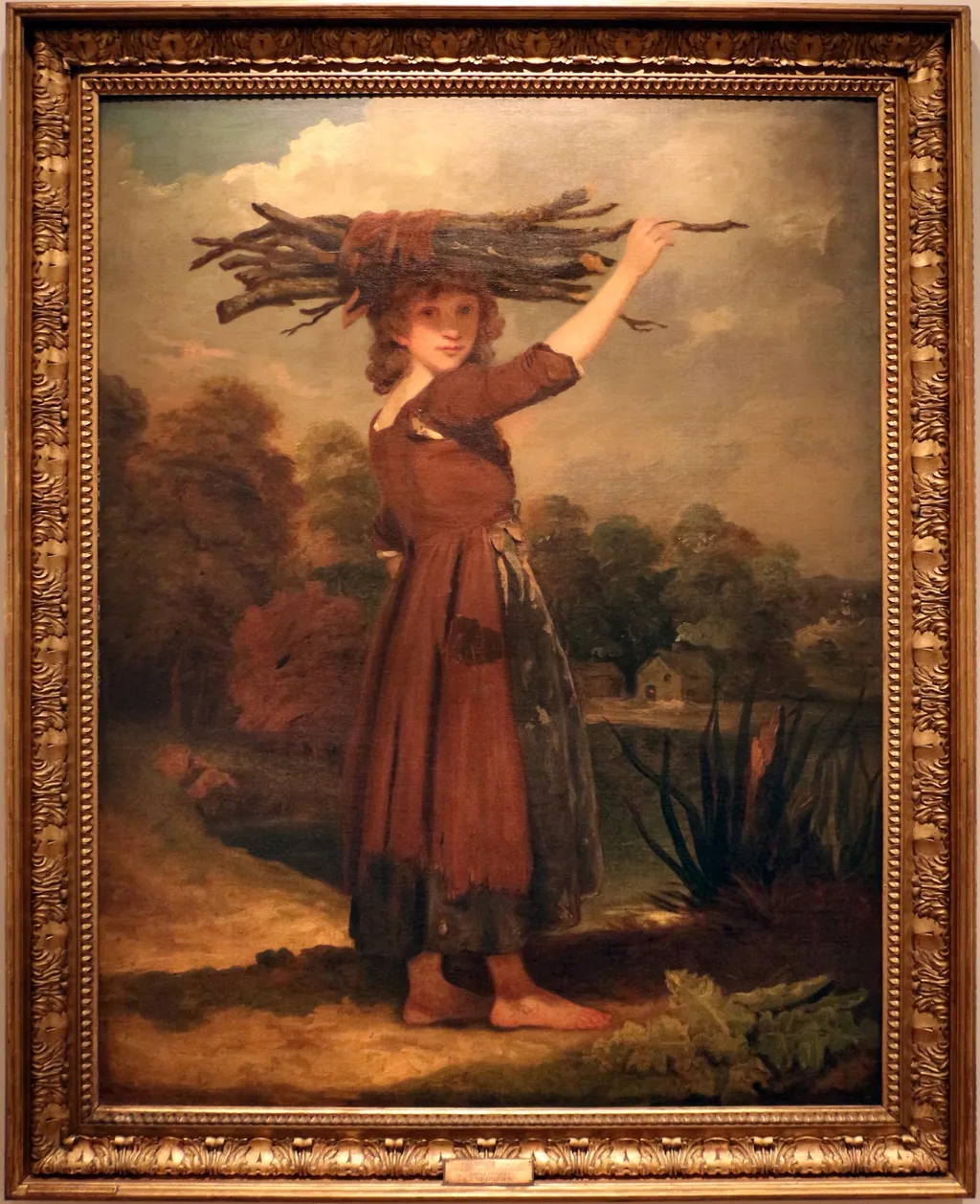
Camponesa carregando um feixe de lenha is an unspecified painting by the Rococo painting artist John Hoppner. It dates from 1775 and is held in the collection of the National Museum of Ancient Art.
About this work
Overview
Executed in oil on canvas, it captures a young woman bearing a bundle of firewood on her head, set against a modest landscape.
This painting, attributed to John Hoppner and dated around 1775, portrays a rural laborer in a quiet, unidealized moment. Executed in oil on canvas, it captures a young woman bearing a bundle of firewood on her head, set against a modest landscape. The composition emphasizes stillness and routine, avoiding dramatic flair. The work is part of the collection at the National Museum of Ancient Art in Lisbon.
Subject & Meaning
The figure is a peasant girl, engaged in the daily task of gathering fuel. Her bare feet and simple attire suggest economic hardship, while her neutral expression conveys resignation rather than emotion. The scene reflects rural labor without romanticization, aligning with 18th-century genre painting’s interest in ordinary life. The focus on her physical burden implies a quiet commentary on labor and endurance.
Technique & Style
Hoppner employs loose, visible brushwork to render texture in fabric, skin, and foliage. The palette is restrained—earthy browns, muted greens, and pale sky tones dominate—enhancing the scene’s somber realism. Light falls softly, modeling form without theatrical contrast. The background elements, including a distant house and trees, are rendered with minimal detail, directing attention to the central figure’s posture and presence.
History & Provenance
The painting’s early history is undocumented, but it entered the collection of the National Museum of Ancient Art in Lisbon through known institutional acquisitions in the 20th century. While Hoppner is primarily known for English portraiture, this work stands as a rare example of his engagement with rural genre subjects. Its attribution to him is based on stylistic comparison with his other known works from the same period.
Context
In late 18th-century Britain, genre scenes depicting rural life gained modest popularity among collectors interested in moral or social realism. Though Hoppner was chiefly commissioned for aristocratic portraits, this painting suggests an engagement with broader themes of labor and class. Similar depictions appeared in Dutch and French art, but this work remains a distinct example within the English tradition.
Legacy
The painting contributes to the understanding of Hoppner’s range beyond portraiture, revealing his capacity for empathetic observation of everyday life. While not widely reproduced or studied, it remains a significant artifact in Portuguese collections for its rare representation of English genre painting from the period. Its quiet dignity continues to invite reflection on labor and visibility in art.
Artist & collection

Artist
John Hoppner (4 April 1758 – 23 January 1810) was an English painter, much influenced by Joshua Reynolds, who achieved fame as a colourist.

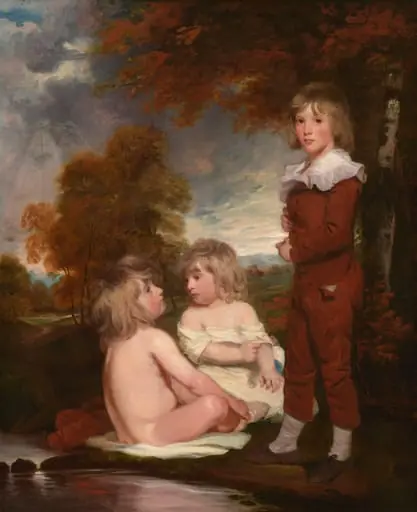 The Hoppner Children
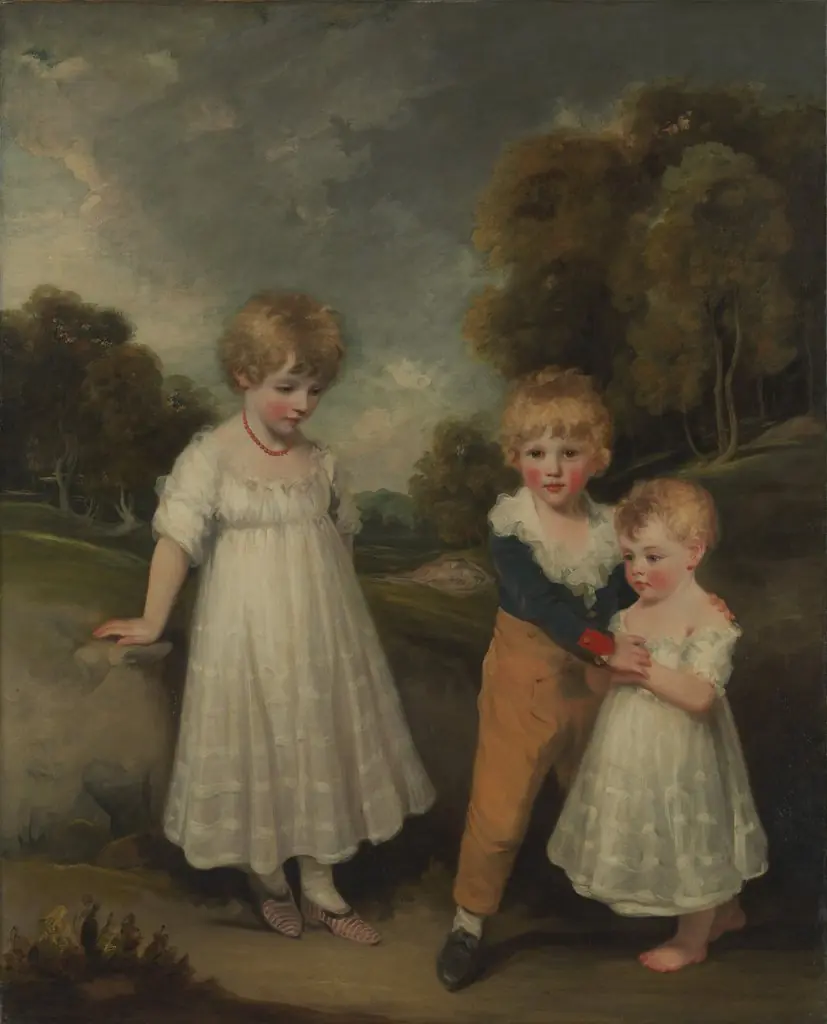 The Sackville Children
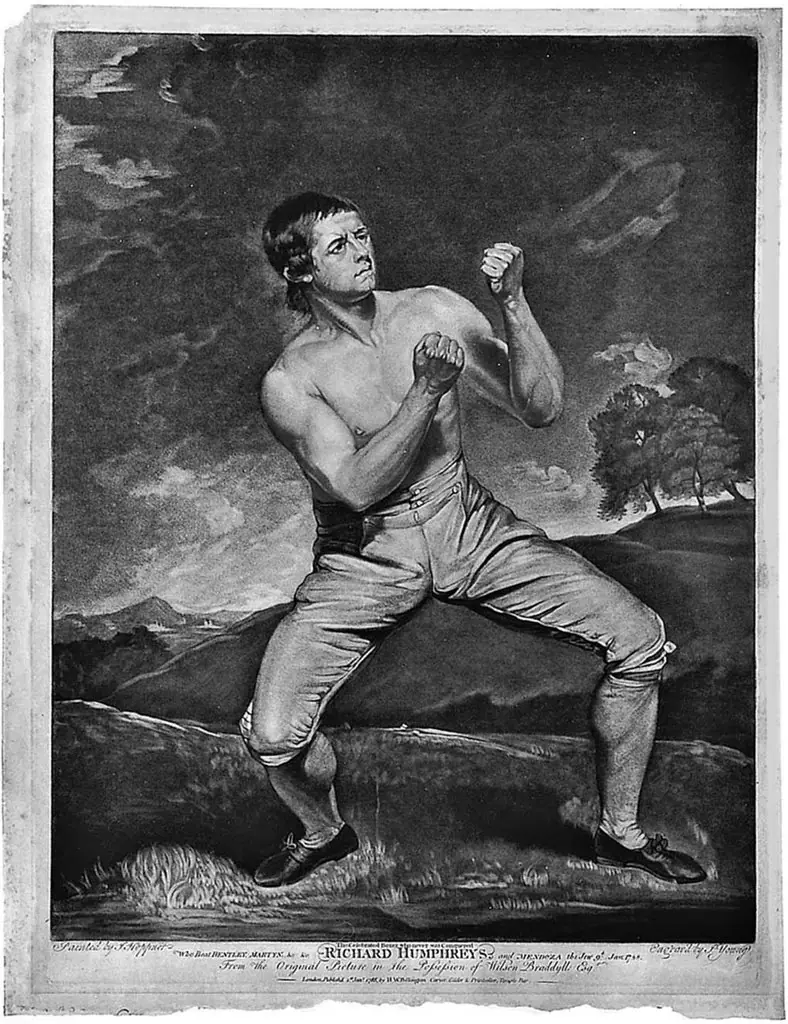 Richard Humphreys, the Boxer
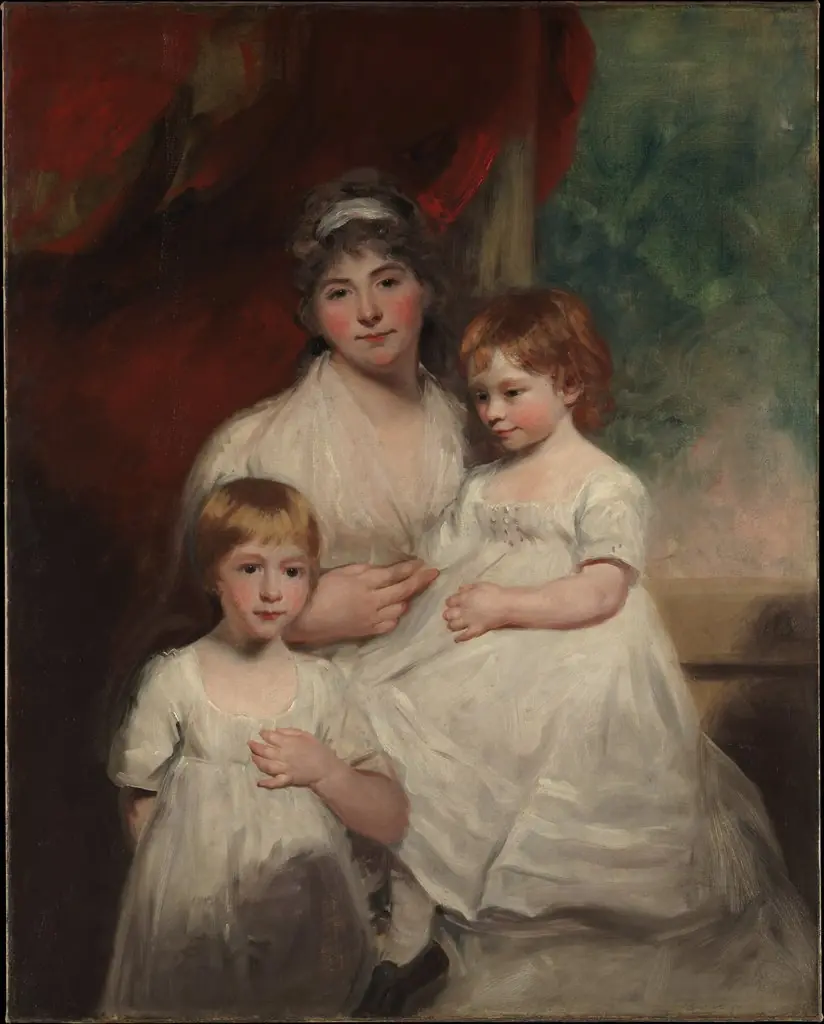 Mrs. John Garden (Ann Garden, 1769–1842) and Her Children, John (1796–1854) and Ann Margaret (born 1793)
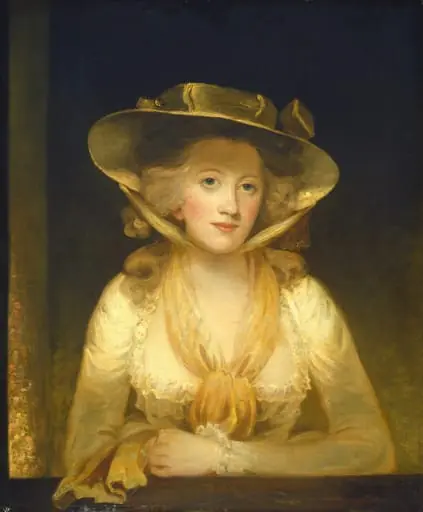 Lady Cunliffe
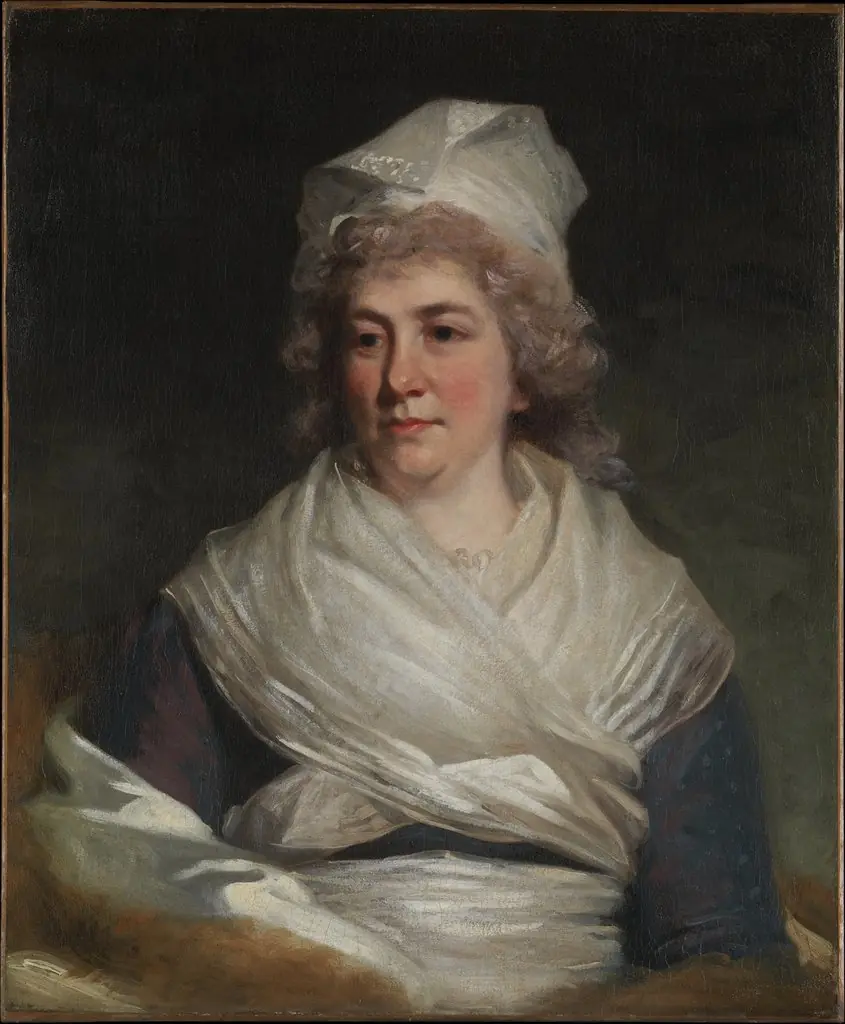 Mrs. Richard Bache (Sarah Franklin, 1743–1808)
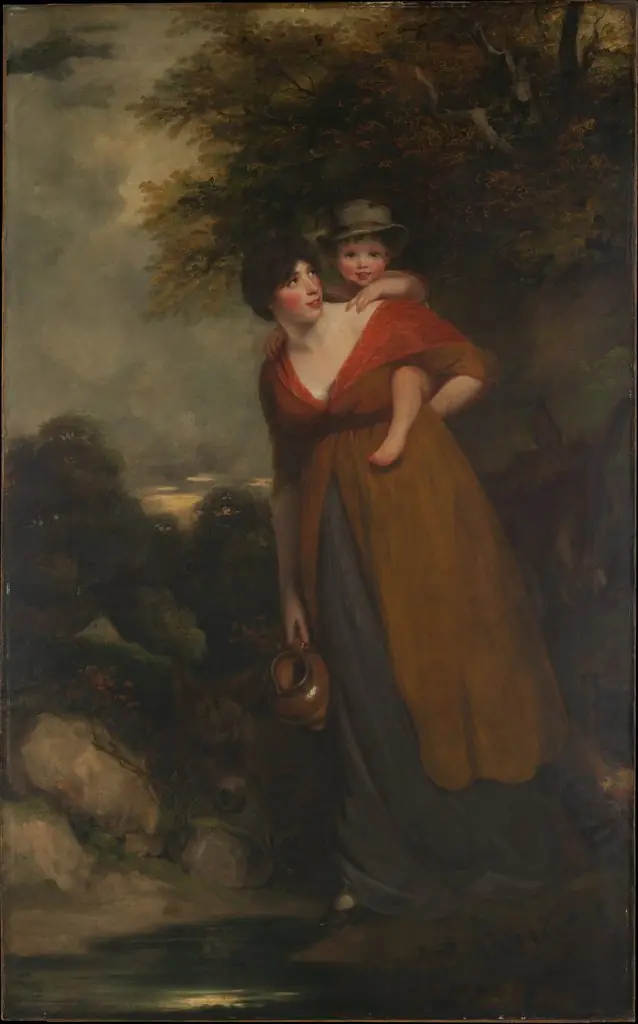 Mrs. Richard Brinsley Sheridan (Hester Jane Ogle, 1775/76–1817) and Her Son (Charles Brinsley Sheridan, 1796–1843)
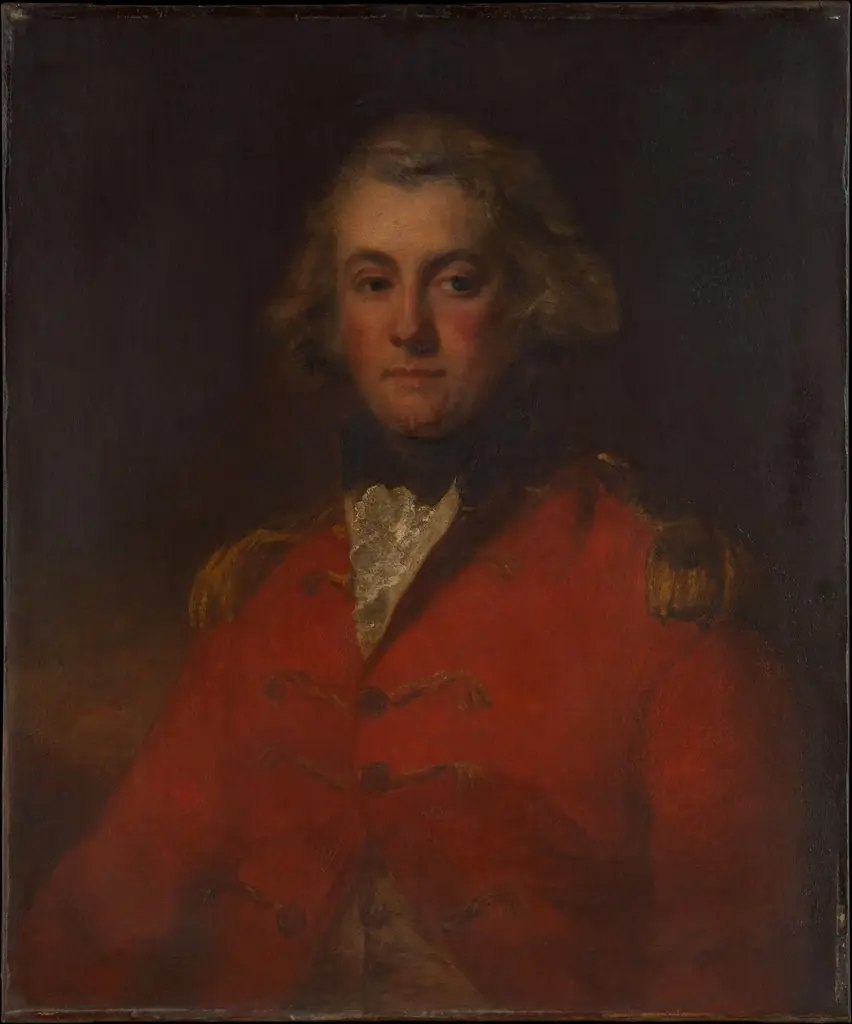 Major Thomas Pechell (1753–1826)
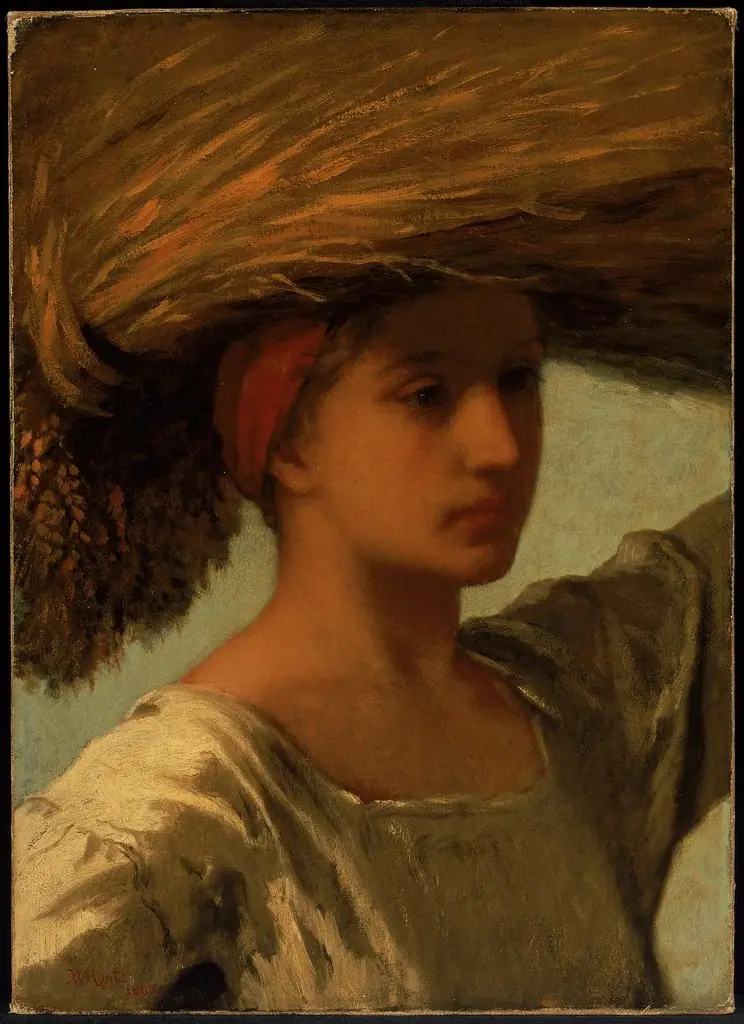 The Gleaner
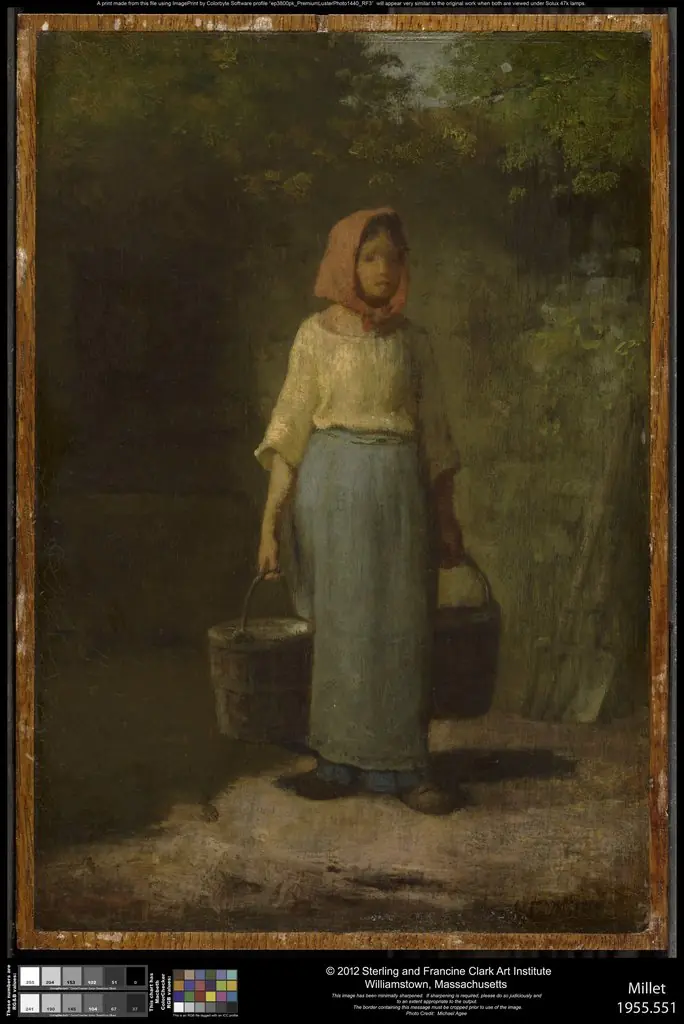 Peasant Girl Returning from the Well
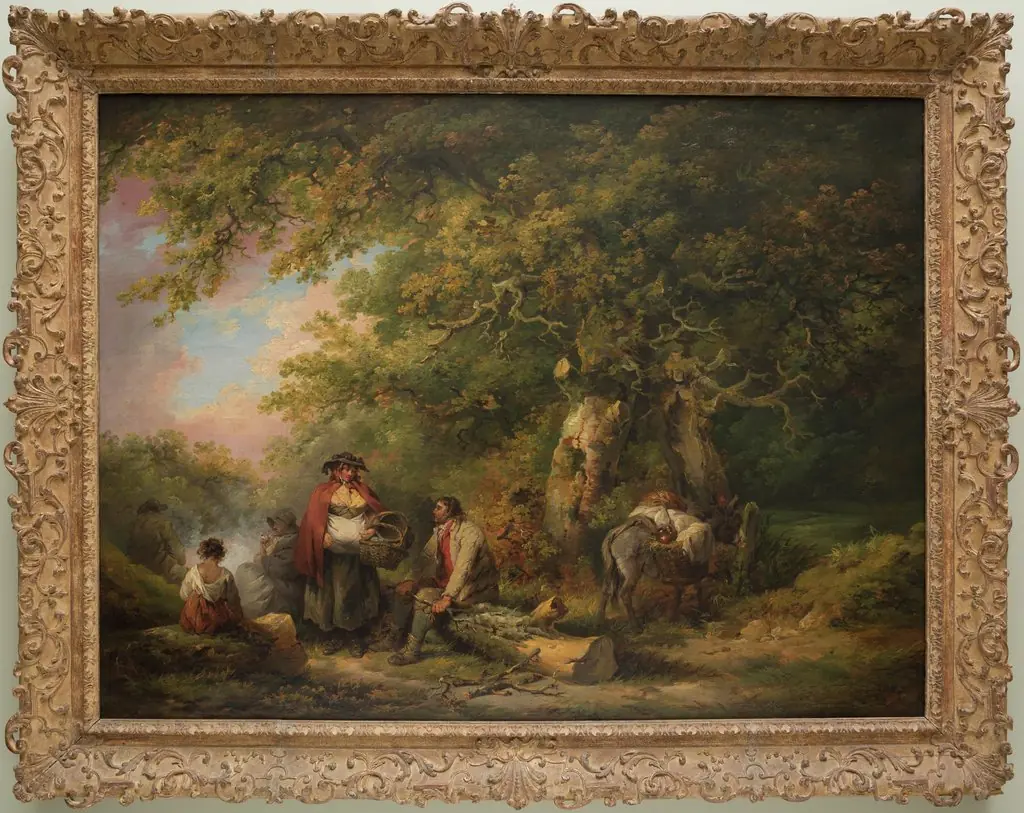 Gypsy Encampment with Seated Man Breaking Firewood
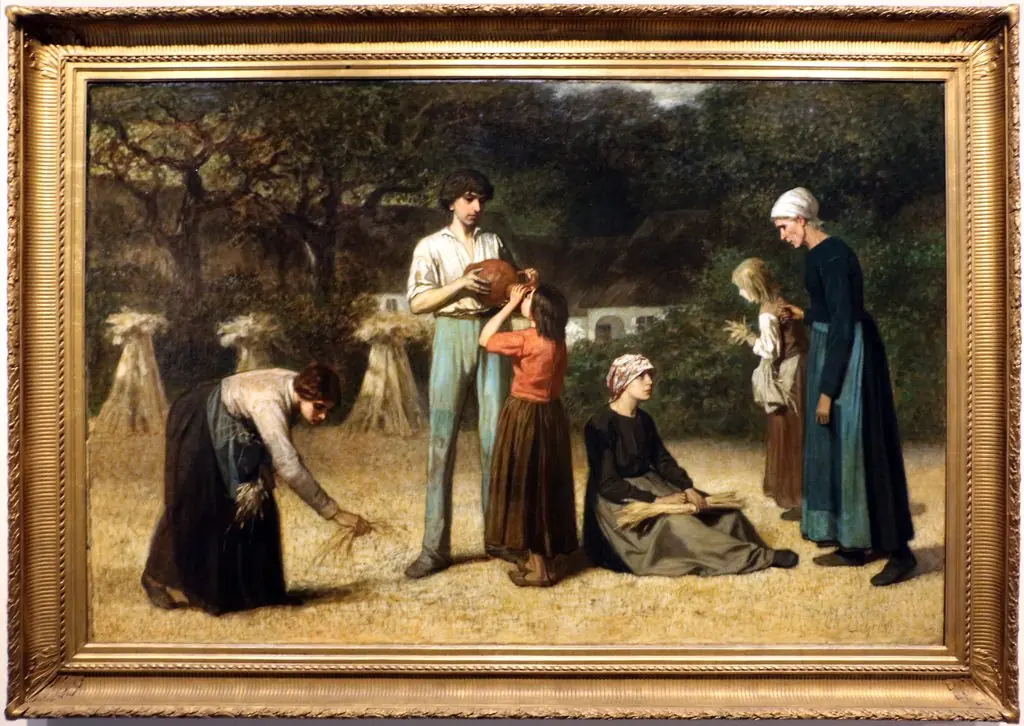 The gleaners
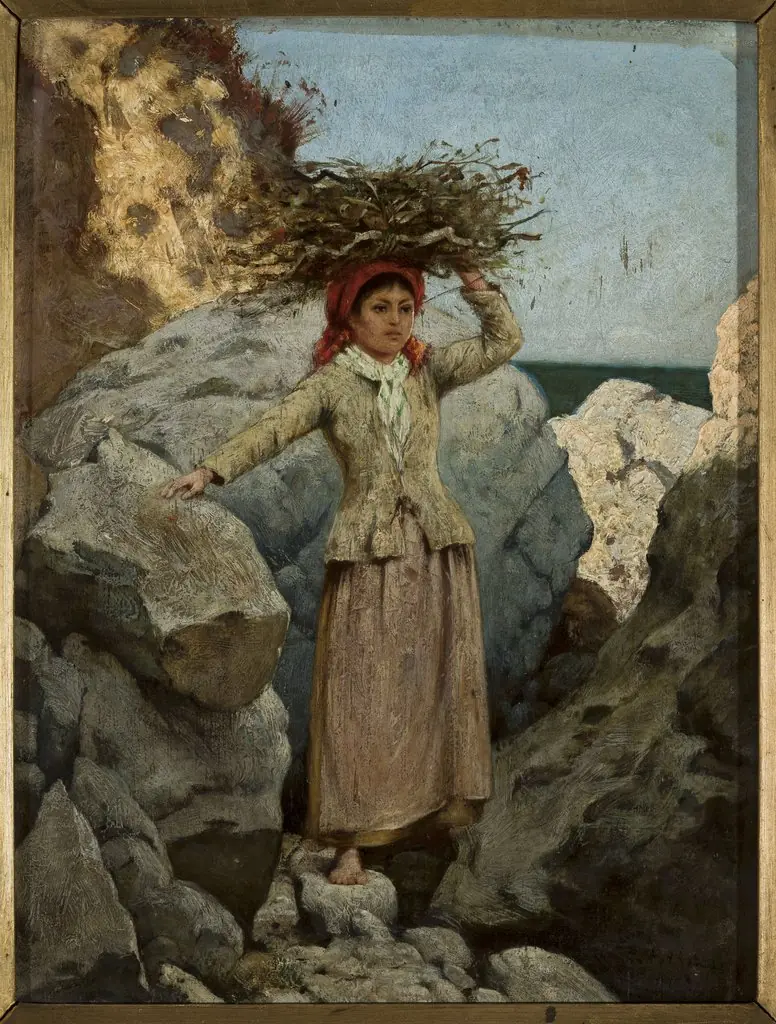 Annunziata. Girl with a bunch of brushwood on her head
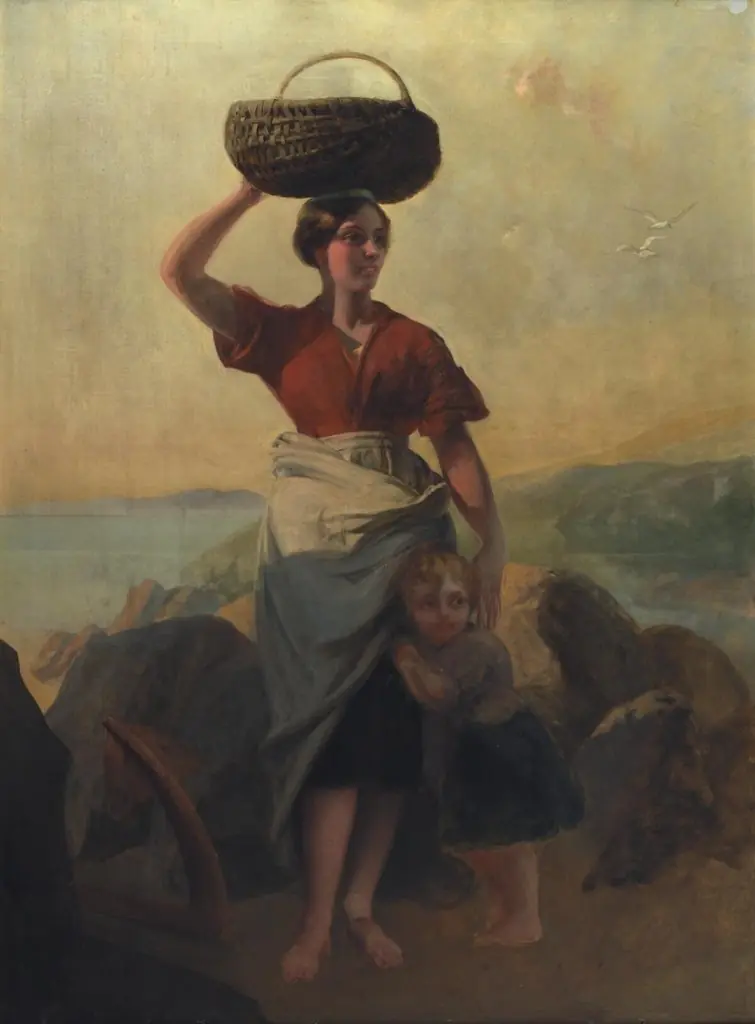 South Wales
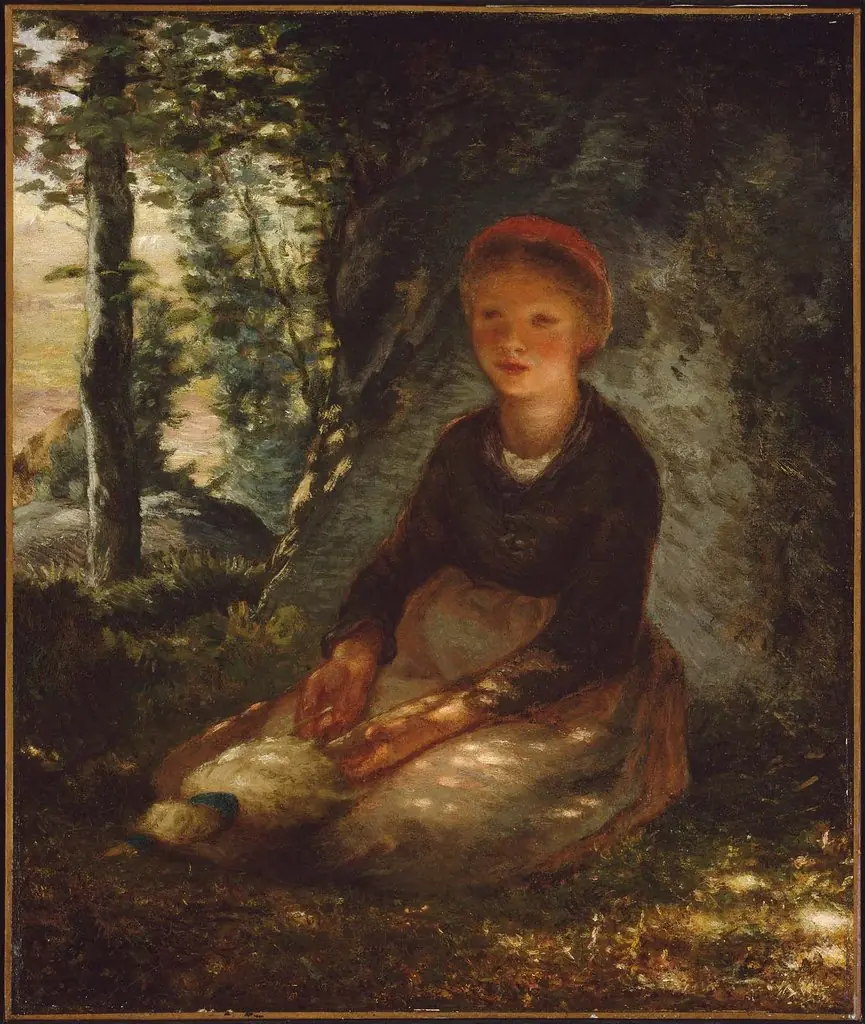 Shepherdess Seated in the Shade
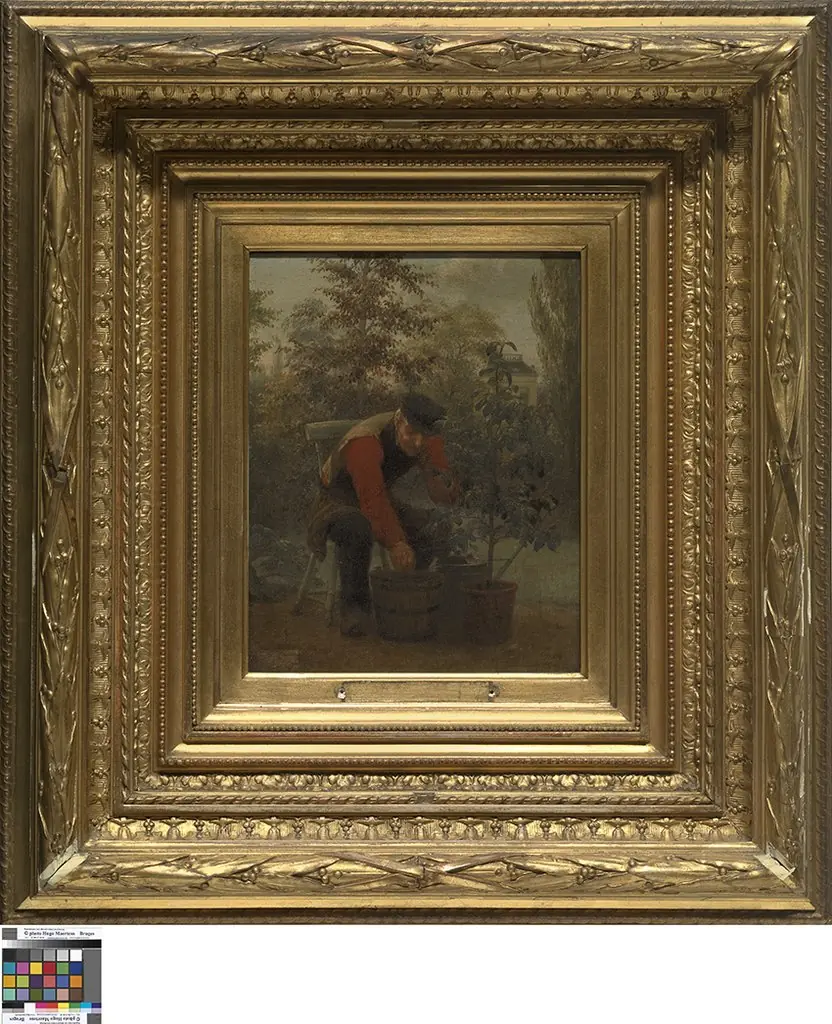 De tuinman
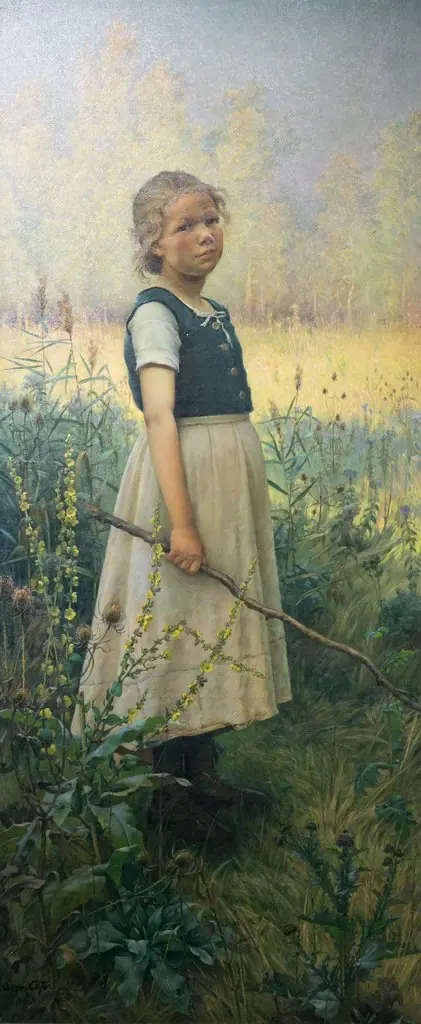 Shepherdess at Vallangoujard (Seine-et-Oise)
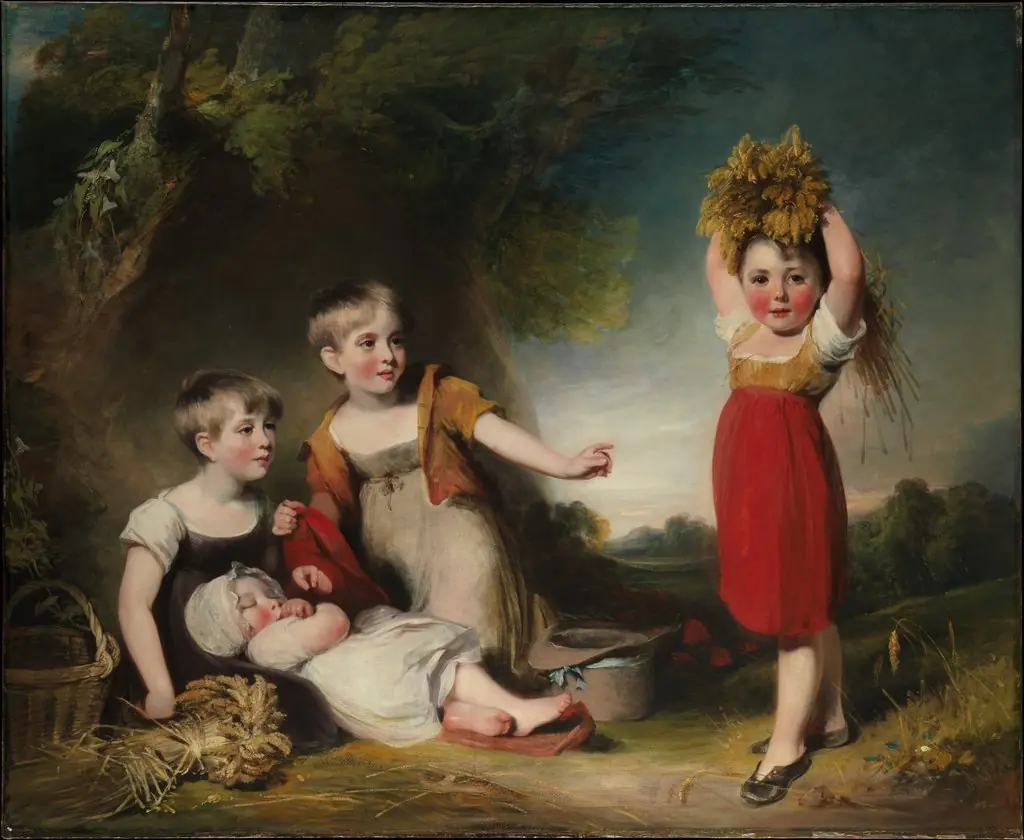 The Grandchildren of Sir William Heathcote, 3rd Baronet
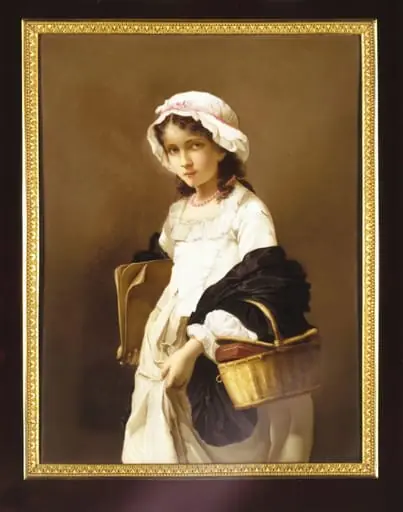 Untitled
 The Colza (Harvesting Rapeseed)