
Movement
Rococo painting
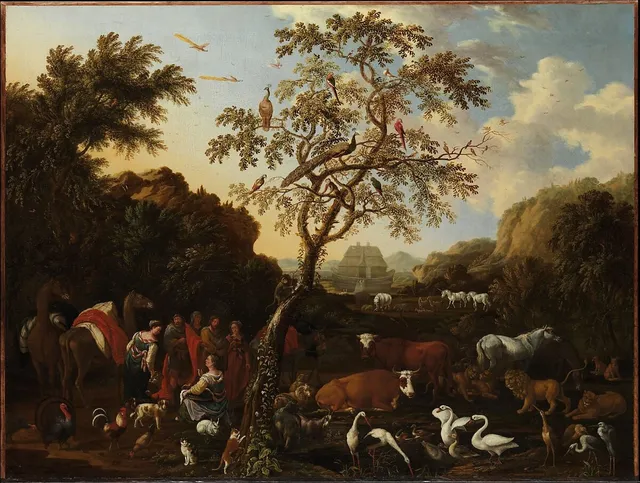
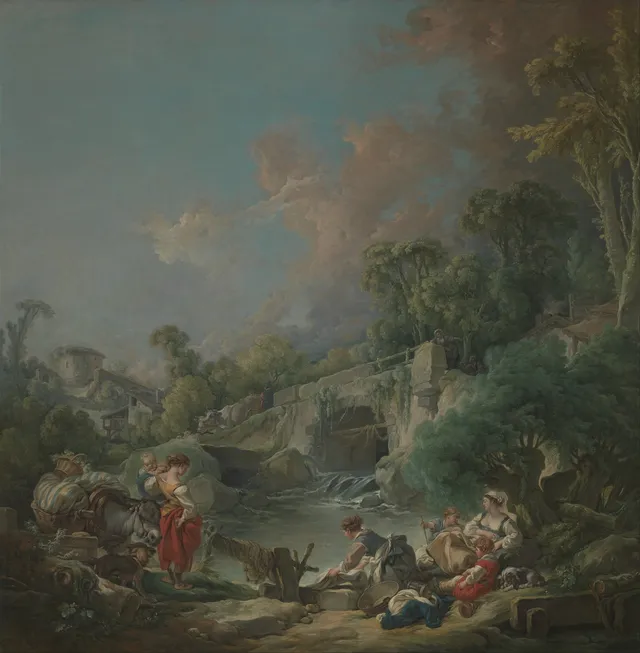
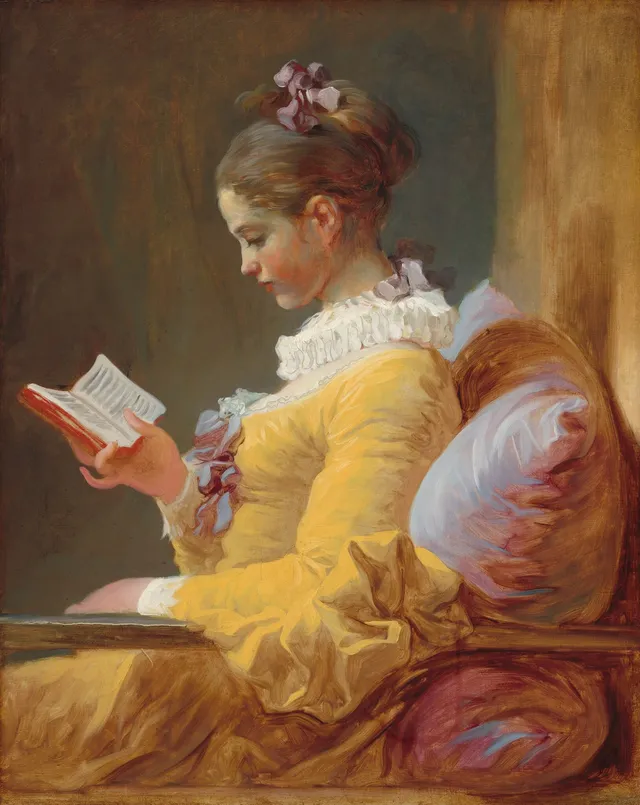
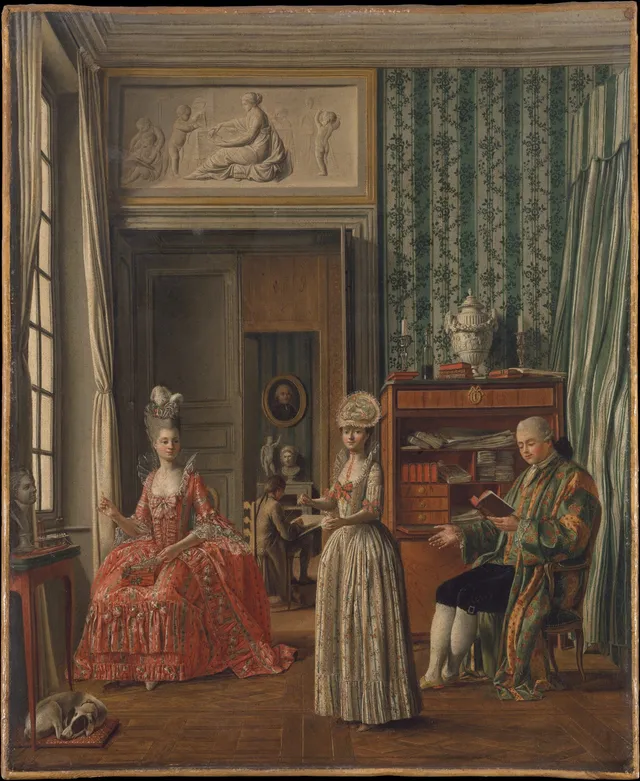
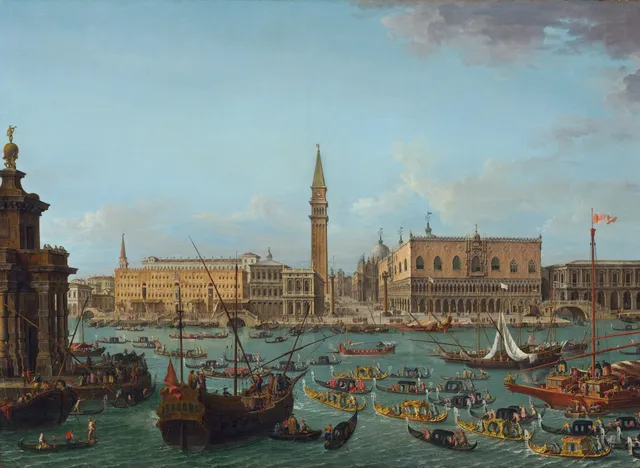
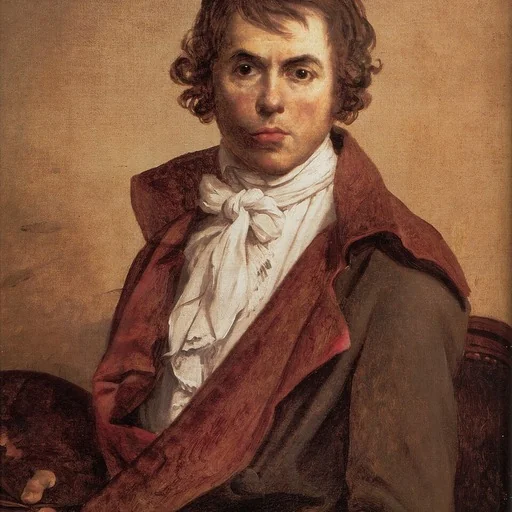
Rococo painting is an art movement of the 1720–1780 period. The gallery holds 8,798 works in this movement, including works by Jean Honoré Fragonard, Jacques-Louis David and Lodewijk Tieling. Browse Rococo painting paintings, portraits, pictures and artworks from the world's public-domain museum collections.
Rococo painting emerged in France in the early eighteenth century, taking root in Paris during the Régence that followed the death of Louis XIV in 1715. As the court's center of gravity shifted from the rigid ceremony of Versailles toward the intimate townhouses of the Parisian aristocracy, taste turned away from the weighty grandeur of the Baroque toward something lighter, more private, and more pleasurable. The very name reflects this decorative sensibility: "Rococo" derives from the French rocaille, the shell- and pebble-encrusted ornament of garden grottoes, combined with coquillage, a shell motif. Tellingly, the term was coined only in the 1790s by pupils of the Neoclassical painter Jacques-Louis David, who used it as an insult for a style they considered frivolous and outmoded.
Visually, Rococo prized lightness, elegance, and movement. Painters favored soft pastel palettes, feathery brushwork, asymmetrical compositions, and the serpentine S-curves and curling natural forms that also defined Rococo interiors. The preferred subjects were love, leisure, mythology, and pastoral fantasy: amorous couples, shepherdesses, and reclining Venuses, often charged with a discreet eroticism. Canvases were frequently conceived to harmonize with the paneled boudoirs and salons they decorated, dissolving the boundary between painting and ornament.
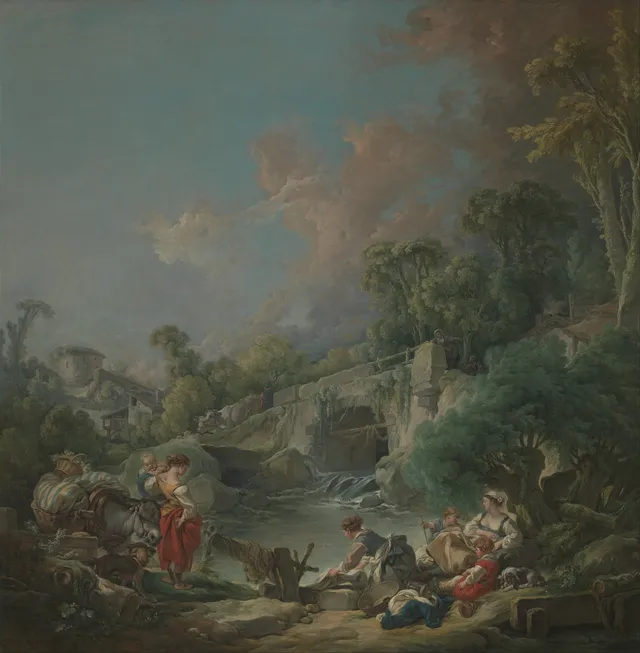
The genre's founder was Jean-Antoine Watteau (1684–1721), whose Pilgrimage to Cythera, presented to the Académie Royale in 1717, prompted the academy to invent the new category of the fête galante—elegant outdoor revels of courtship. François Boucher (1703–1770), favored painter of Madame de Pompadour, brought the style to its decorative height with sensuous mythologies and pastorals; our collection holds his Washerwomen. Jean-Honoré Fragonard (1732–1806), Boucher's pupil, gave it its most exuberant expression in works such as The Swing (1767) and the dazzling Young Girl Reading (c. 1769), which we hold. In Italy, the Venetian Giovanni Battista Tiepolo carried Rococo brilliance into vast ceiling frescoes, most famously at the Würzburg Residence.
By the 1760s Rococo was in decline. The Enlightenment's appetite for reason, moral seriousness, and civic virtue fueled the rise of Neoclassicism, led by David, which cast Rococo as the emblem of a decadent ancien régime. Yet the style was never wholly forgotten: it was revived in nineteenth-century France and Britain as the Rococo Revival, and its painterly freedom and sensual color anticipated aspects of later art. Rococo thus stands as the graceful counterpoint between the Baroque it softened and the Neoclassicism that overthrew it.
Key artists

Works
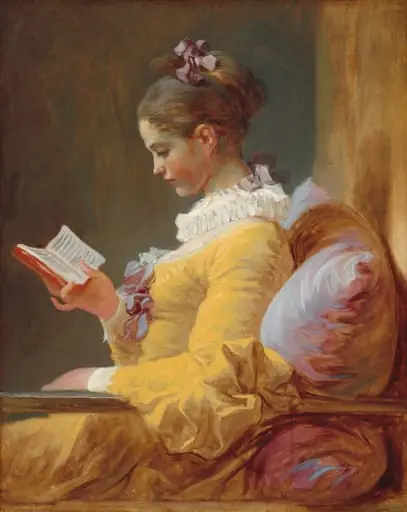 Young Girl Reading
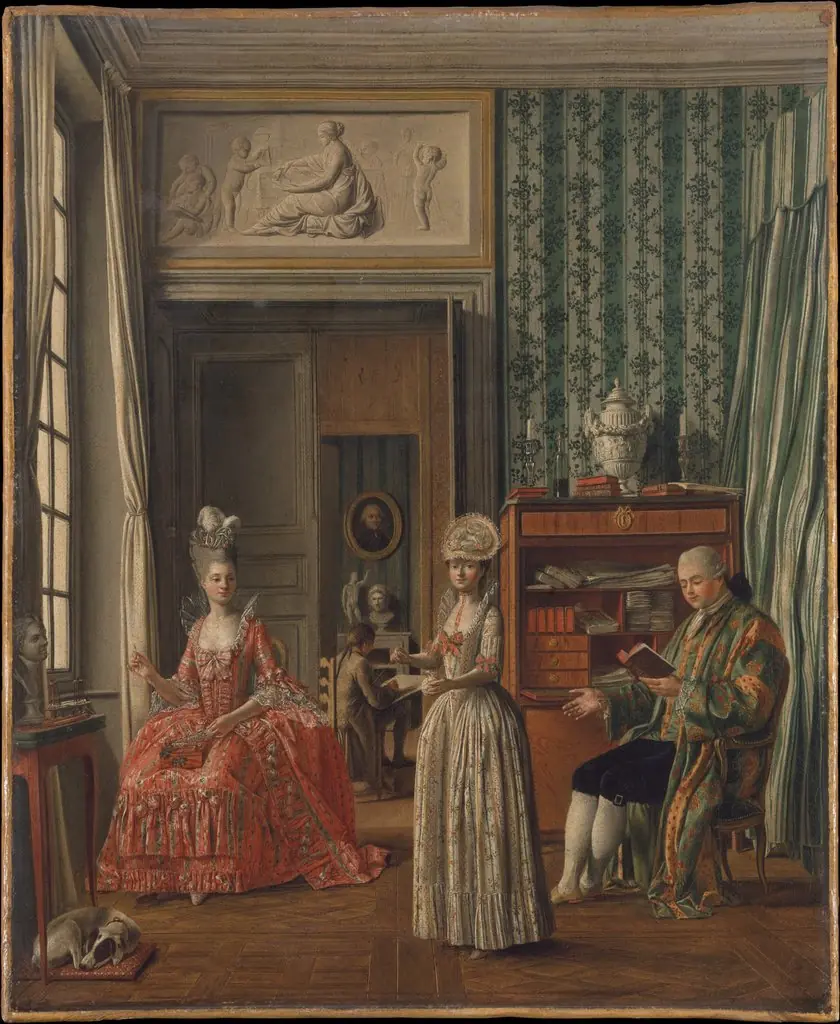 Domestic Scene
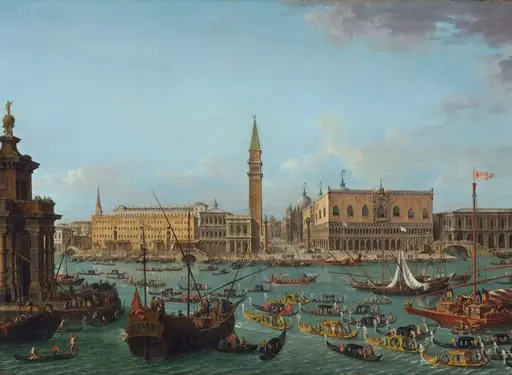 Procession of Gondolas in the Bacino di San Marco, Venice
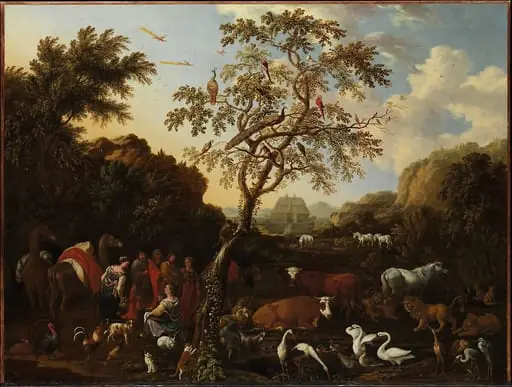 The Ark
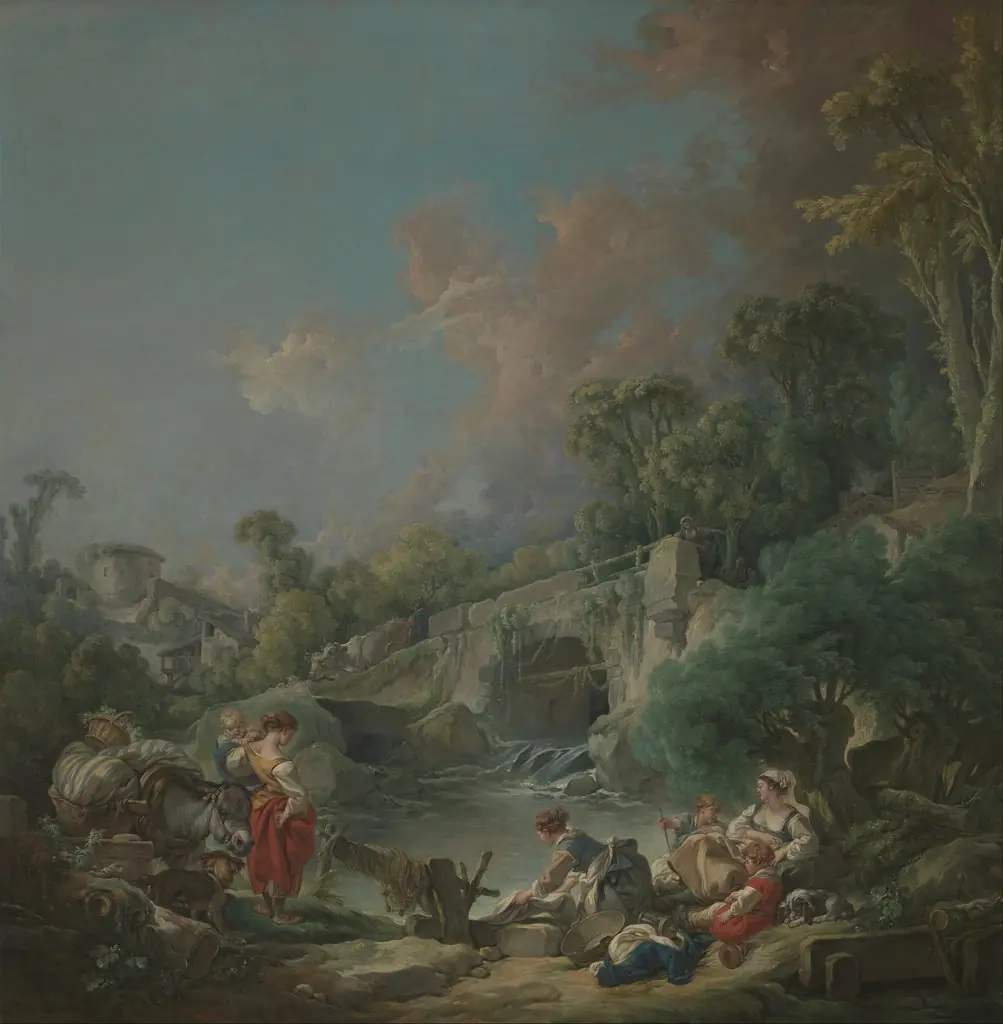 Washerwomen
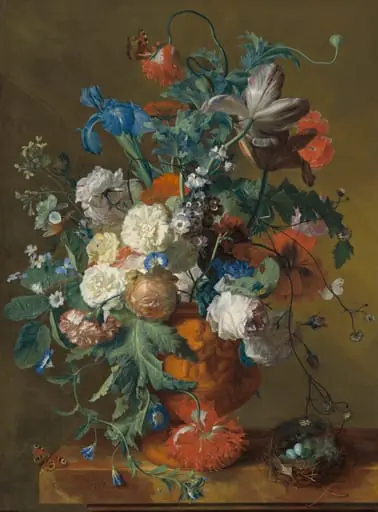 Flowers in an Urn
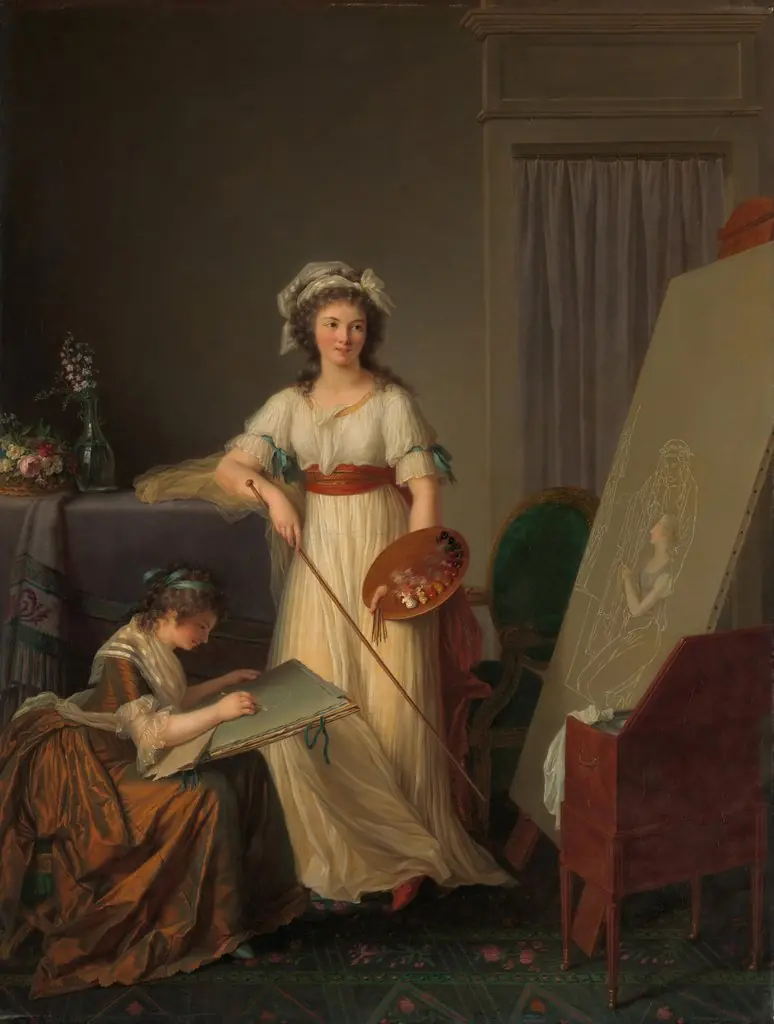 The Interior of an Atelier of a Woman Painter
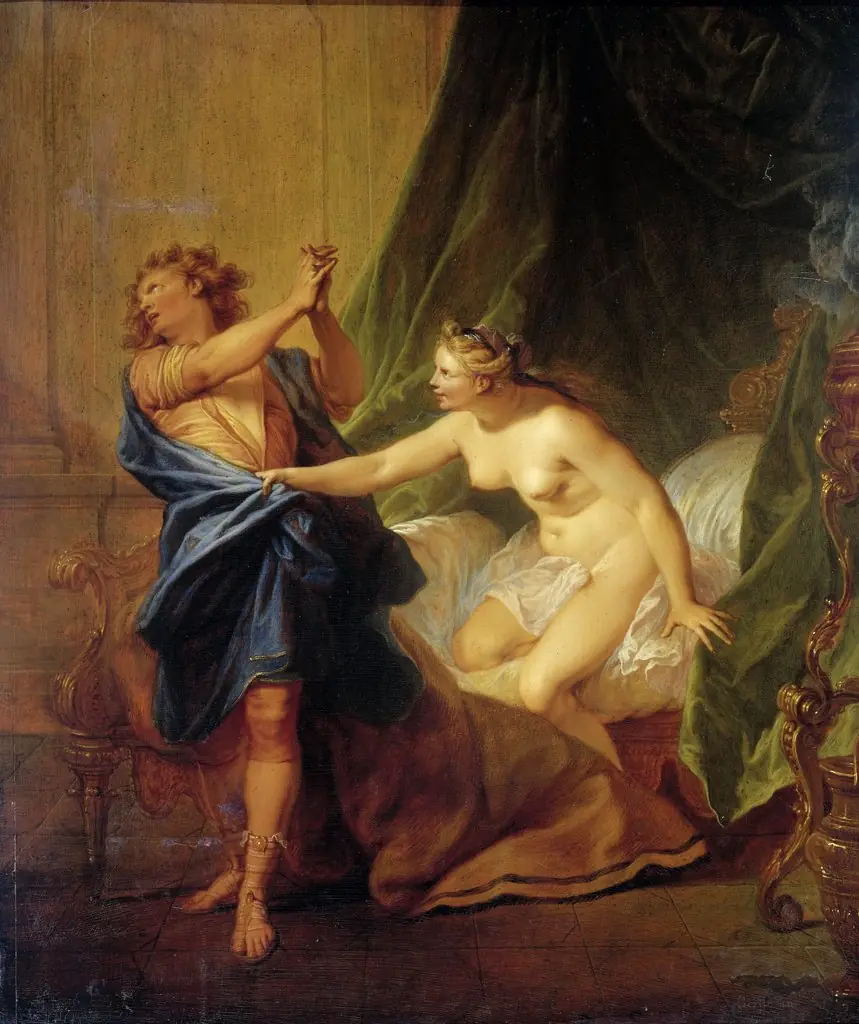 Joseph and Potiphar's Wife
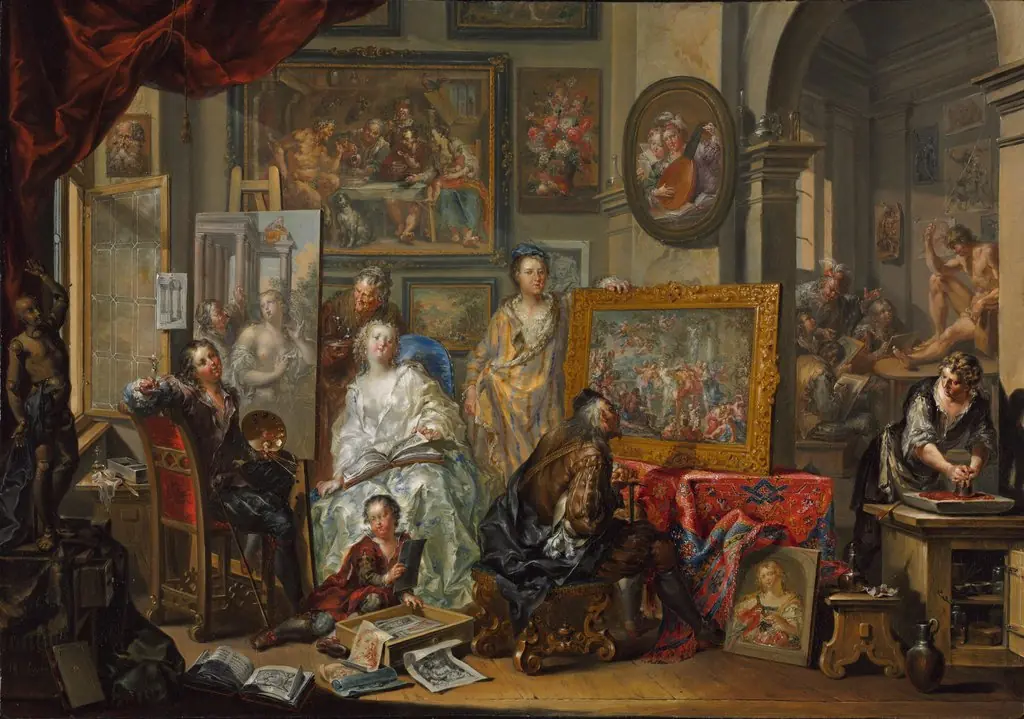 The Artist's Studio
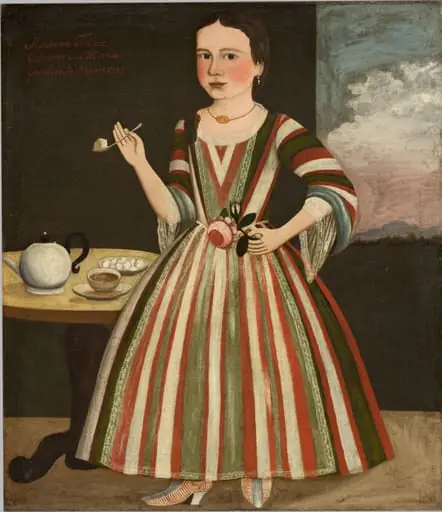 Susanna Truax
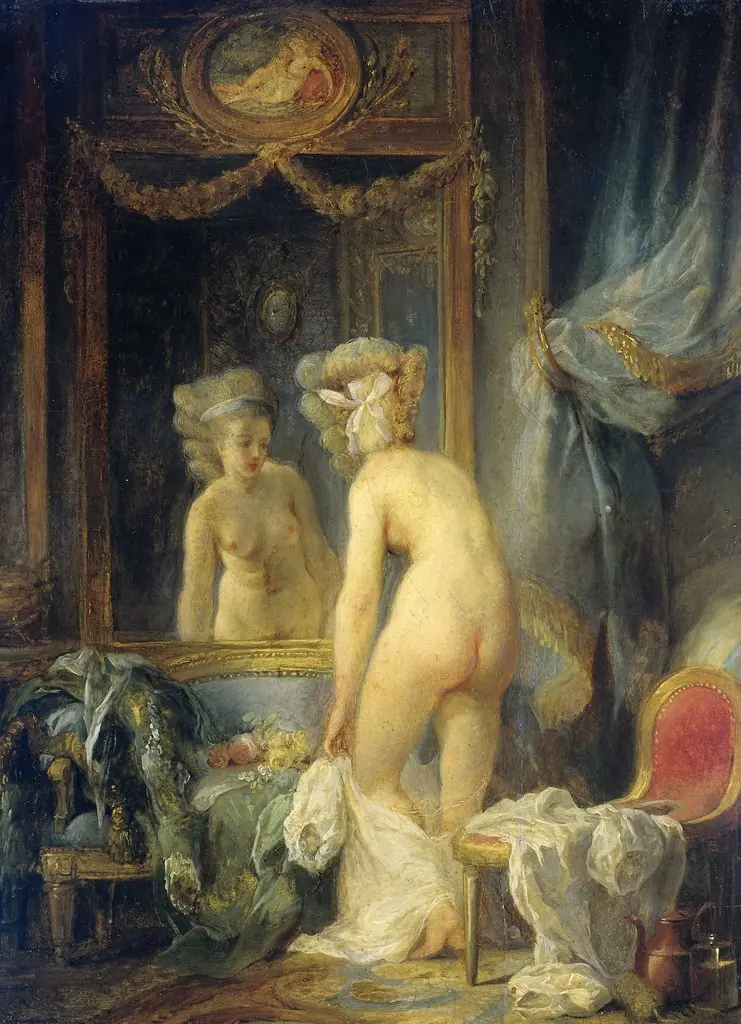 Morning Toilet
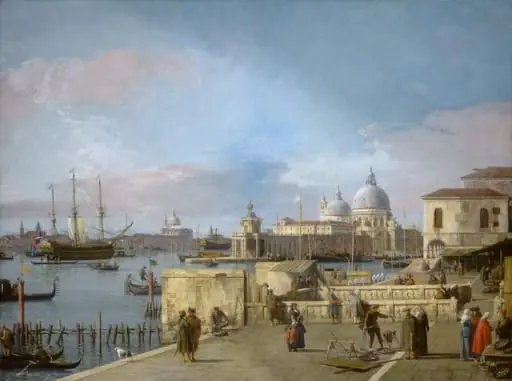 Entrance to the Grand Canal from the Molo, Venice
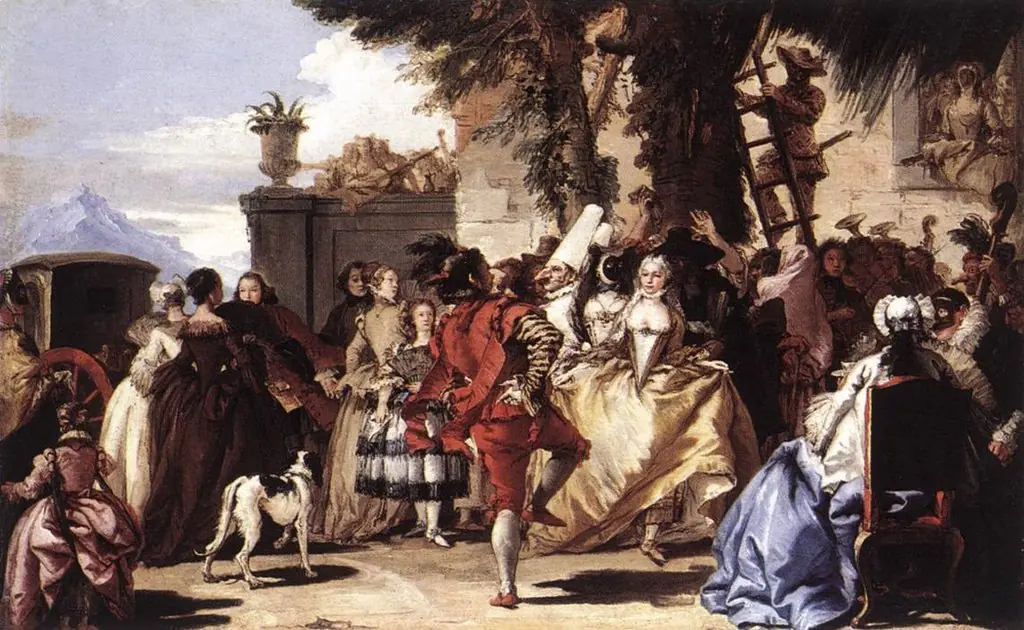 A Dance in the Country
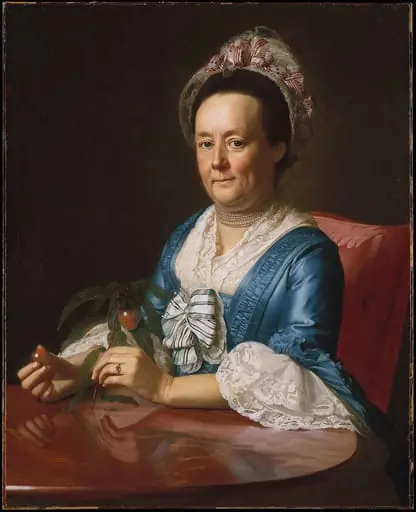 Mrs. John Winthrop
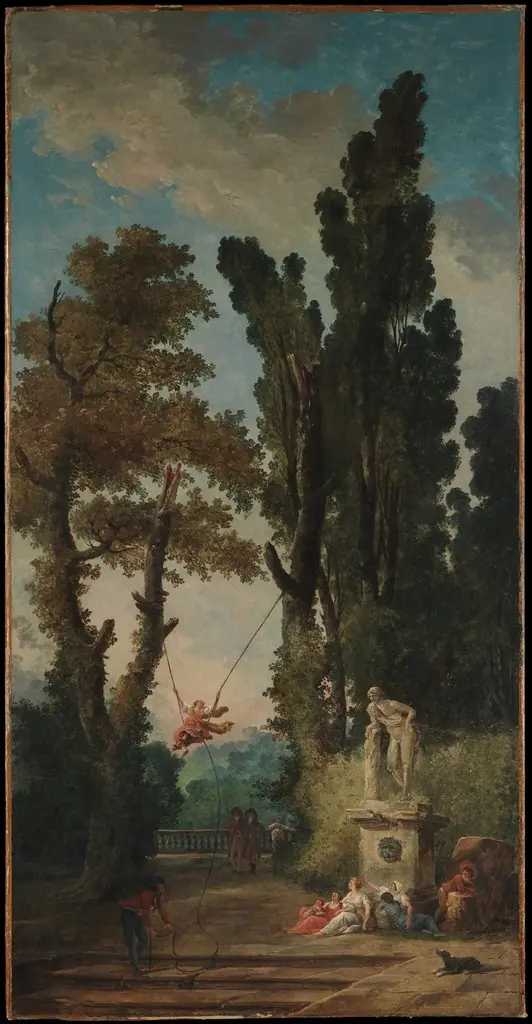 The Swing
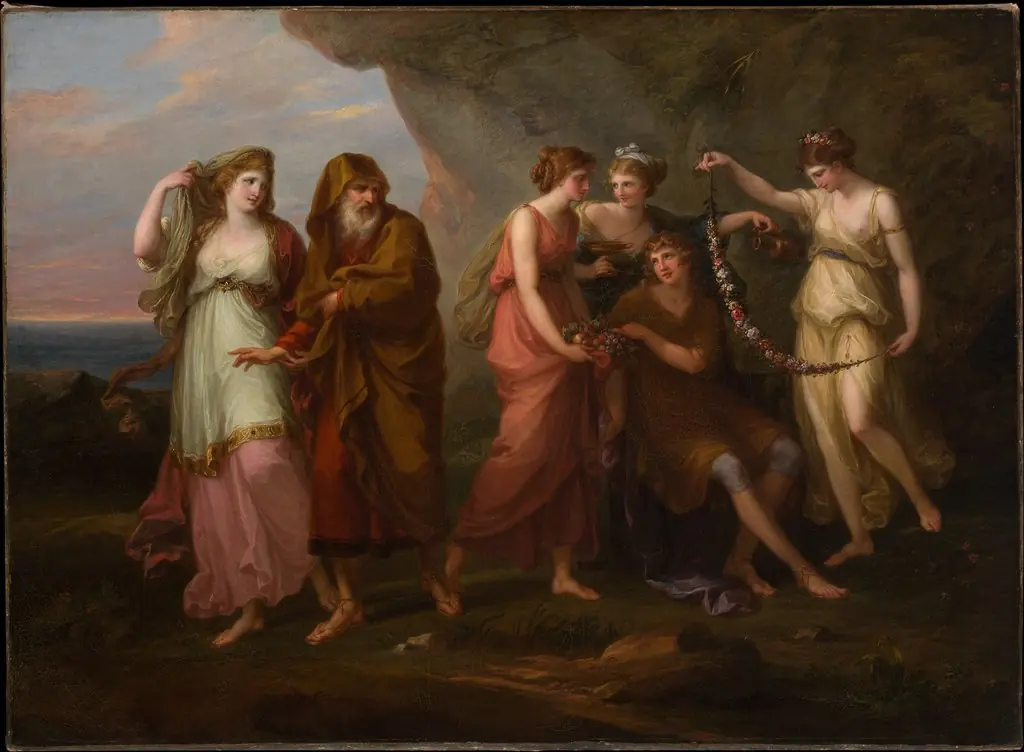 Telemachus and the Nymphs of Calypso
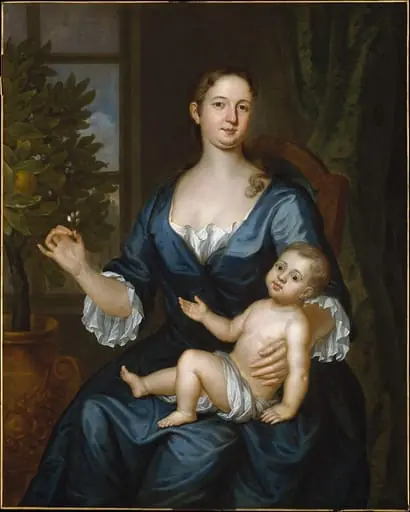 Mrs. Francis Brinley and Her Son Francis
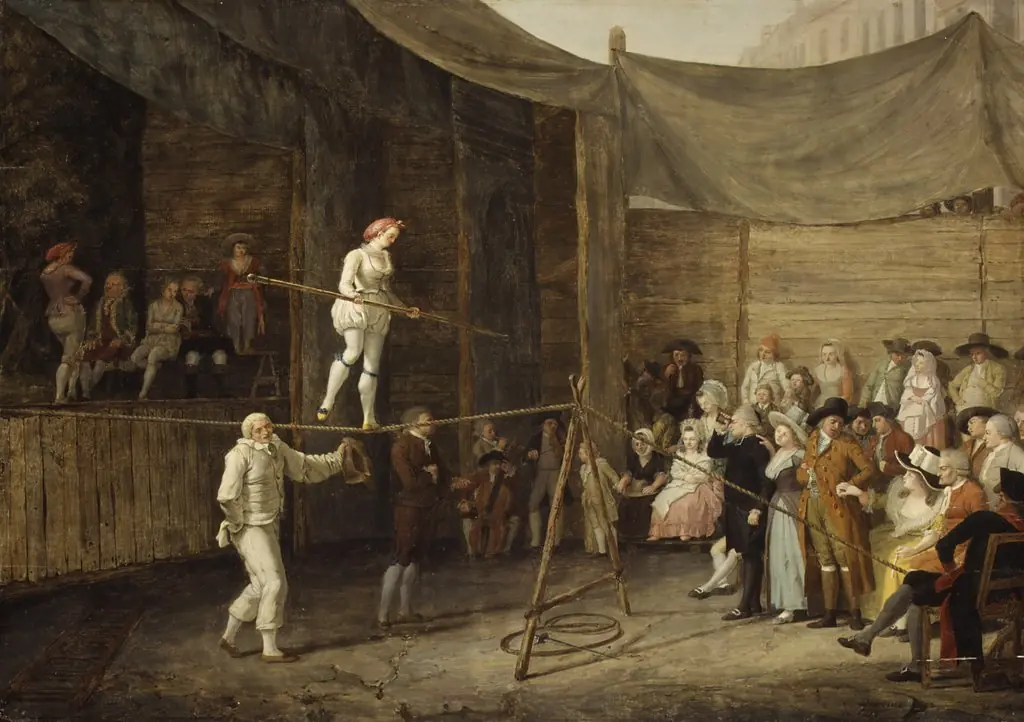 The Rope Dance
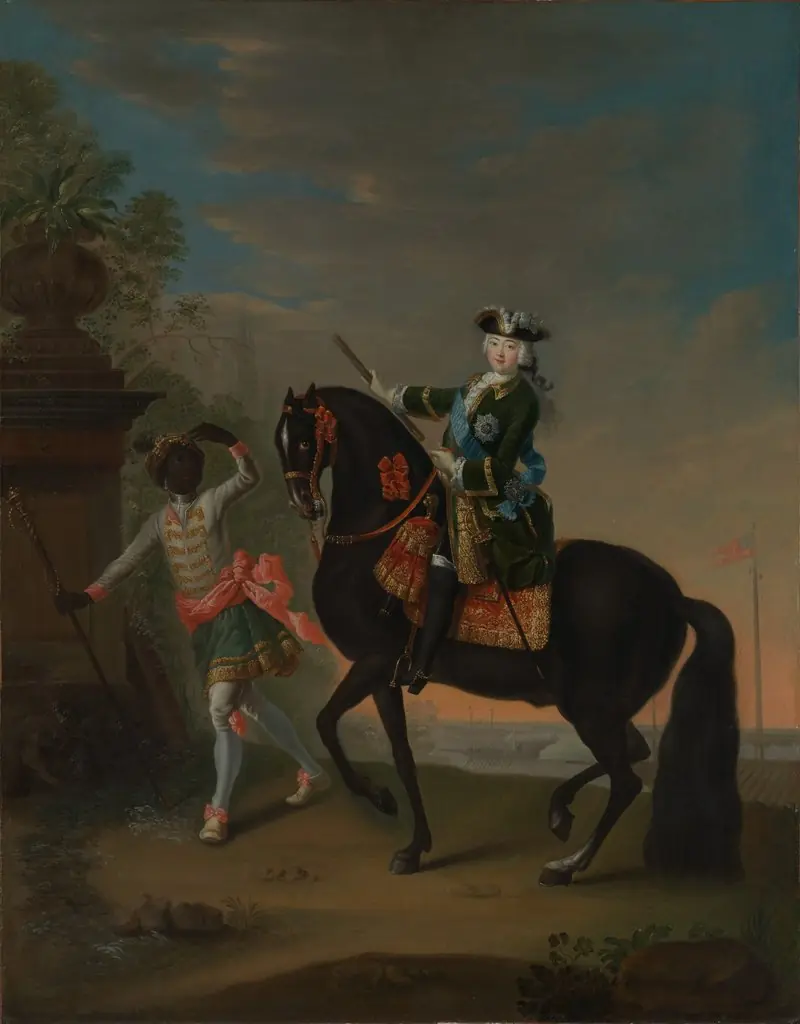 The Empress Elizabeth of Russia (1709–1762) on Horseback, Attended by a Page
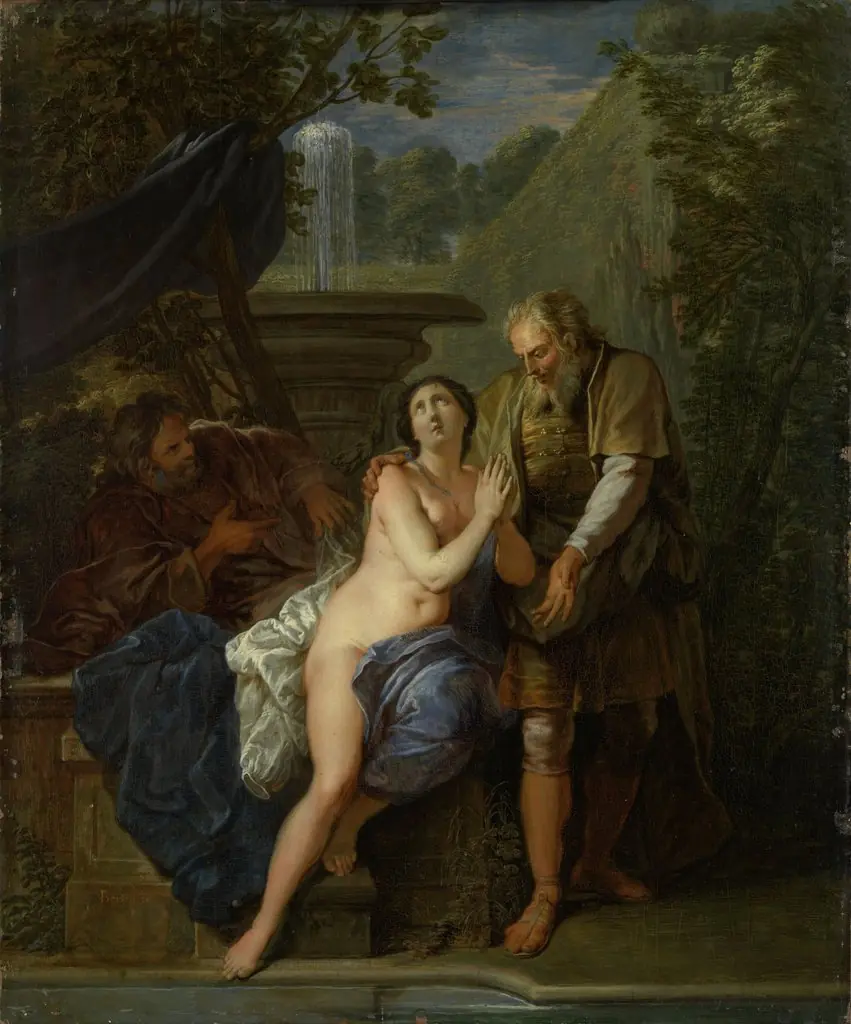 Susanna and the Elders
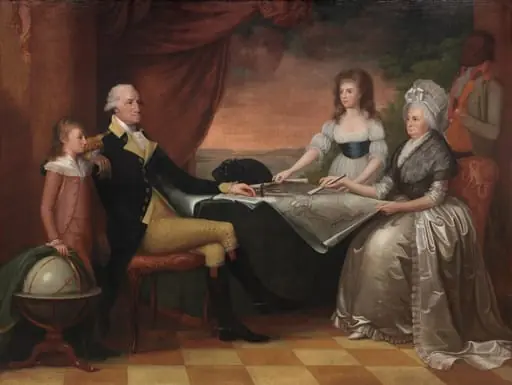 The Washington Family
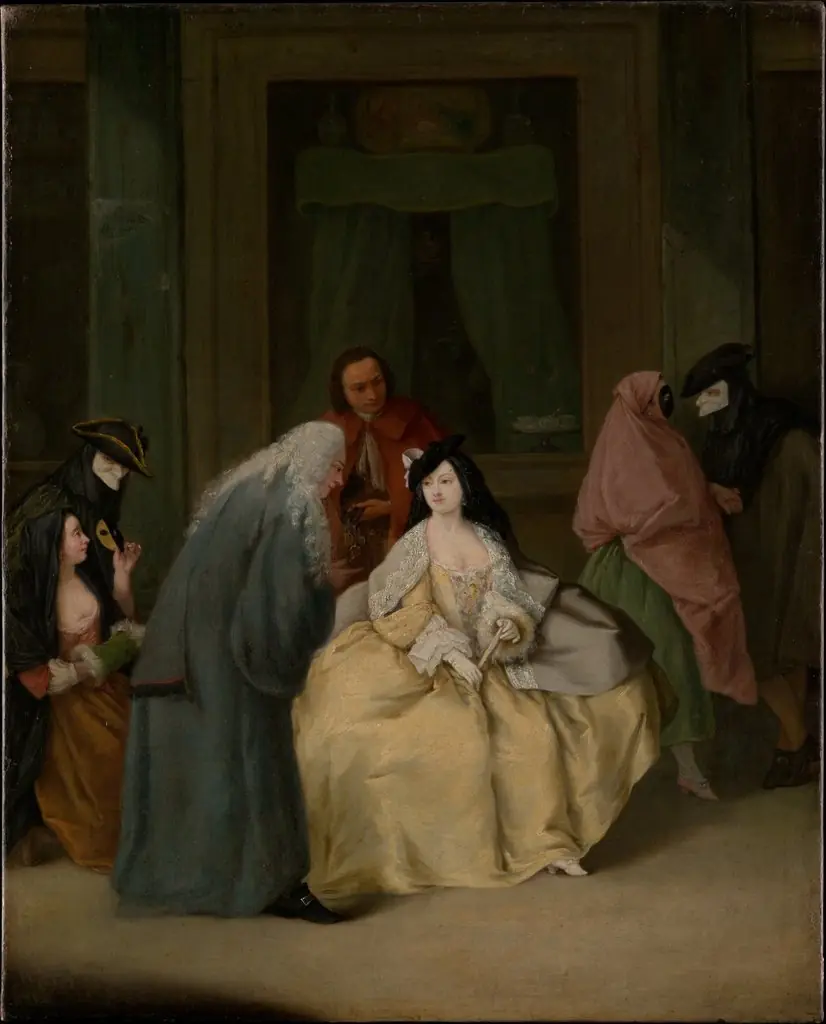 The Meeting
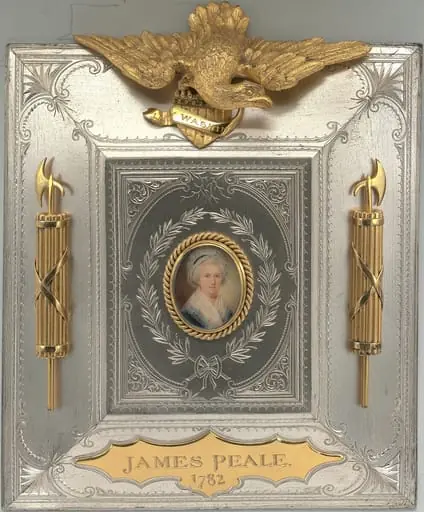 Martha Washington
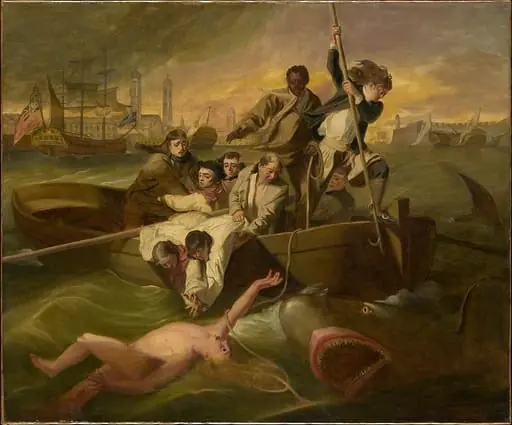 Watson and the Shark
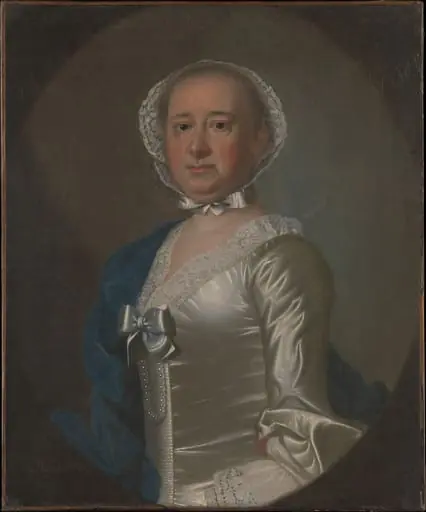 Mrs. Gabriel Manigault
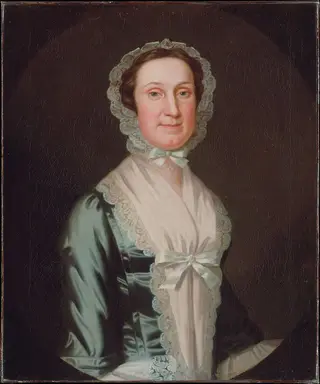 Mrs. Joseph Reade
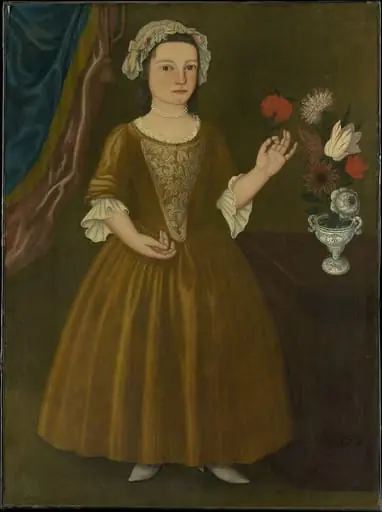 Catherina Elmendorf
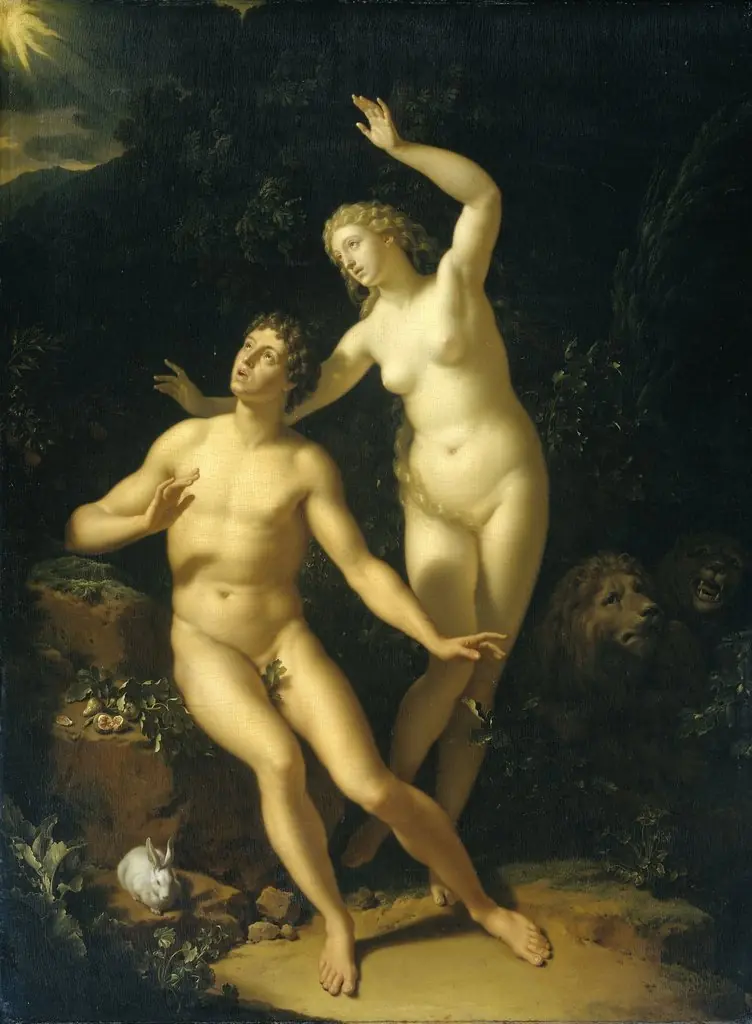 God Holds Adam and Eve Responsible
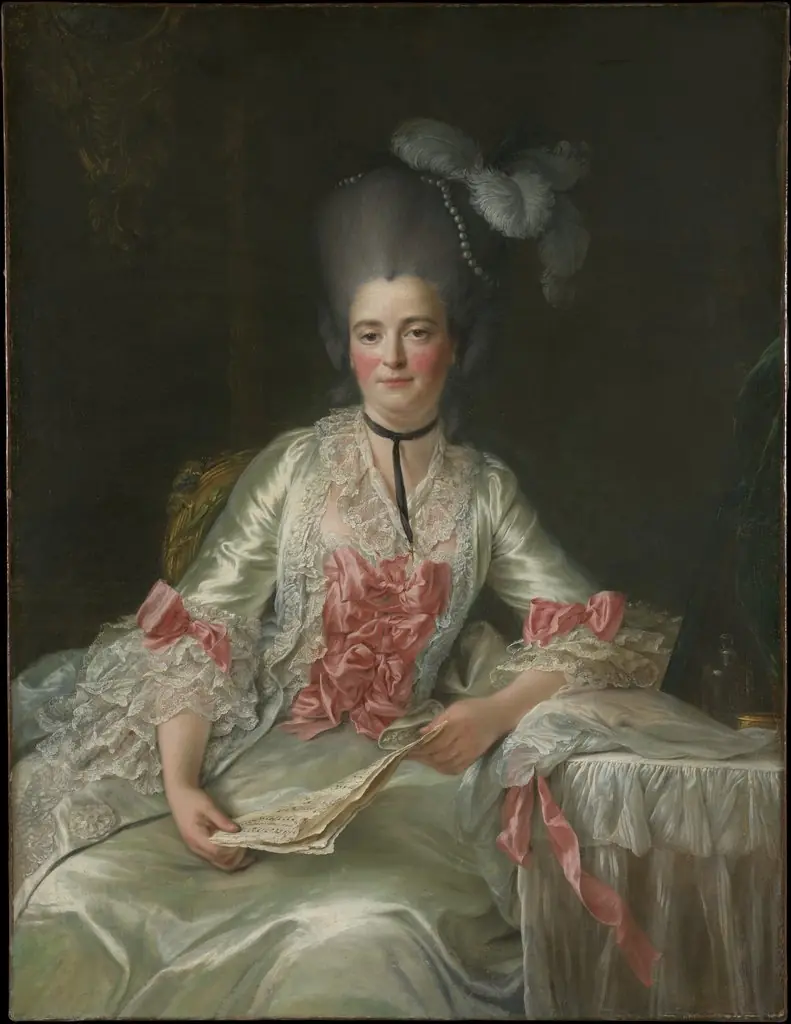 Marie Rinteau, called Mademoiselle de Verrières
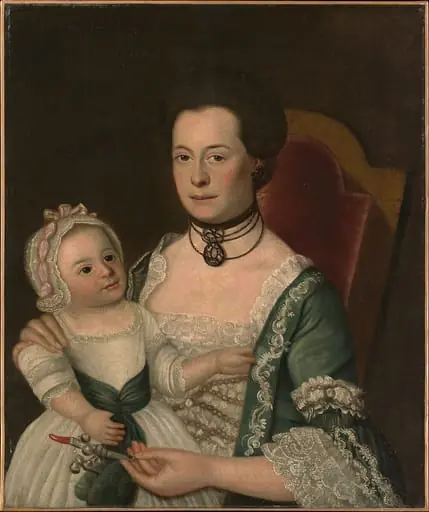 Mrs. Jacob Hurd and Child
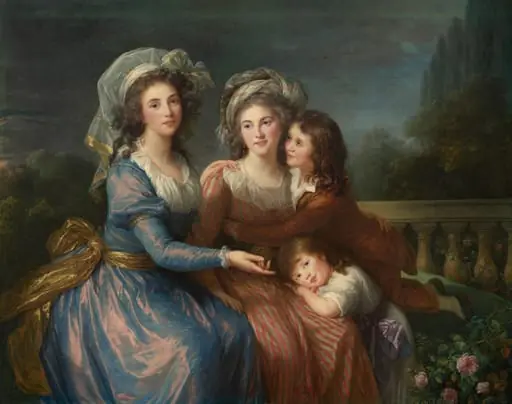 The Marquise de Pezay, and the Marquise de Rougé with Her Sons Alexis and Adrien
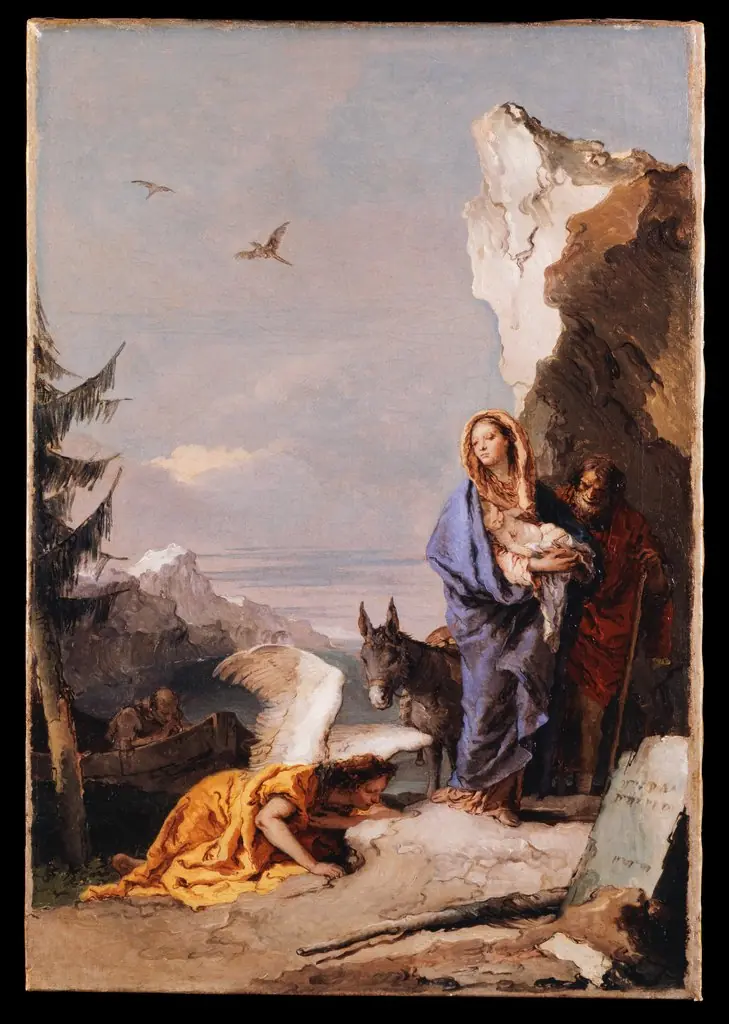 The Flight into Egypt
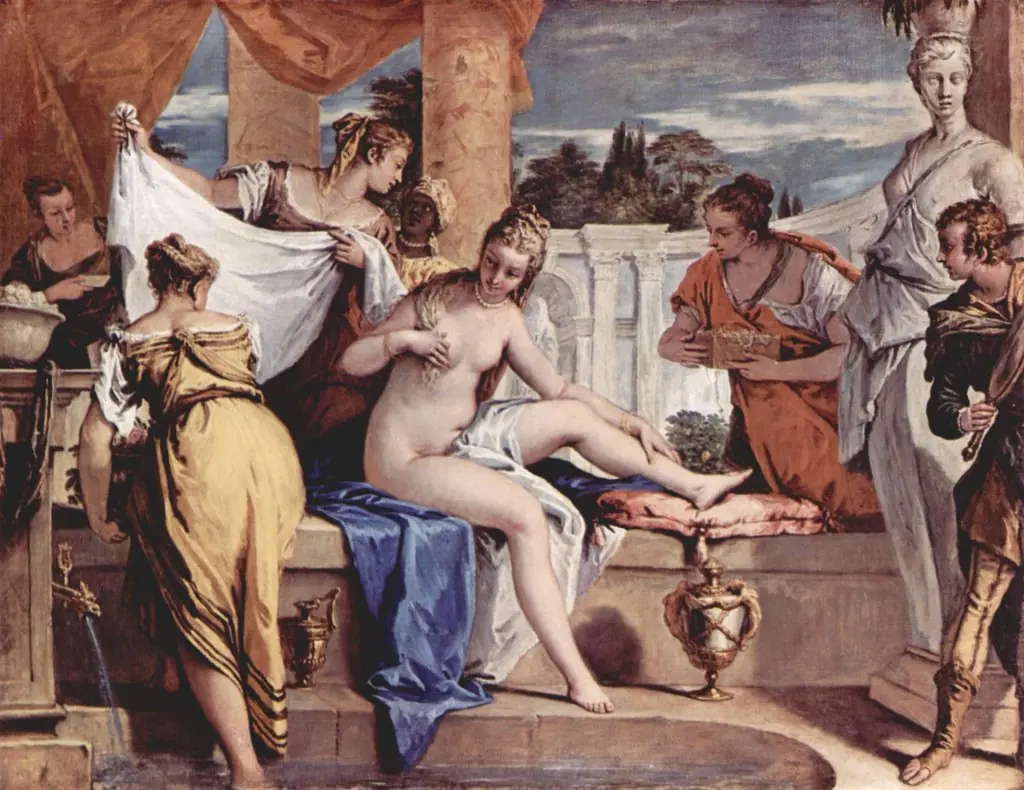 Bathsheba at her bath
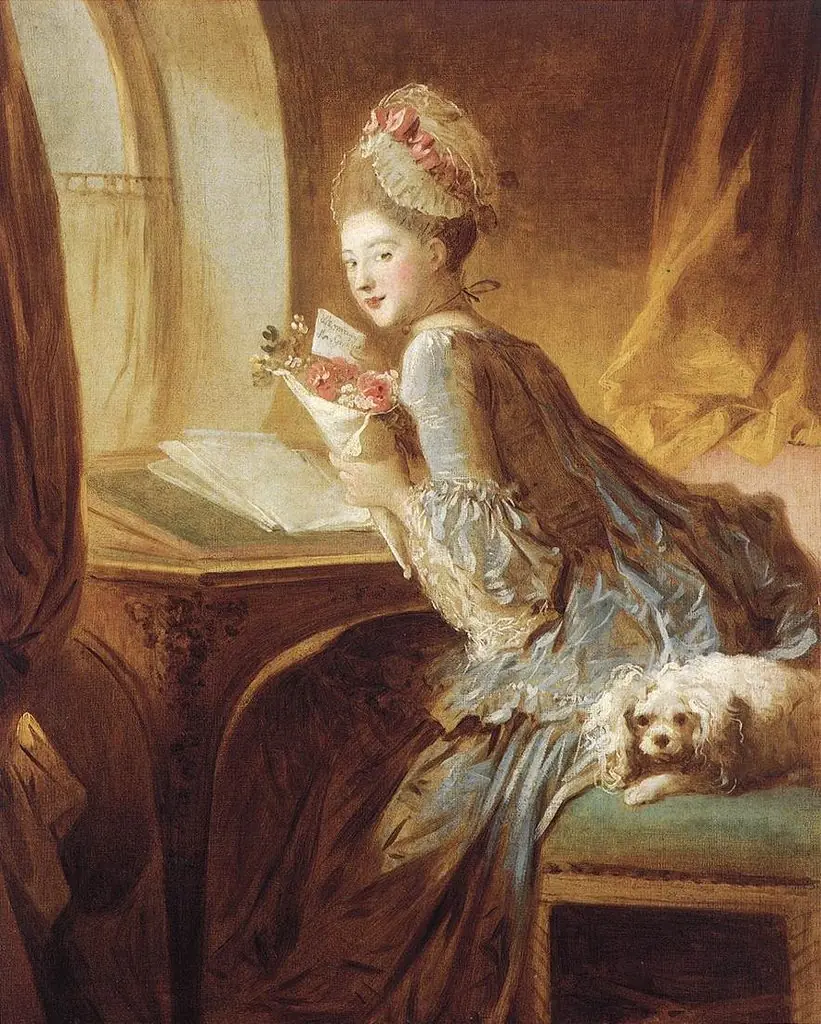 The Love Letter
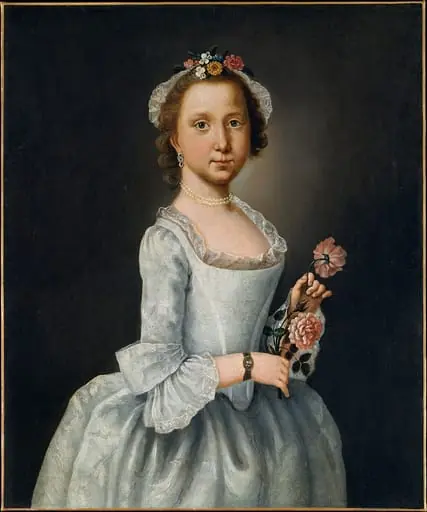 Portrait of a Lady
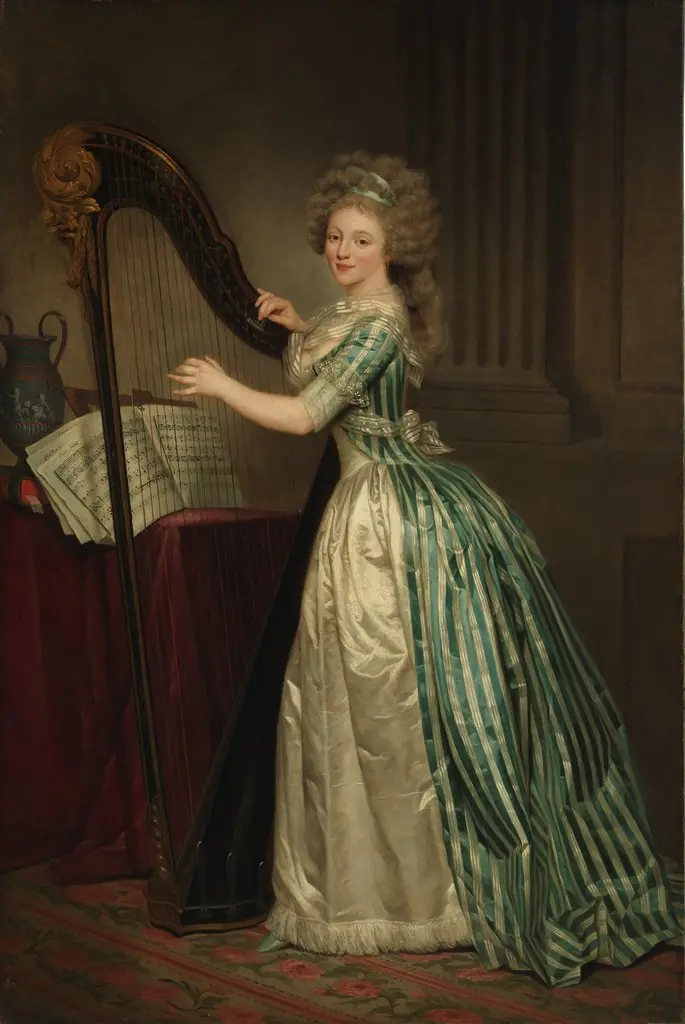 Self-Portrait with a Harp
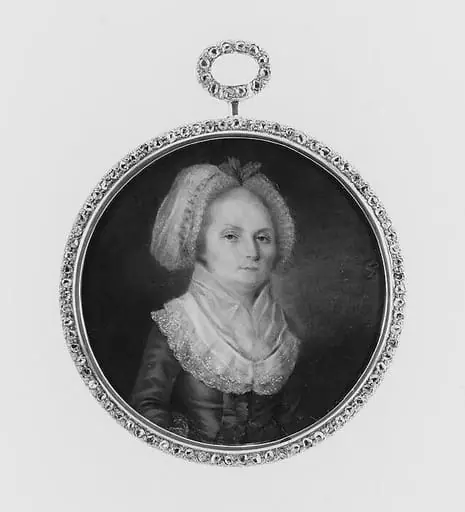 Portrait of a Lady
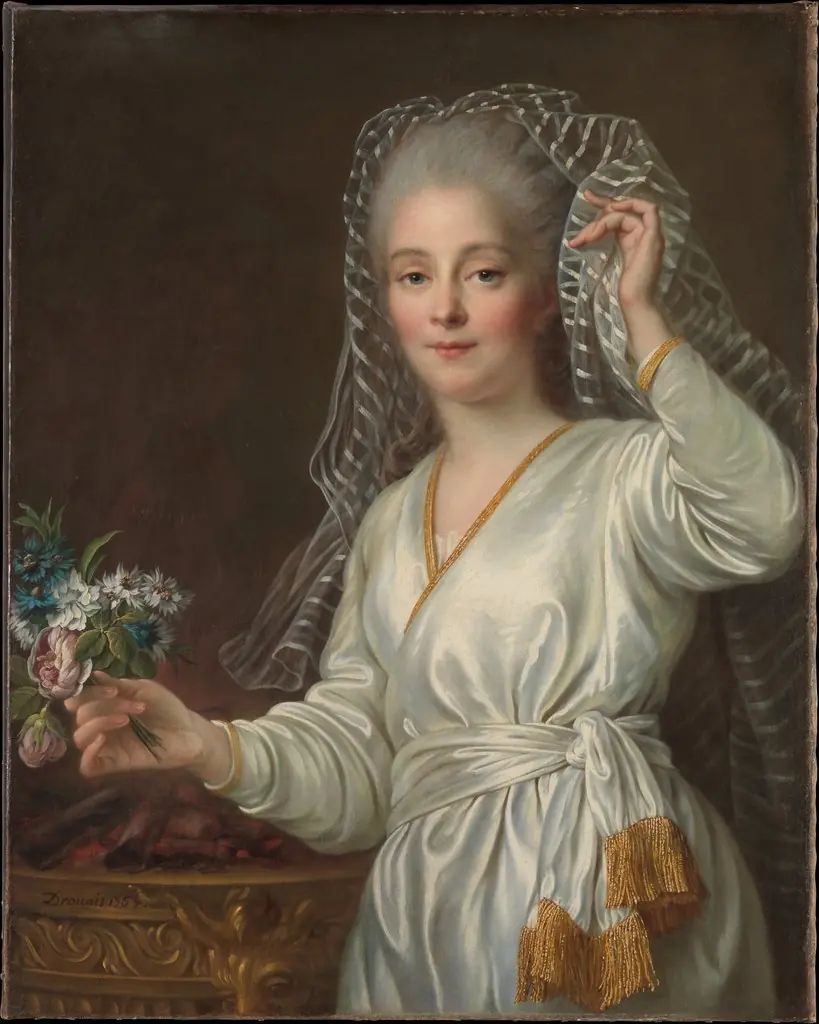 Portrait of a Young Woman as a Vestal Virgin
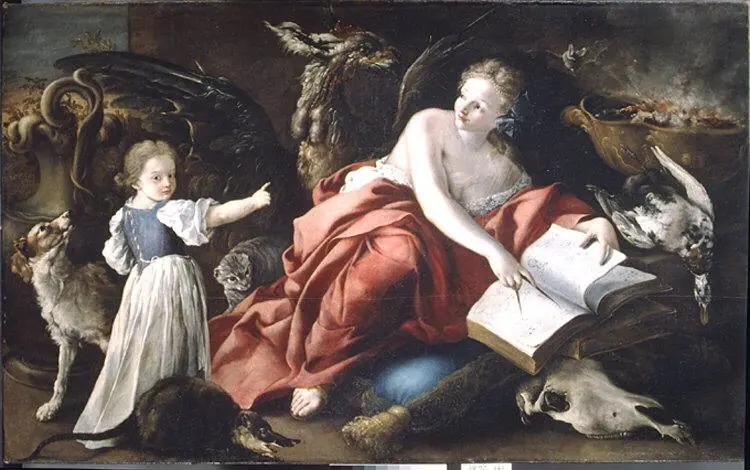 An Allegory
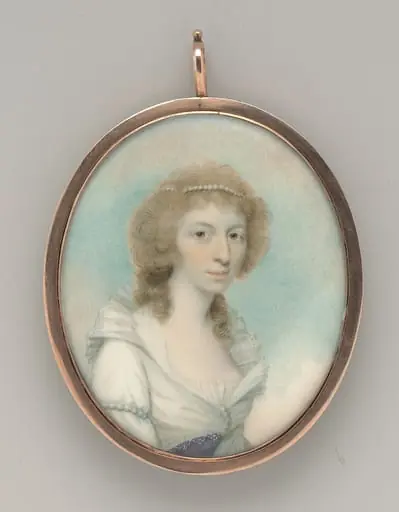 Mrs. Gabriel Manigault (Margaret Izard)
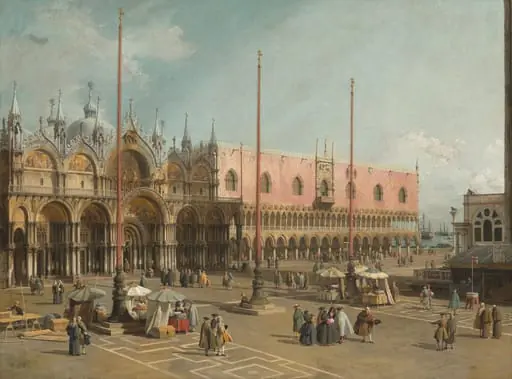 The Square of Saint Mark's, Venice
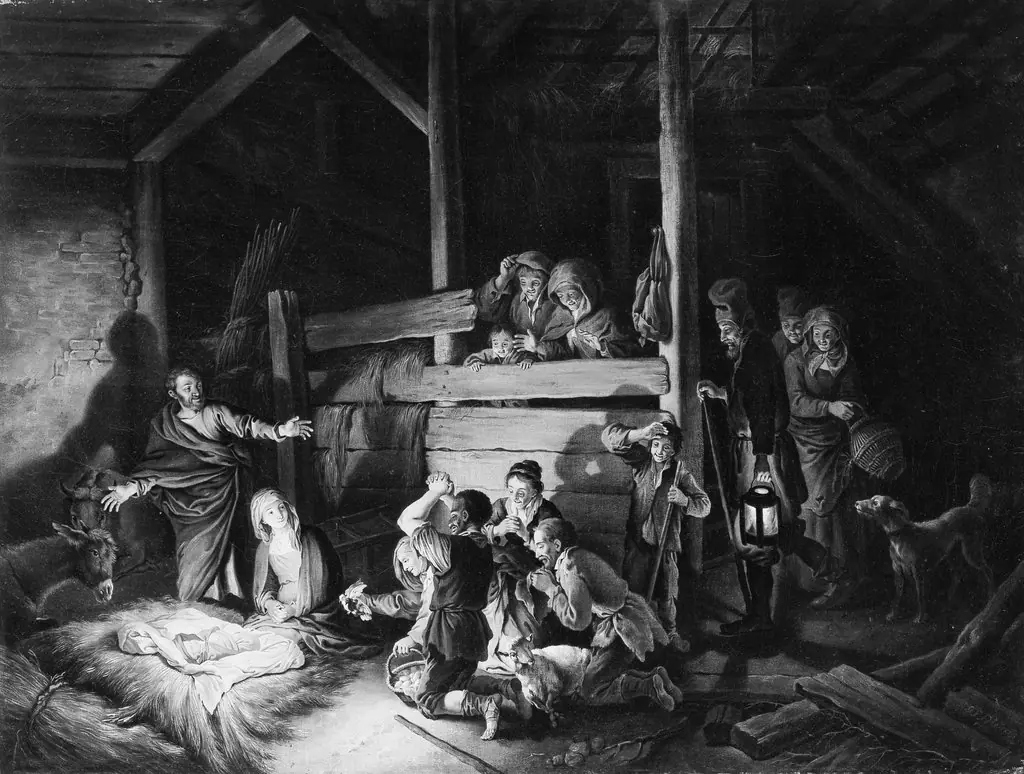 The Adoration of the Shepherds
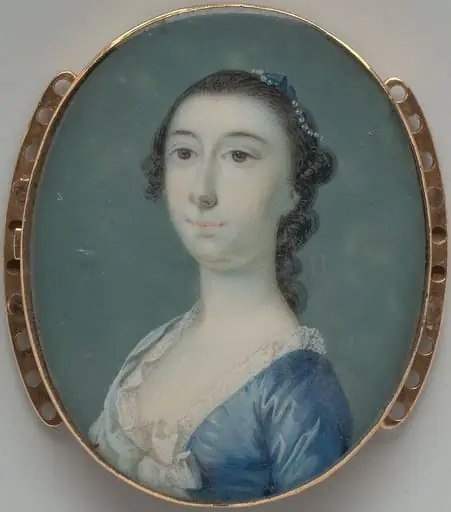 Mrs. Jacob Motte (Rebecca Brewton)
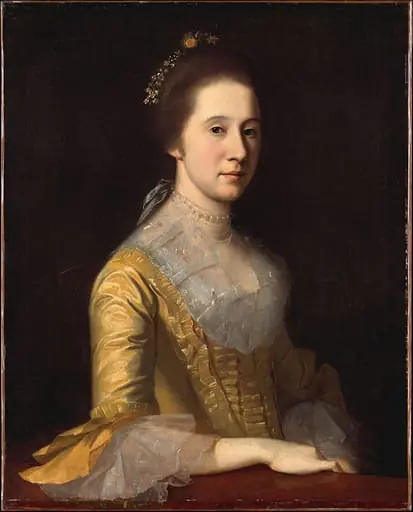 Margaret Strachan (Mrs. Thomas Harwood)
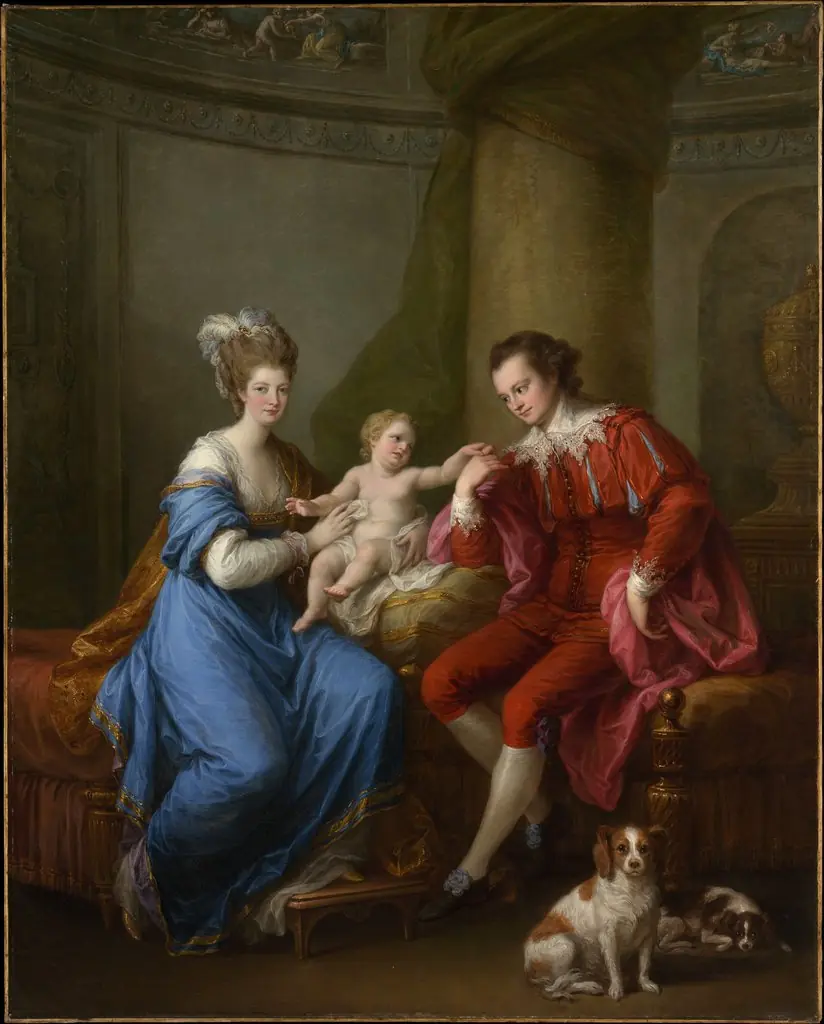 Edward Smith Stanley (1752–1834), Twelfth Earl of Derby, with His First Wife (Lady Elizabeth Hamilton, 1753–1797) and Their Son (Edward Smith Stanley, 1775–1851)
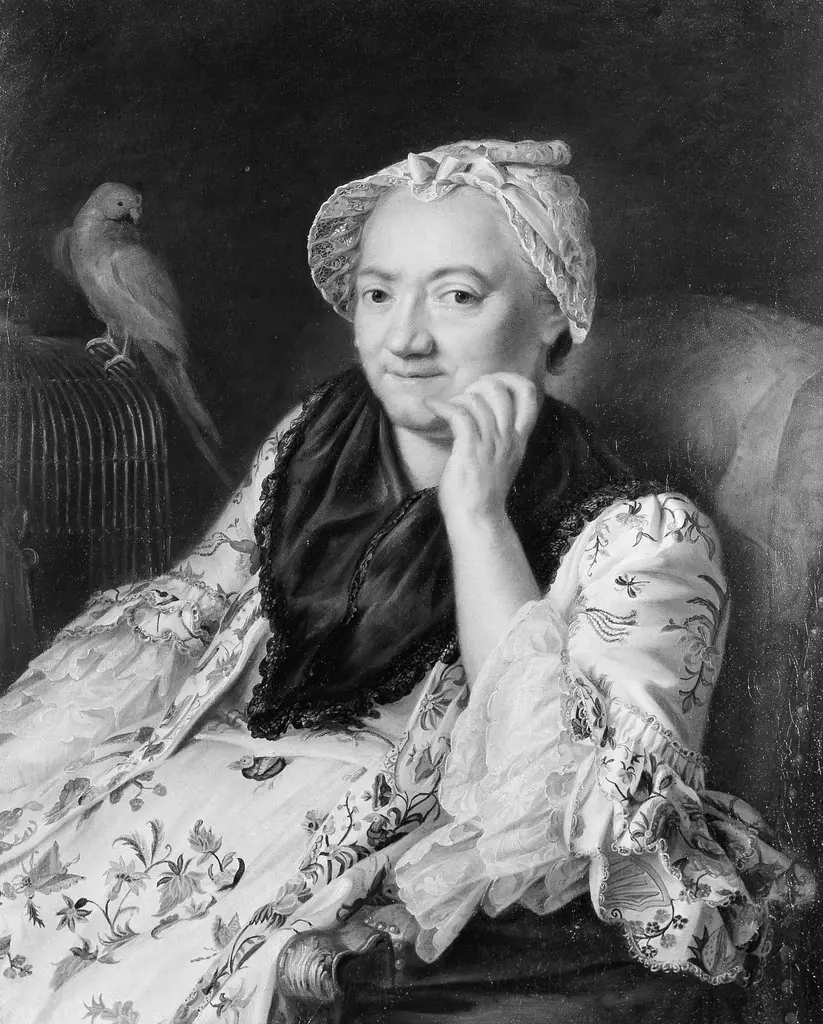 Portrait of a Woman
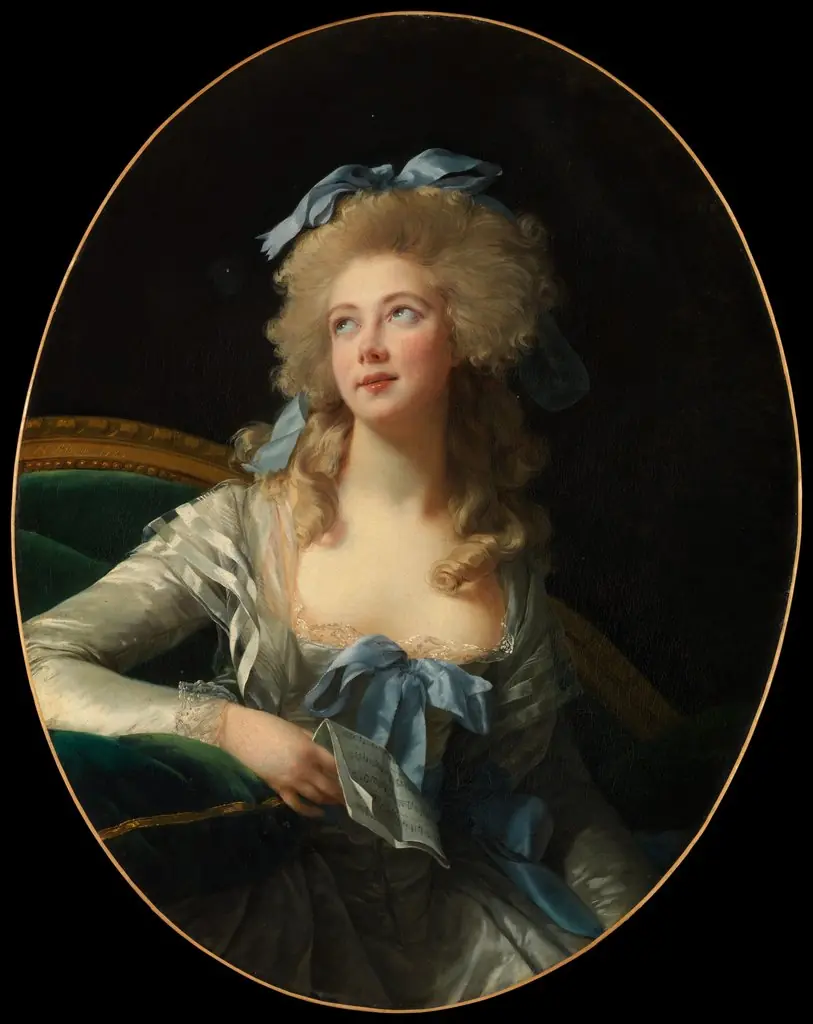 Madame Grand (Noël Catherine Verlée, 1761–1835)
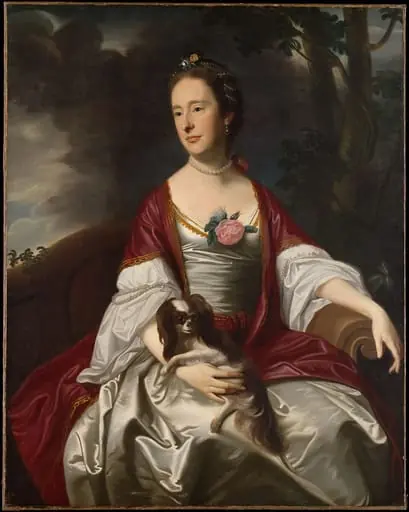 Mrs. Jerathmael Bowers
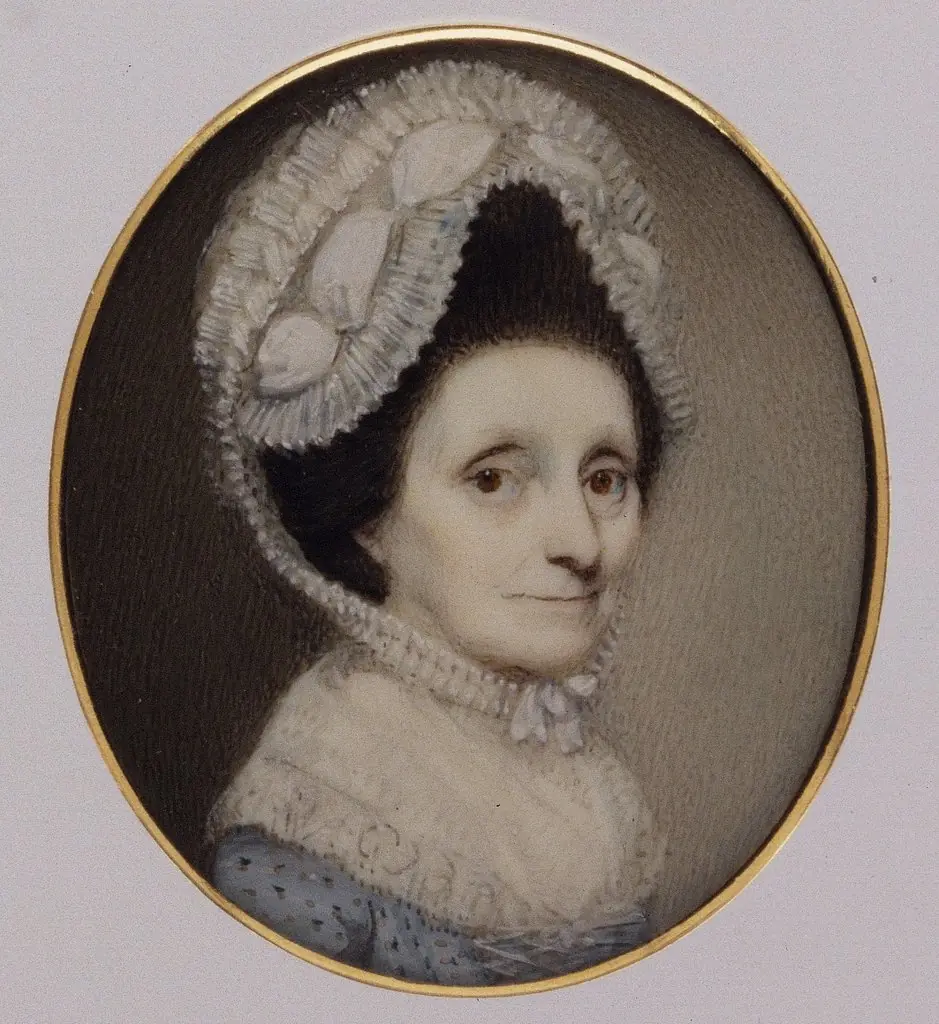 Mrs. Peter De Lancey (Elizabeth Colden, 1720–1784)
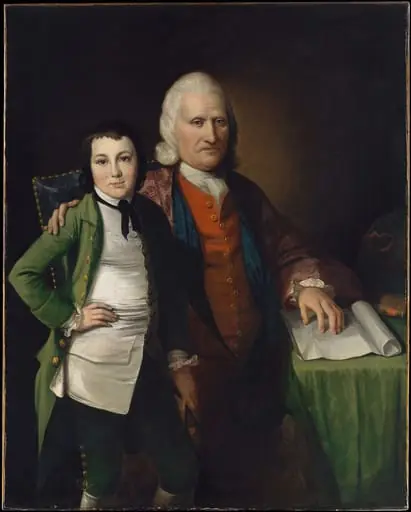 Cadwallader Colden and His Grandson Warren De Lancey
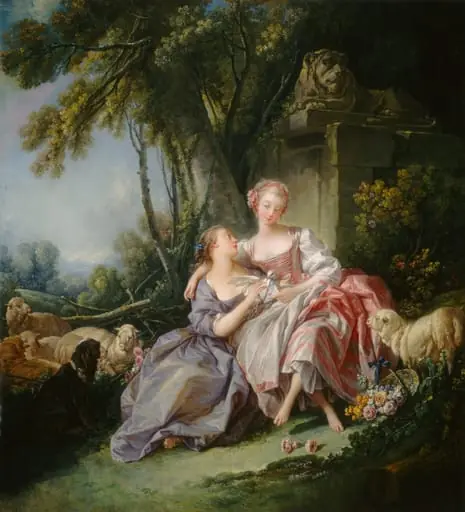 The Love Letter
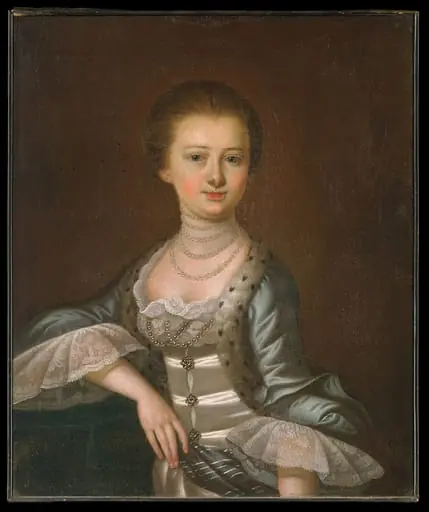 Mrs. John Dart
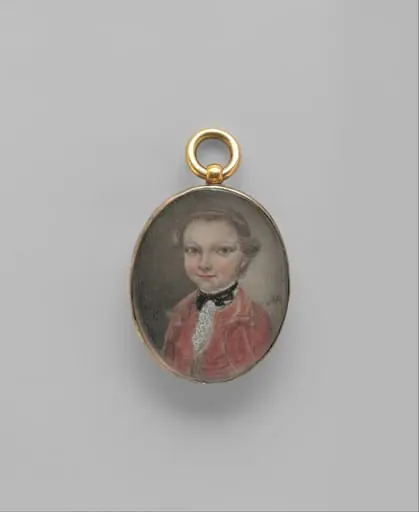 William Middleton
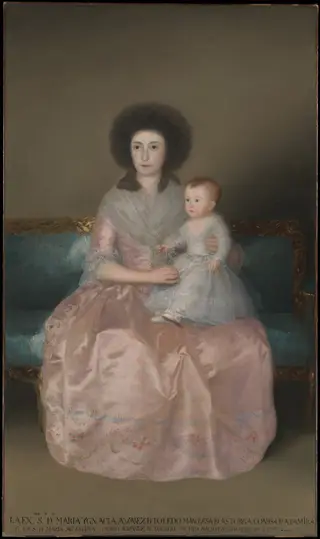 Condesa de Altamira and Her Daughter, María Agustina
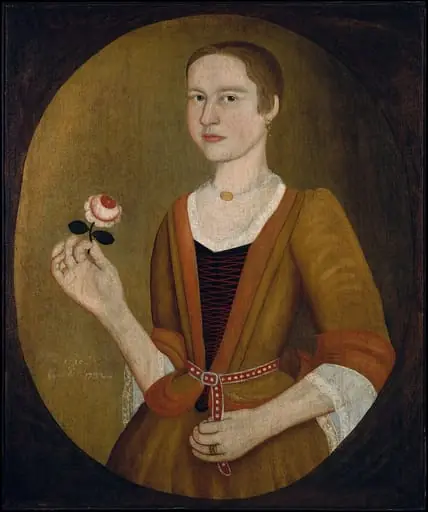 Young Lady with a Rose
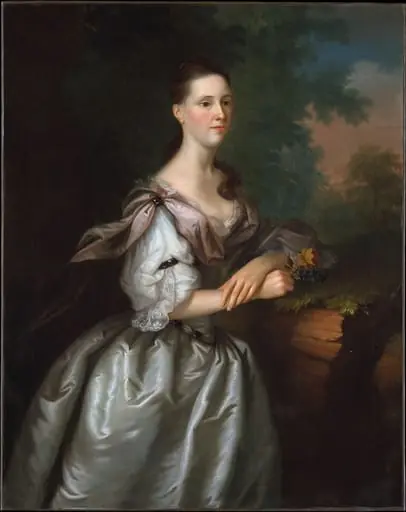 Mrs. Samuel Cutts
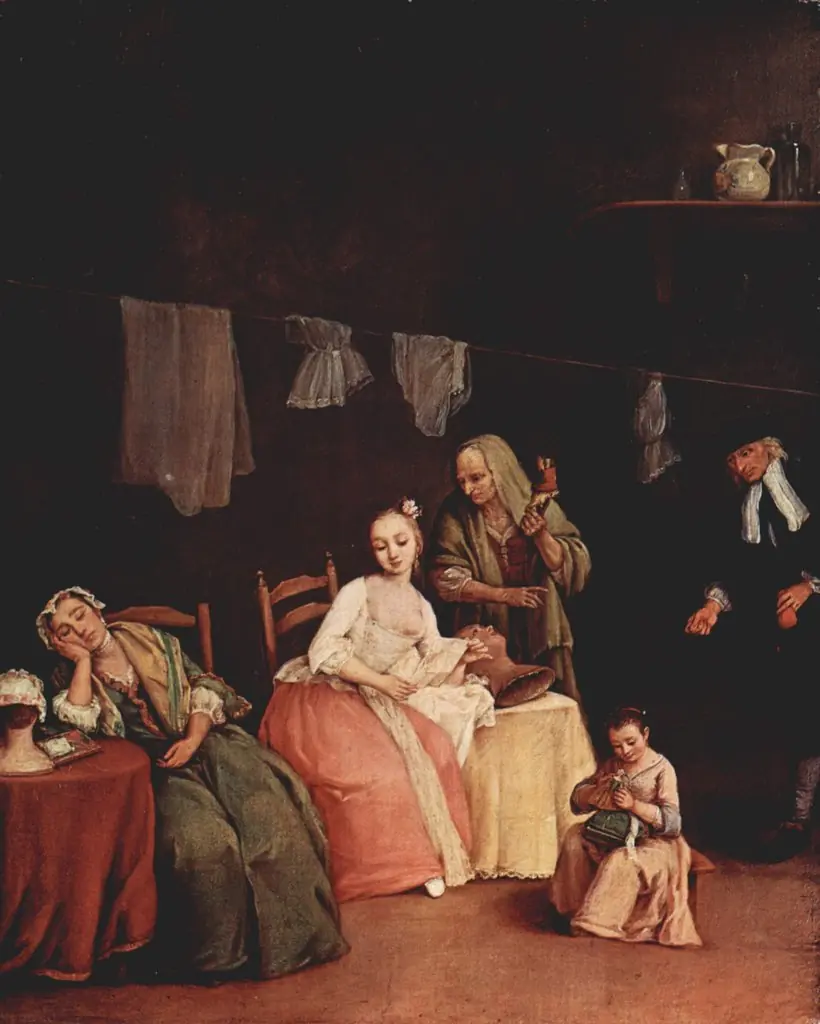 The Letter
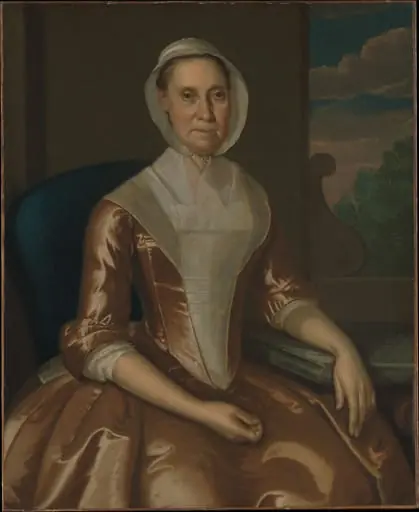 Mrs. Richard Galloway
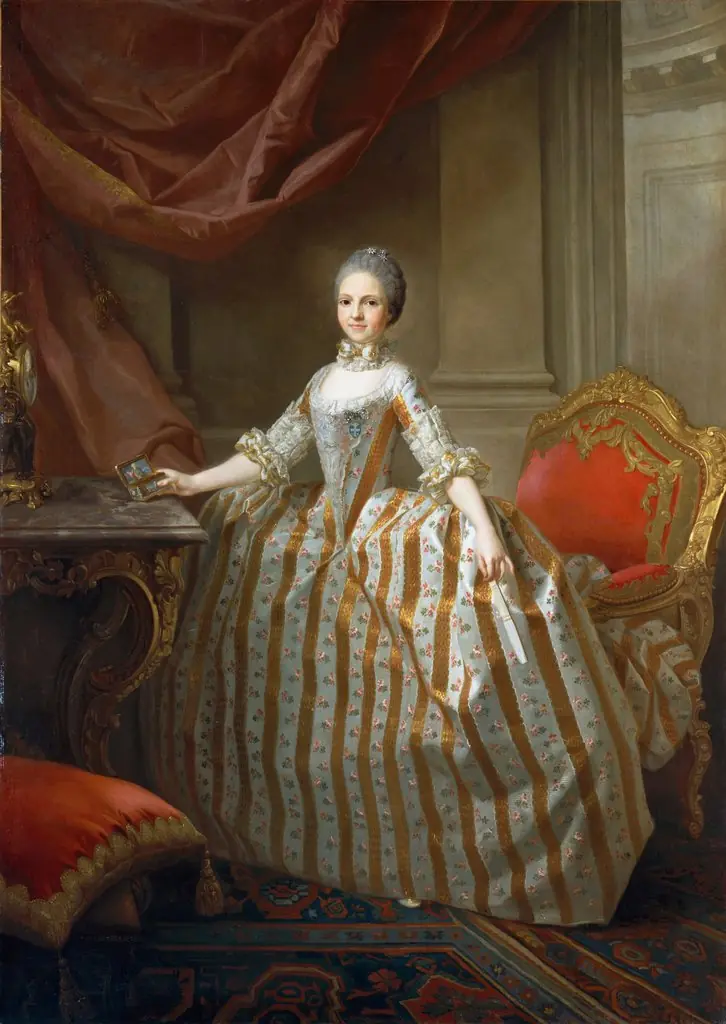 Maria Luisa of Parma (1751–1819), Later Queen of Spain
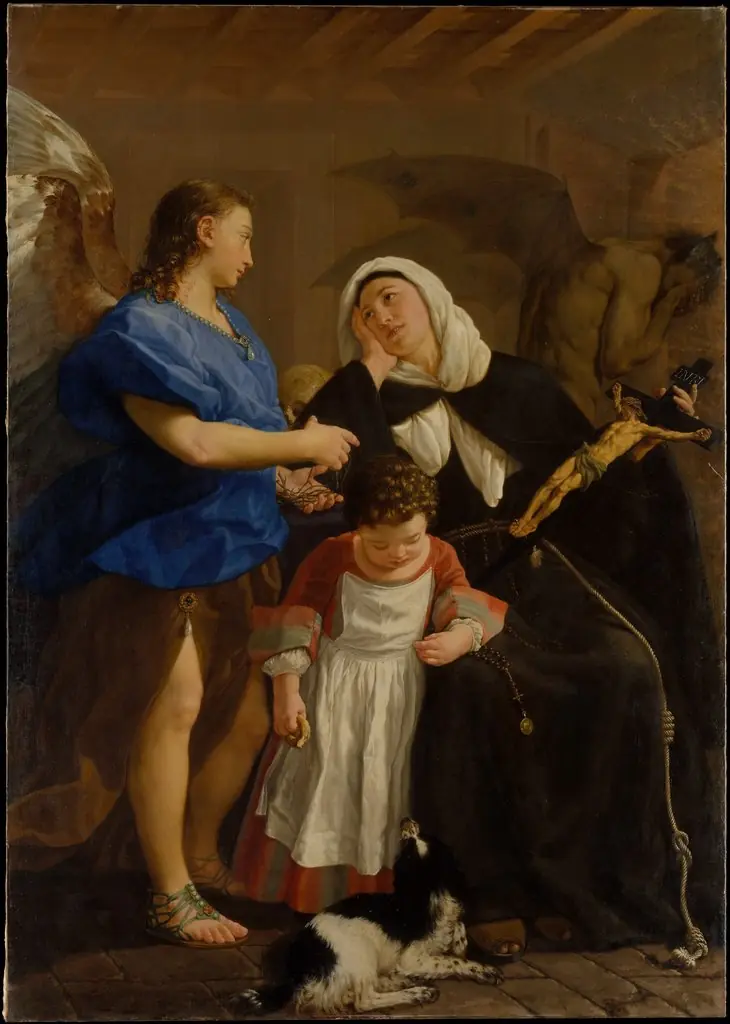 Saint Margaret of Cortona
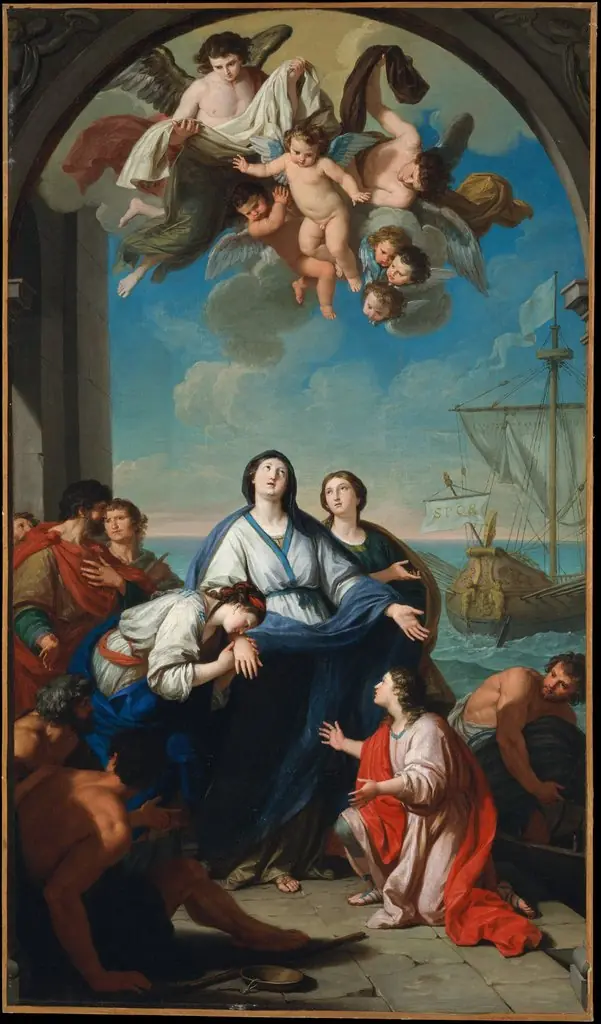 The Departure of Saints Paula and Eustochium for the Holy Land
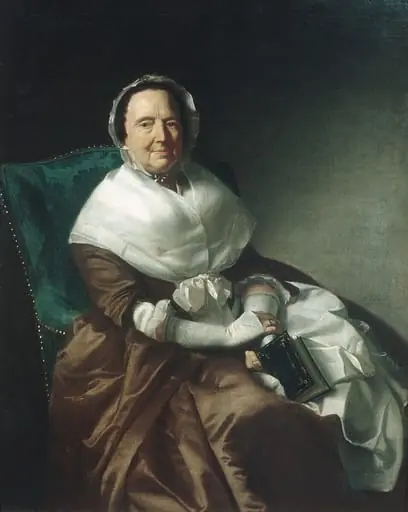 Mrs. Sylvanus Bourne
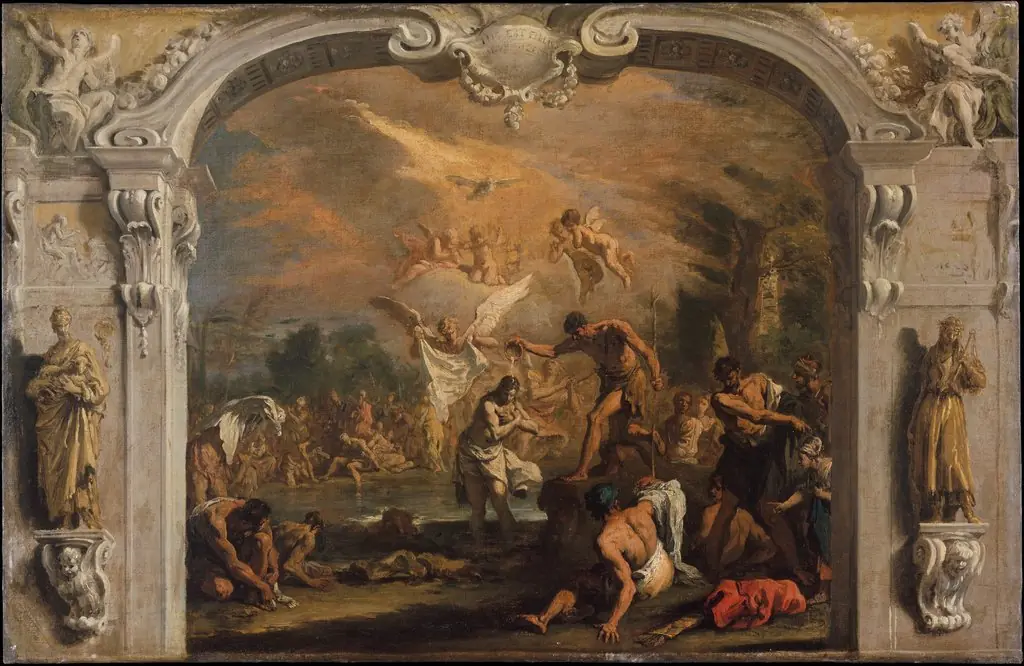 The Baptism of Christ
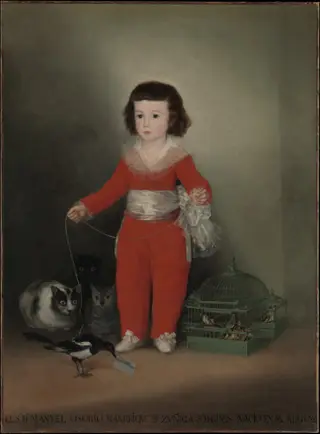 Don Manuel Osorio de Zuniga
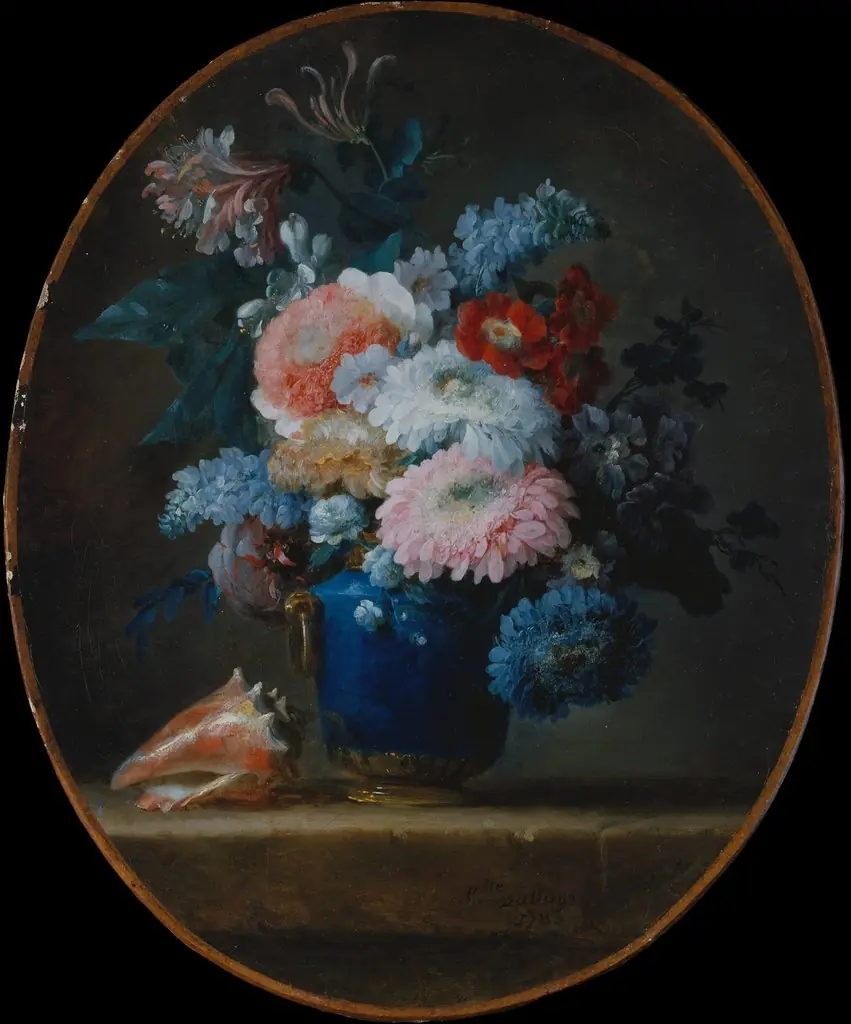 Vase of Flowers and Conch Shell
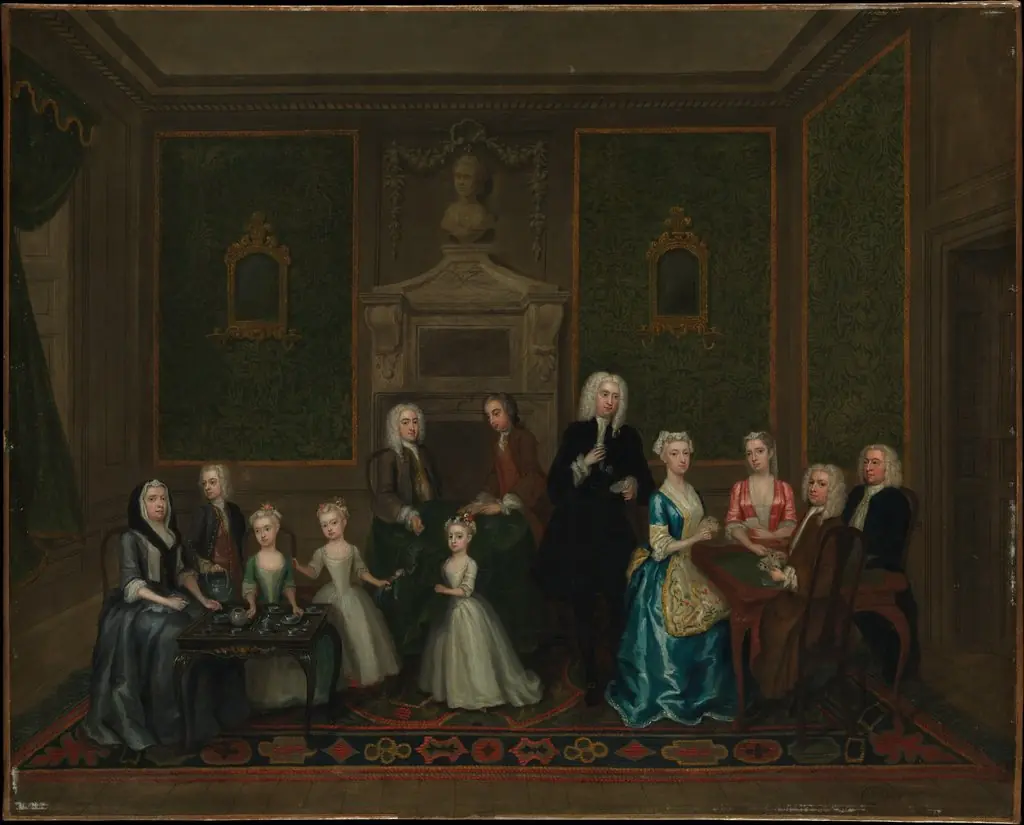 The Strong Family
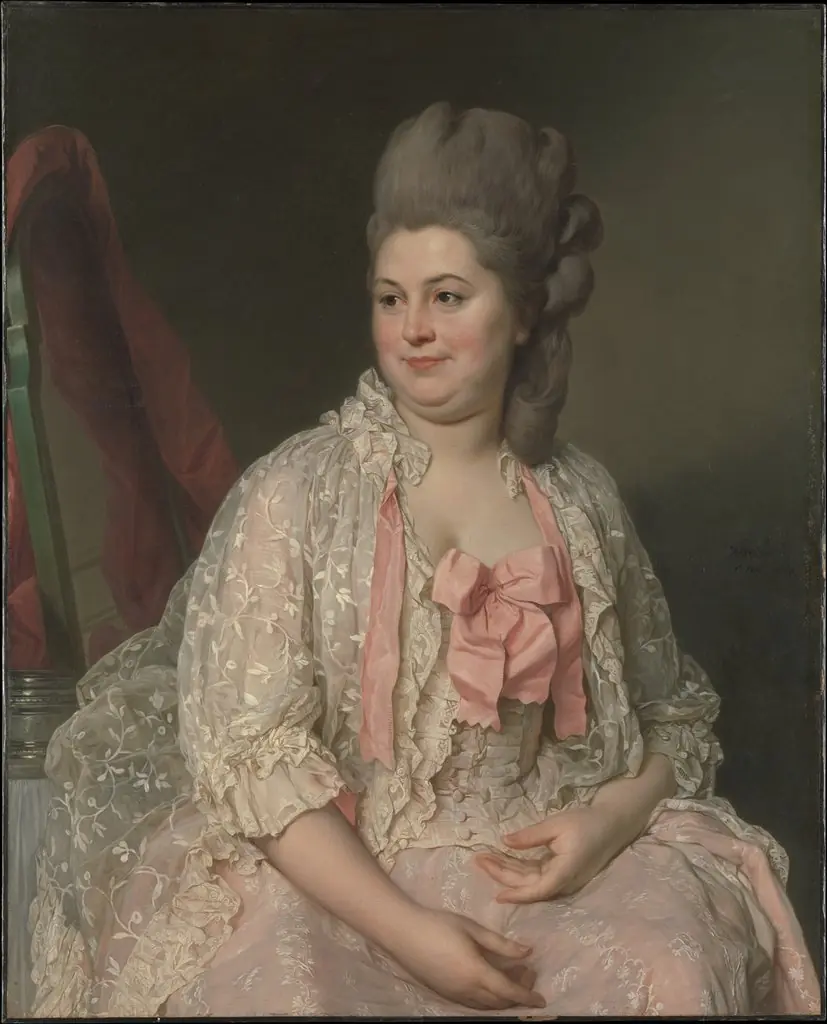 Madame de Saint-Maurice
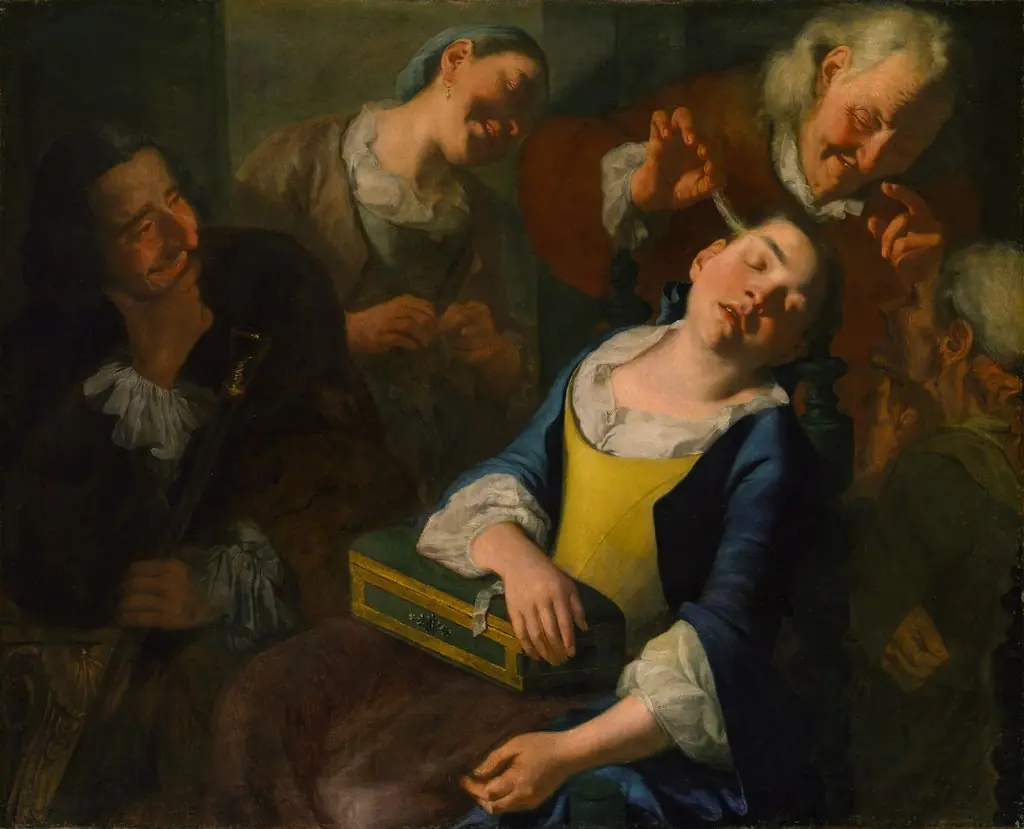 Teasing a Sleeping Girl
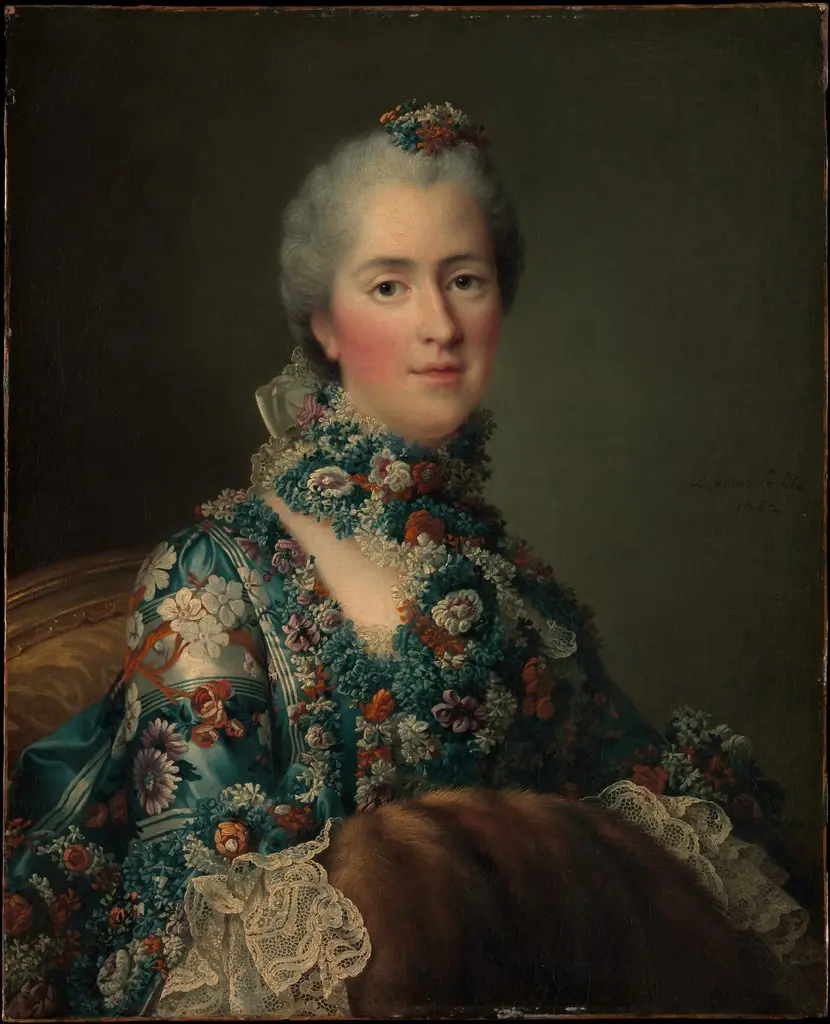 Madame Sophie de France (1734–1782)
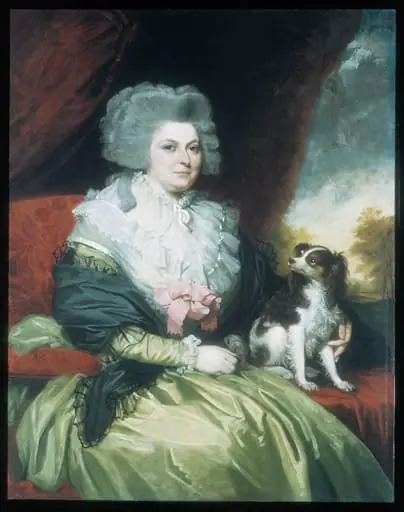 Lady with a Dog
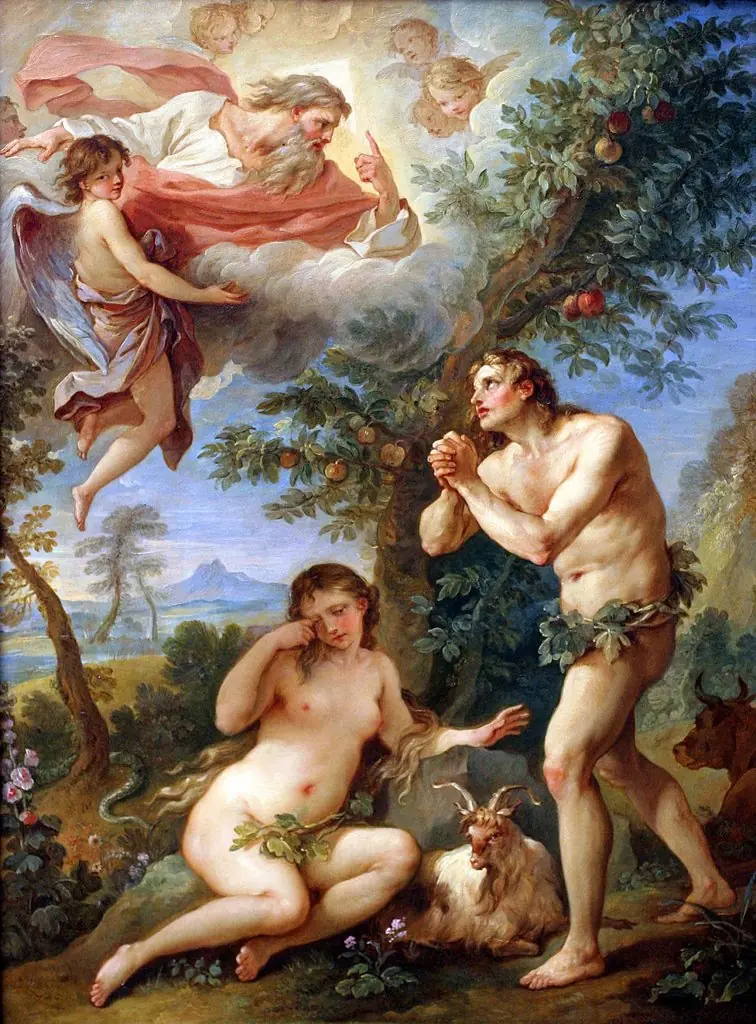 The Rebuke of Adam and Eve
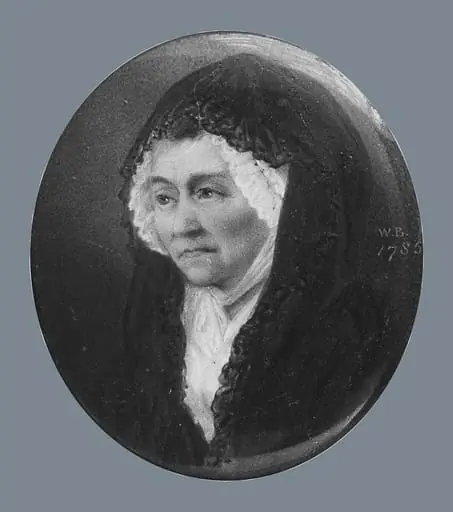 Mary Birch
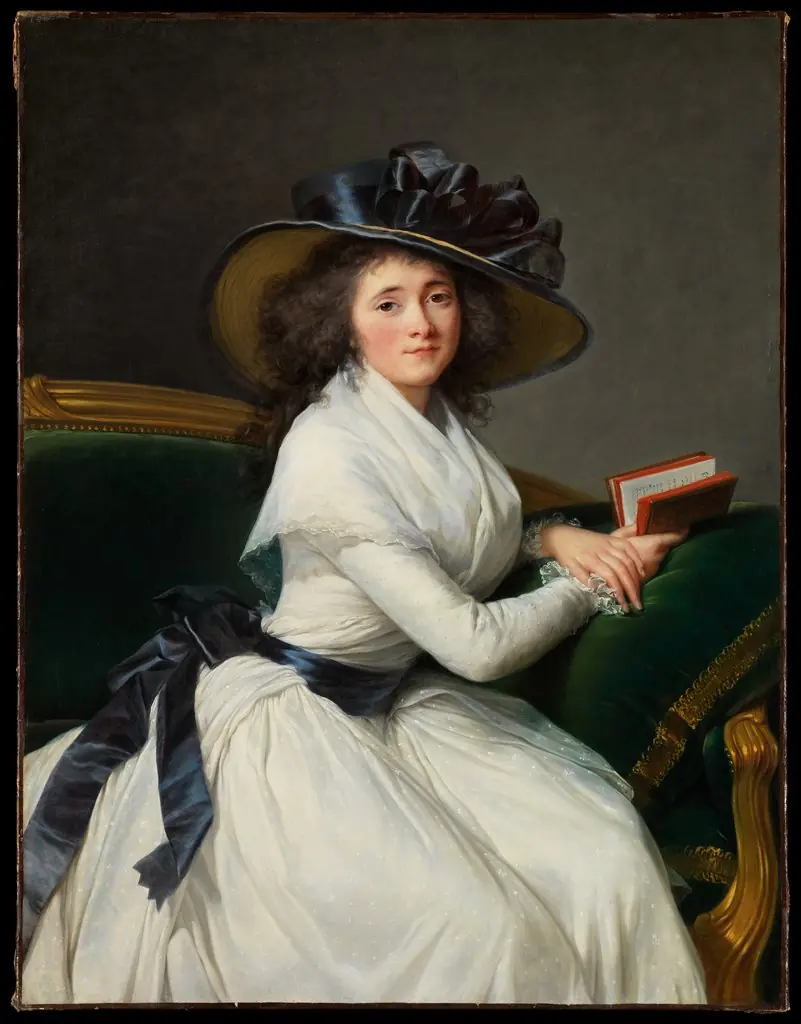 Comtesse de la Châtre (Marie Charlotte Louise Perrette Aglaé Bontemps, 1762–1848)
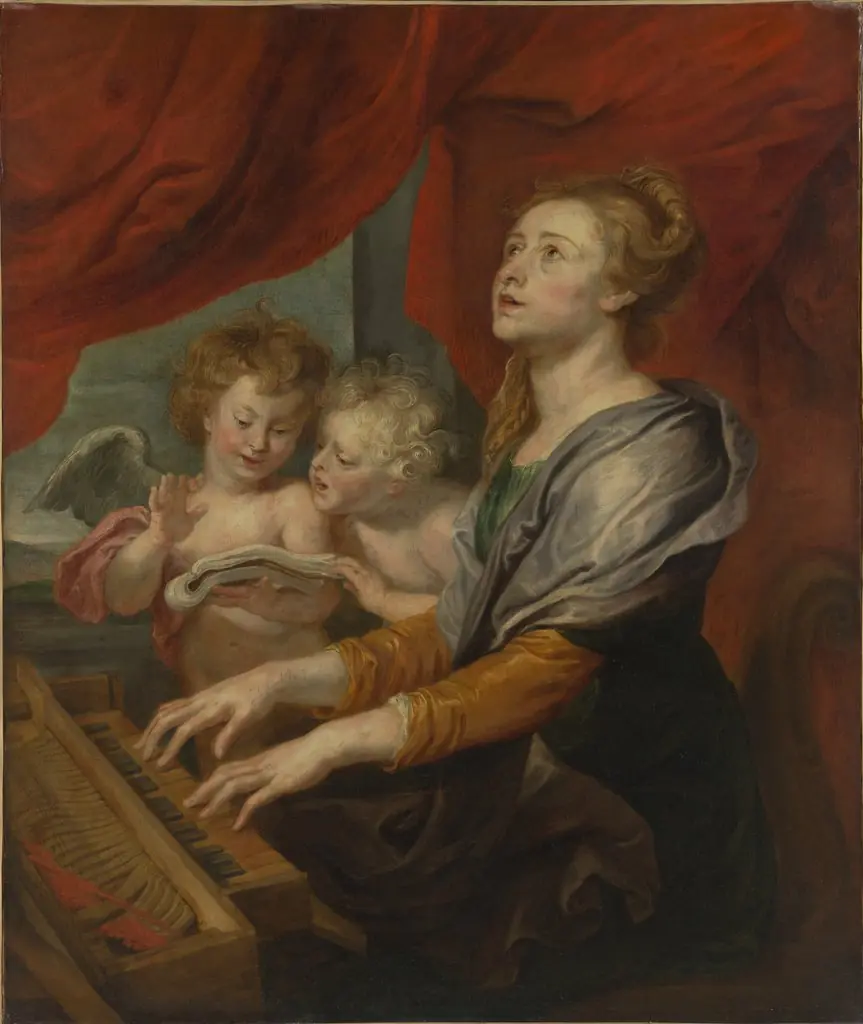 Saint Cecilia
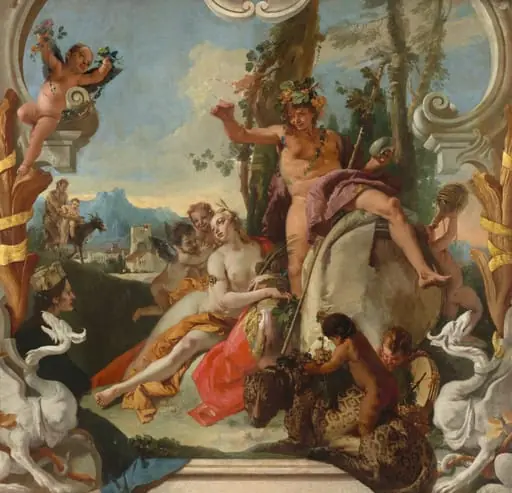 Bacchus and Ariadne
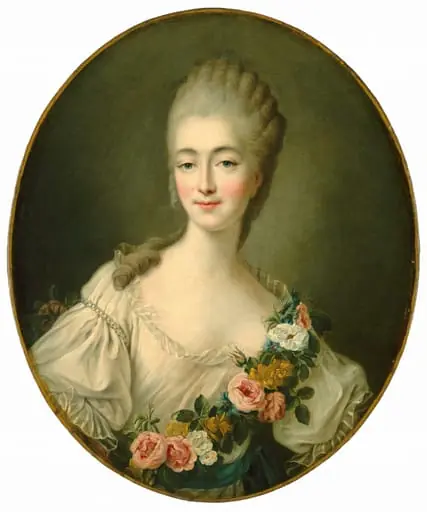 Jeanne Bécu, Comtesse du Barry
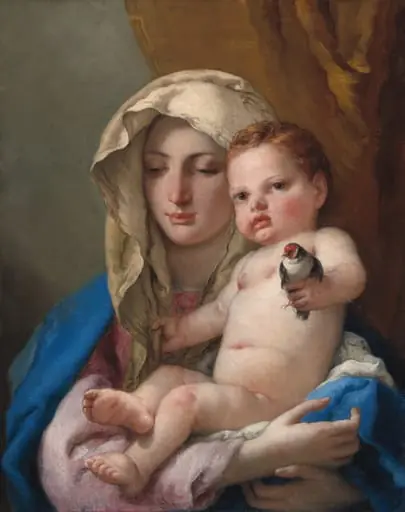 Madonna of the Goldfinch
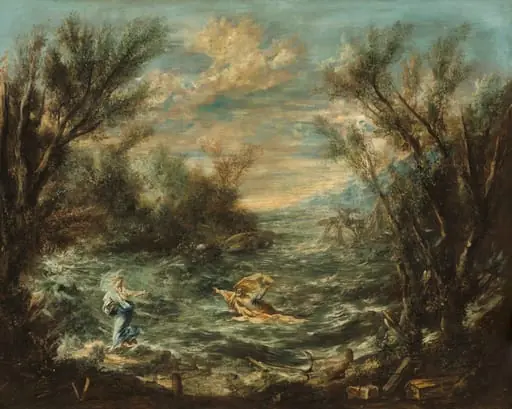 Christ at the Sea of Galilee
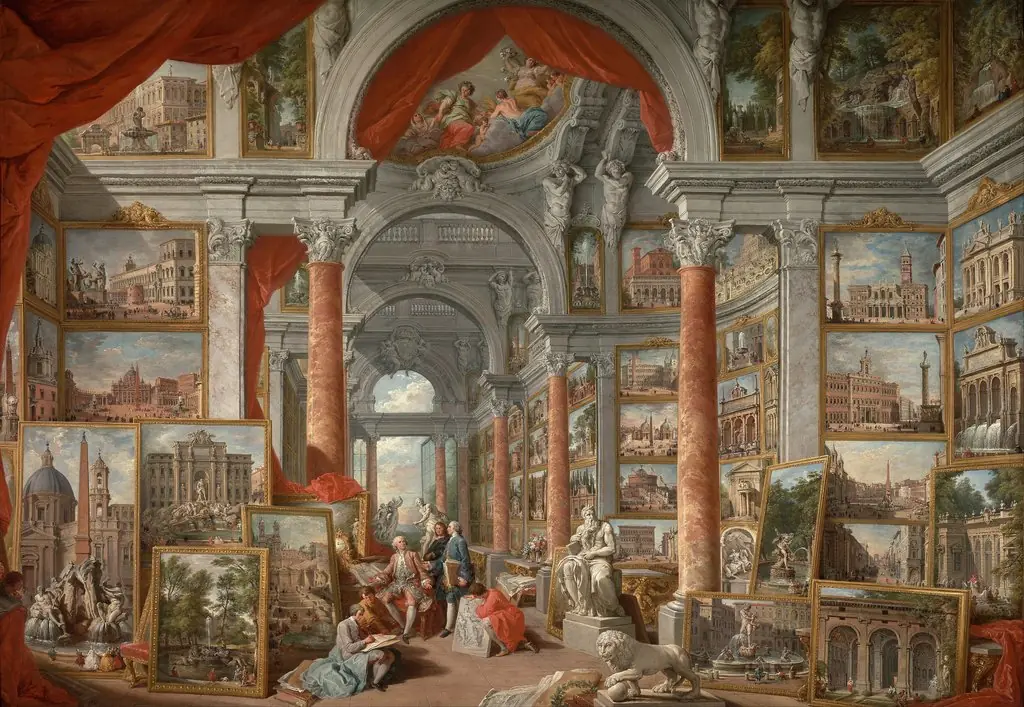 Picture Gallery with Views of Modern Rome
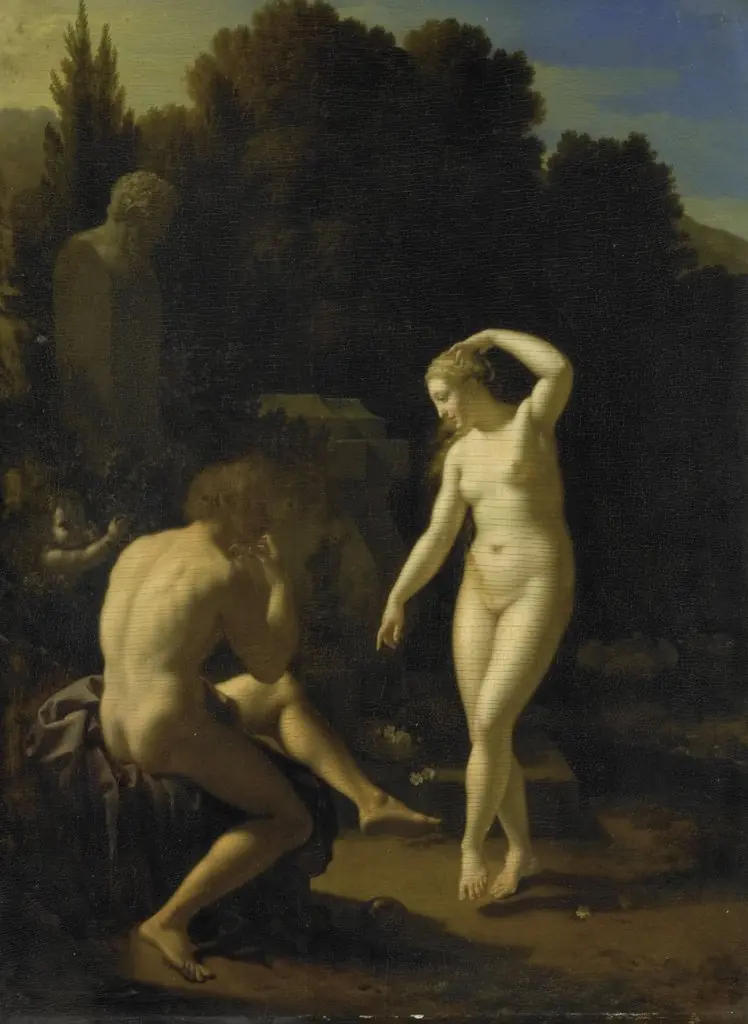 A Nymph Dancing to a Shepherd's Flute-Playing
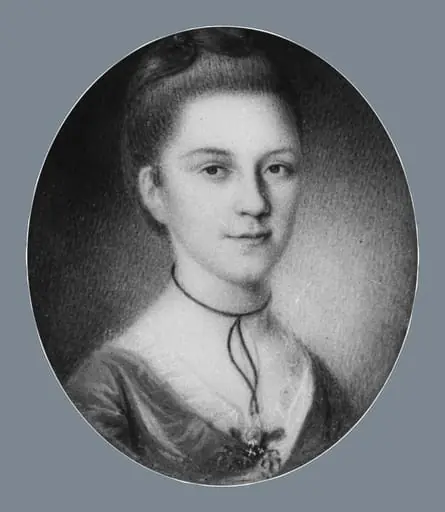 Mrs. Michael Taney (Monica Brooke)
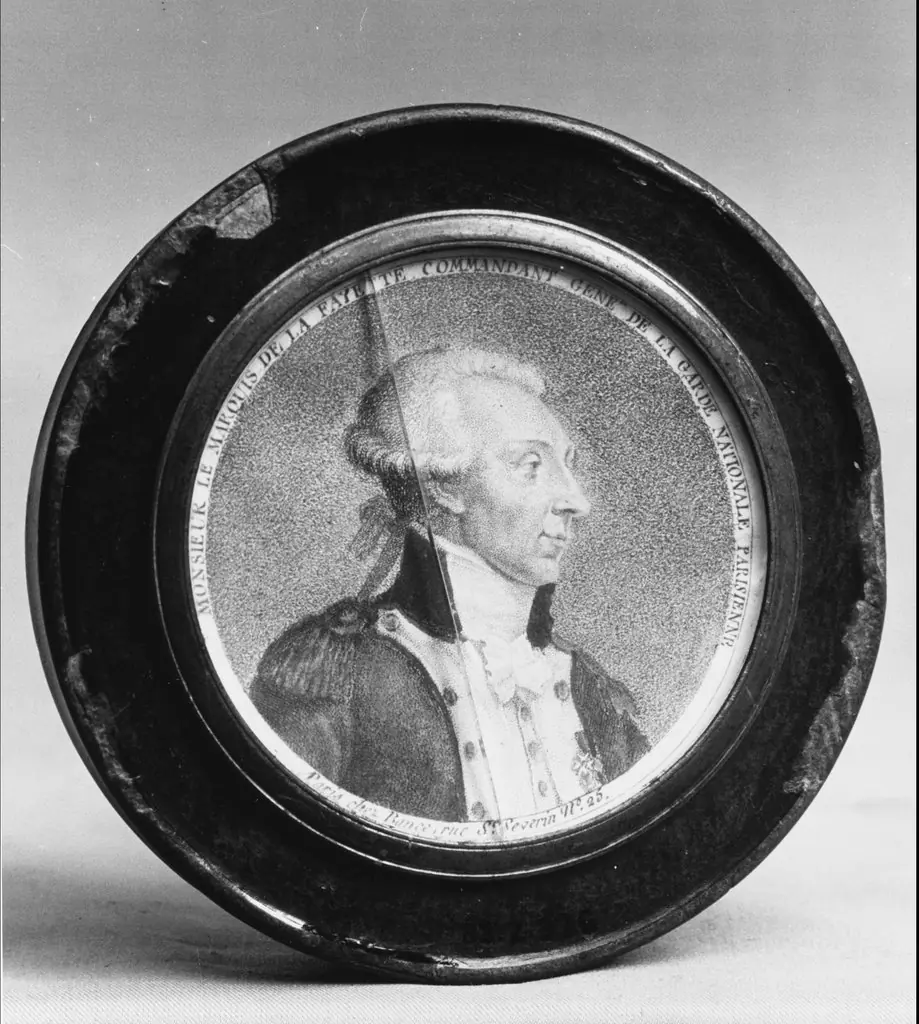 Portrait Miniature of the Marquis de Lafayette
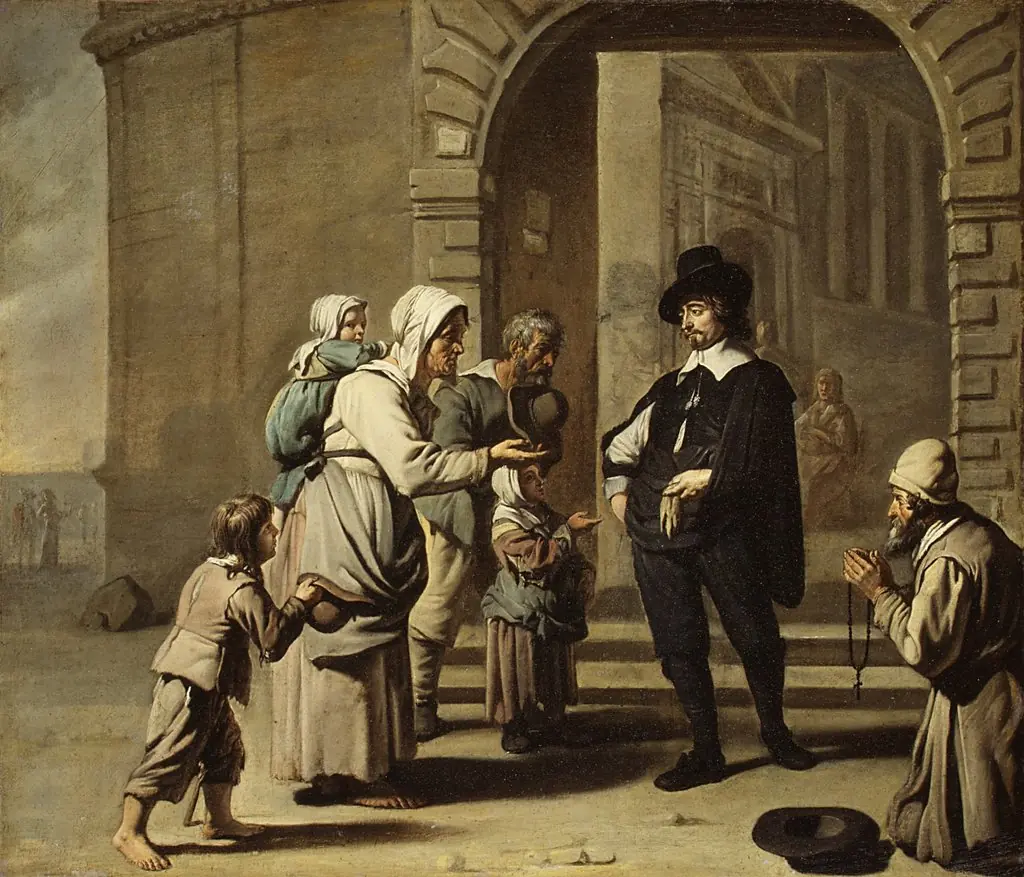 Beggars at a Doorway
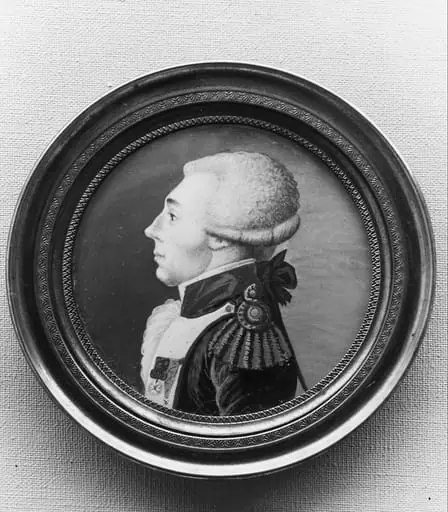 Portrait Miniature of the Marquis de Lafayette
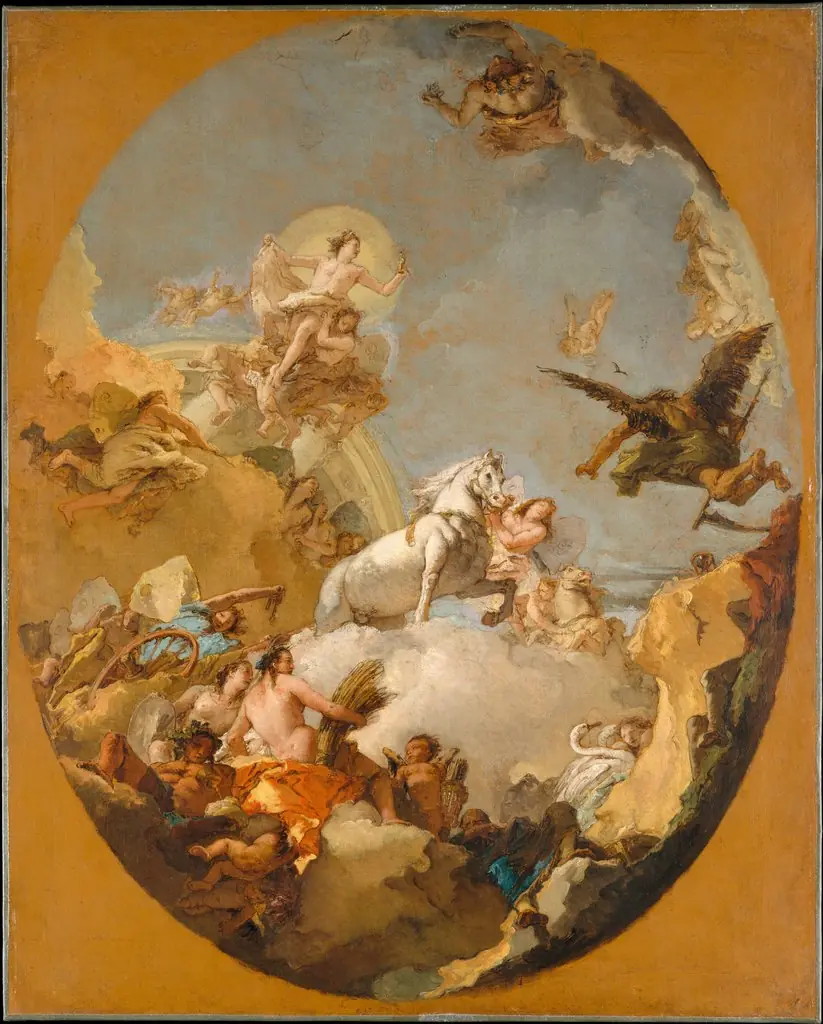 The Chariot of Aurora
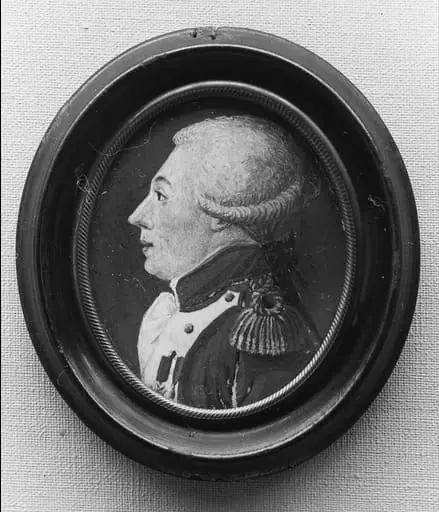 Portrait Miniature of the Marquis de Lafayette
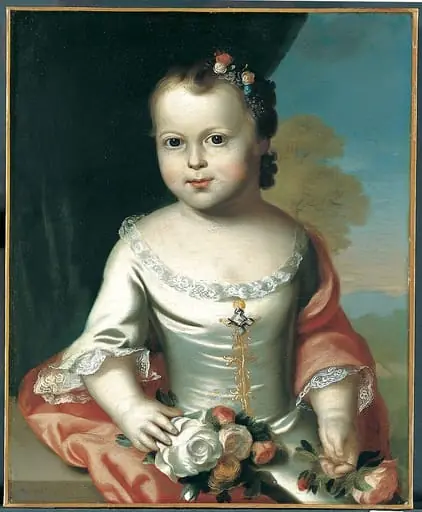 Elizabeth Greenleaf
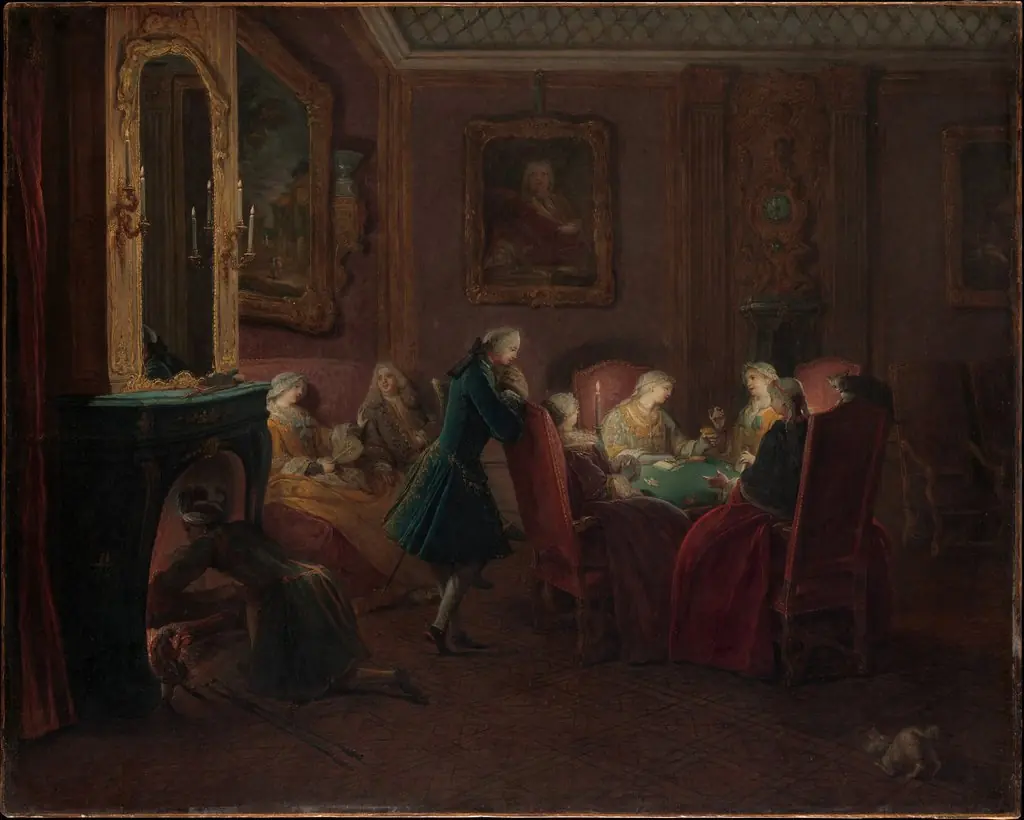 Card Players in a Drawing Room
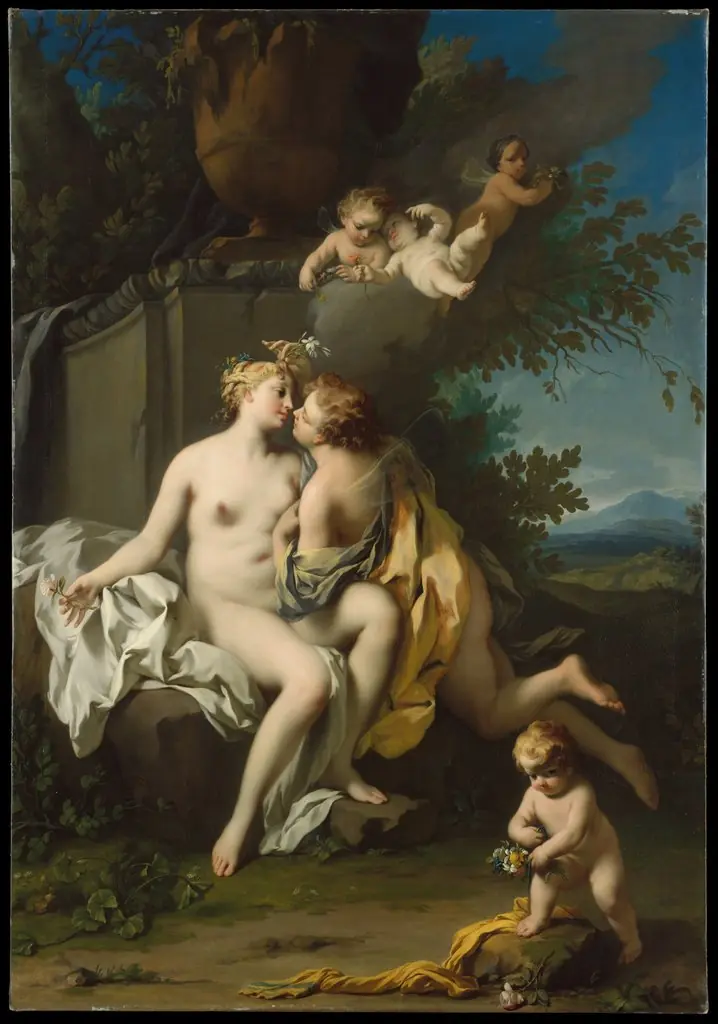 Flora and Zephyr
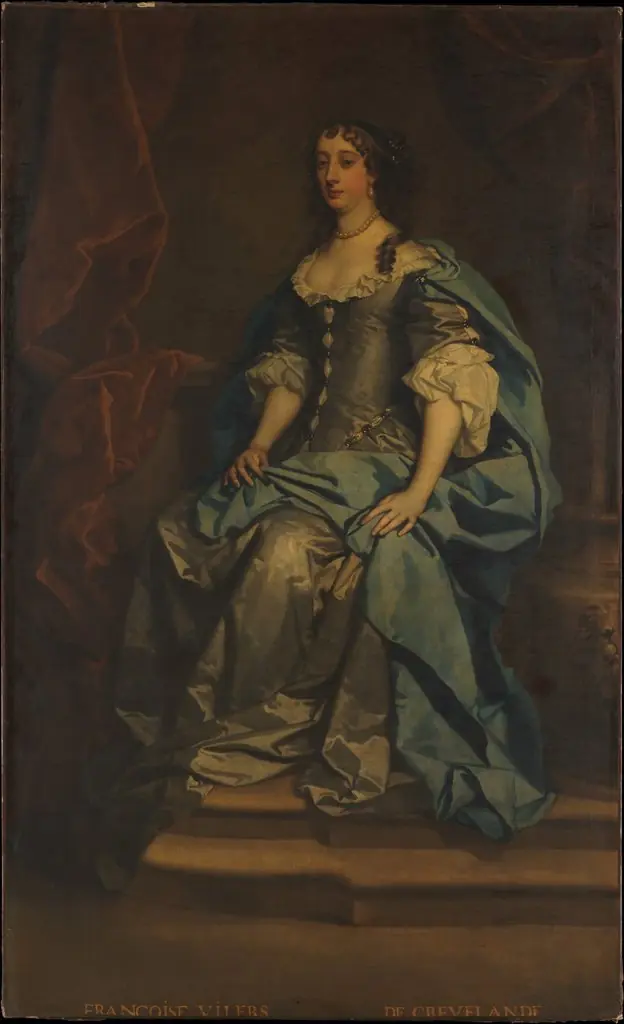 Barbara Villiers (1640–1709), Duchess of Cleveland
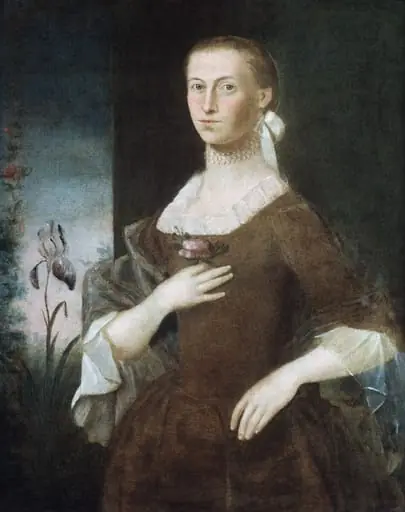 Mrs. Samuel Gardiner
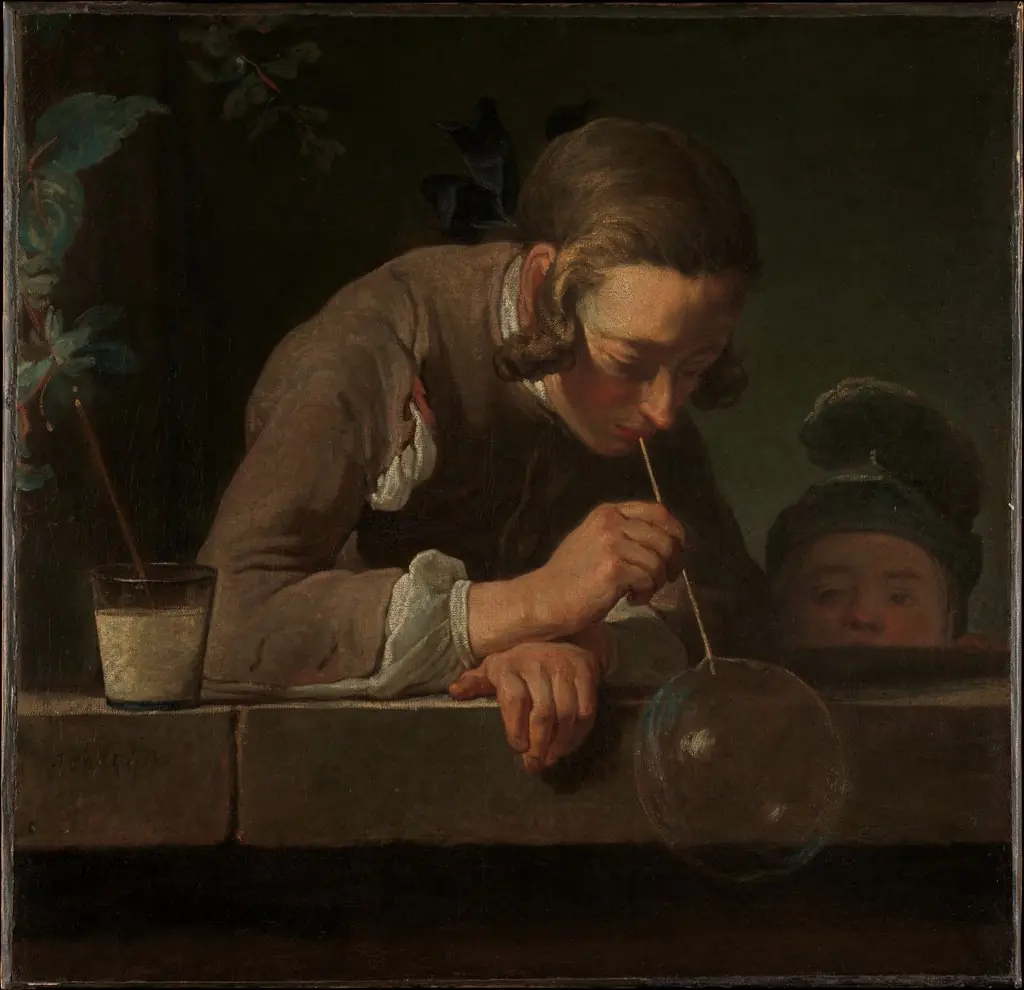 Soap Bubbles
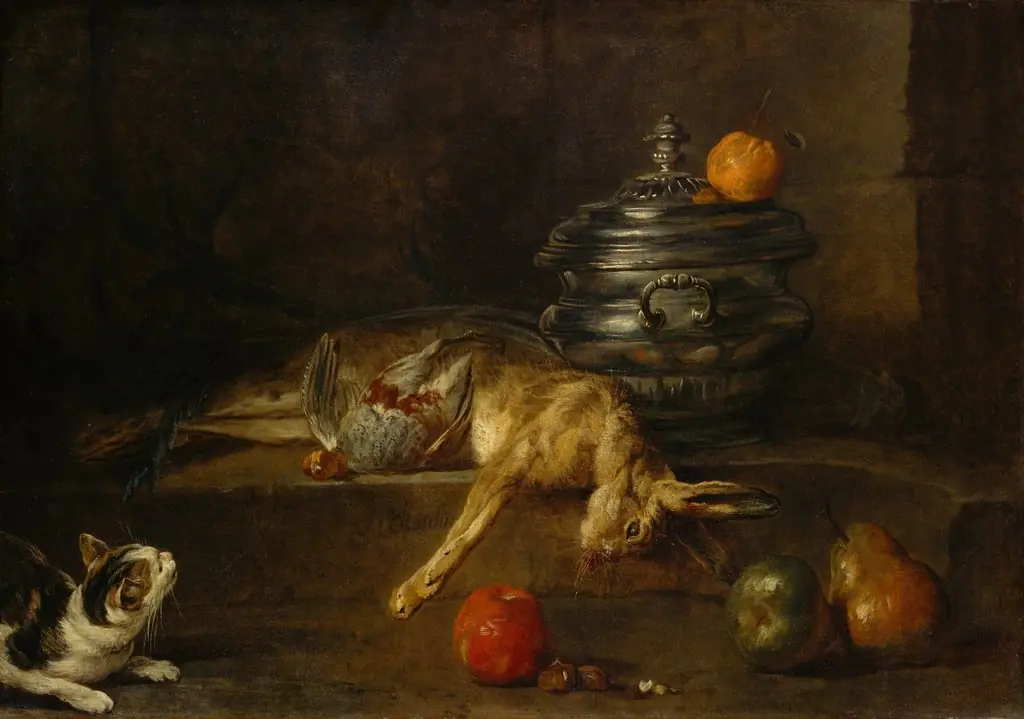 The Silver Tureen
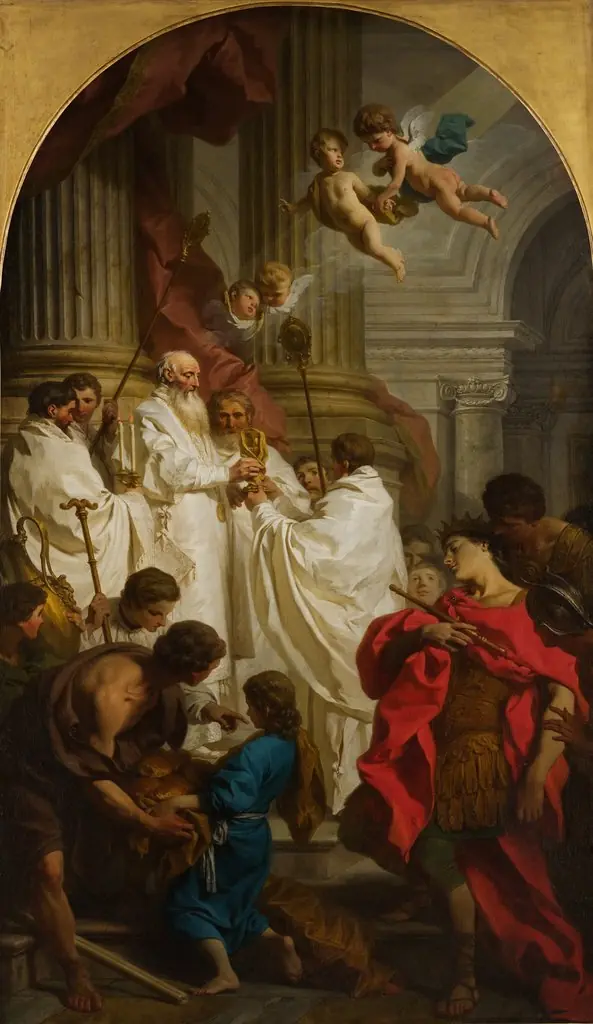 The Mass of Saint Basil
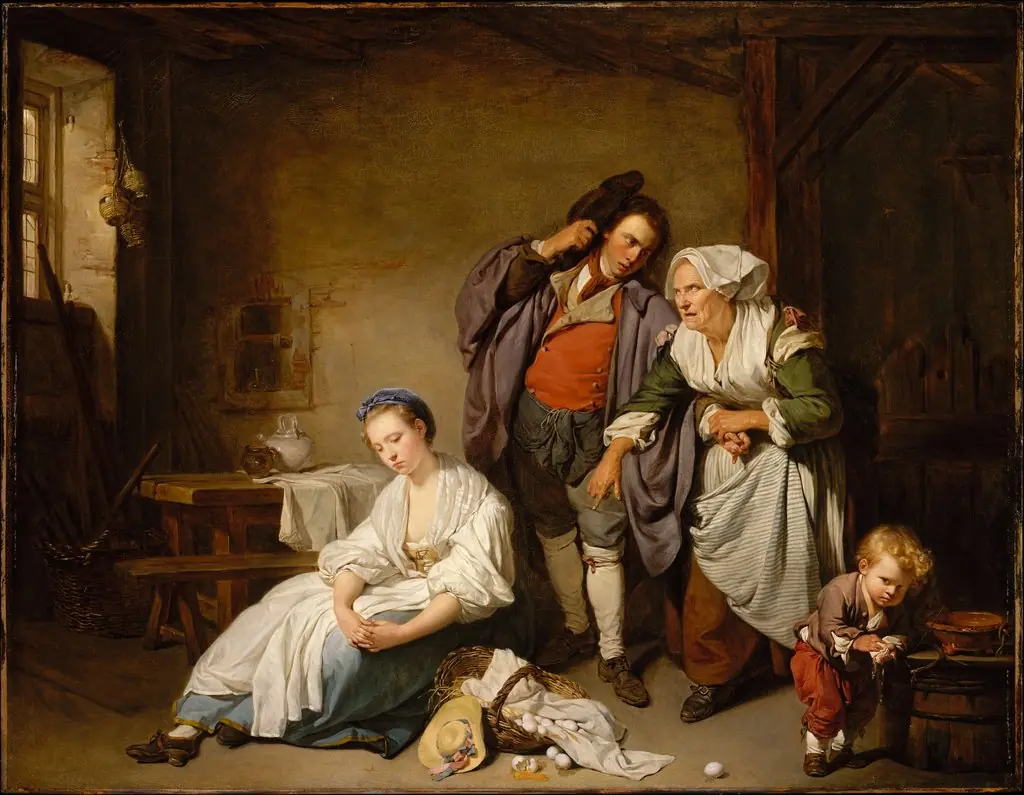 Broken Eggs
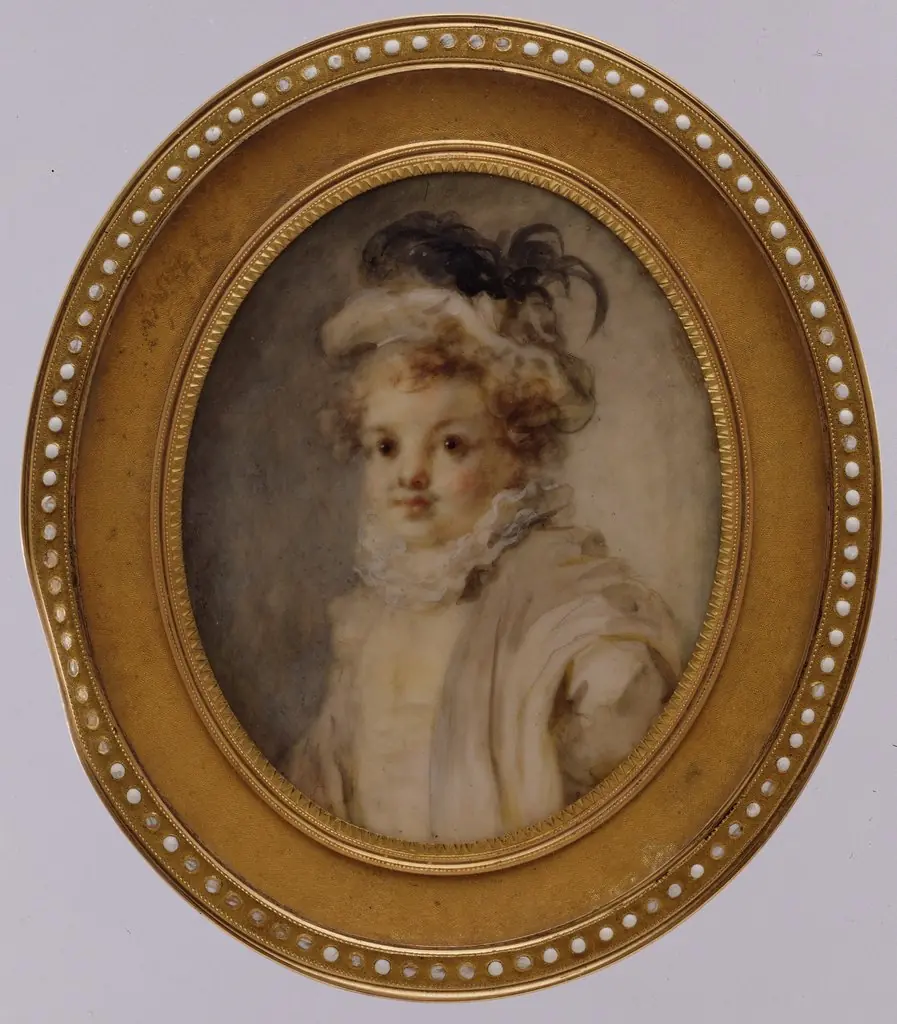 Portrait of a Boy
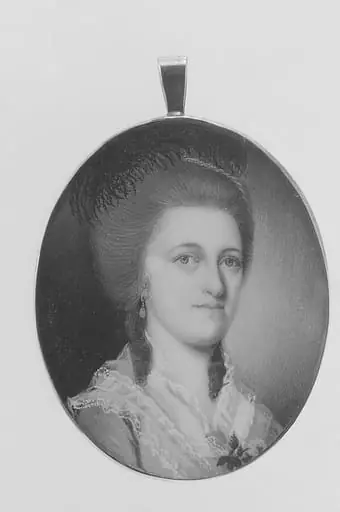 Portrait of a Lady
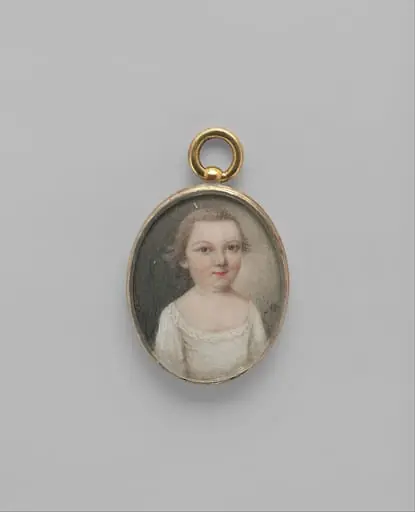 Thomas Middleton
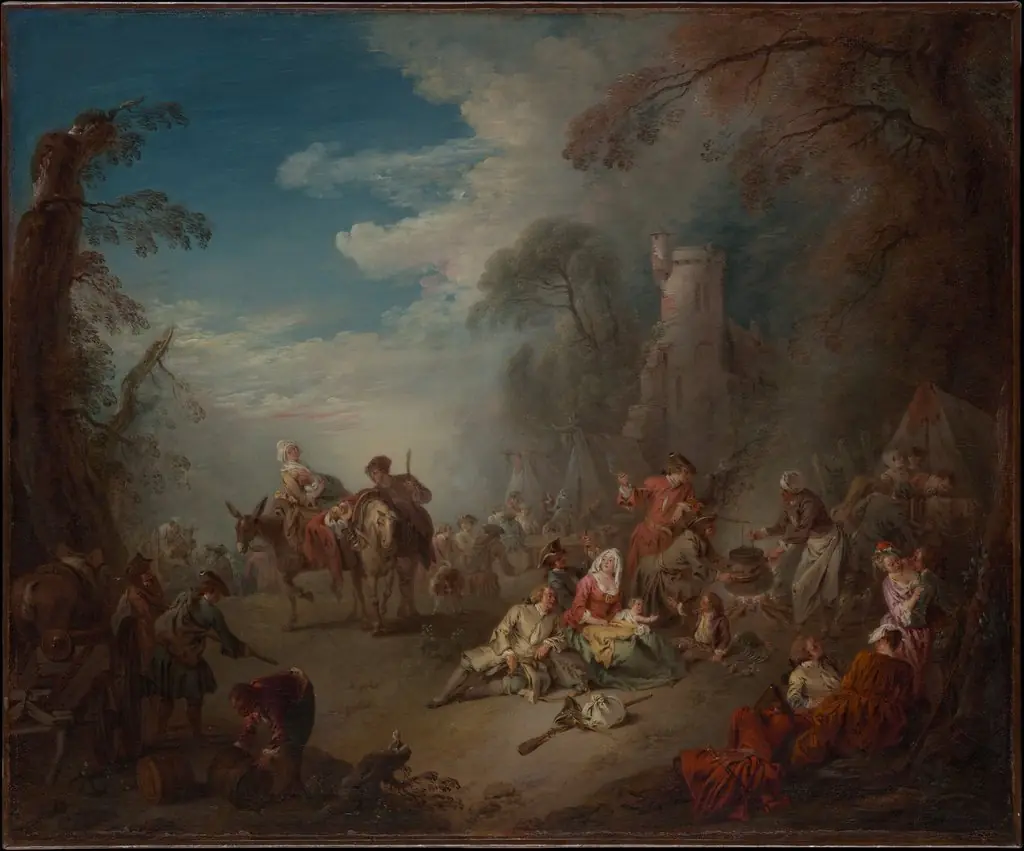 Troops at Rest
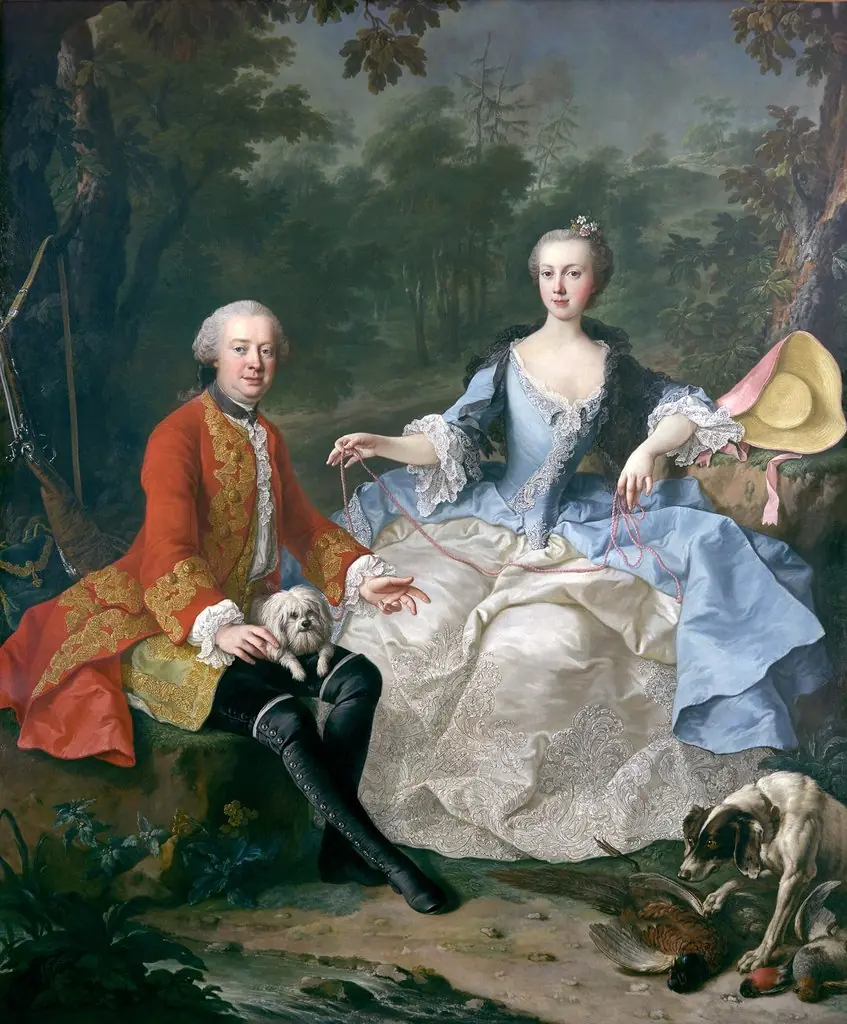 Count Giacomo Durazzo in the Guise of a Huntsman with His Wife
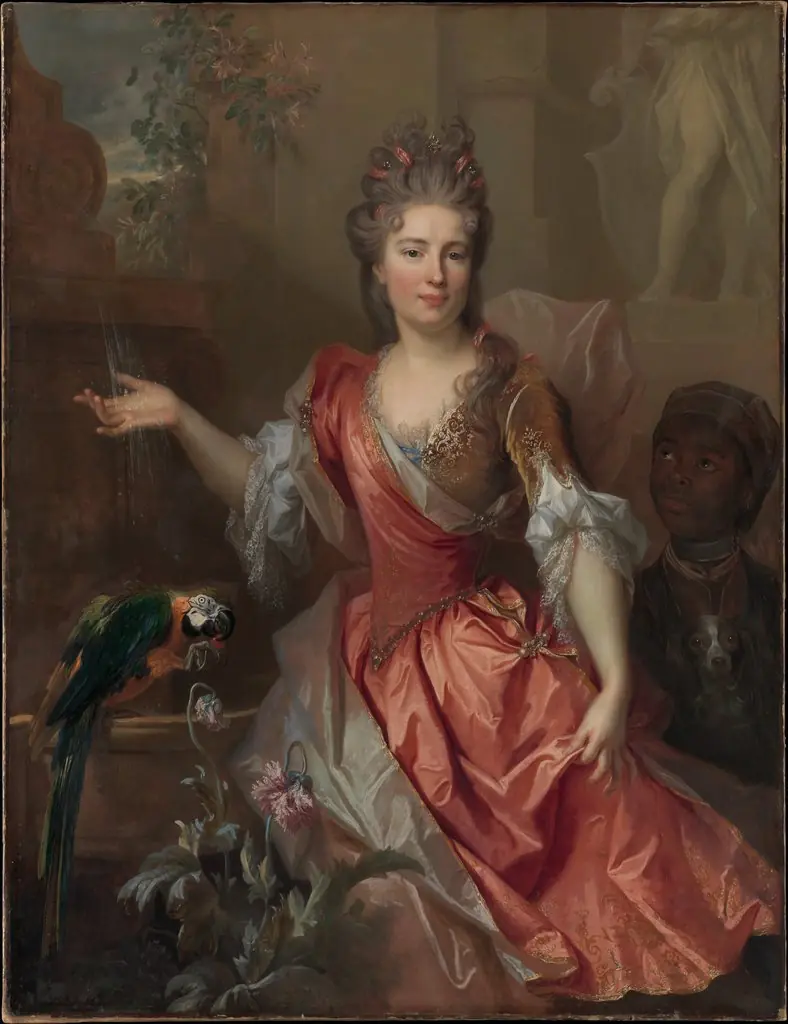 Portrait of a Woman, Possibly Madame Claude Lambert de Thorigny (Marie Marguerite Bontemps, 1668–1701)
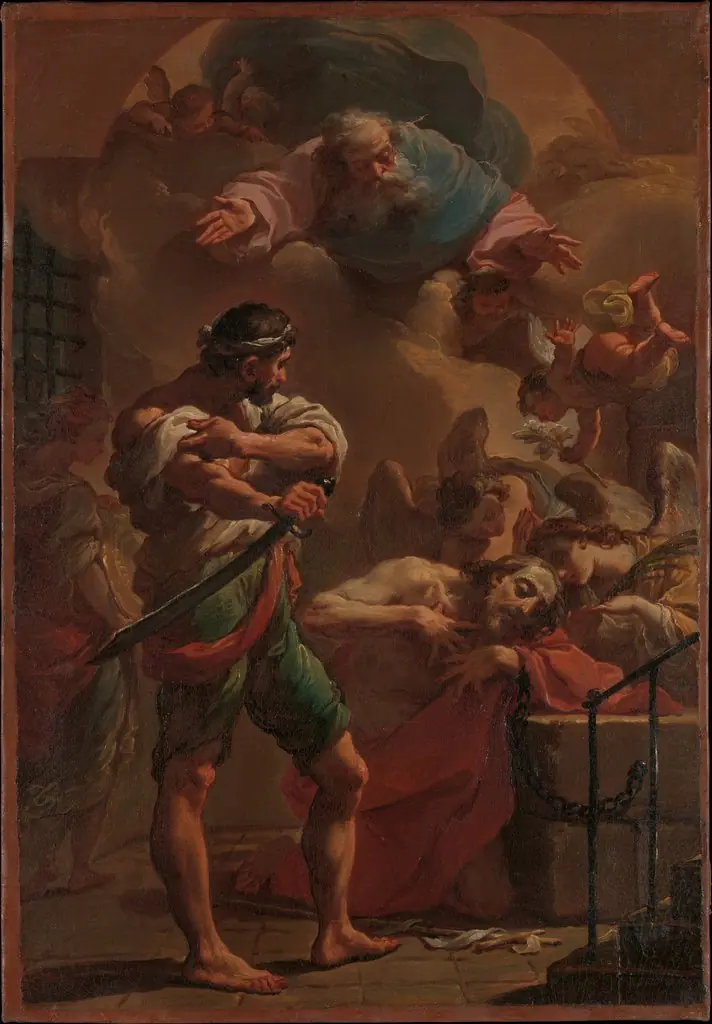 The Execution of Saint John the Baptist
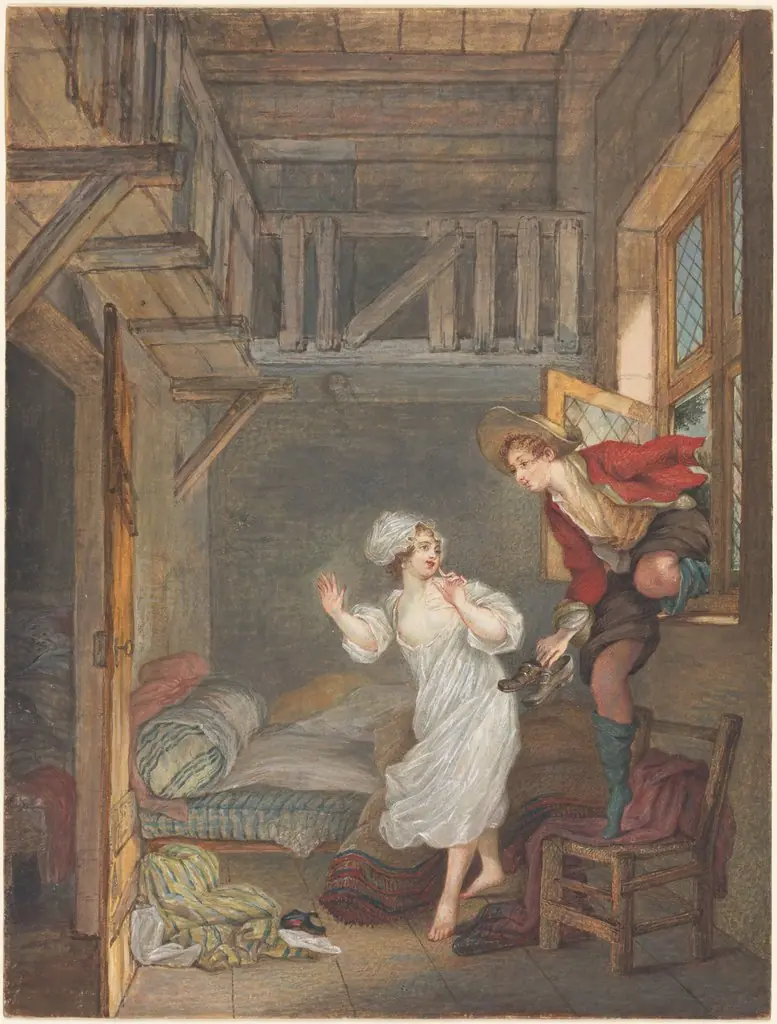 The Lover's Visit
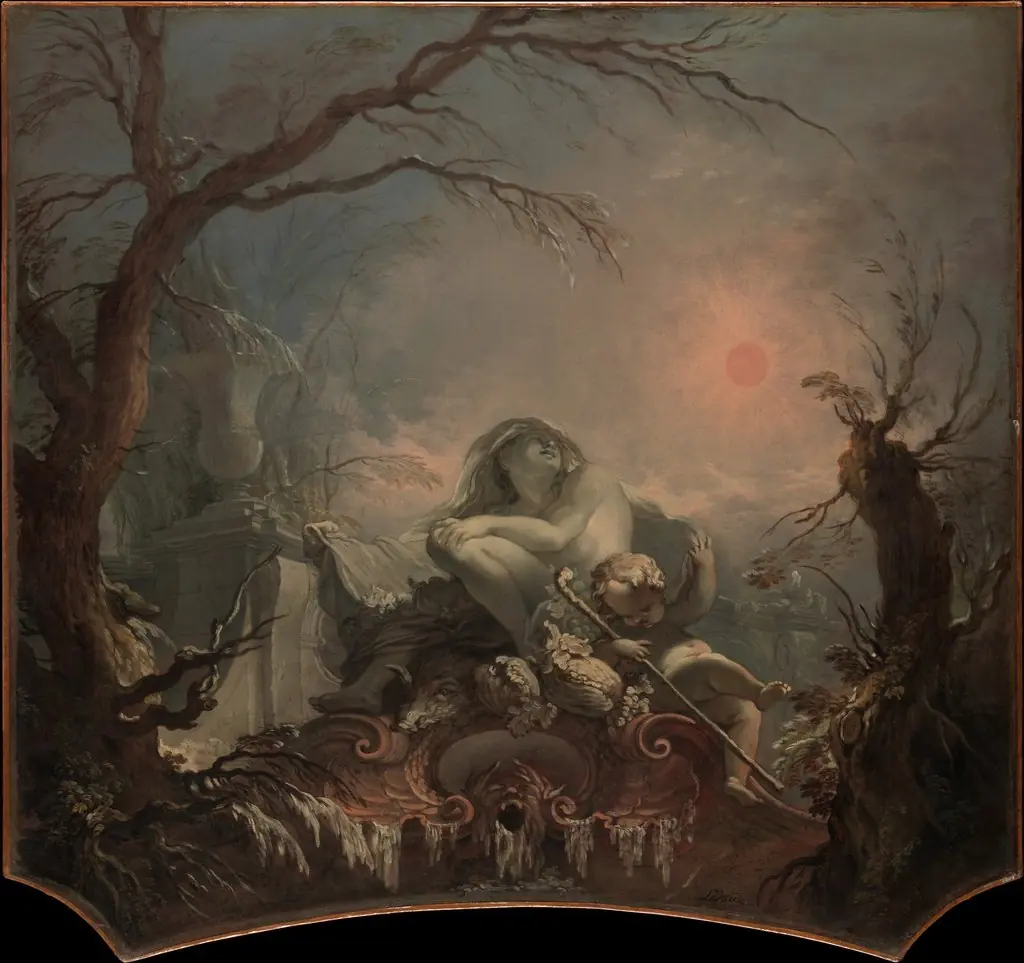 Allegory of Winter
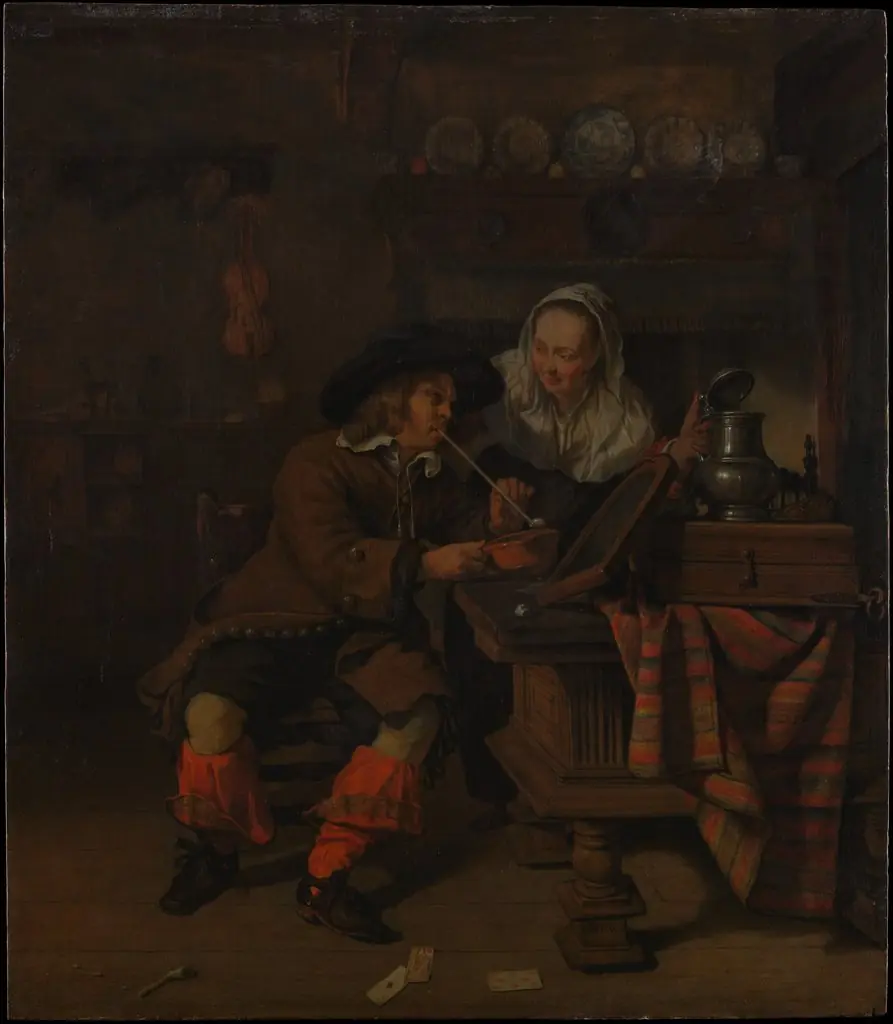 Tavern Scene
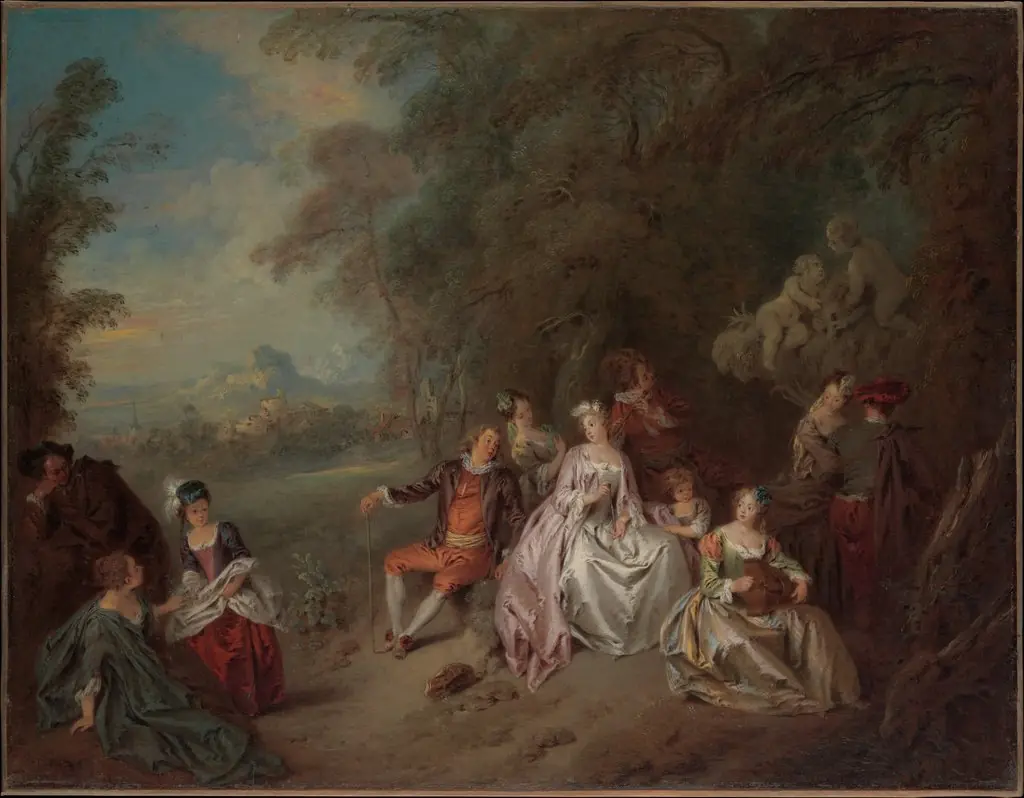 Concert Champêtre
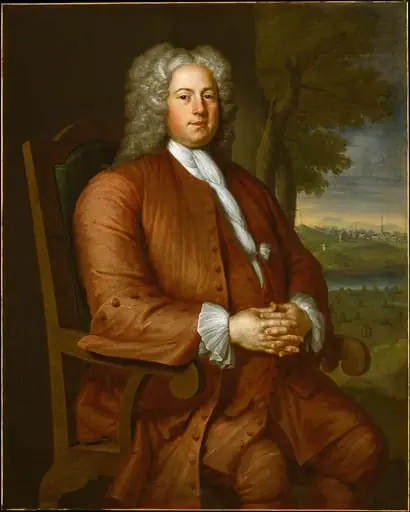 Francis Brinley
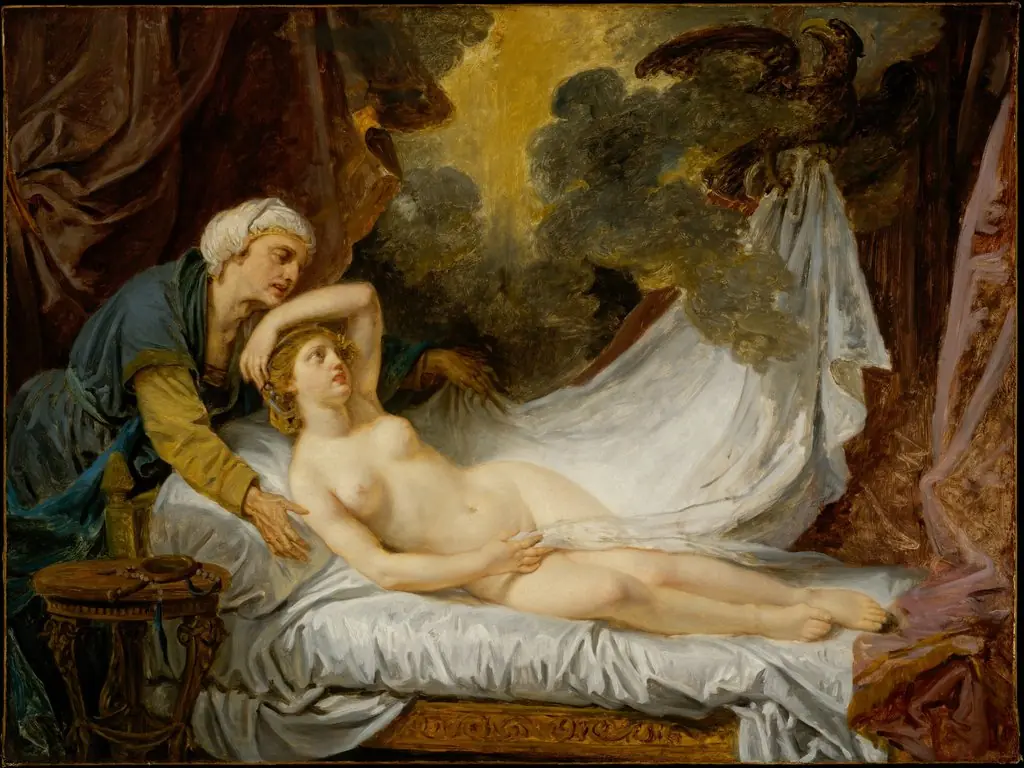 Aegina Visited by Jupiter
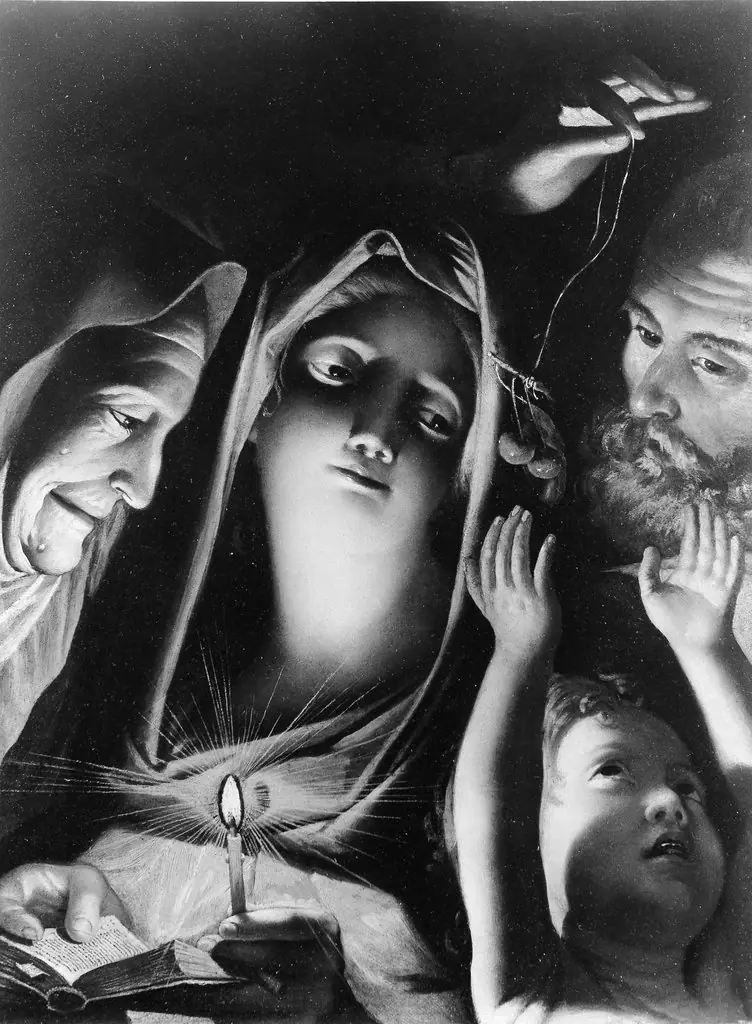 Holy Family with Saint Anne
 The Shipwreck
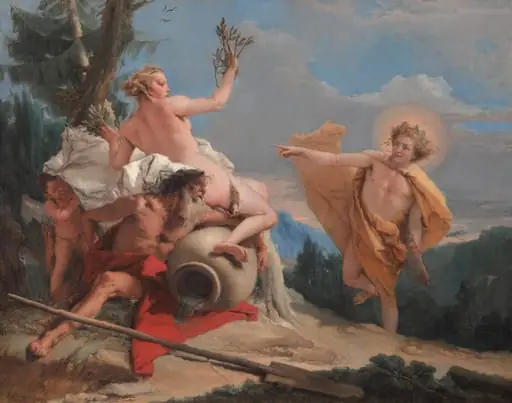 Apollo Pursuing Daphne
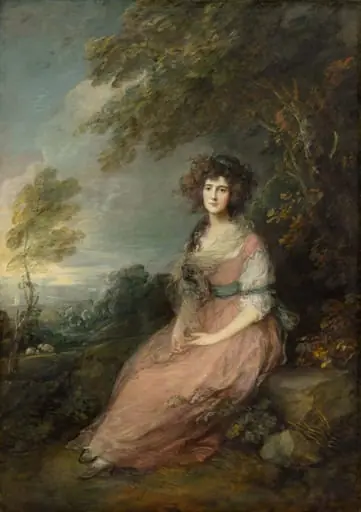 Mrs. Richard Brinsley Sheridan
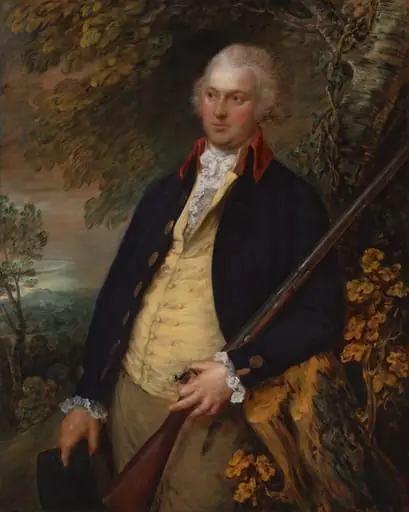 William Yelverton Davenport
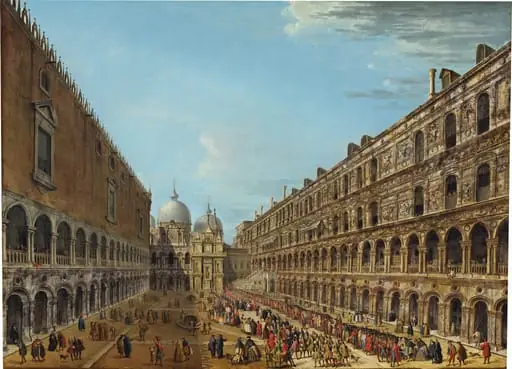 Procession in the Courtyard of the Ducal Palace, Venice
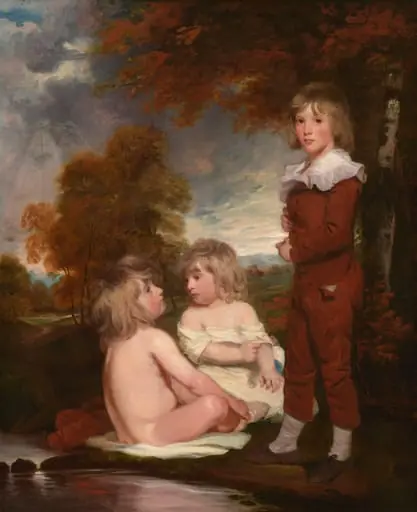 The Hoppner Children
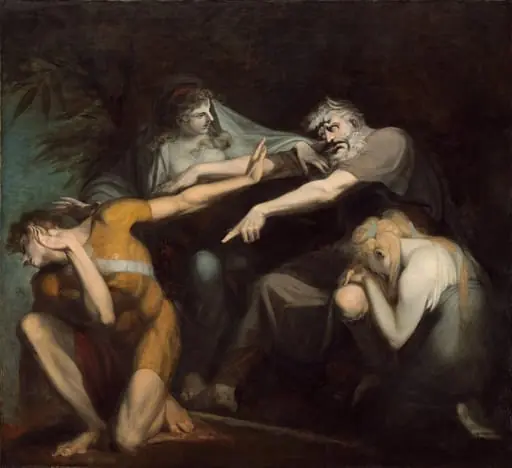 Oedipus Cursing His Son Polynices
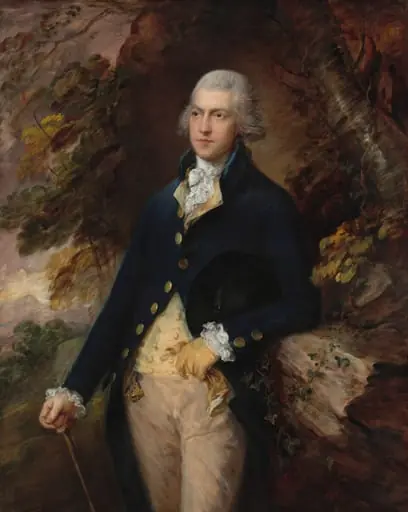 Francis Basset, Lord de Dunstanville
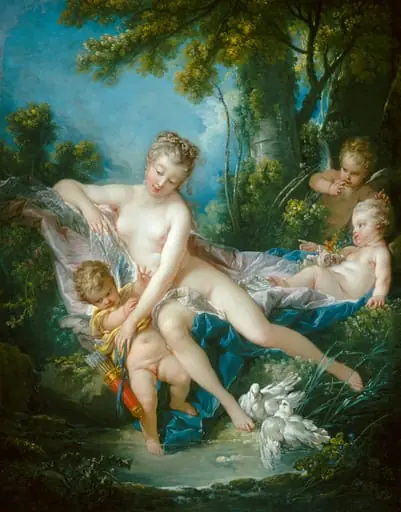 The Bath of Venus
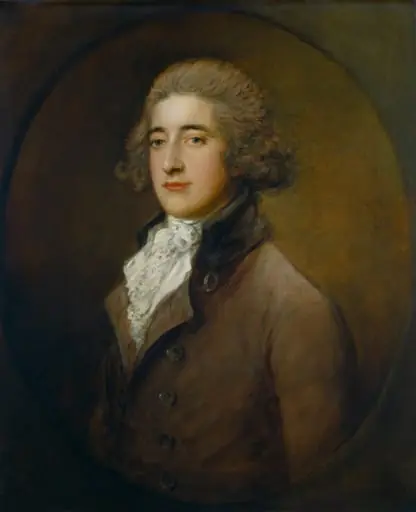 John, 4th Earl of Darnley
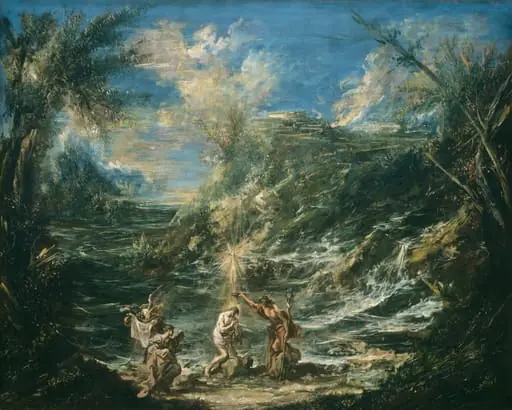 The Baptism of Christ
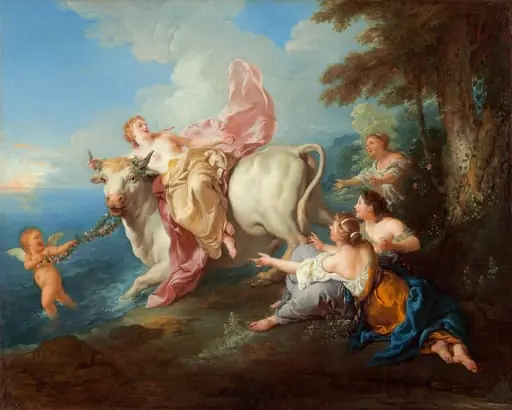 The Abduction of Europa
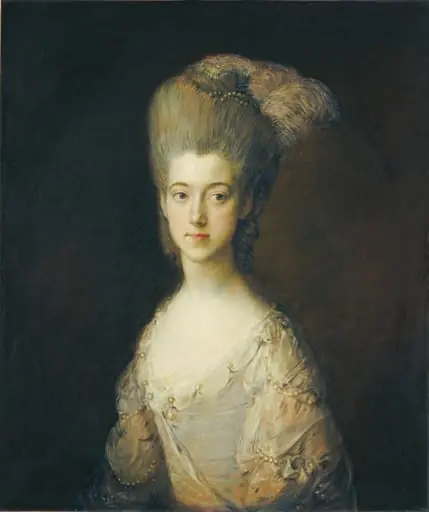 Mrs. Paul Cobb Methuen
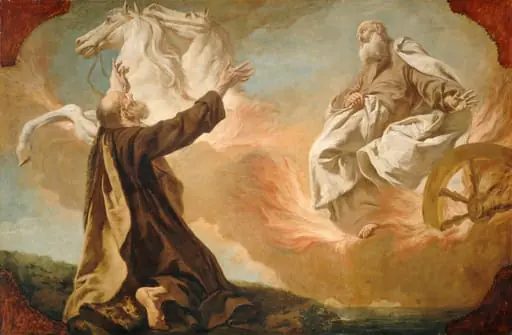 Elijah Taken Up in a Chariot of Fire
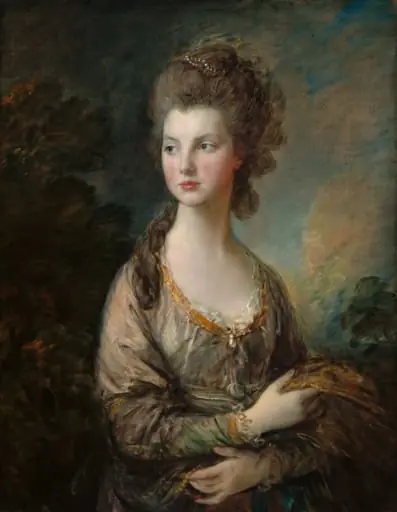 The Hon. Mrs. Thomas Graham
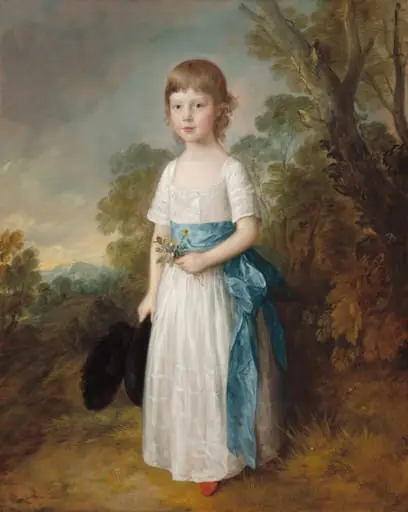 Master John Heathcote
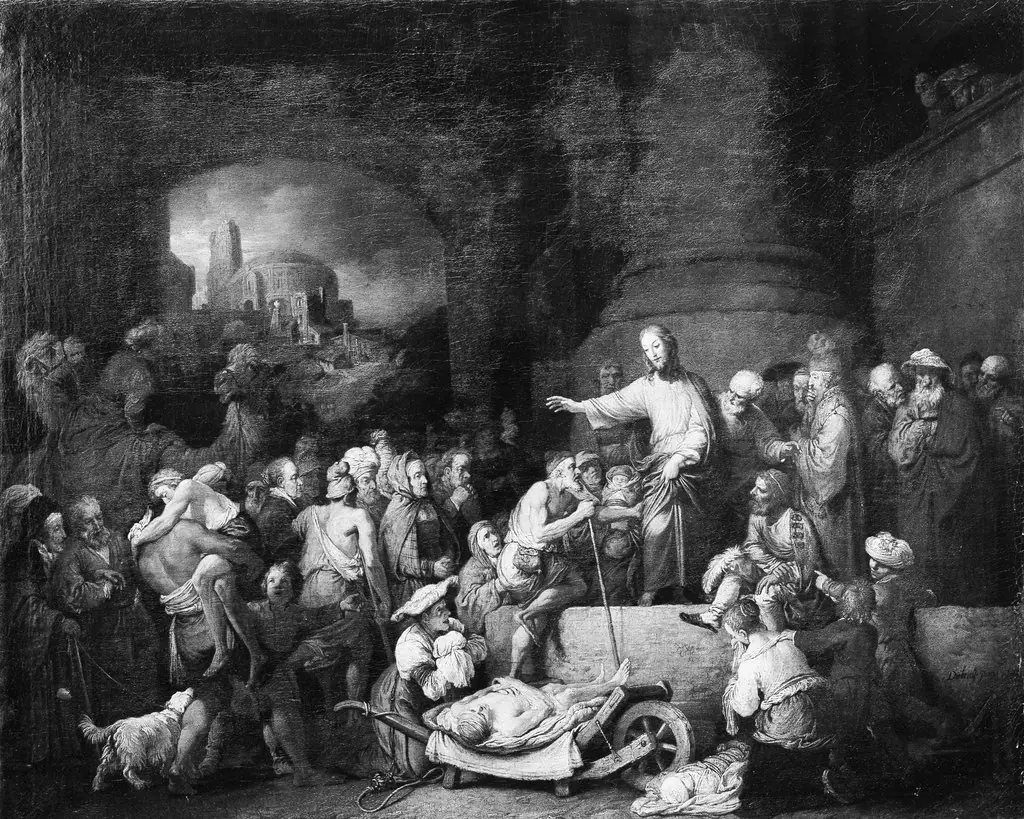 Christ Healing the Sick
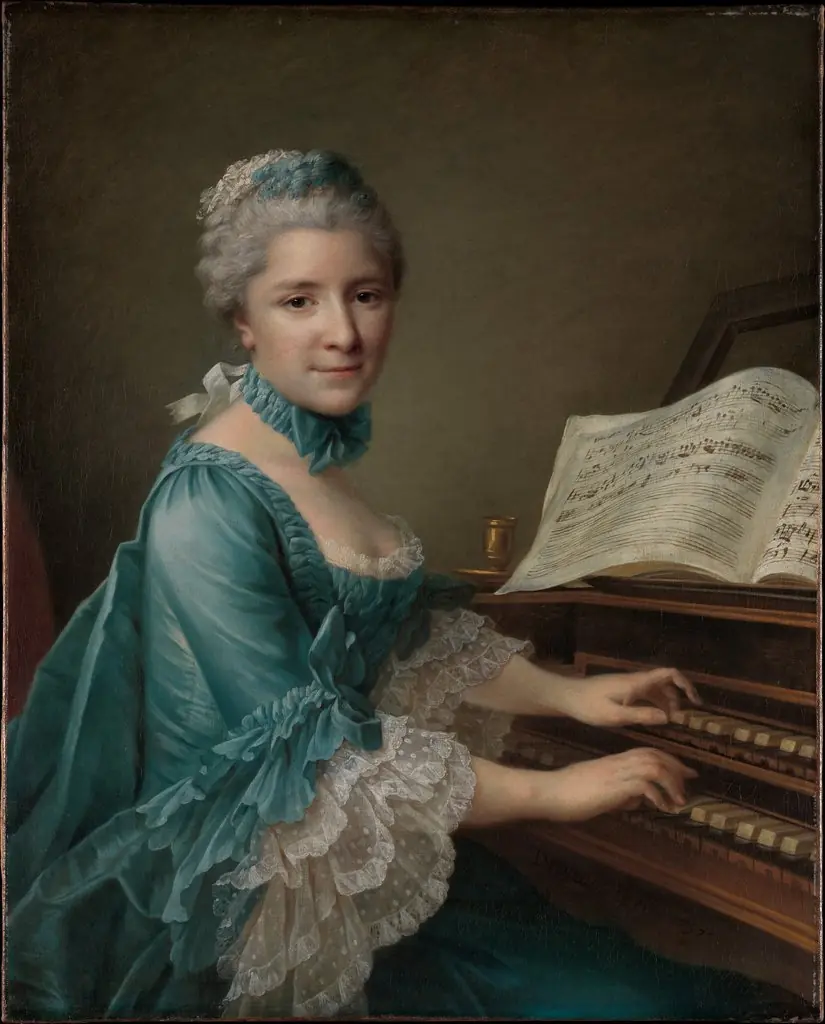 Portrait of a Woman, Said to be Madame Charles Simon Favart (Marie Justine Benoîte Duronceray, 1727–1772)
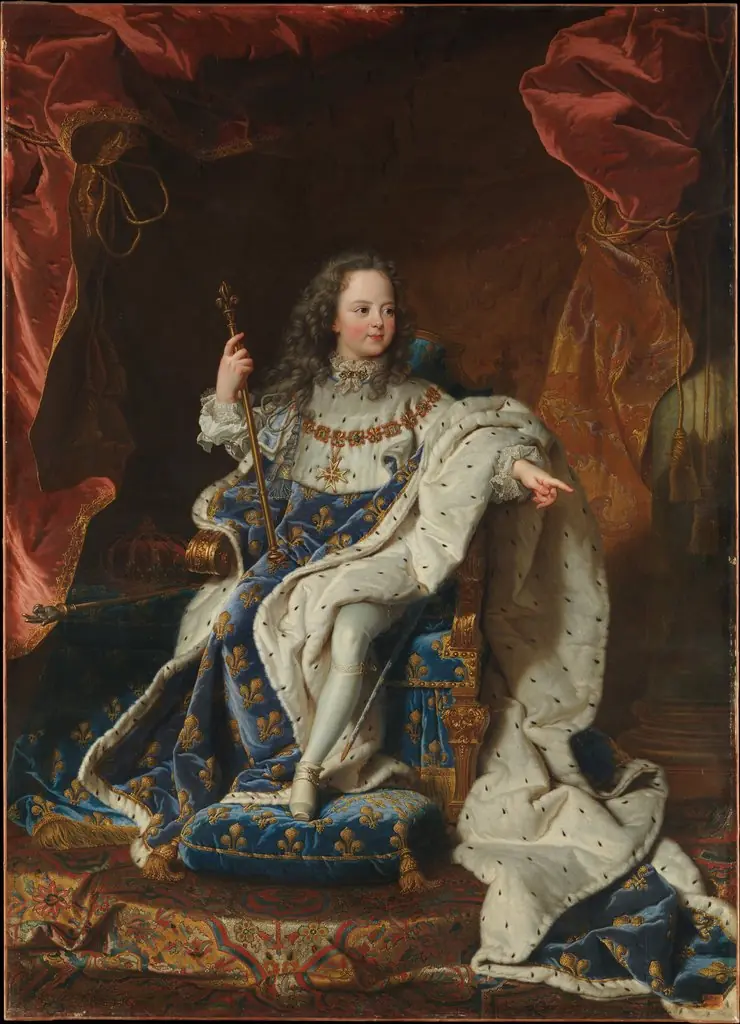 Louis XV at the Age of Five in the Costume of the Sacre
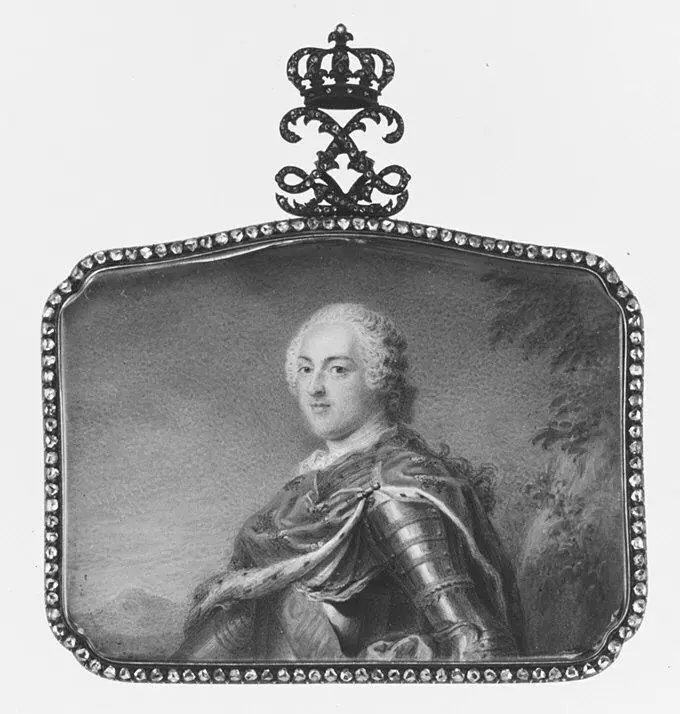 Louis XV (1710–1774), King of France
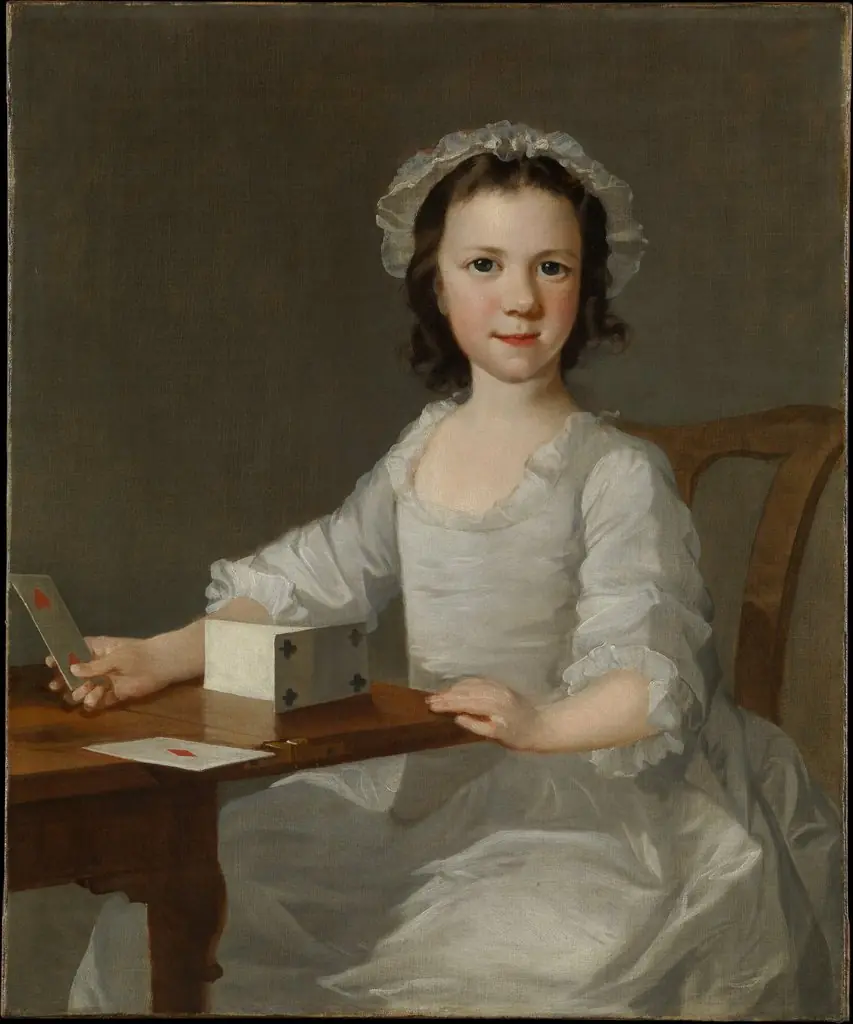 Girl Building a House of Cards
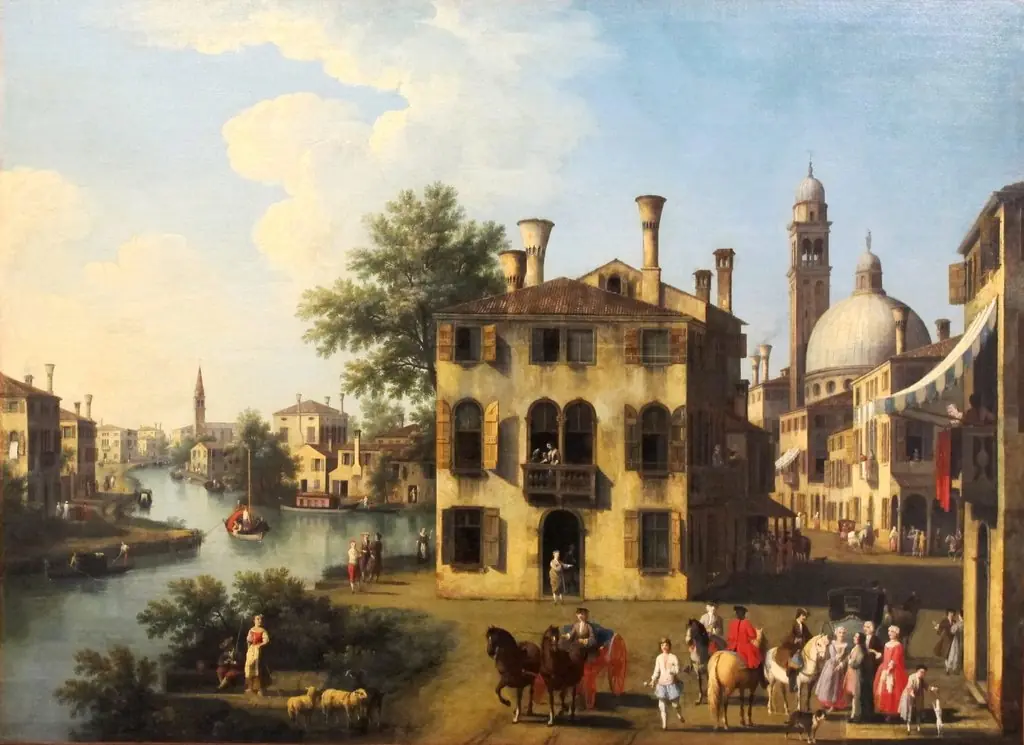 View of the Brenta, near Dolo
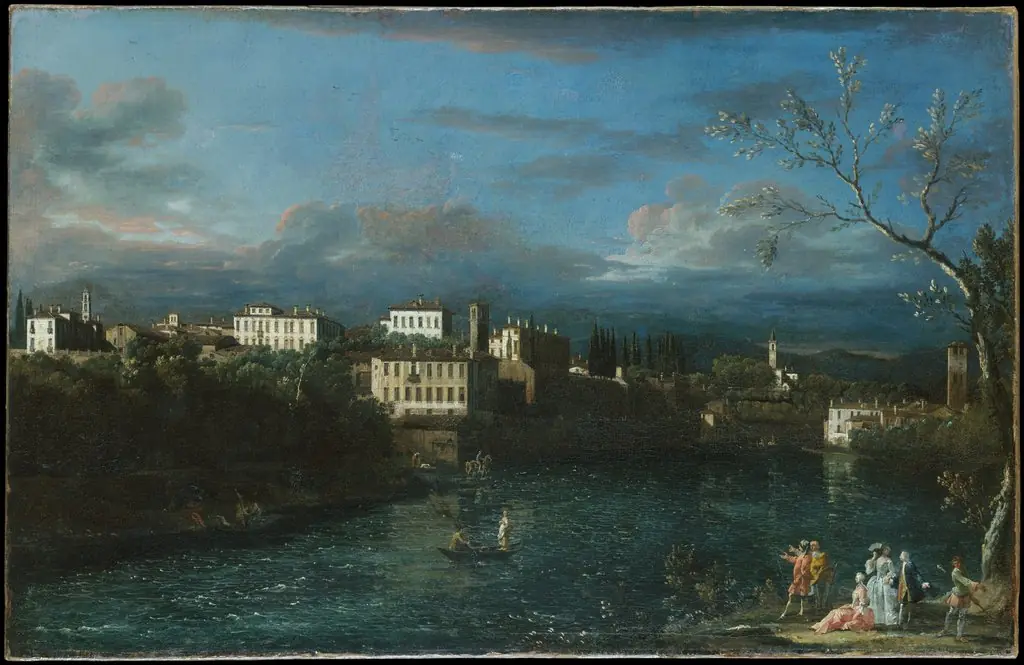 Vaprio d'Adda
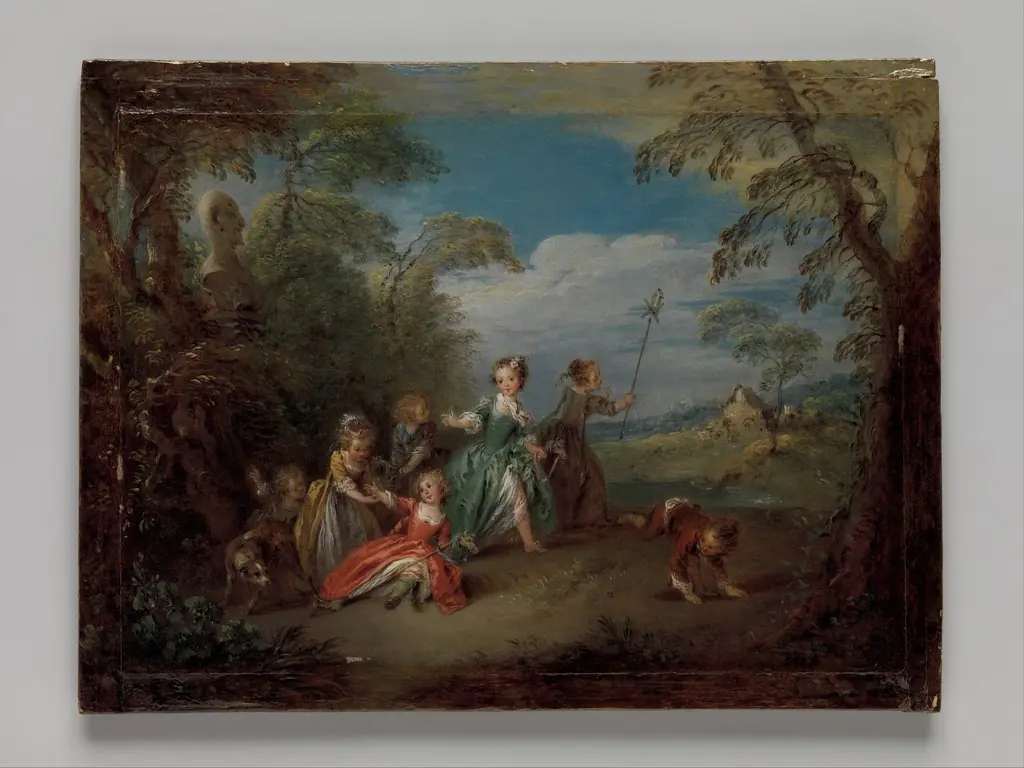 The Golden Age
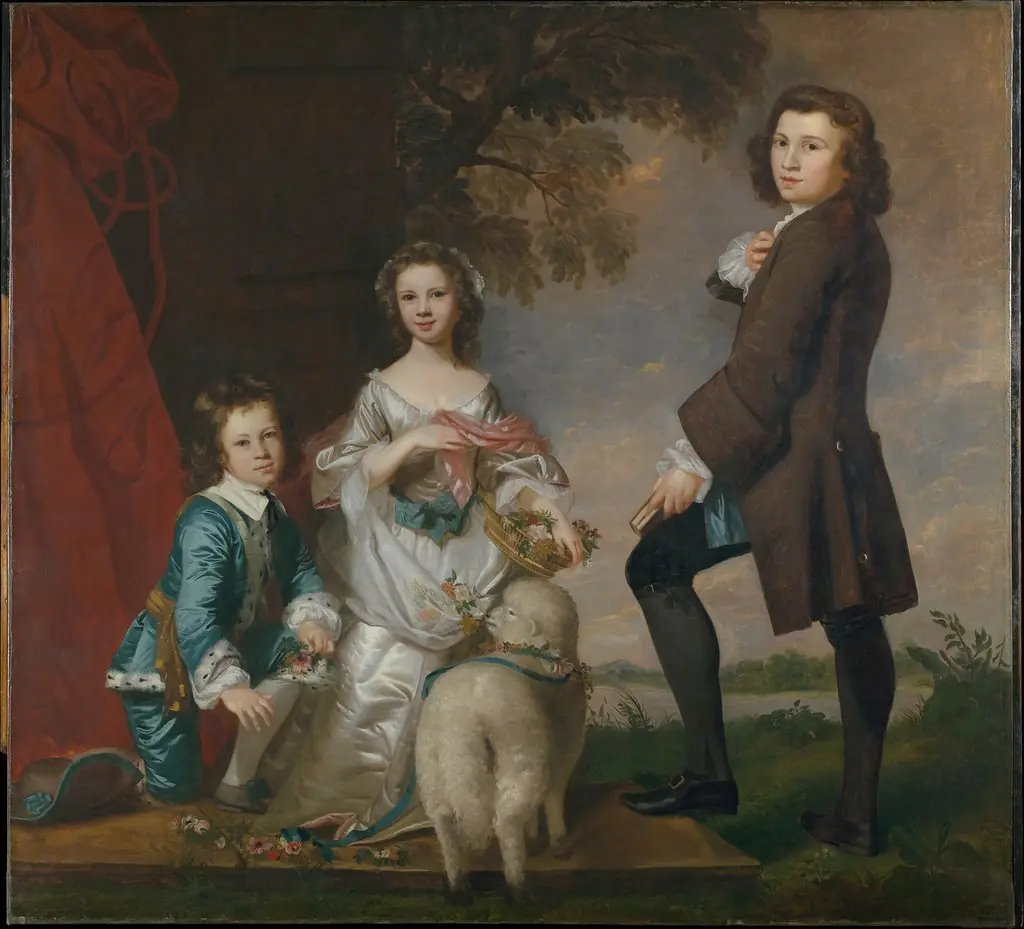 Thomas (1740–1825) and Martha Neate (1741–after 1795) with His Tutor, Thomas Needham
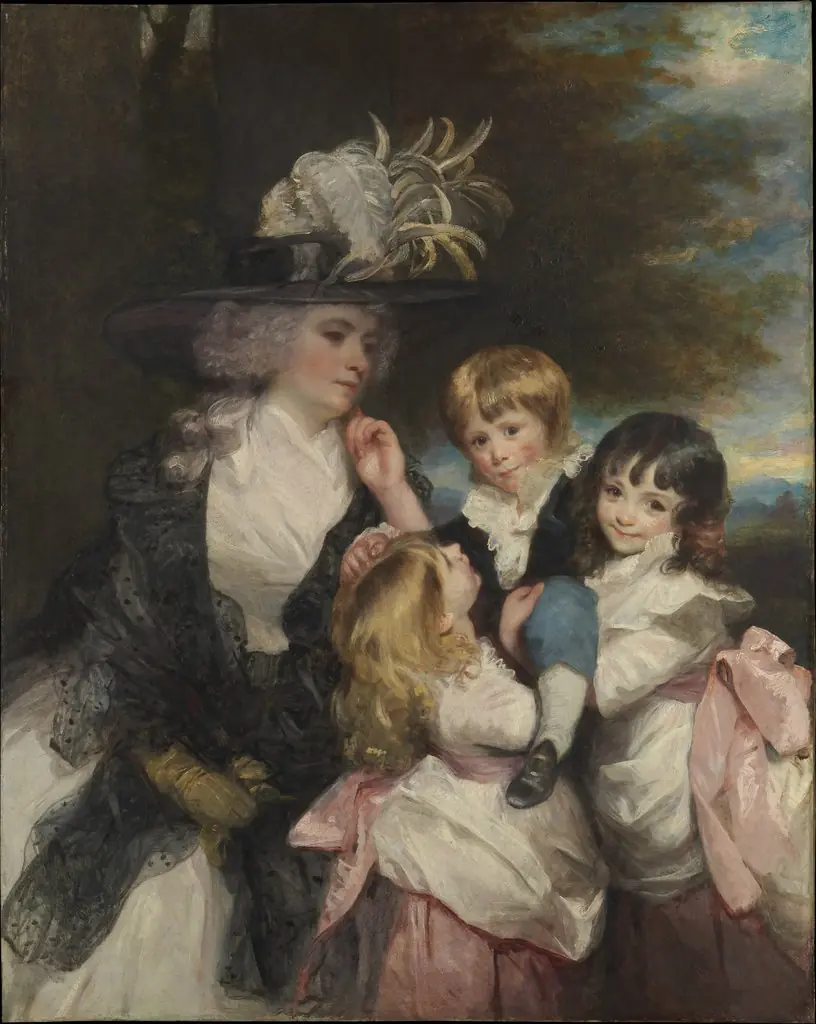 Lady Smith (Charlotte Delaval) and Her Children (George Henry, Louisa, and Charlotte)
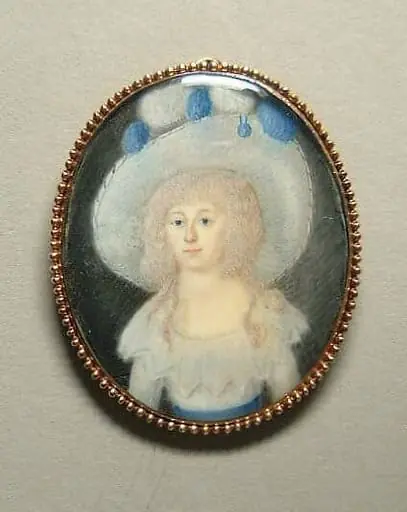 Eliza Champlin
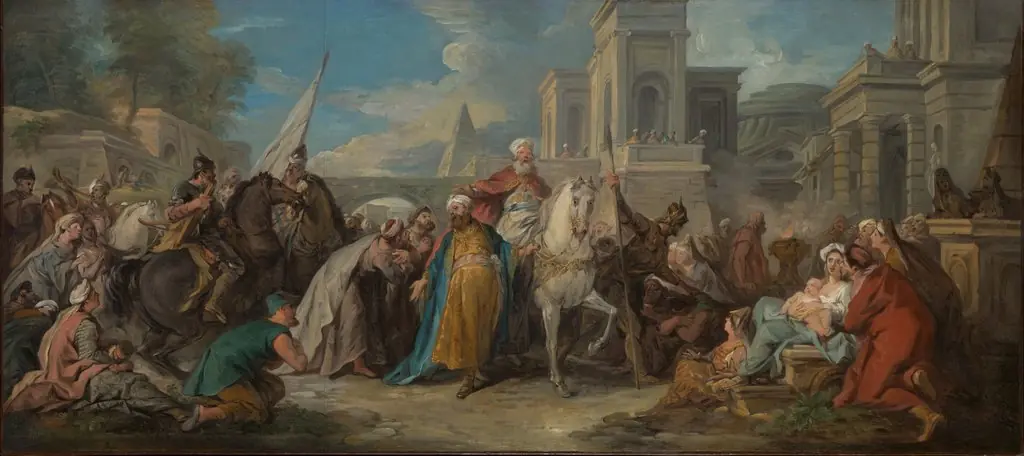 The Triumph of Mordecai
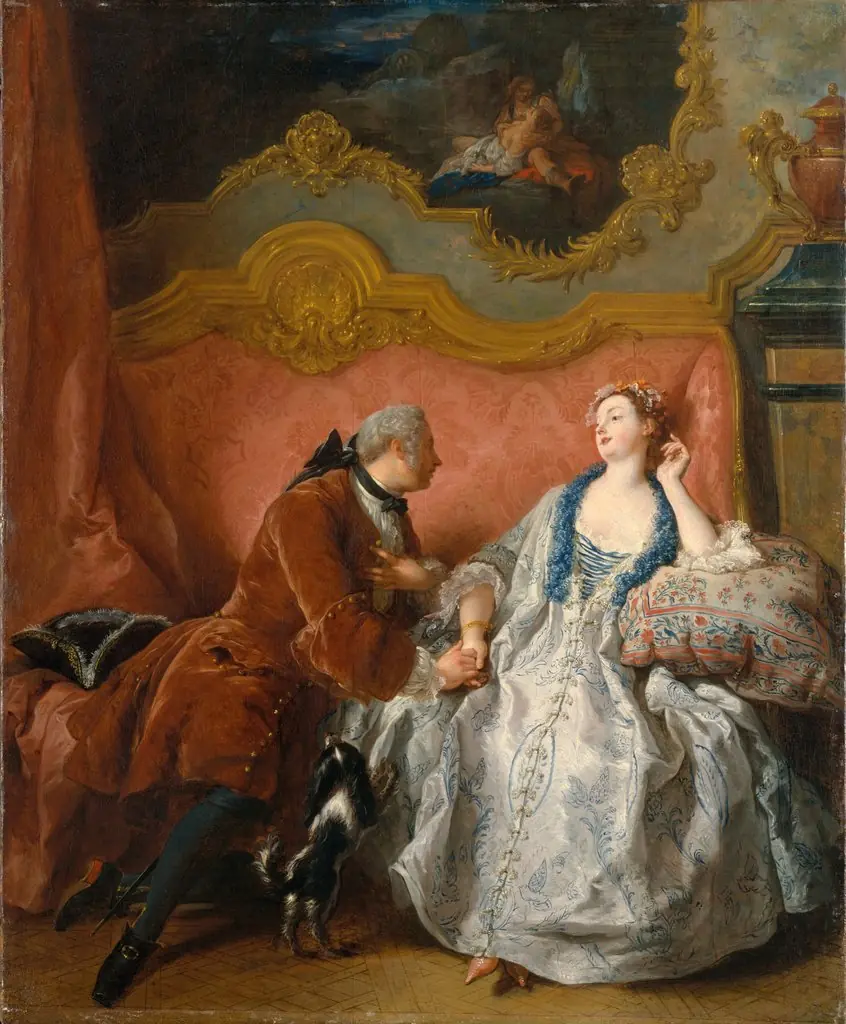 The Declaration of Love
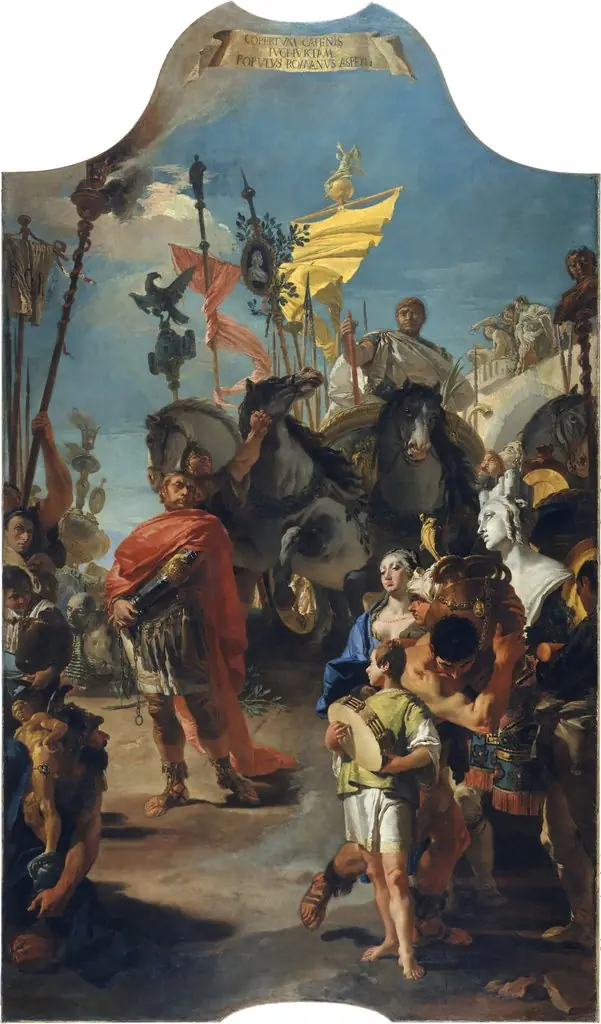 The Triumph of Marius
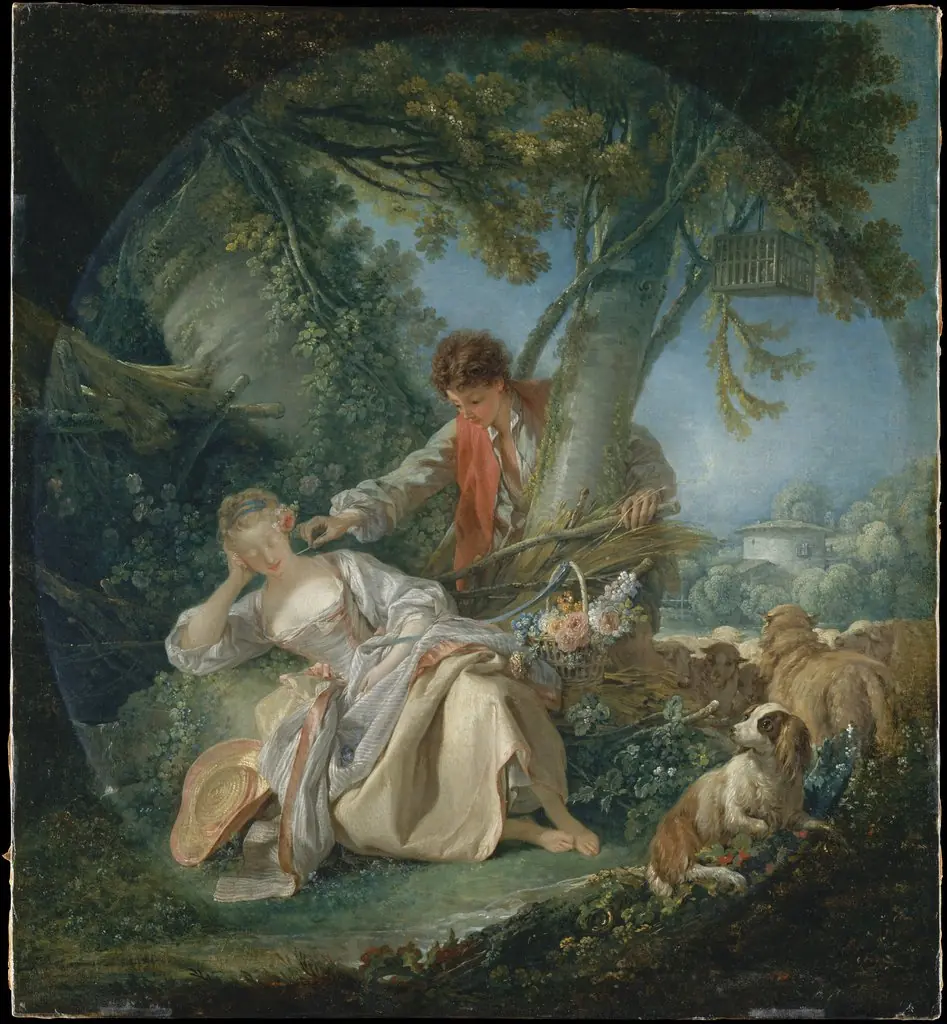 The Interrupted Sleep
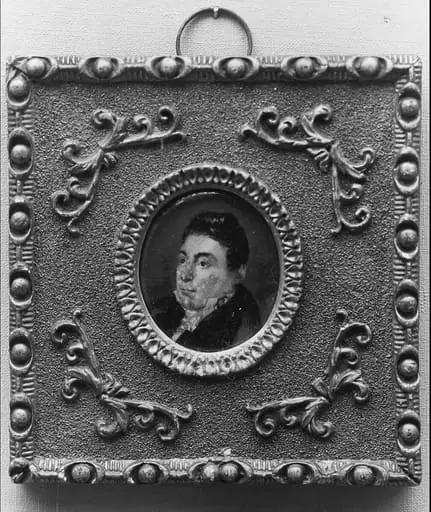 Portrait Miniature of the Marquis de Lafayette
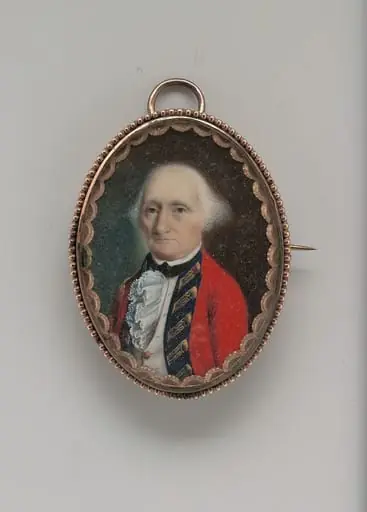 John Maunsell
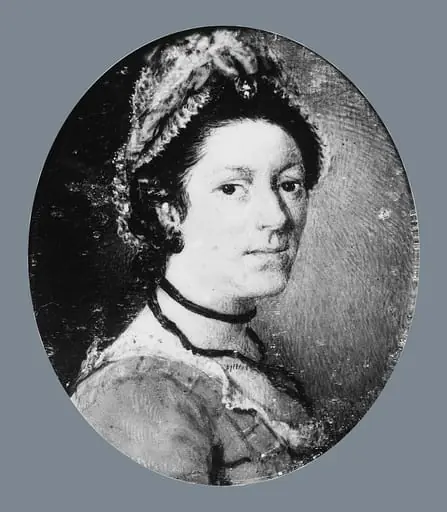 Mrs. Clark
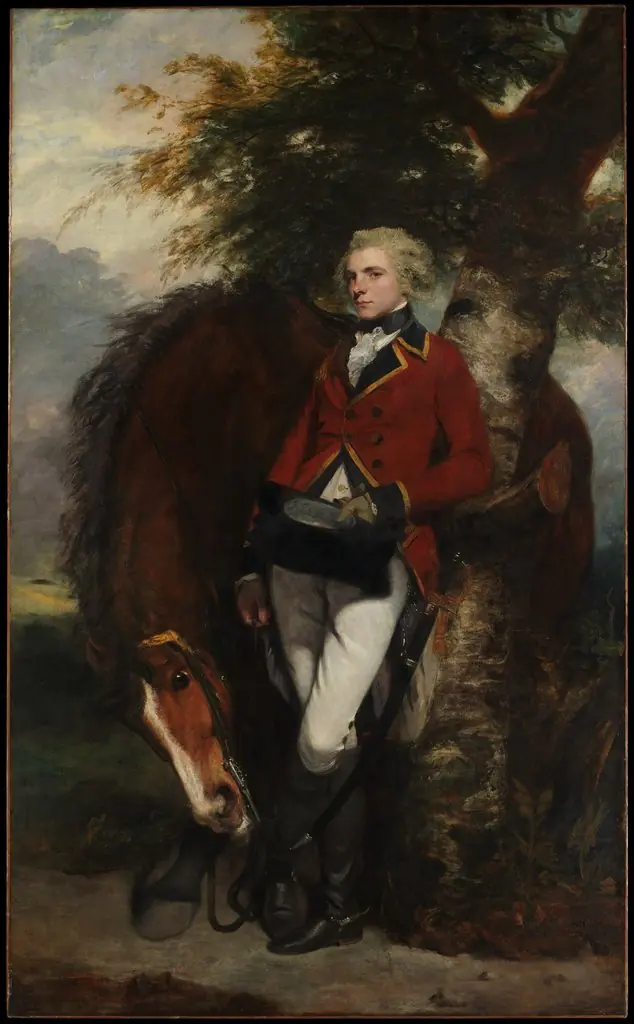 Captain George K. H. Coussmaker
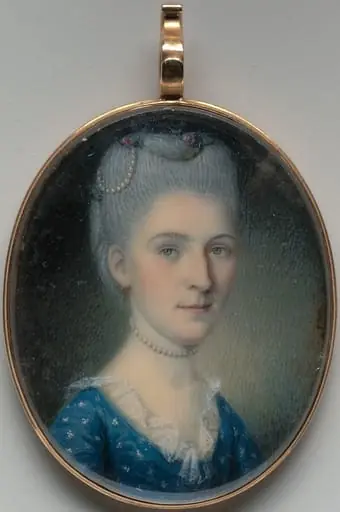 Mrs. Joseph Donaldson (Frances Johnston)
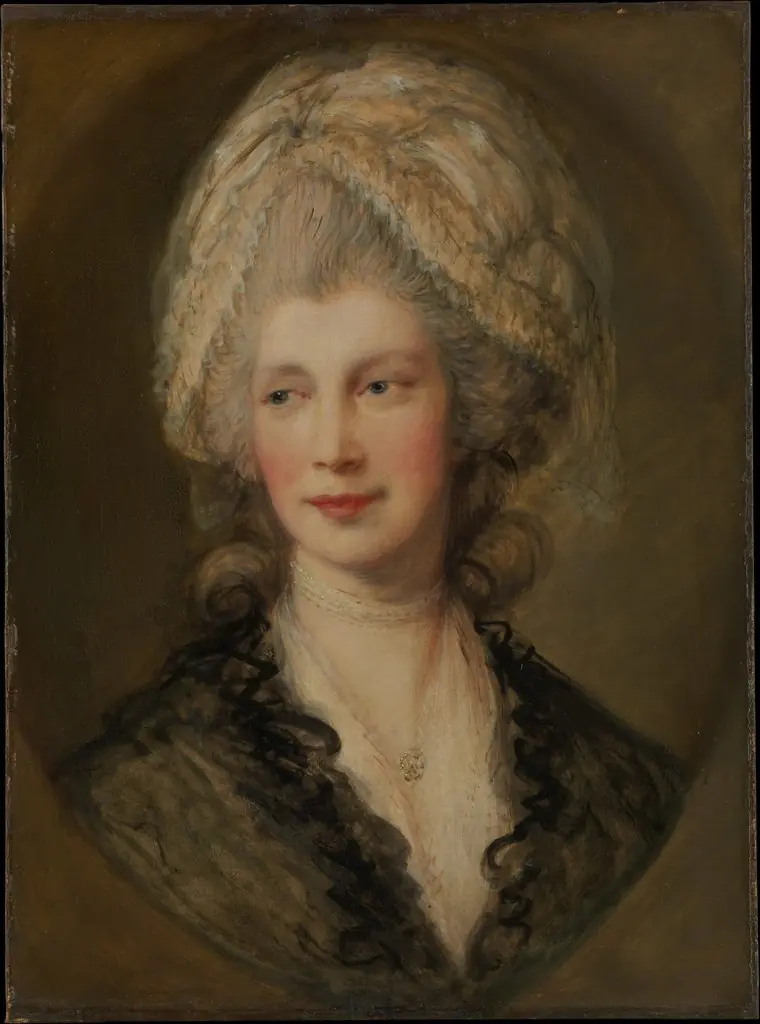 Queen Charlotte
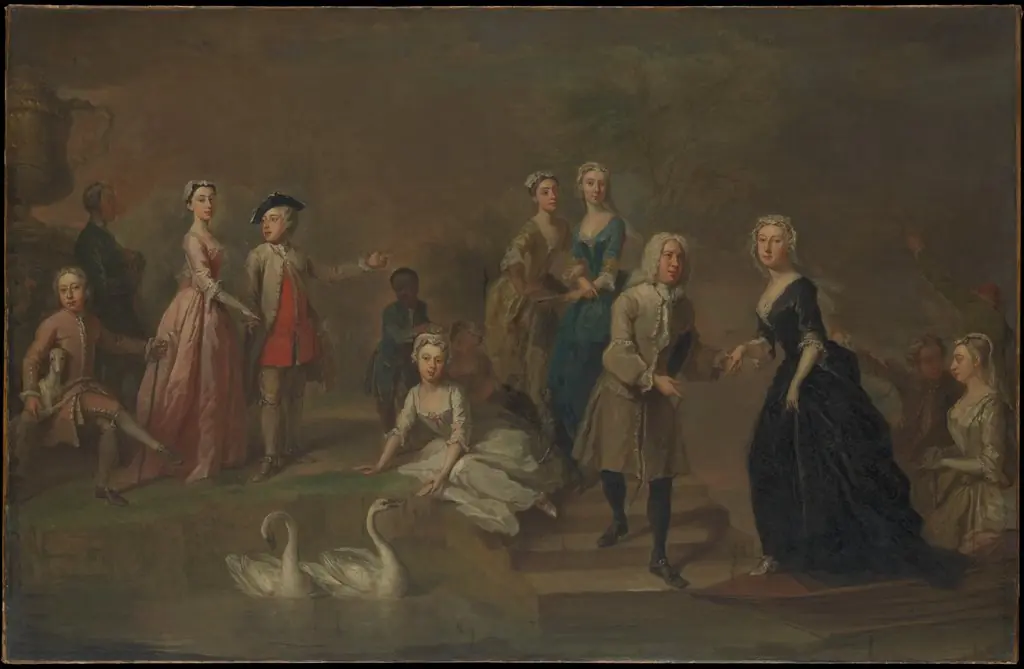 Uvedale Tomkyns Price (1685–1764) and Members of His Family
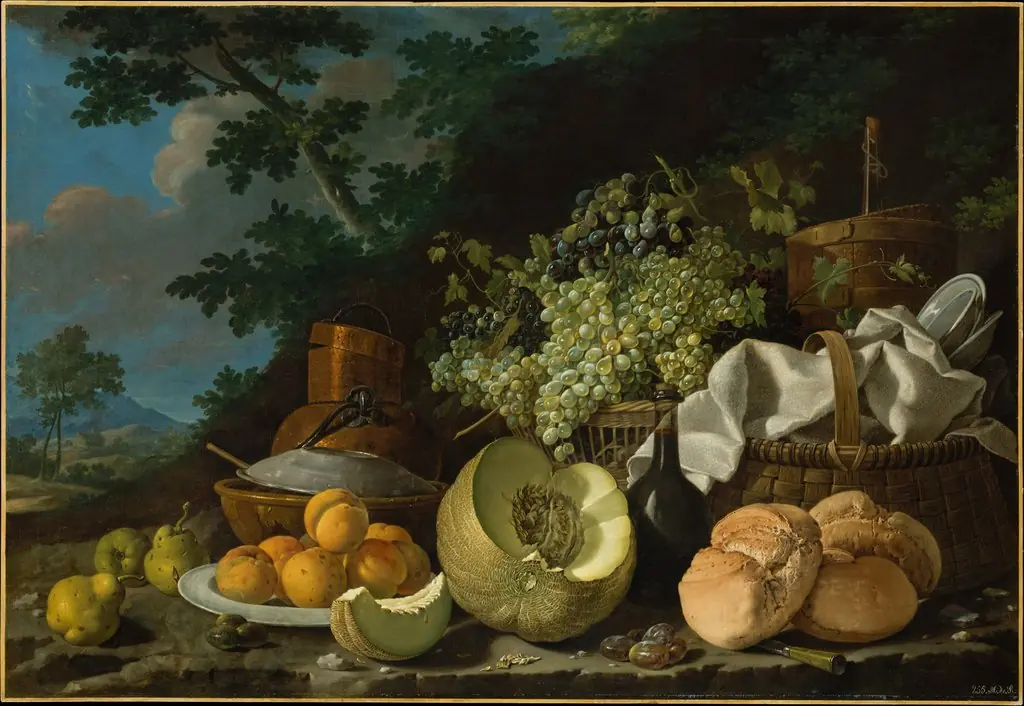 The Afternoon Meal (La Merienda)
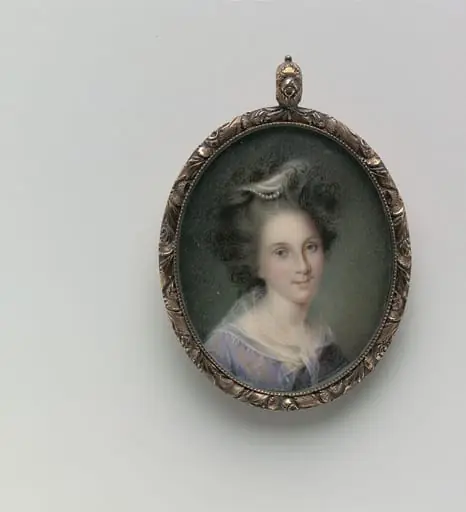 Mrs. Charles Willson Peale (Rachel Brewer)
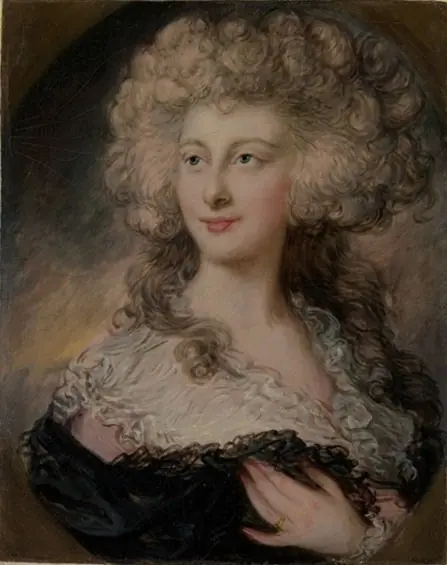 Anne Elizabeth Cholmley (1769–1788), Later Lady Mulgrave
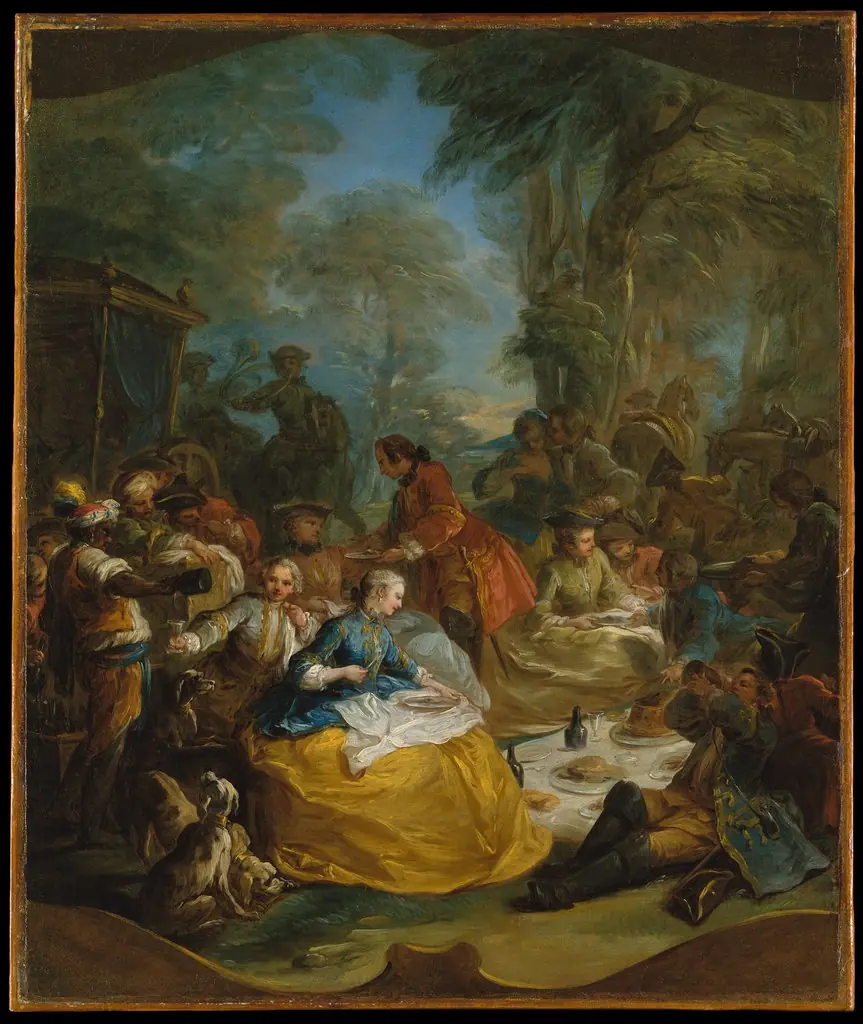 The Hunt Breakfast
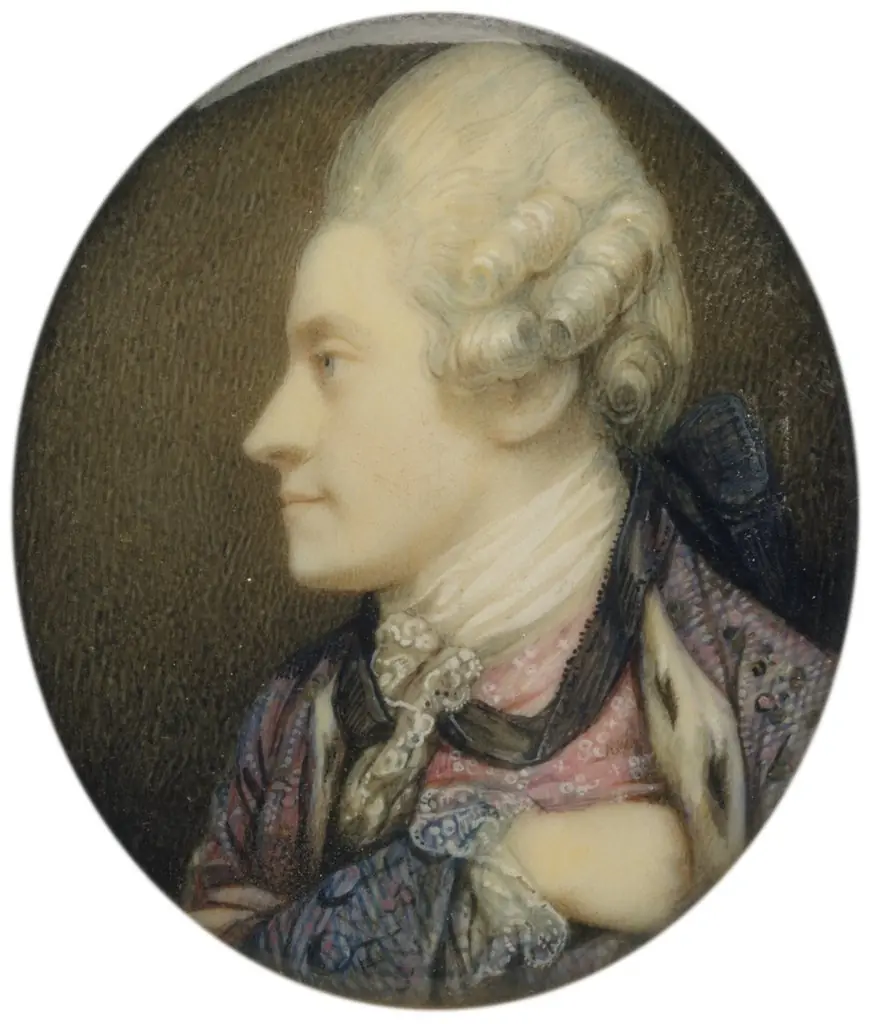 Self-Portrait
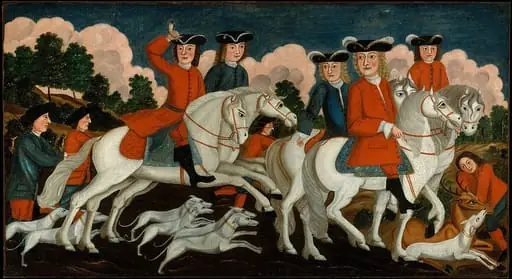 The Hunting Party—New Jersey
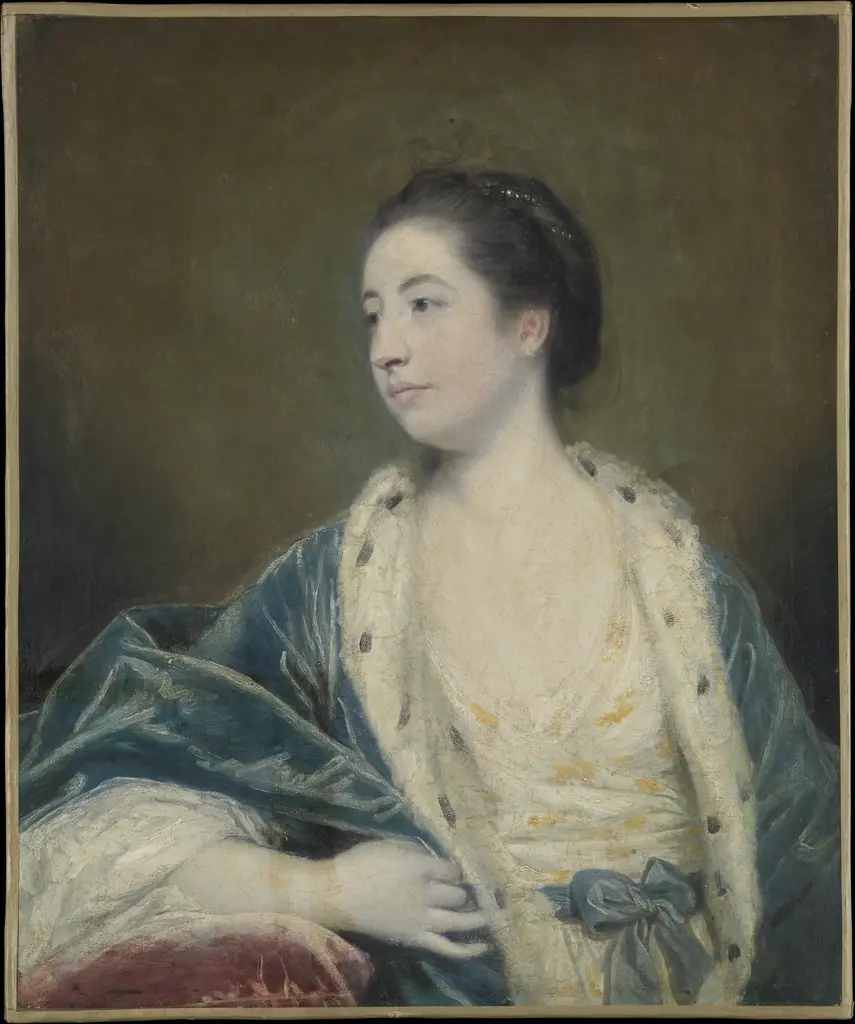 Portrait of a Woman
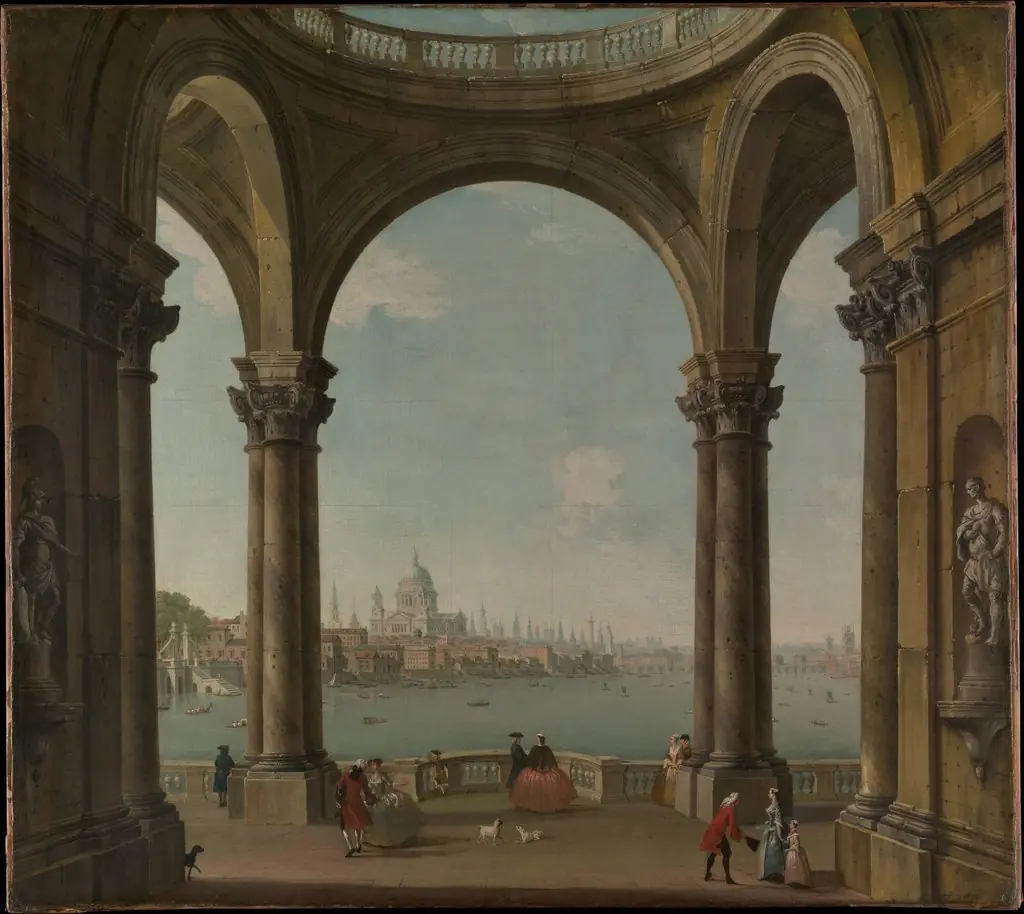 Capriccio with St. Paul's and Old London Bridge
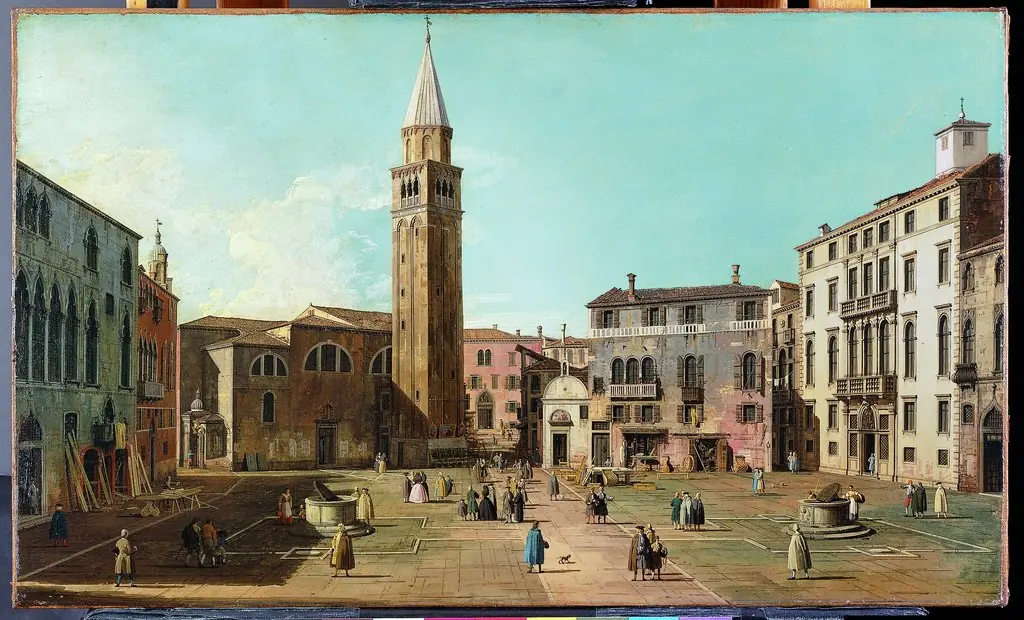 Campo Sant'Angelo
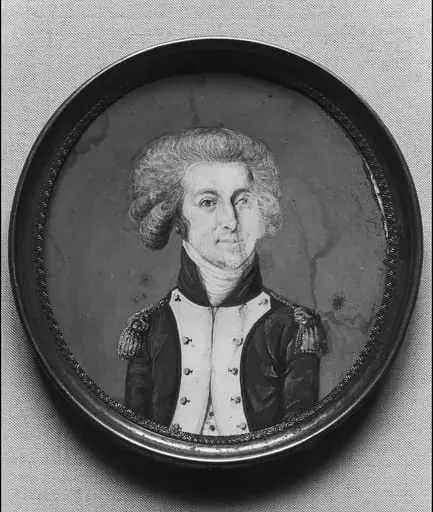 Portrait Miniature of the Marquis de Lafayette
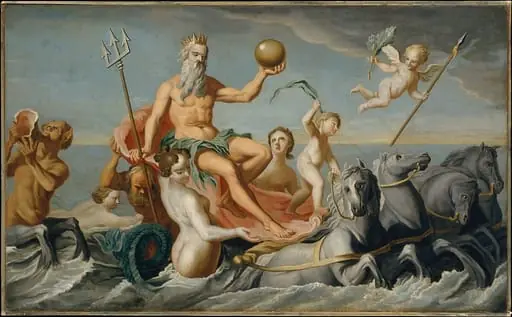 The Return of Neptune
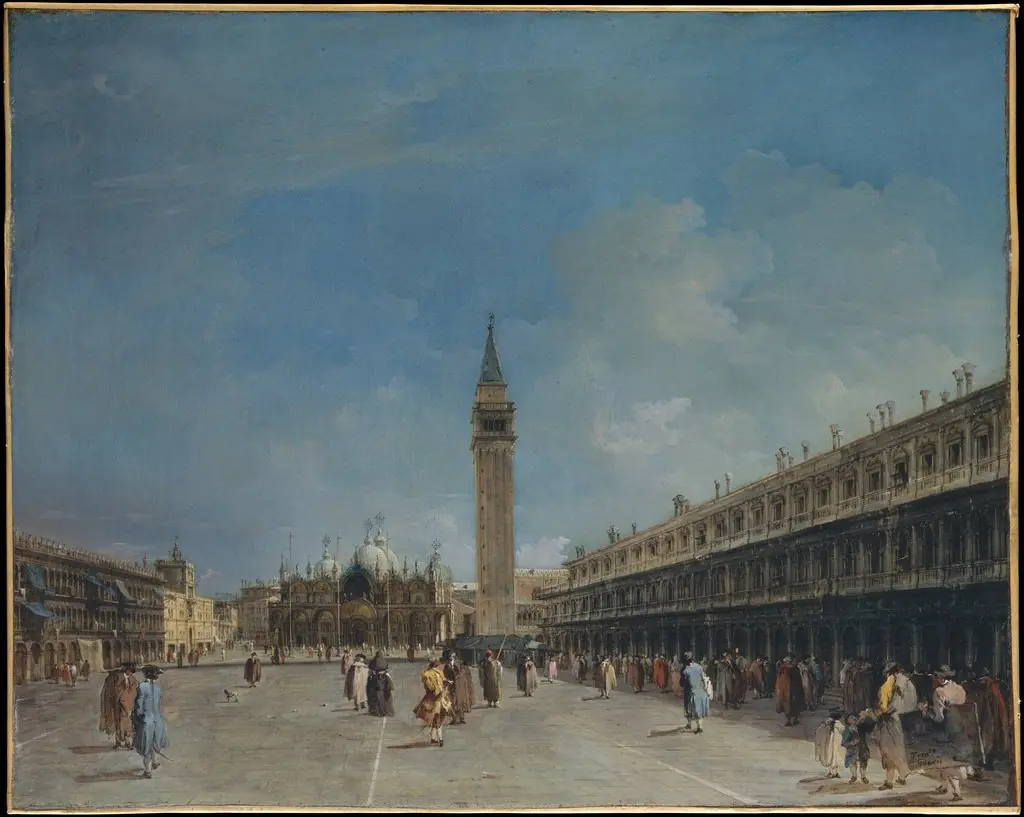 Piazza San Marco
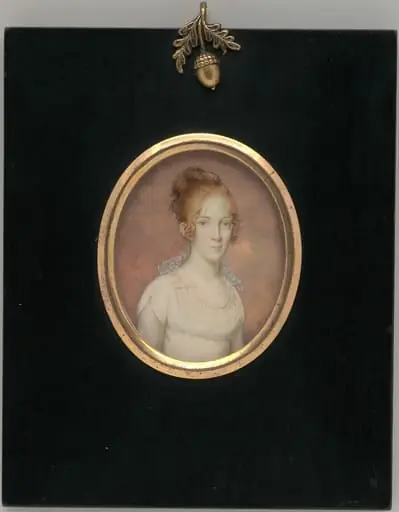 Mrs. Nathaniel Bowen (Margaret Blake)
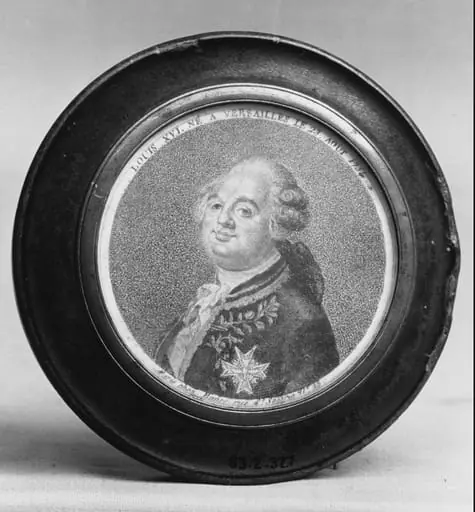 Portrait Miniature of the Marquis de Lafayette
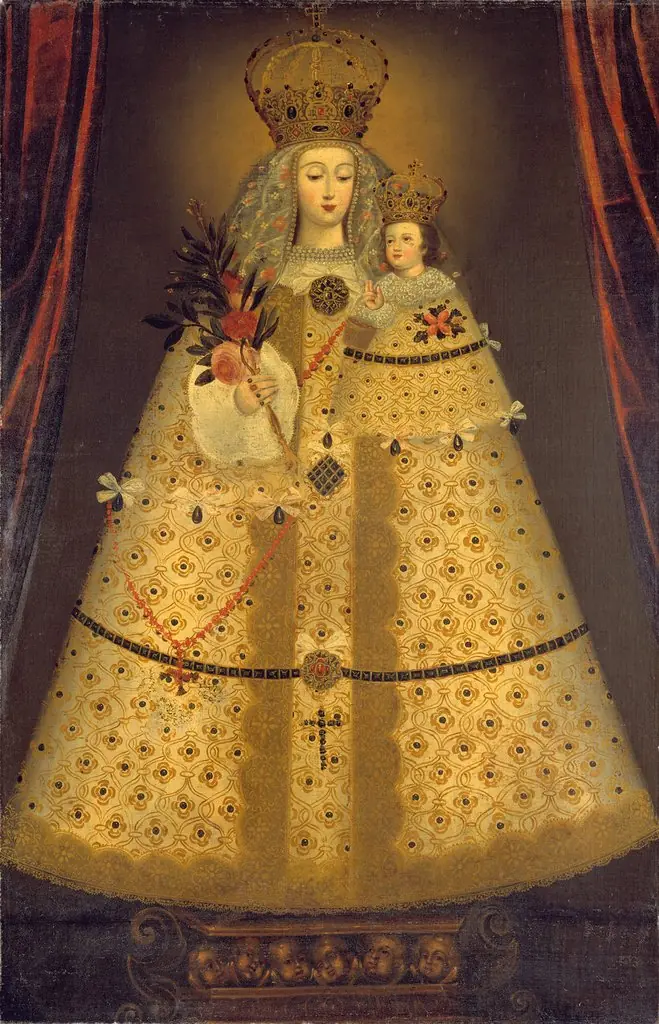 Virgin of the Rosary of Guápulo
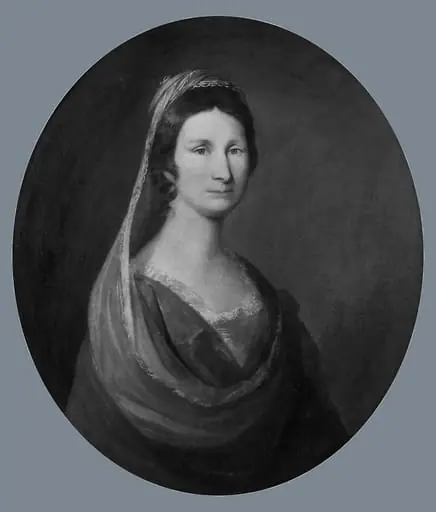 Mrs. Peter De Lancey
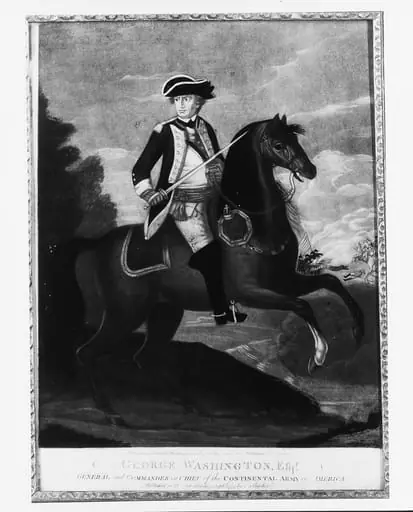 George Washington
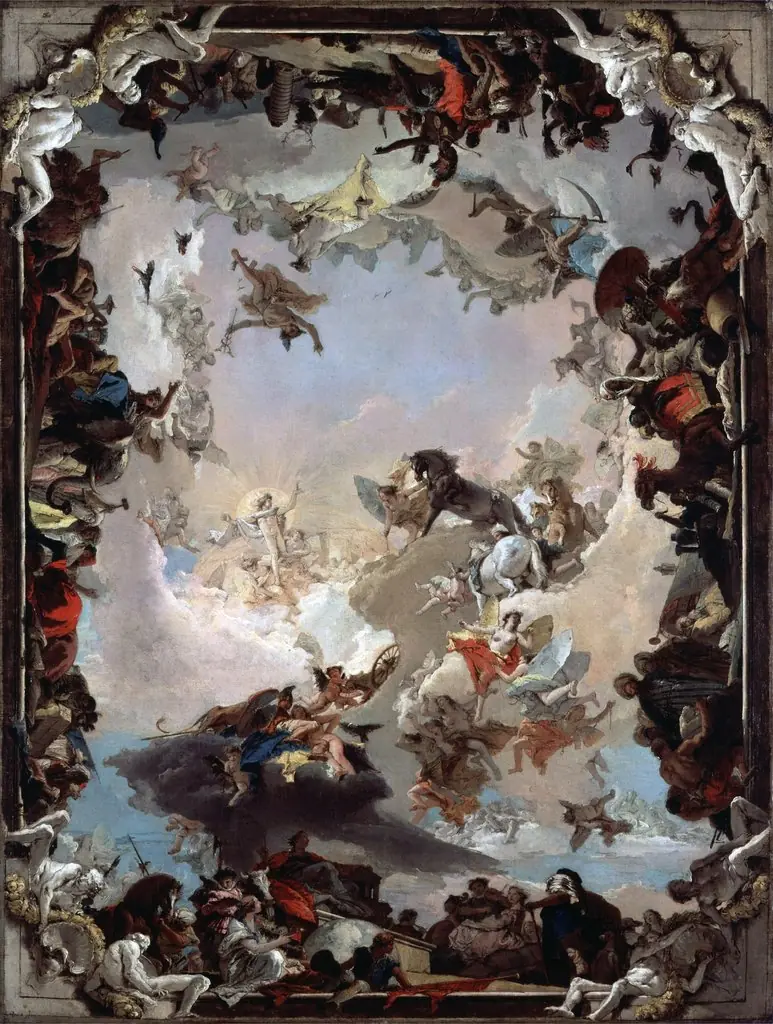 Allegory of the Planets and Continents
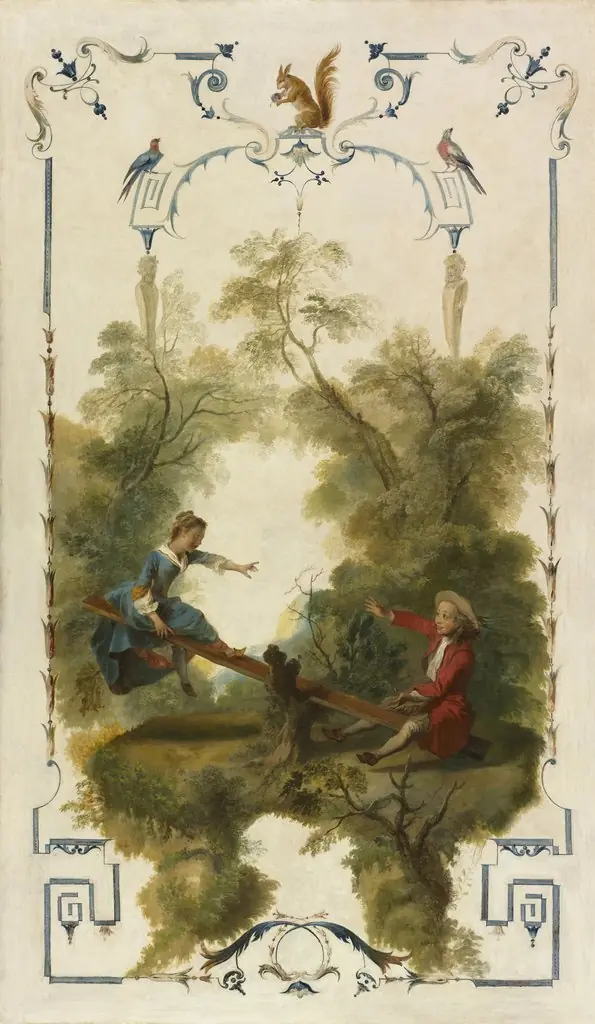 The See-Saw
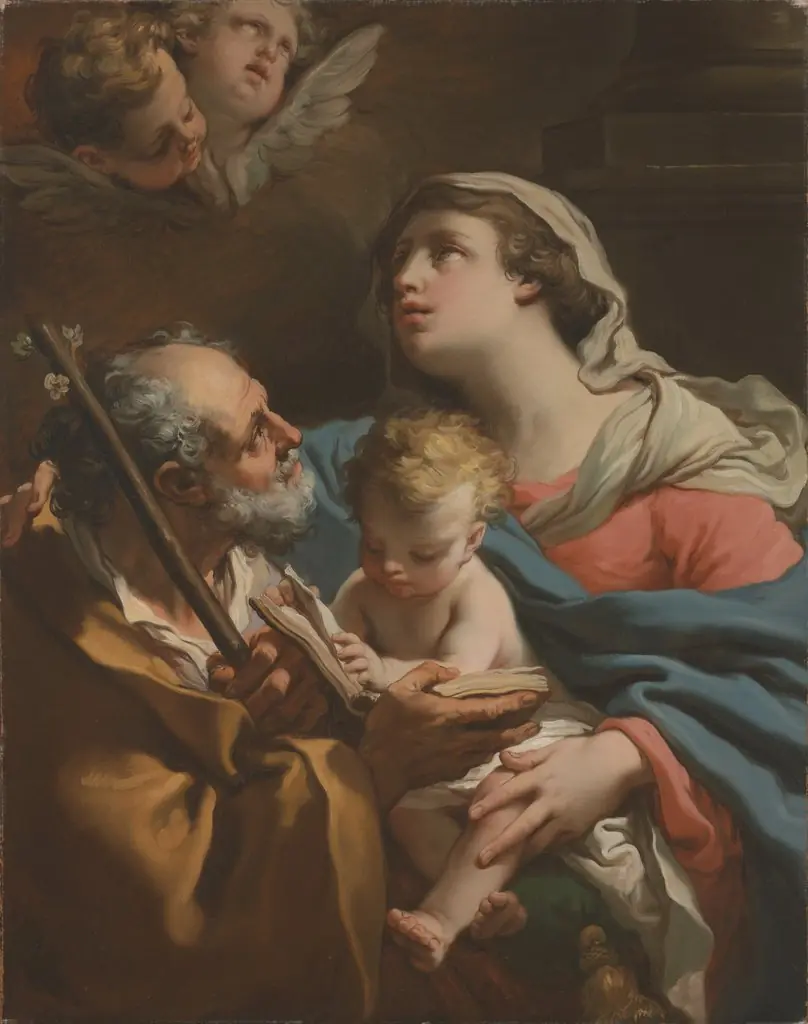 The Holy Family
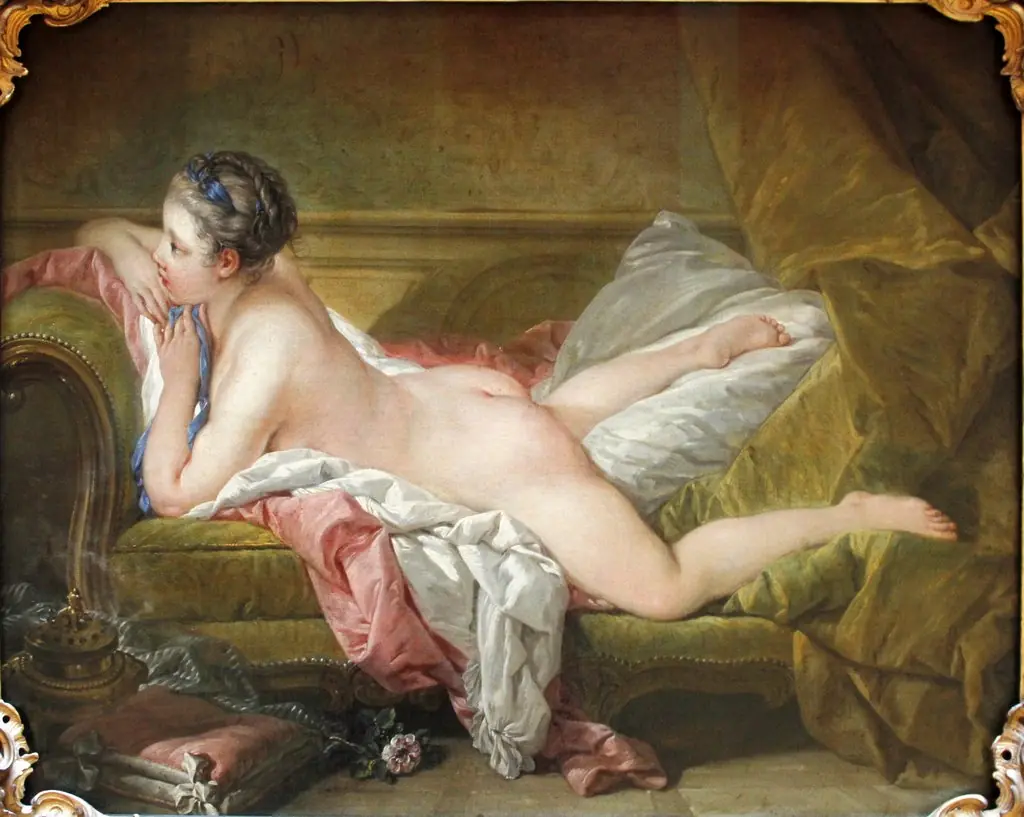 Reclining Girl
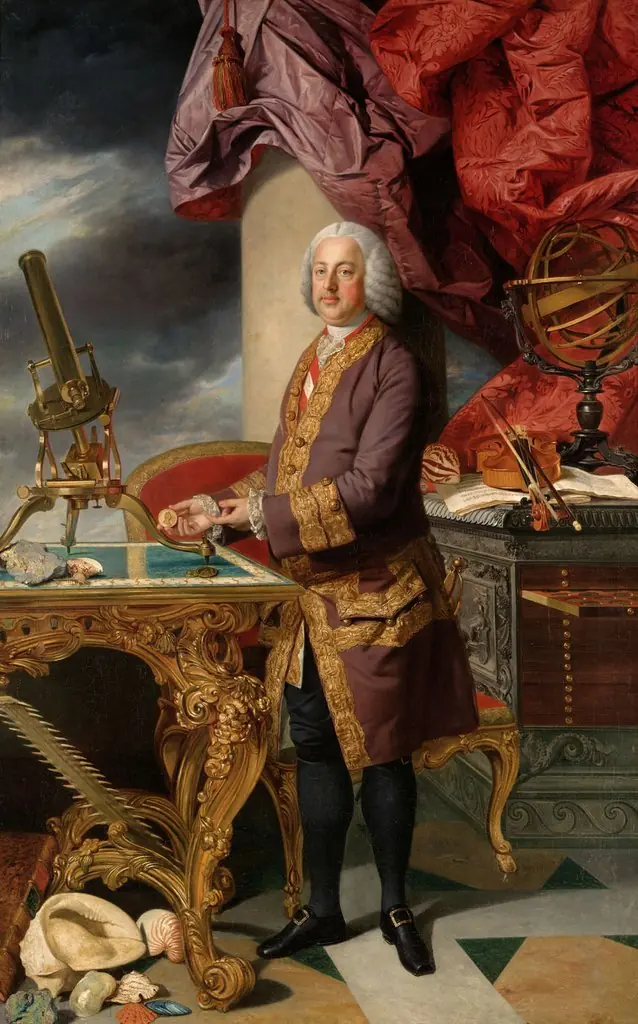 François Ier du Saint-Empire et sa collection d'histoire naturelle
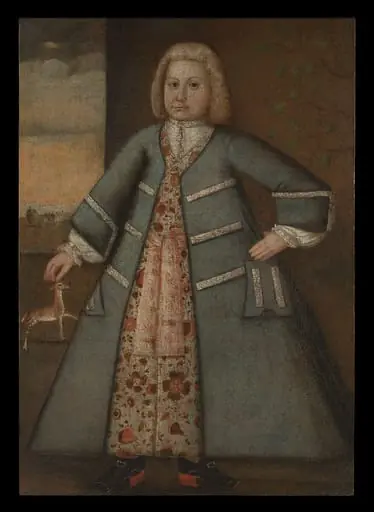 Boy with a Fawn
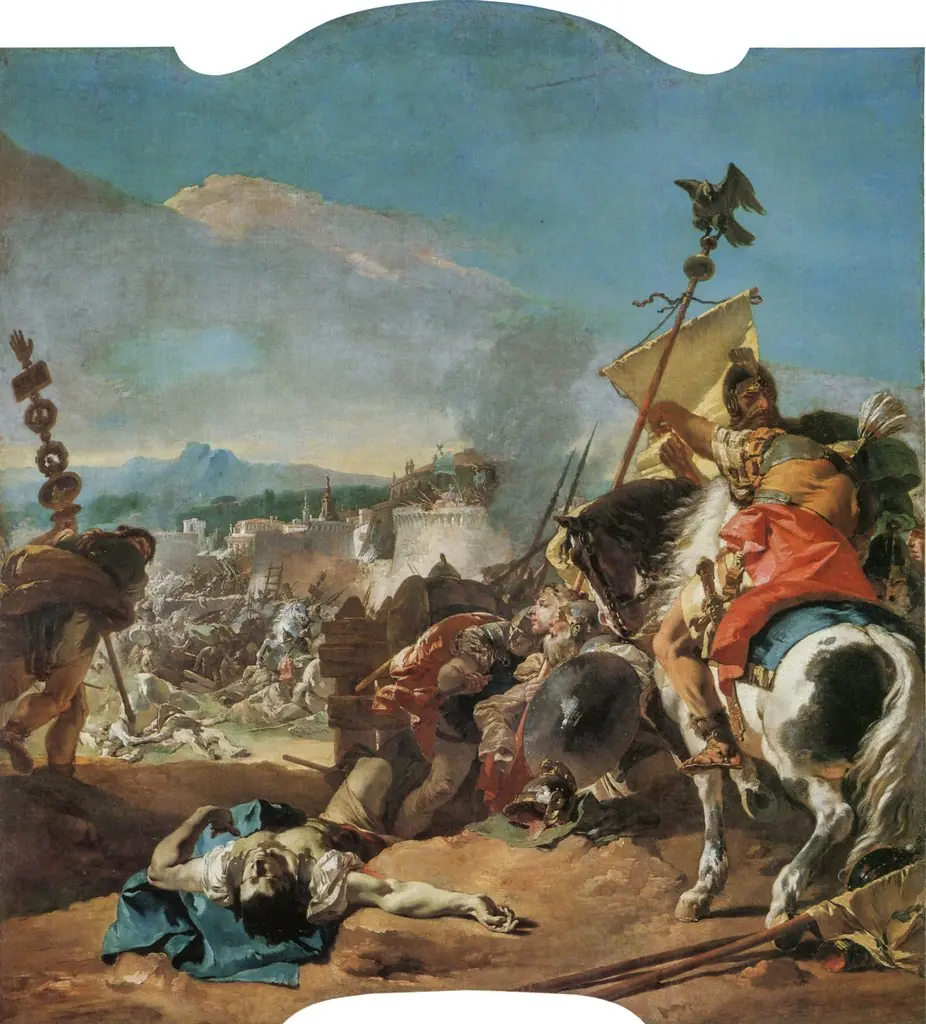 The Capture of Carthage
 Portrait of Benjamin Franklin
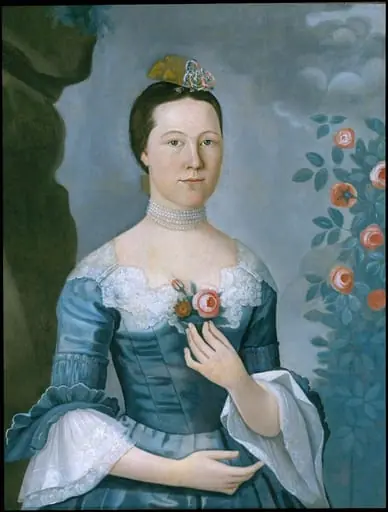 Susannah or Mary Bontecou
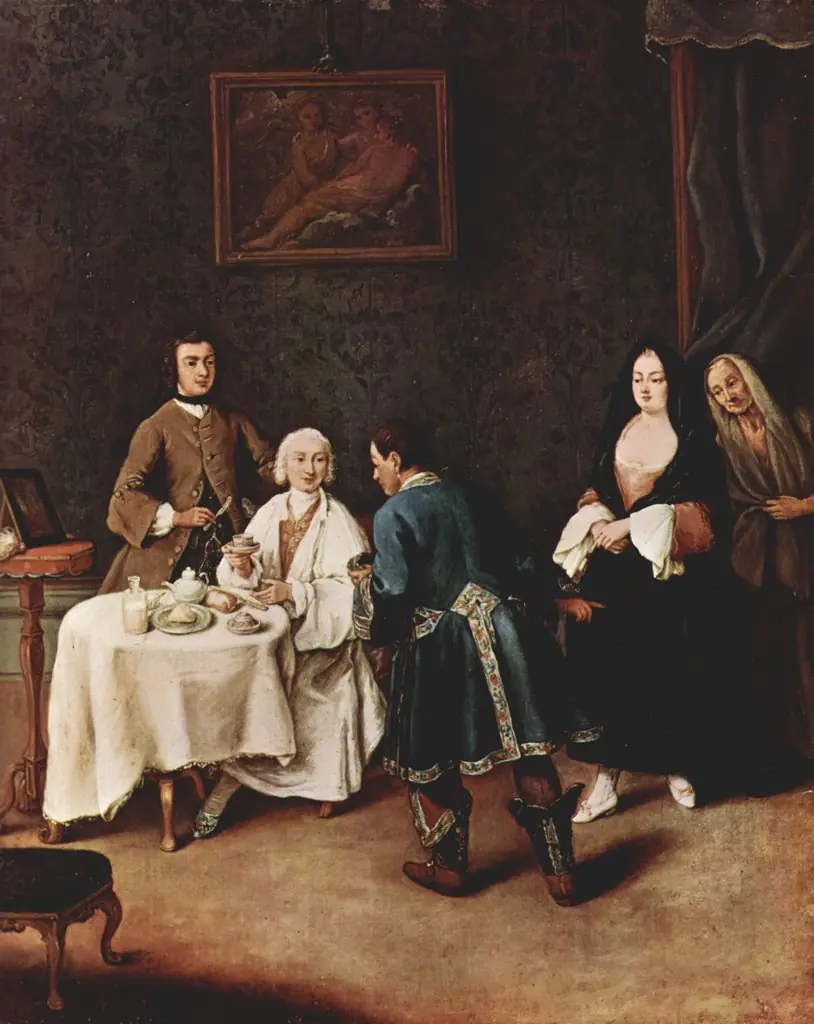 The Temptation
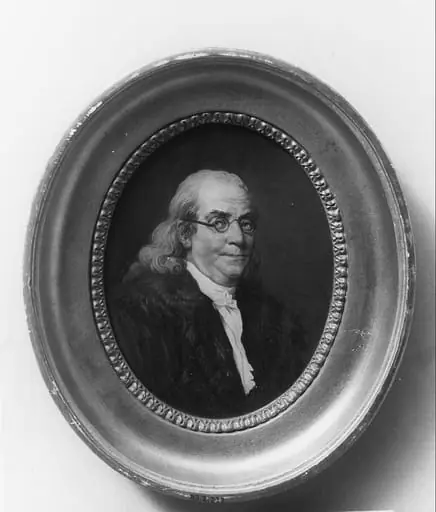 Portrait of Benjamin Franklin
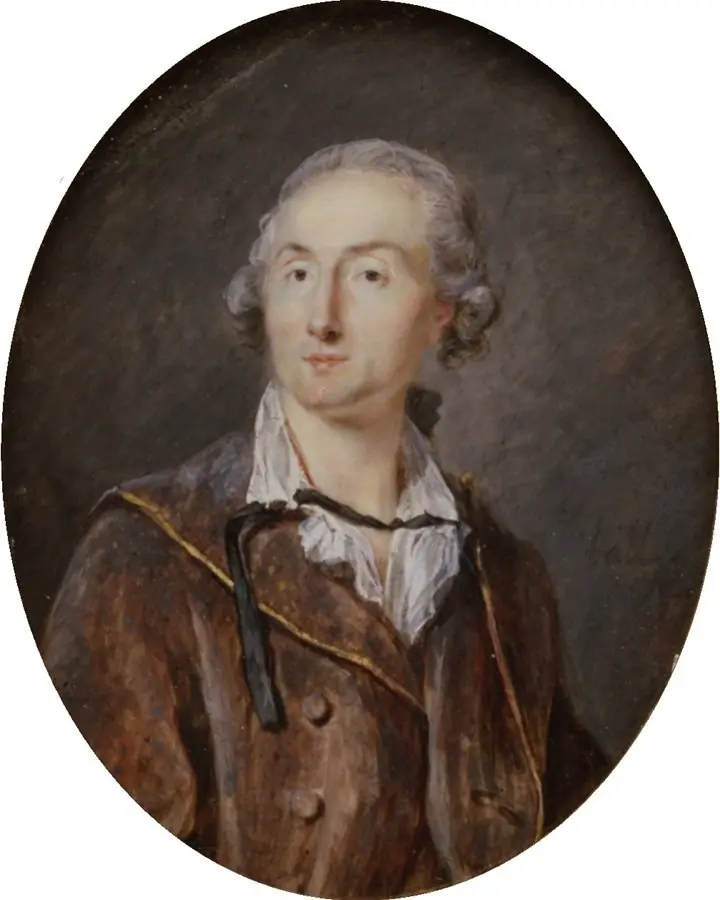 The Painter Louis Joseph Maurice (1730–1820)
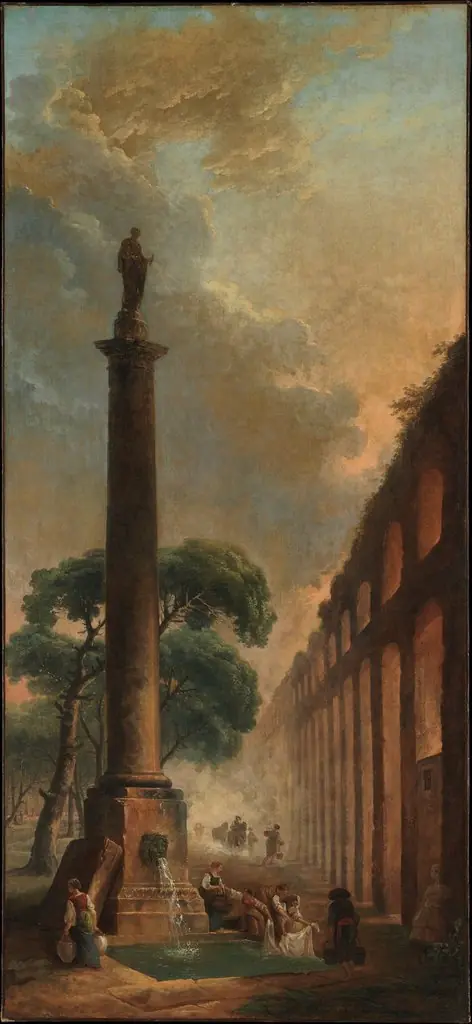 The Fountain
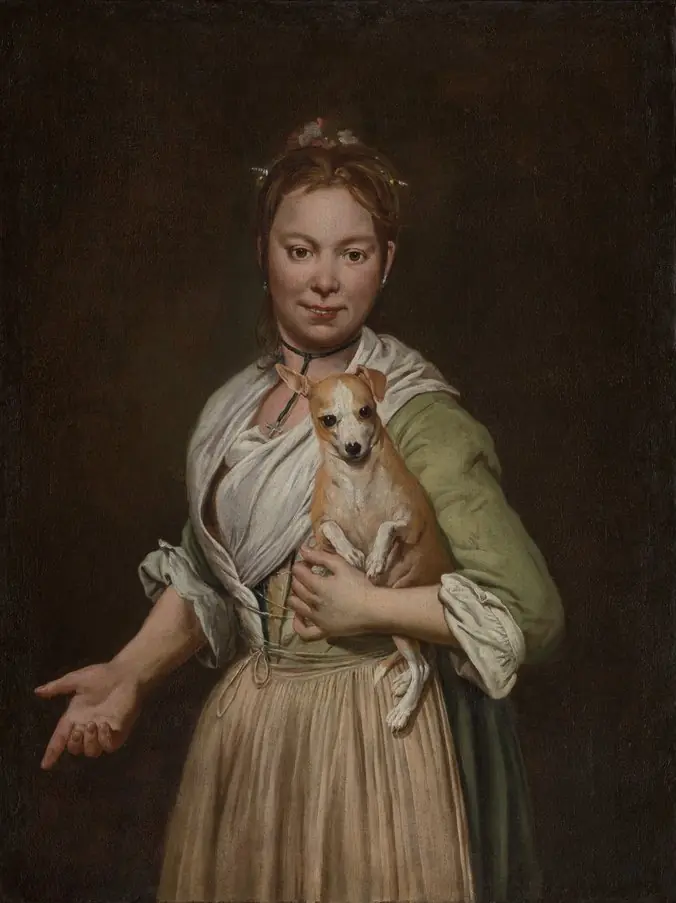 A Woman with a Dog
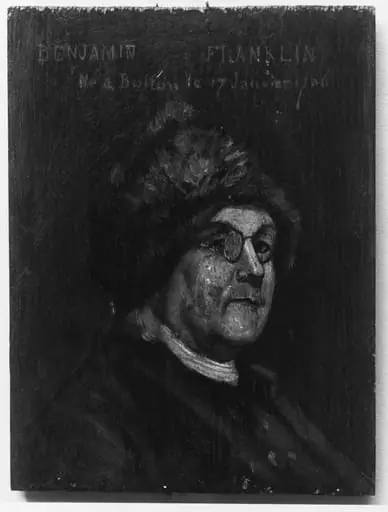 Portrait of Benjamin Franklin
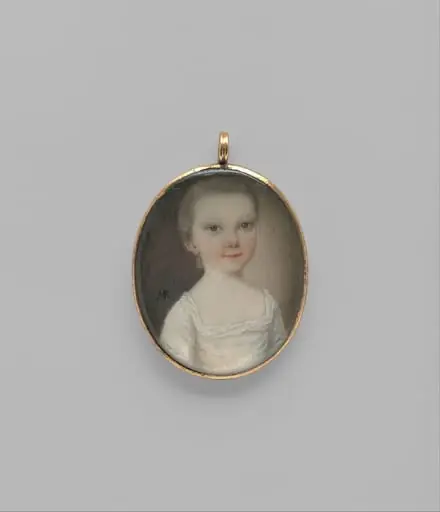 Hester Middleton
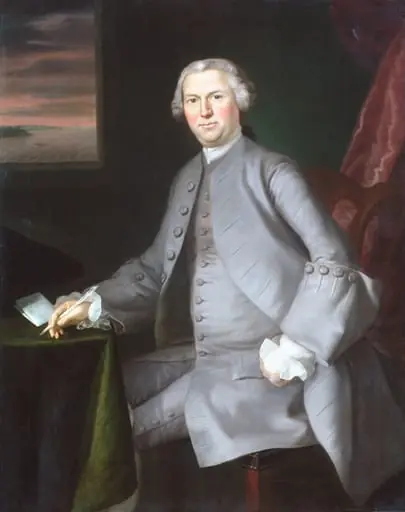 Samuel Cutts
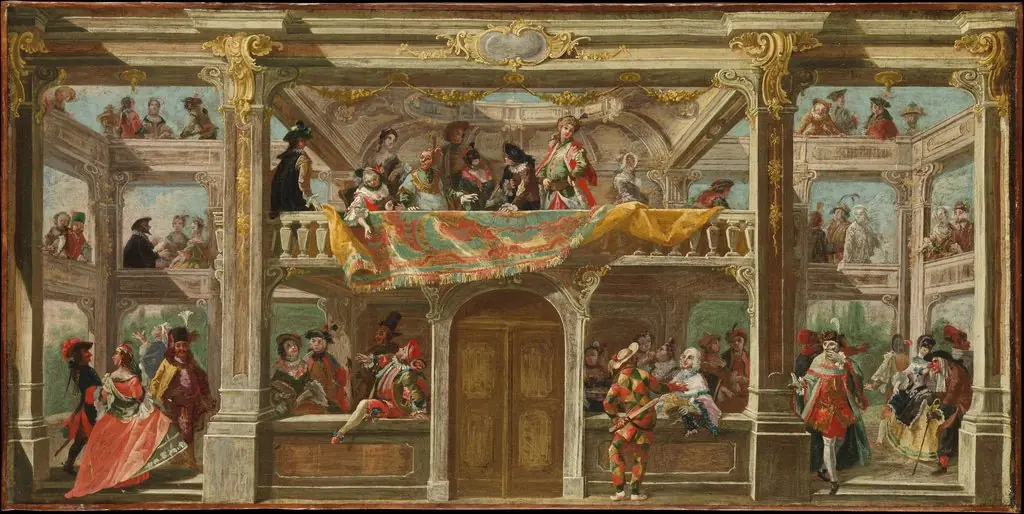 A Masked Ball in Bohemia
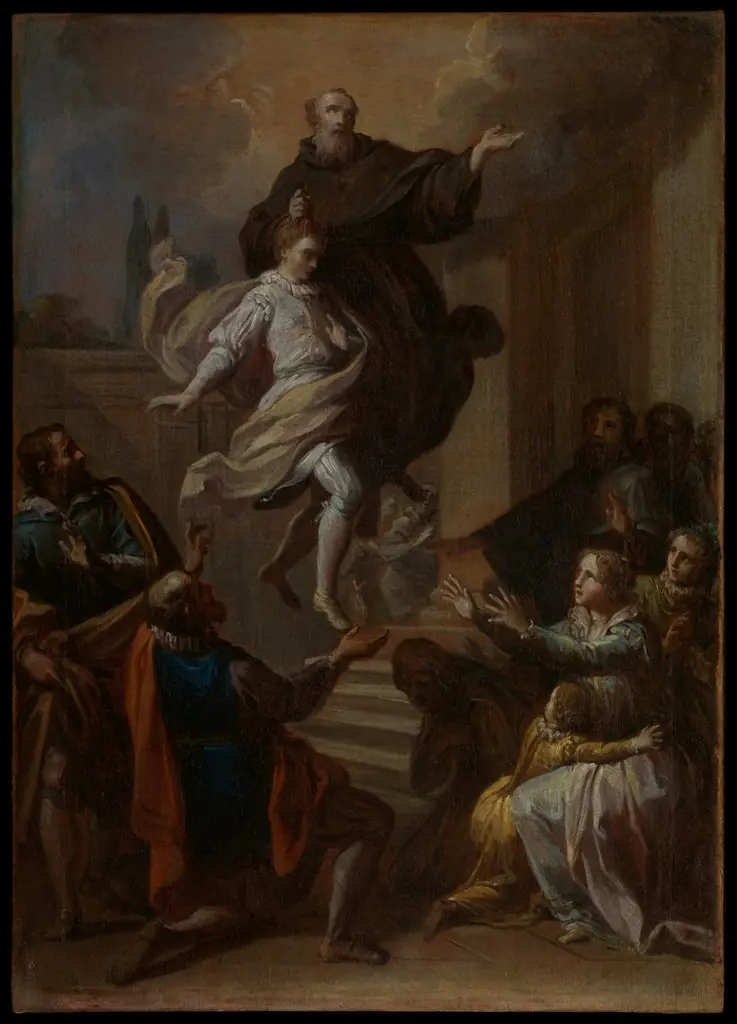 A Miracle of Saint Joseph of Cupertino (1603–1663)
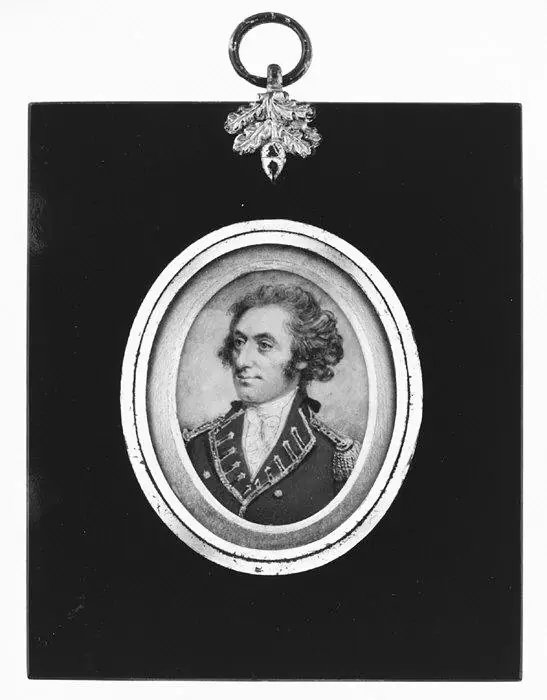 Admiral Adam Duncan (1731–1804)
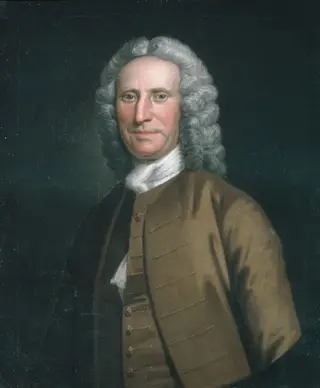 Cadwallader Colden
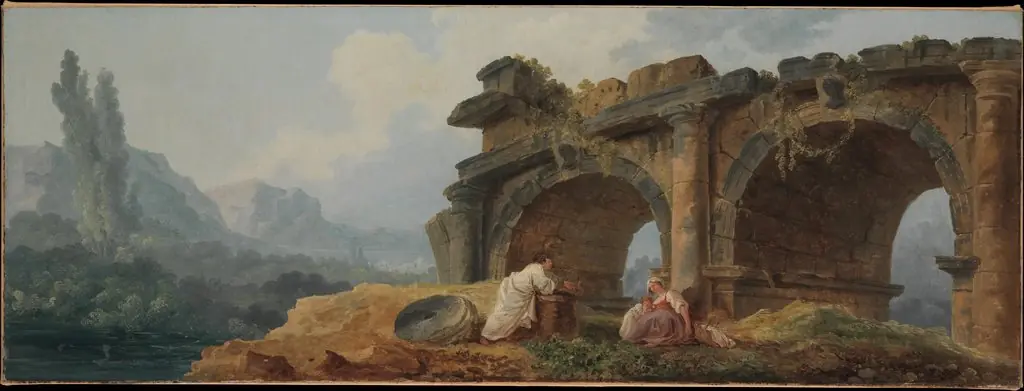 Arches in Ruins
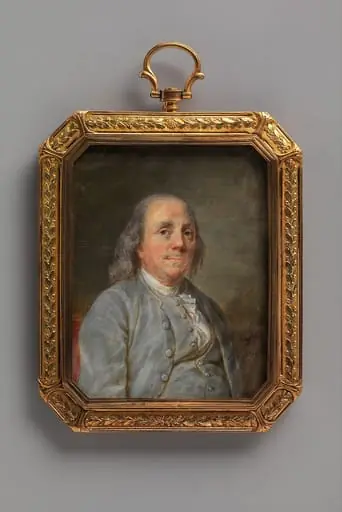 Benjamin Franklin
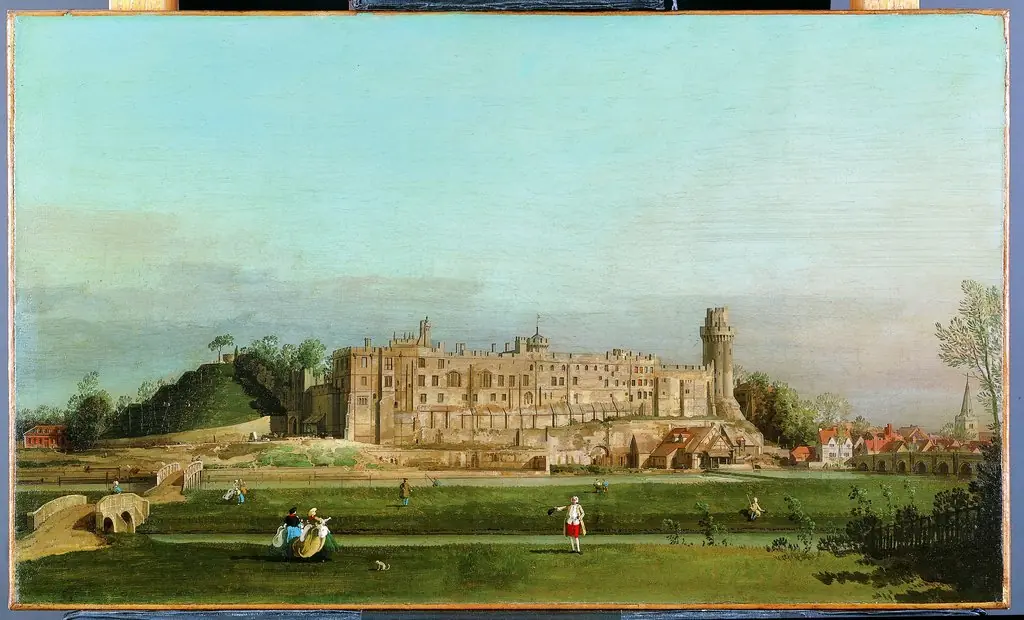 Warwick Castle
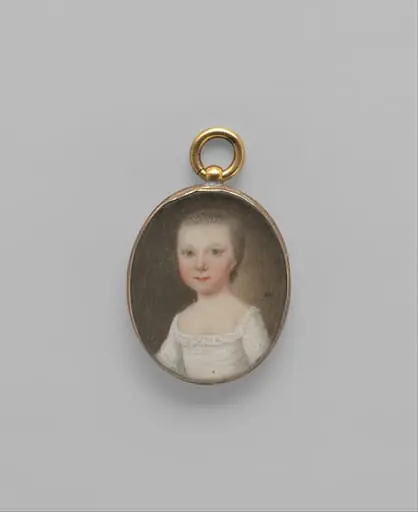 Henrietta Middleton
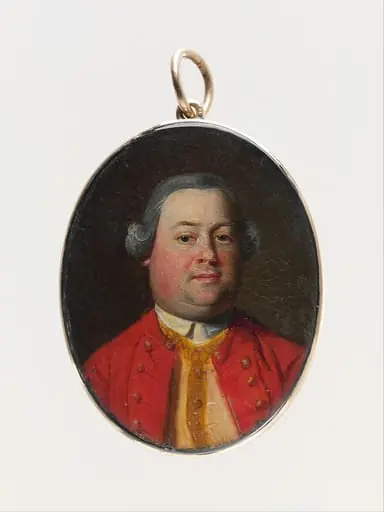 Moses Gill
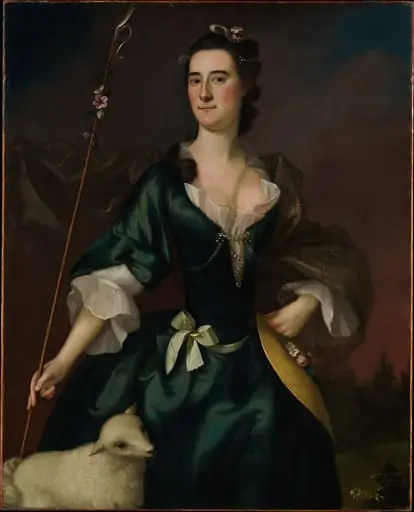 Mary Sylvester
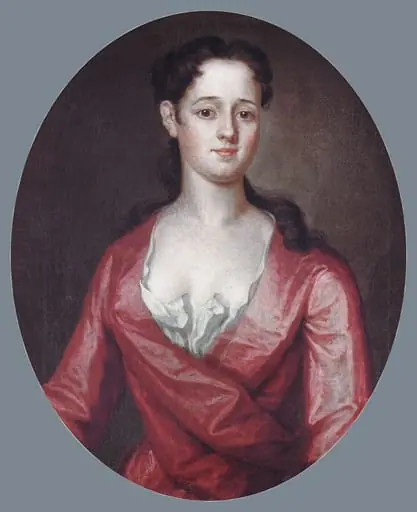 Hannah Pemberton
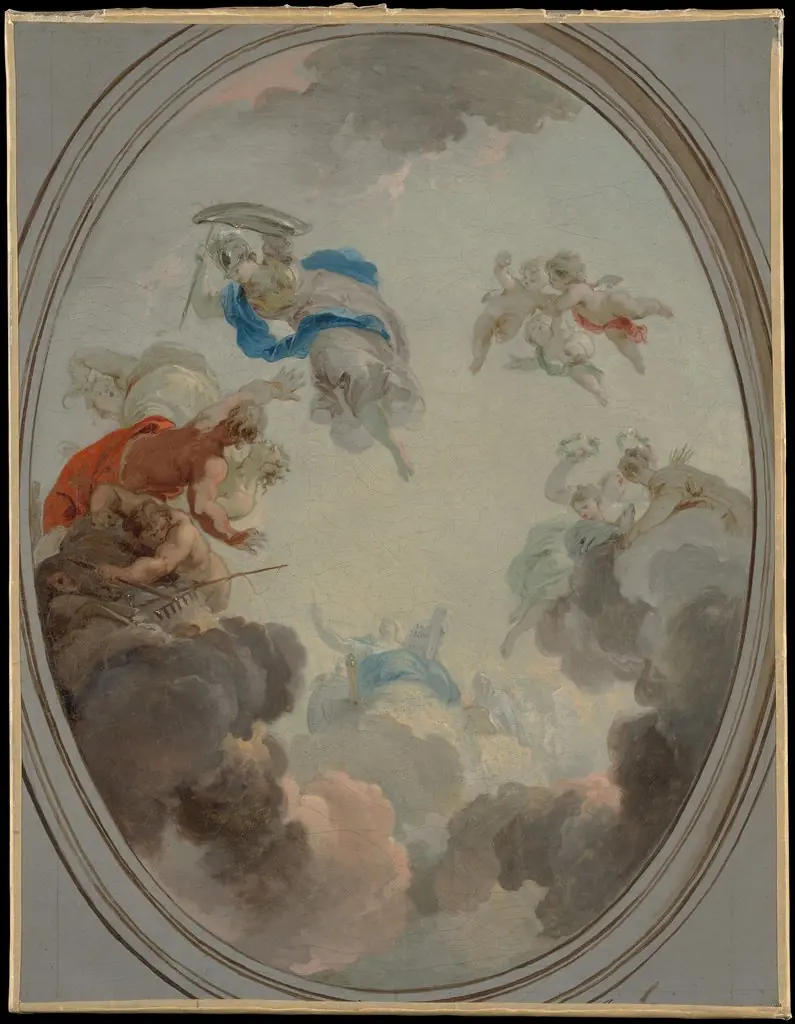 Allegory of Government: Wisdom Defeating Discord
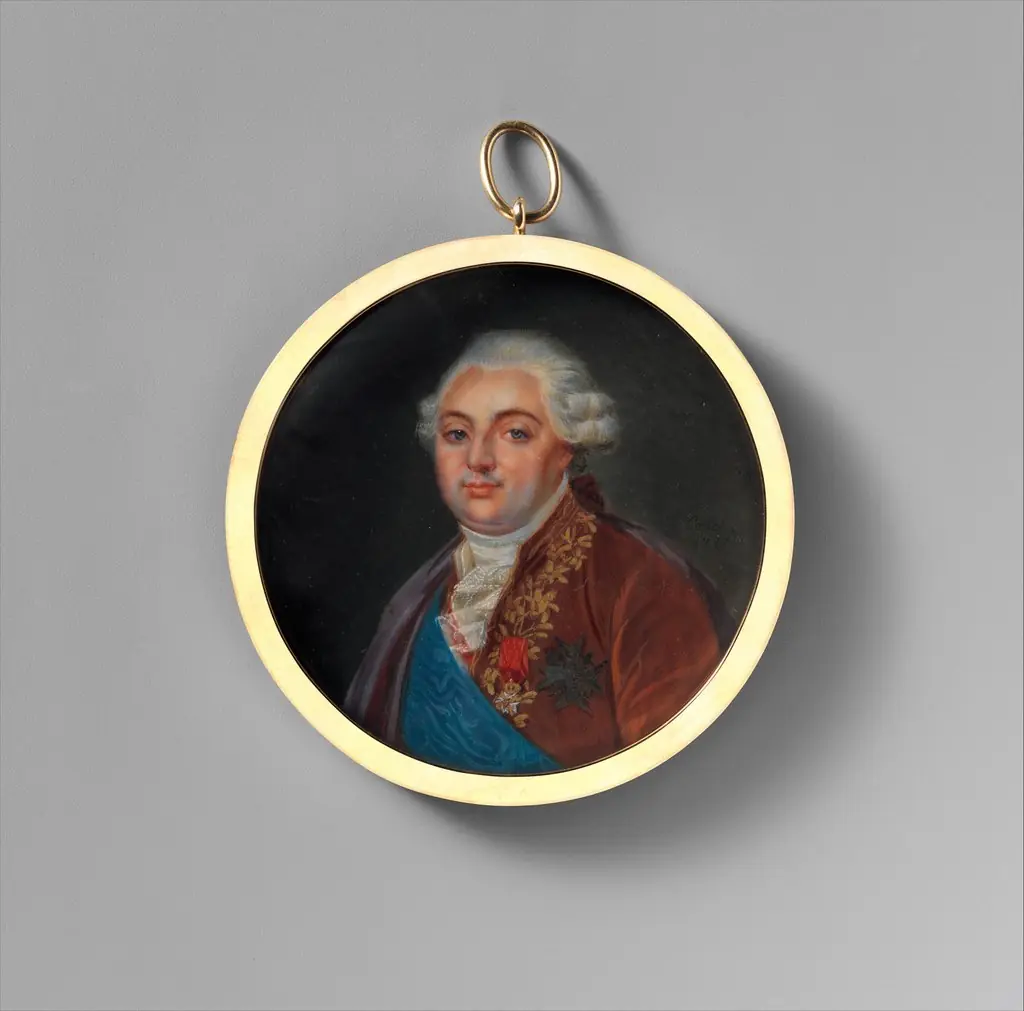 Louis XVI (1754–1793), King of France
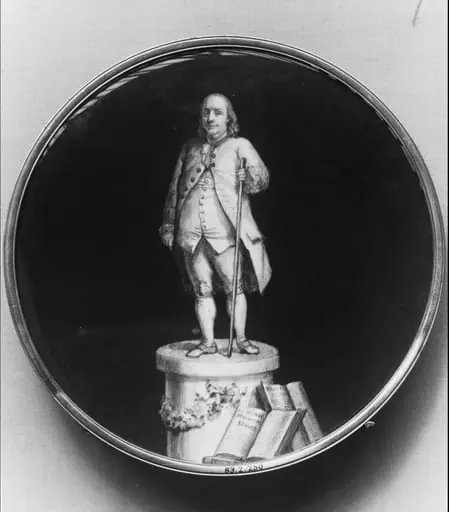 Portrait of Benjamin Franklin
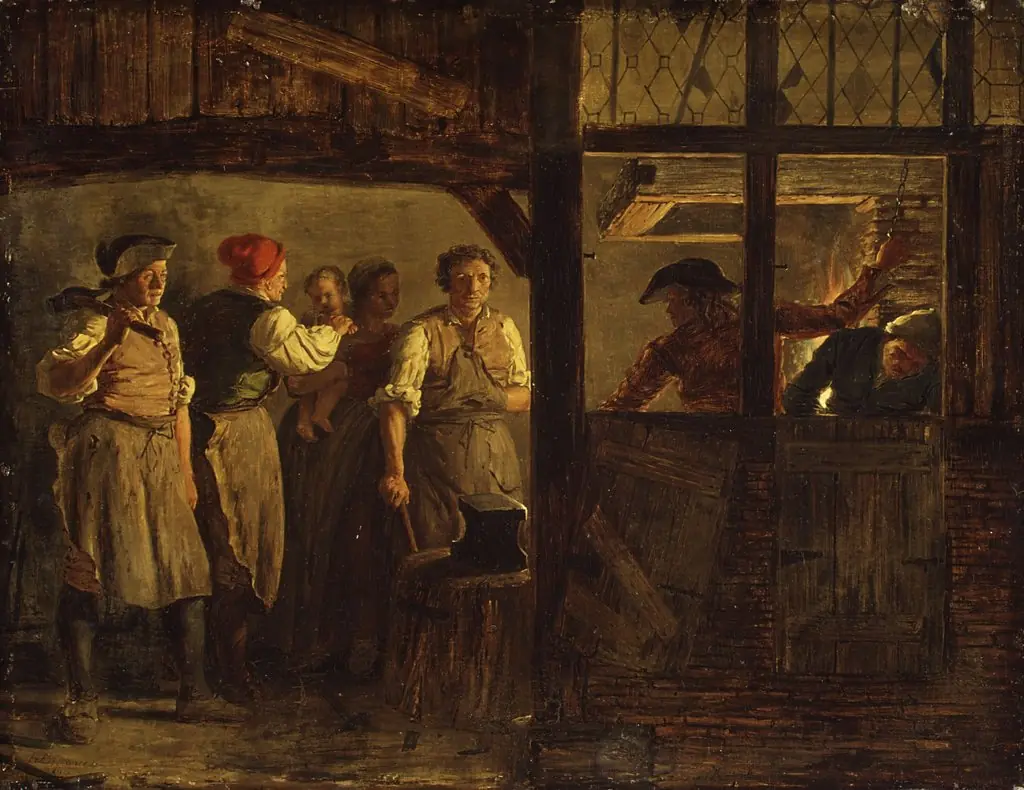 The Forge
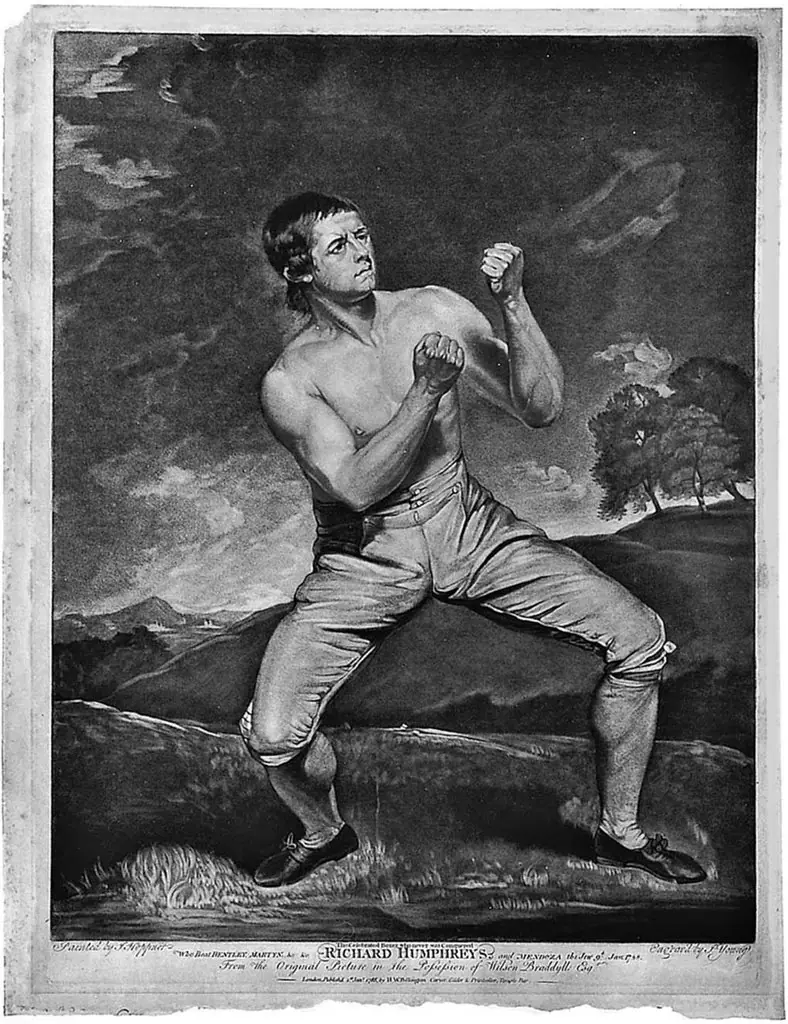 Richard Humphreys, the Boxer
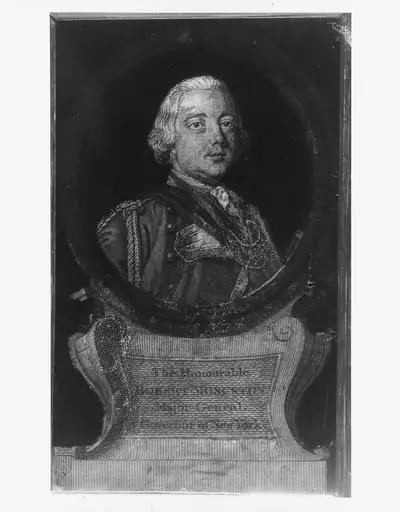 Robert Monckton
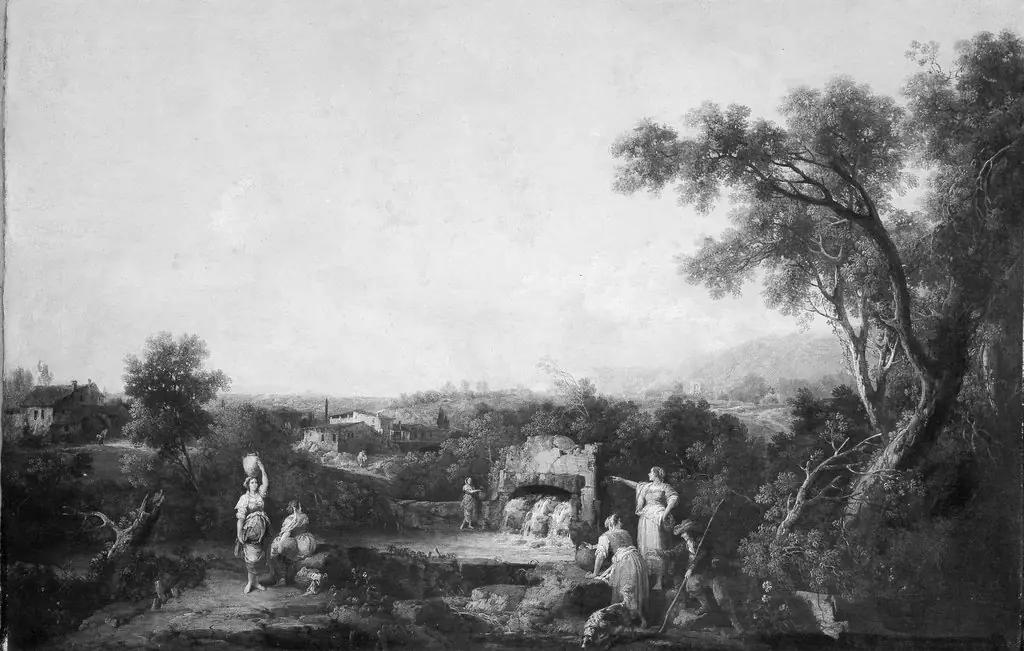 Landscape with Peasants at a Fountain
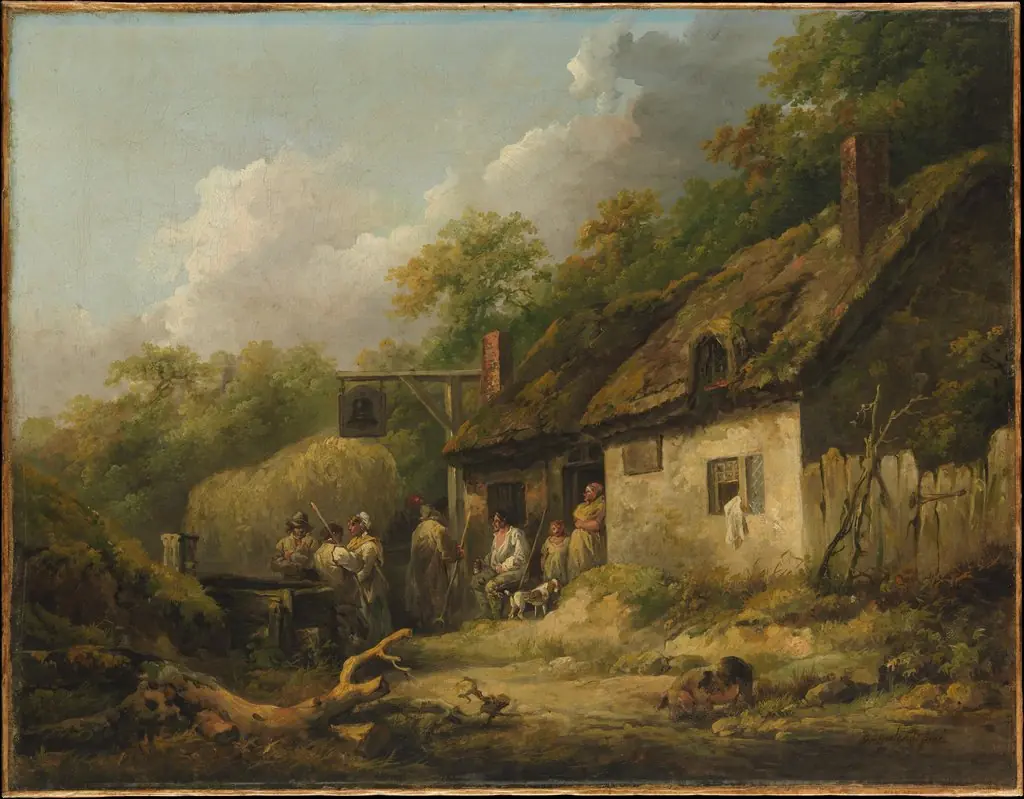 The Bell Inn
Learn this movement
-
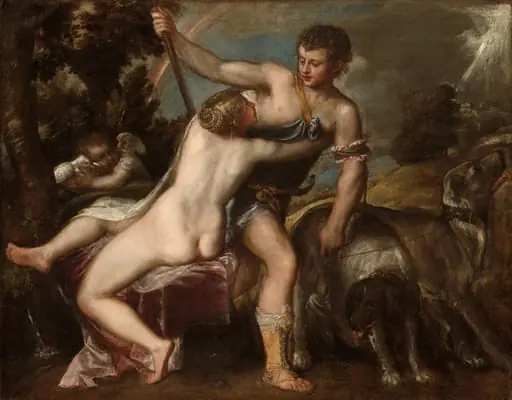 Featured in the course Mythology in Art From Botticelli's modesty to Boucher's boudoir, tracing how European masters reinvented the gods for five centuries.
 -
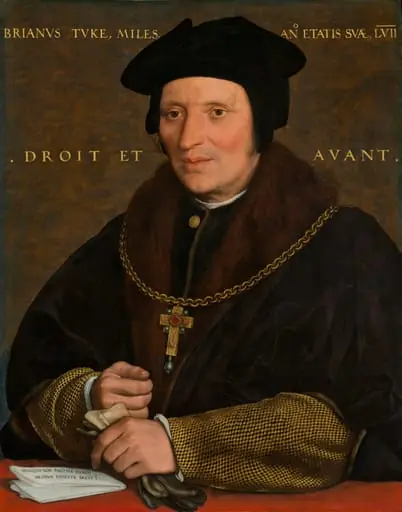 Featured in the course Portraiture Across Time From diplomatic precision to society's shimmer: five centuries of faces deciding how they want to be seen.
Frequently asked questions
What is Rococo painting?
Rococo painting is an art movement. The playful, light, and ornamental style that succeeded French Baroque grandeur in the early 18th century.
How many Rococo painting works does Artifact World Gallery have?
Artifact World Gallery holds 8,798 public-domain Rococo painting works, all free to view and download.
Who are the key Rococo painting artists?
Key Rococo painting artists in the collection include Jean Honoré Fragonard, Jacques-Louis David and Lodewijk Tieling.
When did Rococo painting take place?
Rococo painting dates from 1720–1780.
Where can I see Rococo painting works?
Rococo painting works in the collection are held by Victoria and Albert Museum, Rijksmuseum and Metropolitan Museum of Art.