Artwork
Drinking/eating aid
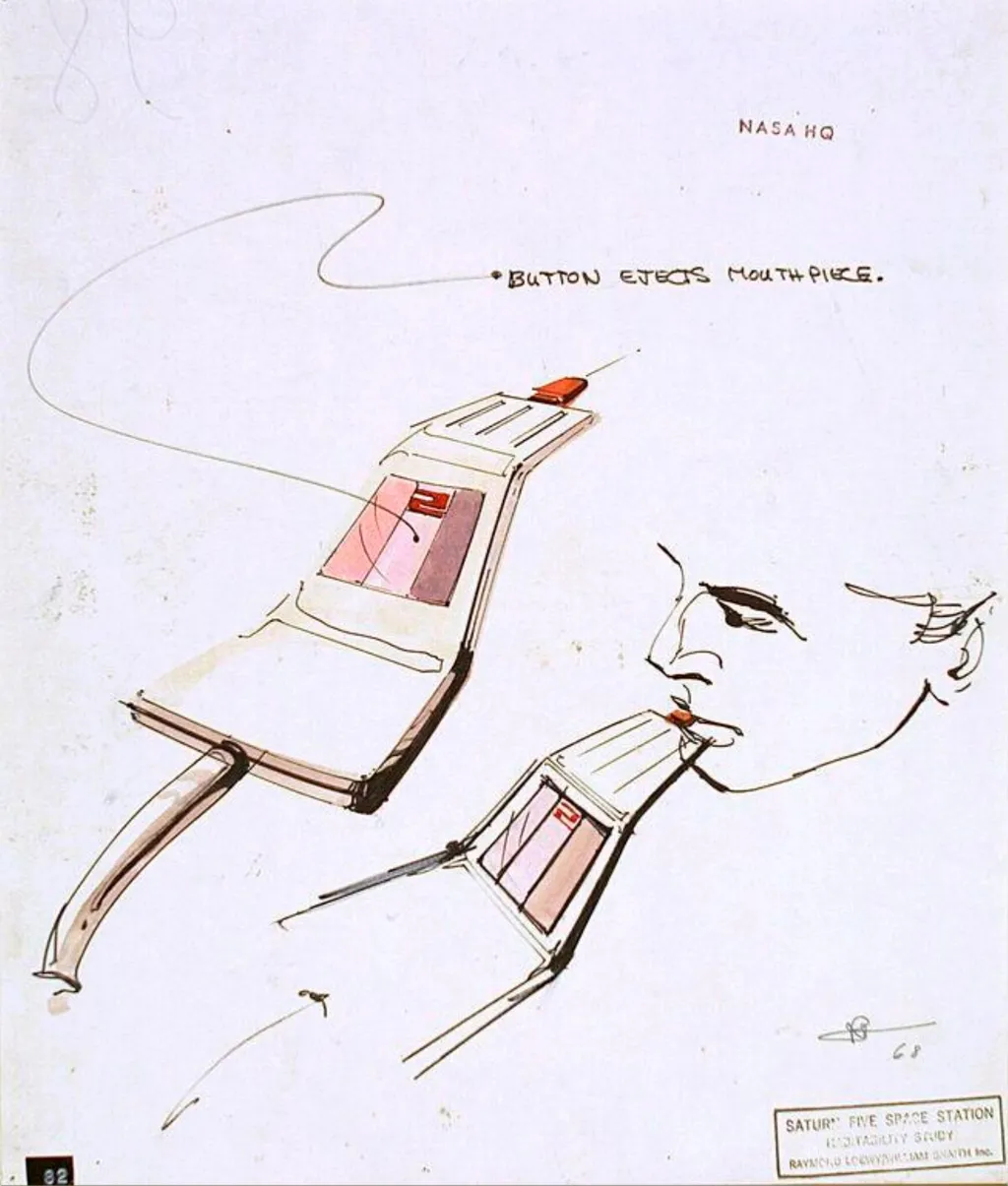
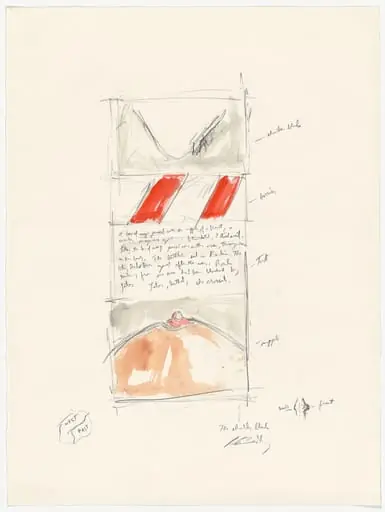
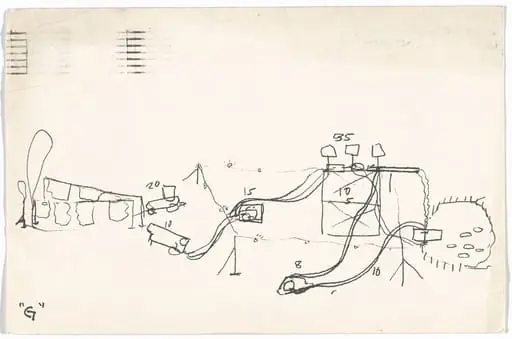
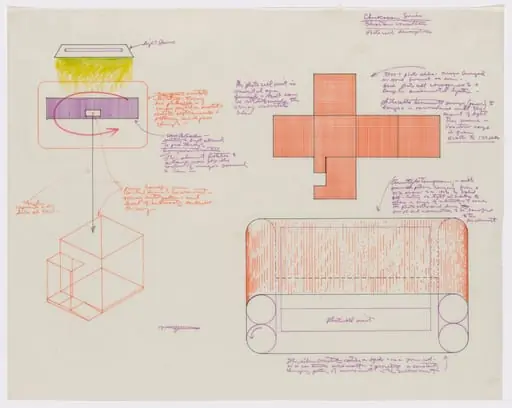
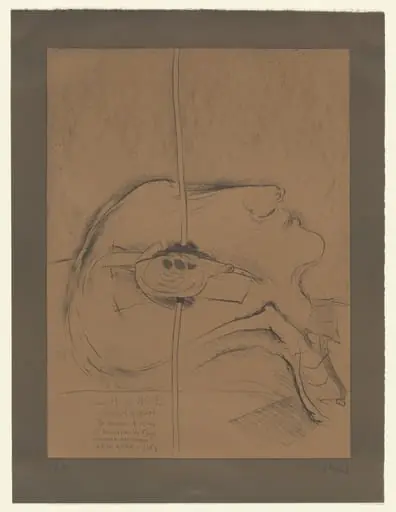
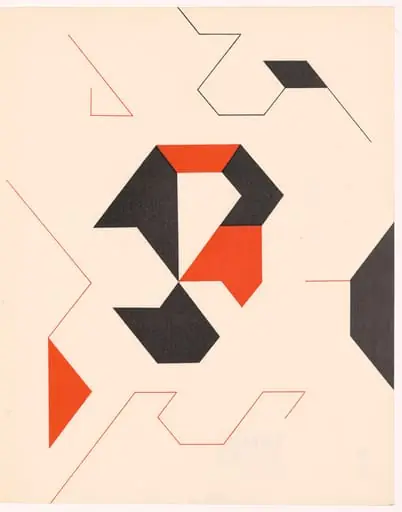
Drinking/eating aid is a drawing by Raymond Fernand Loewy. It dates from 1968 and is held in the collection of the Victoria and Albert Museum. This 1968 drawing depicts a device designed to enable astronauts to consume liquids and semi‑solid foods while in micro‑gravity.
About this work
This drawing by Raymond Fernand Loewy shows a tool meant to help astronauts eat and drink in space. It was made in 1968 as part of NASA’s Skylab project.
The sketch is one of about 10,000 Loewy and his team made for the program. They had to solve problems like zero-gravity eating.
Check out the Victoria and Albert Museum for more NASA-era design sketches.
Overview
This 1968 drawing depicts a device designed to enable astronauts to consume liquids and semi‑solid foods while in micro‑gravity. Rendered as a technical sketch, it illustrates the functional form of a feeding aid conceived for NASA’s Skylab orbital laboratory, reflecting the practical challenges of habitability in space.
Subject & Meaning
The illustration presents a compact, rectangular apparatus with softened corners, intended to channel liquid nourishment to an astronaut without spillage. Its purpose was to address the difficulty of handling fluids in weightless conditions, ensuring that crew members could maintain nutrition and hydration during long‑duration missions.
Technique & Style
Executed in hand‑drawn line work, the sketch employs a clear, utilitarian aesthetic characteristic of mid‑century industrial design. The use of muted browns and oranges, together with the emphasis on simple geometric shapes, aligns with the visual language promoted by the designer’s studio for functional equipment.
History & Provenance
The drawing is one of roughly ten thousand produced by Raymond Loewy and a team of six designers employed by NASA from 1967 onward. Loewy served as a habitability consultant on the Apollo‑Saturn applications, Skylab, and related space‑flight projects, contributing conceptual designs for crew comfort and equipment.
Context
During the late 1960s, NASA’s Skylab program represented a major advance in long‑term orbital research, prompting extensive design work for life‑support systems. The aesthetic and functional solutions developed for Skylab influenced broader design trends of the 1960s and 1970s, especially in the adoption of streamlined, ergonomic forms for consumer and industrial products.
Artist & collection
Artist