Artwork
An Unknown Woman
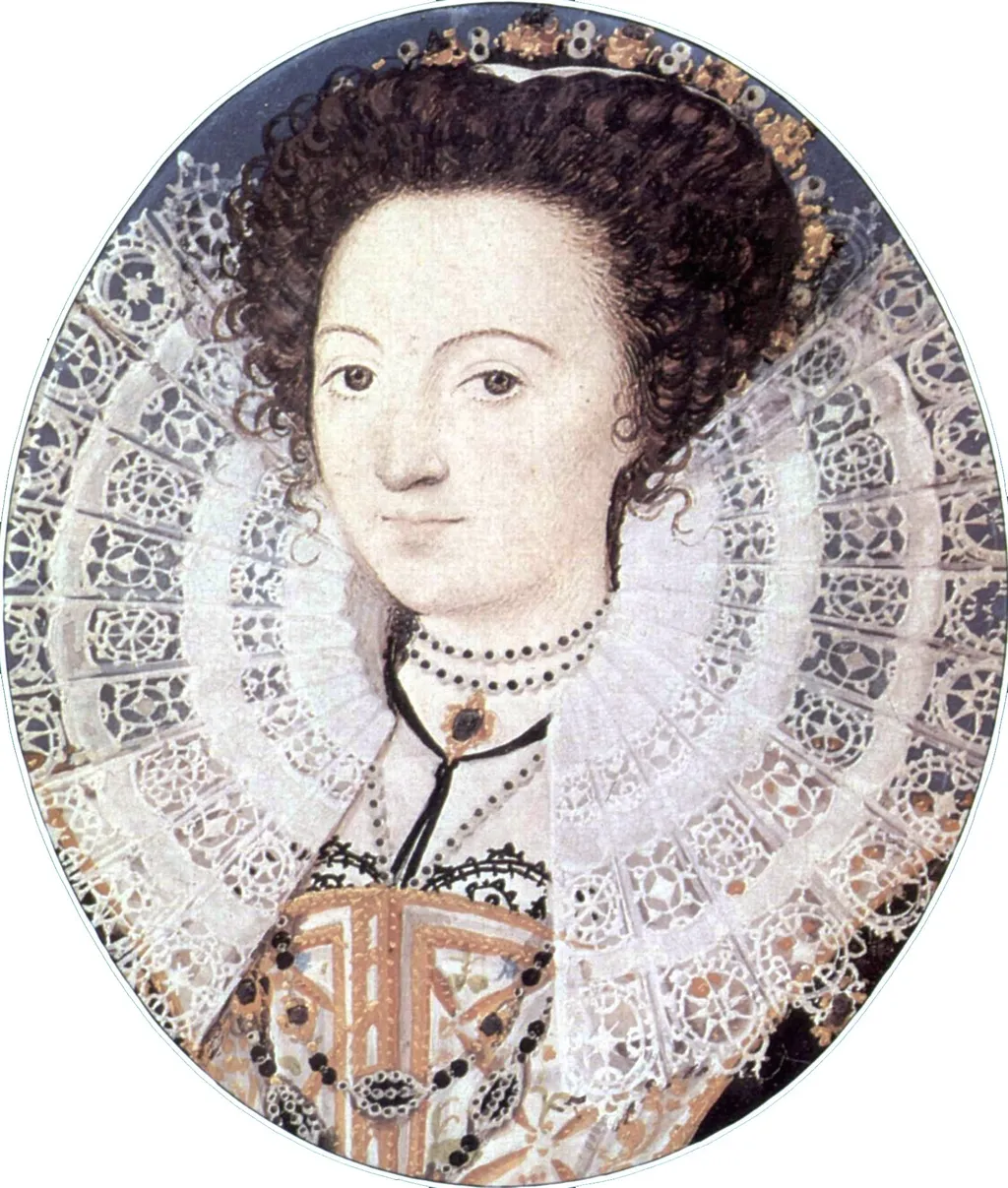
An Unknown Woman is a watercolor painting by Nicholas Hilliard. It dates from 1596 and is held in the collection of the Victoria and Albert Museum.
About this work
Overview
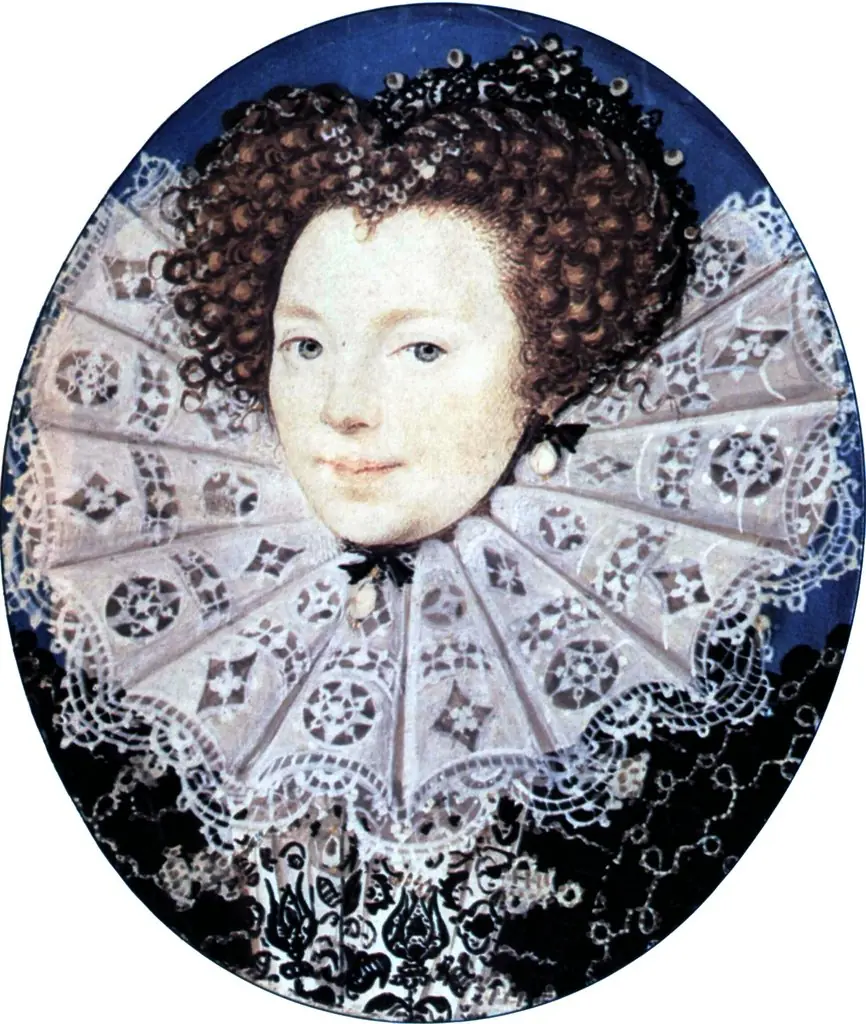
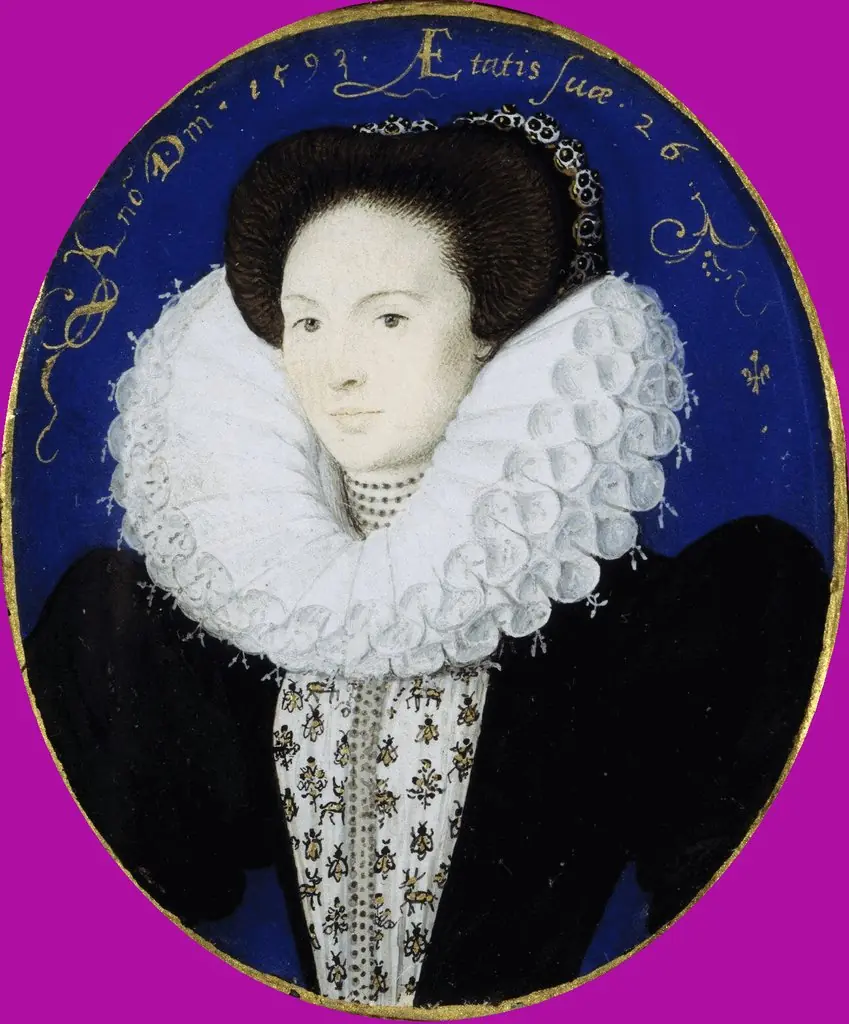
The oval painting depicts an unidentified, wealthy woman adorned in elaborate late Elizabethan dress and jewelry.
An Unknown Woman is a portrait miniature painted by the English artist Nicholas Hilliard between 1590 and 1593. Executed in watercolour on vellum, the work is mounted on a playing card and measures 5.1 by 4.3 centimeters. The oval painting depicts an unidentified, wealthy woman adorned in elaborate late Elizabethan dress and jewelry. It is currently held in the Victoria and Albert Museum in London under the accession number P.9-1947. The miniature is a significant example of Hilliard's close attention to contemporary fashion and his role in immortalizing the status of Elizabethan elites through portraiture.
Subject & Meaning
The miniature portrays an unidentified woman turned slightly to her left and looking forward. She wears a black dress adorned with jewels on the front and shoulders, a large high-standing lace ruff with intricate geometric cutwork, and a white bodice with blackwork embroidery. Her dark brown hair is arranged in elaborate curls and features an aigrette or jeweled circlet with gold and pearl elements. Heavy jewelry, including a double strand of dark beads, a necklace, earrings, and a prominent jeweled pendant, underscores her wealth. Some scholars have proposed the sitter might be Emilia Lanier, though the identification remains unconfirmed. In Elizabethan England, clothing was an accurate indicator of social status, making the display of luxurious attire and jewelry essential for a portrait intended to immortalize the sitter's position.
Technique & Style
Hilliard painted the miniature using watercolour on vellum, which was subsequently stuck onto a playing card, specifically the six of diamonds, visible on the reverse of the backing sheet. The composition is set against a flat, dark blue-black background devoid of landscape or setting, a stylistic choice that emphasizes the sitter's ornate costume. Hilliard employed extremely fine, precise brushwork to render the delicate lacework and jewelry details. The face features a smooth, enamel-like finish with minimal modeling. Light falls evenly across the figure with little shadow, producing a flat, decorative effect that highlights the contrast between the pale lace and the dark background and hair.
History & Provenance
Created between 1590 and 1593, the miniature's early ownership history remains largely obscure. By the early twentieth century, it was in the possession of Mrs. Wyndham Cook, who incorrectly identified the sitter as Queen Elizabeth I. The work was later bequeathed by E. Peter Jones to the Victoria and Albert Museum in 1947, where it received the accession number P.9-1947. The museum's record notes the oval frame includes a loop at the top, indicating its historical use as a wearable or hanging personal ornament.
Context
Created during the late Elizabethan era, the miniature reflects the period's cultural emphasis on fashion as a marker of wealth and rank. Hilliard's meticulous rendering of the sitter's starched ruff, decorated with red textile ties, and her heavy jewelry demonstrates the impact of ever-changing fashions on his art. The work exemplifies the Elizabethan practice of wearing one's wealth during a portrait sitting, ensuring that status was permanently recorded. The suggestion that the sitter could be Emilia Lanier, a notable poet and potential patron of the arts, connects the work to broader scholarly discussions about the identities of women in Elizabethan portraiture, though the true identity of the woman remains unresolved.
Own this work as a print
Artist & collection
Artist
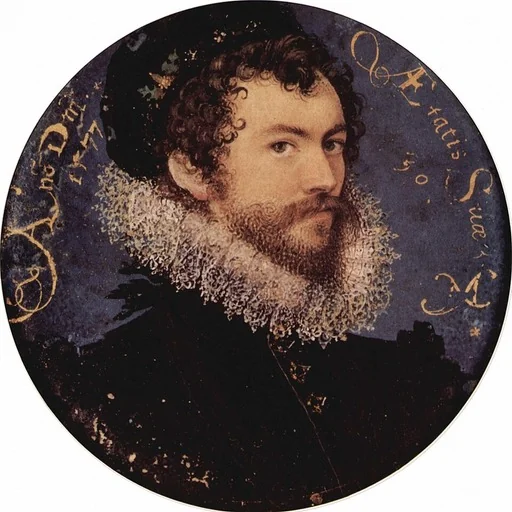
Nicholas Hilliard (c. 1547 – before 7 January 1619) was an English goldsmith and limner best known for his portrait miniatures of members of the courts of Elizabeth I and James I of England. He mostly painted small oval…

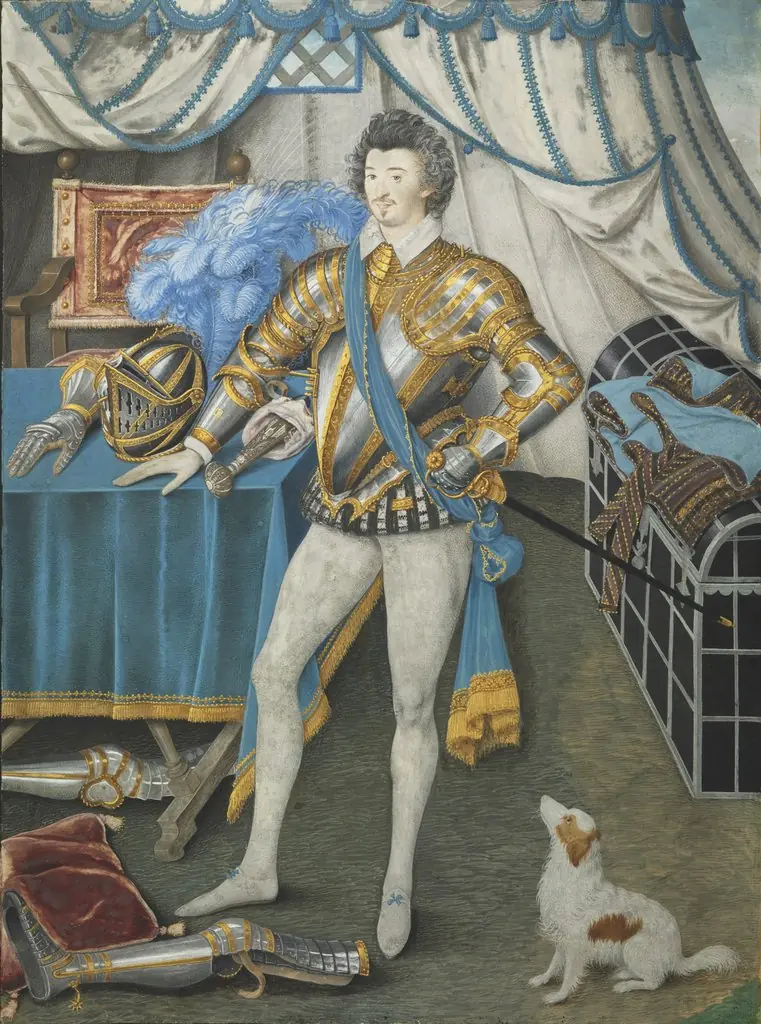 Sir Anthony Mildmay, Knight of Apethorpe, Northamptonshire
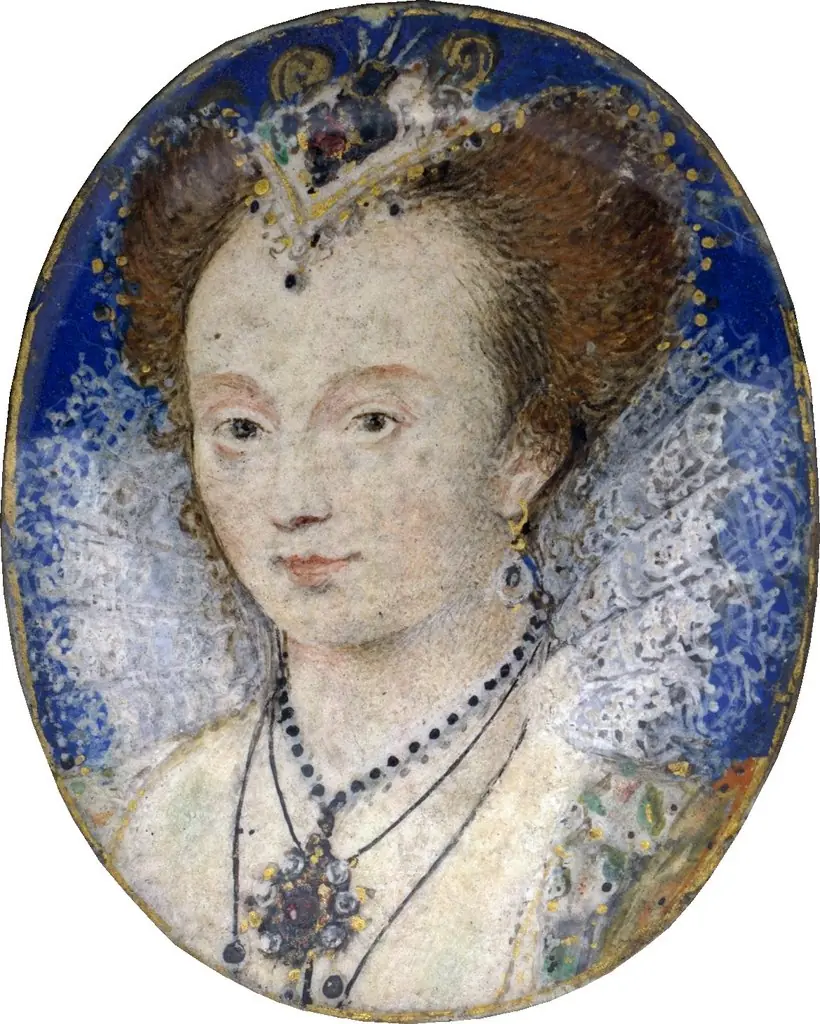 Portrait of a Woman
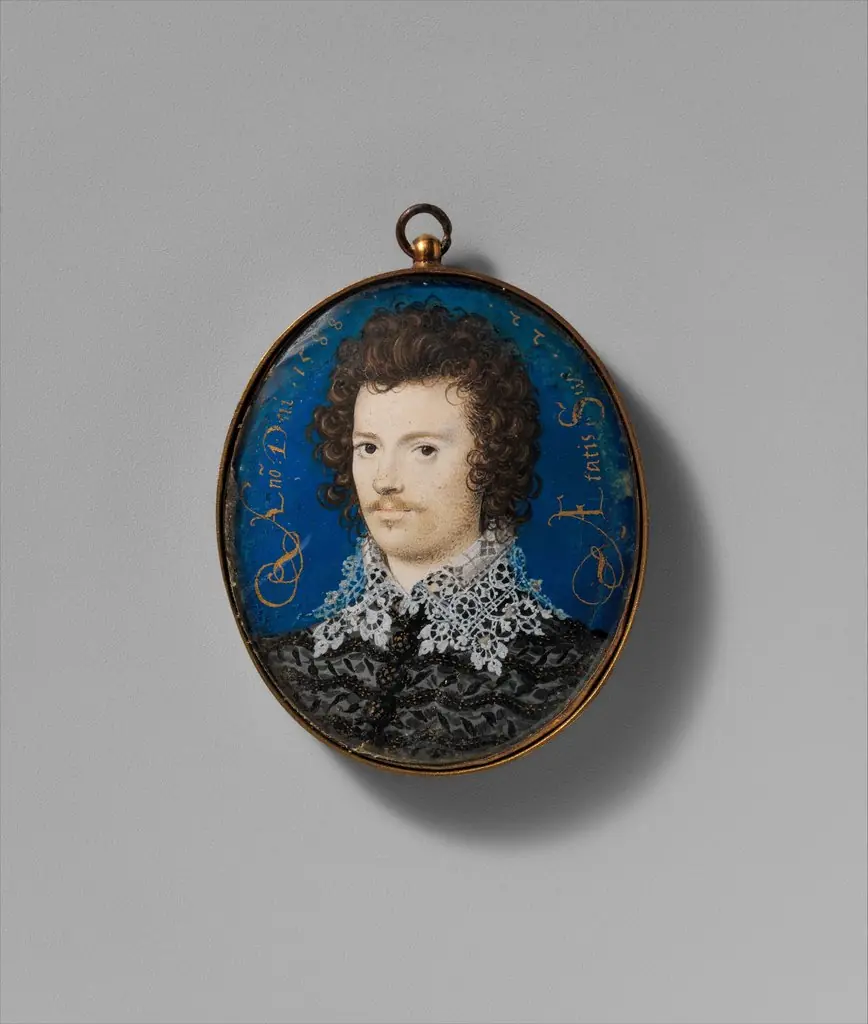 Portrait of a Young Man, Probably Robert Devereux (1566–1601), Second Earl of Essex
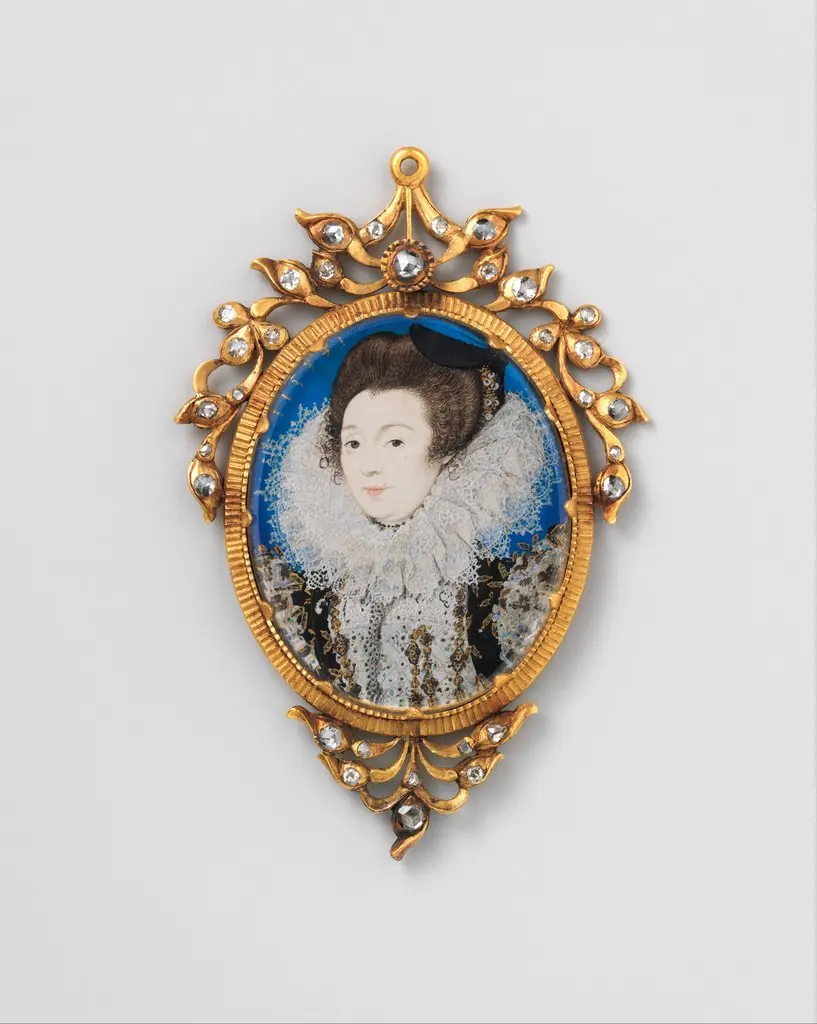 Portrait of a Woman
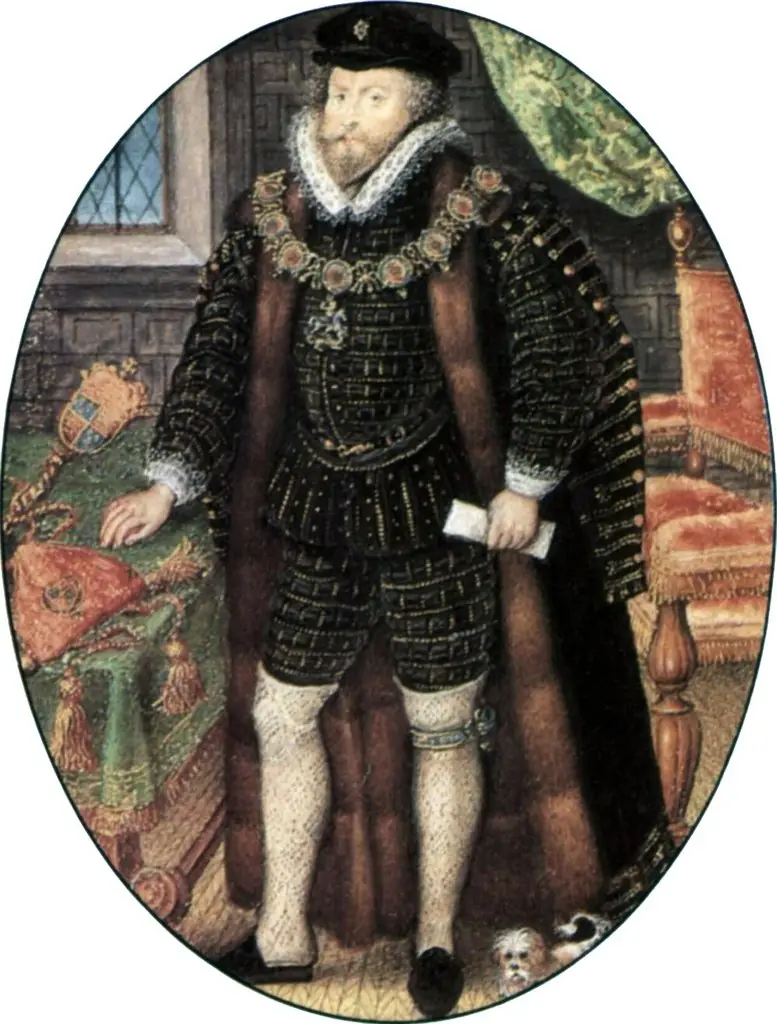 Sir Christopher Hatton
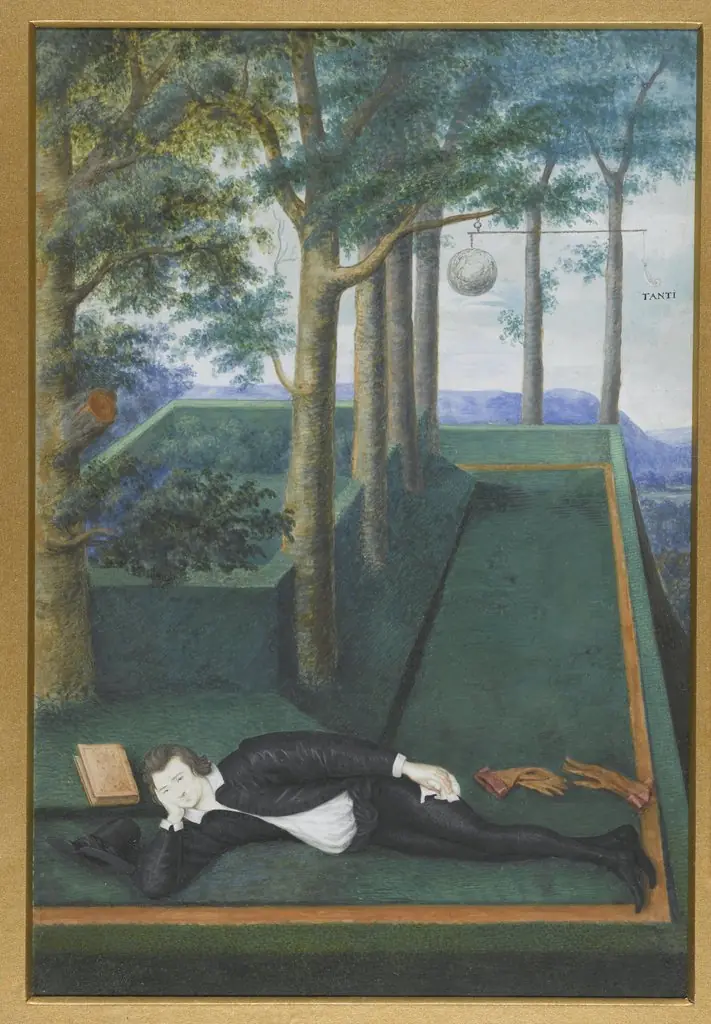 Henry Percy, 9th Earl of Northumberland
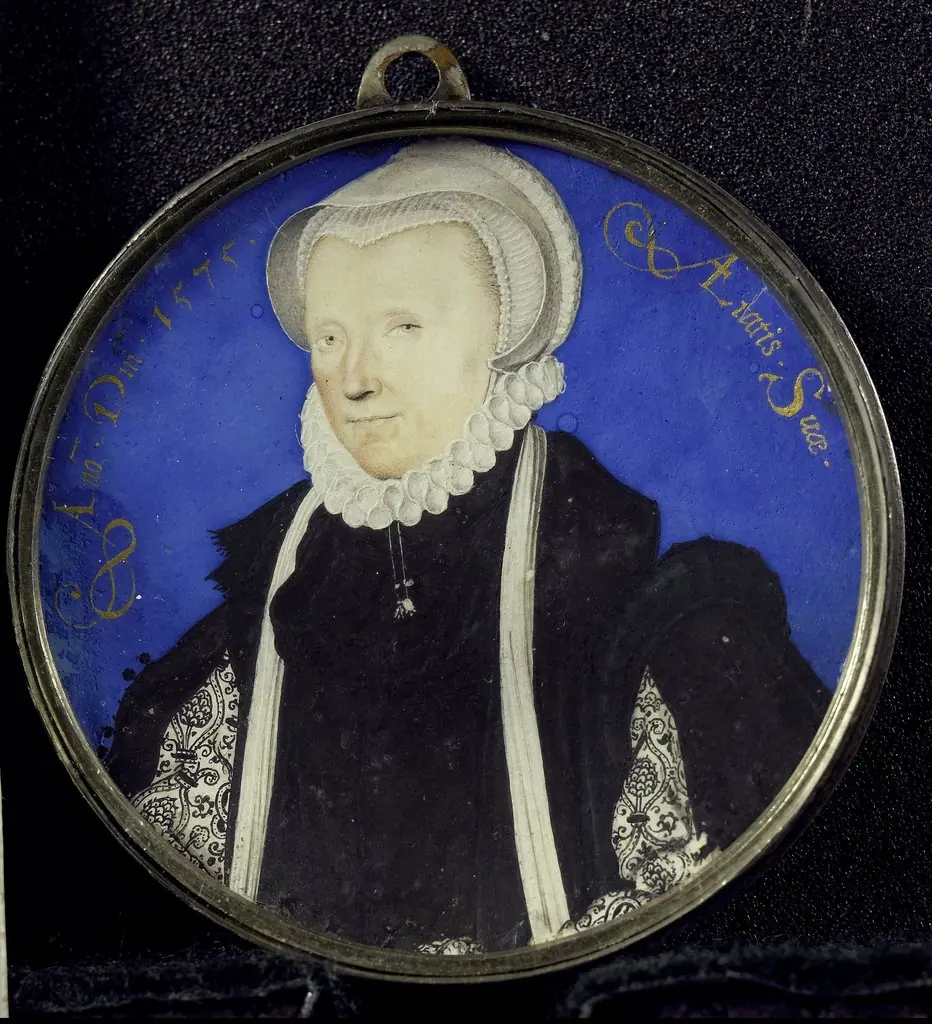 Lady Margaret Douglas, Countess of Lennox
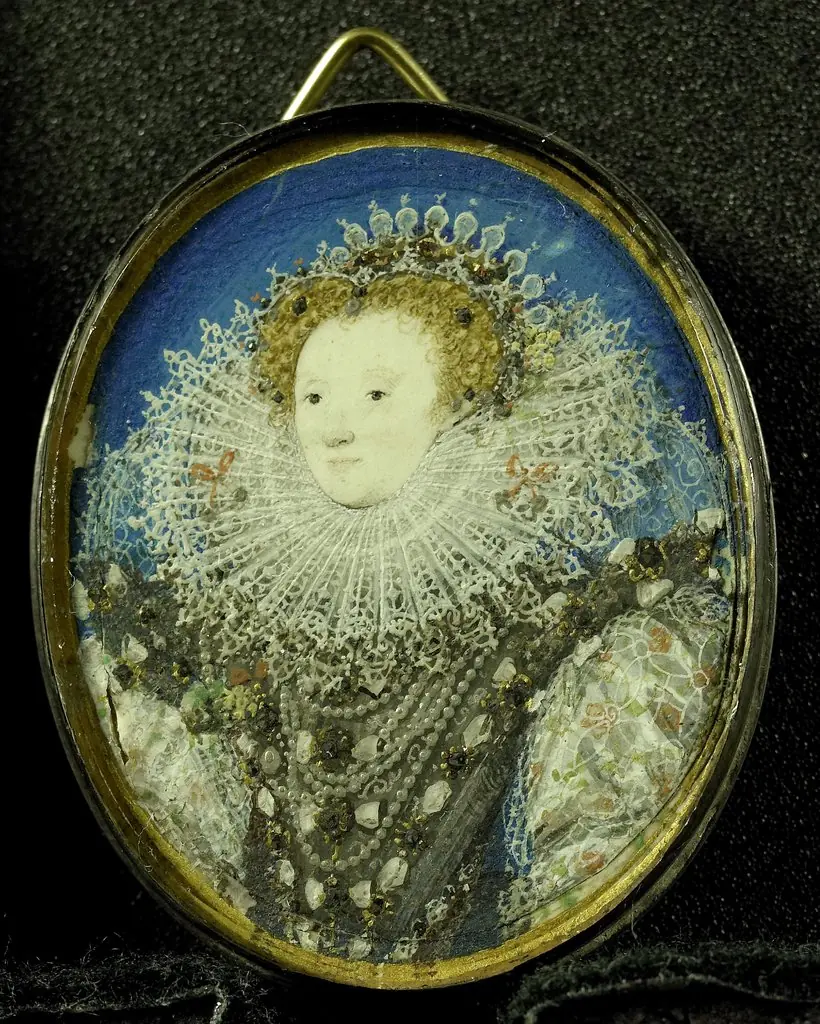 Elizabeth I of England