Artwork
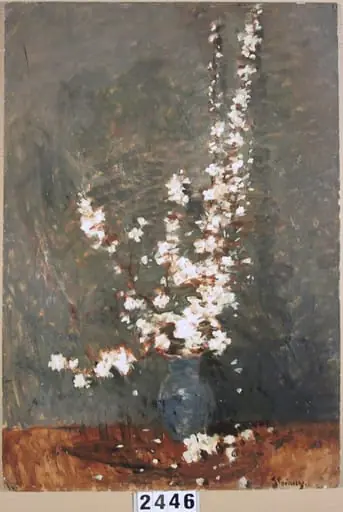
Flori de cireș
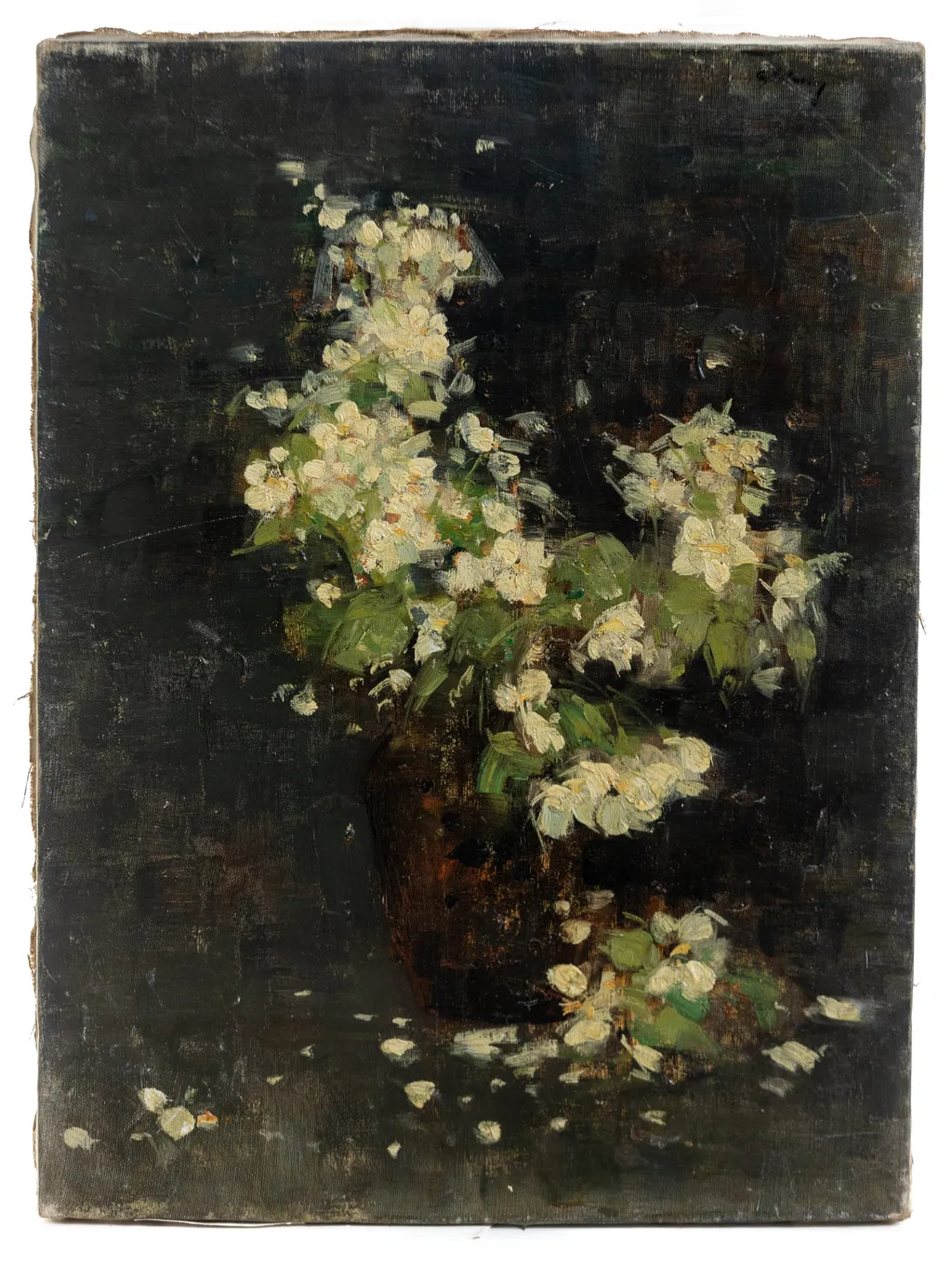
Flori de cireș is an unspecified painting by Eustațiu Stoenescu. It dates from 1850 and is held in the collection of the Moldova National Museum Complex.
About this work
Overview
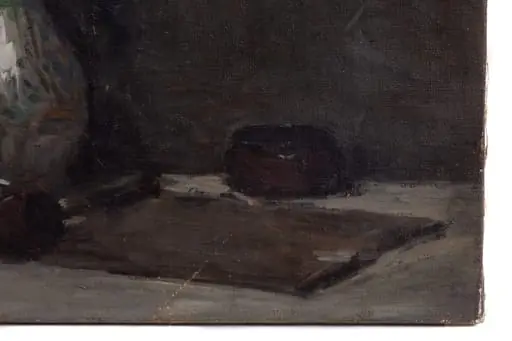
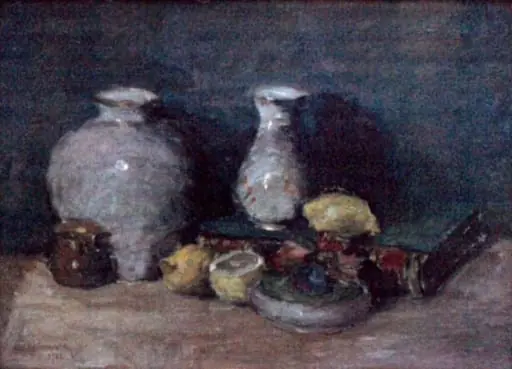
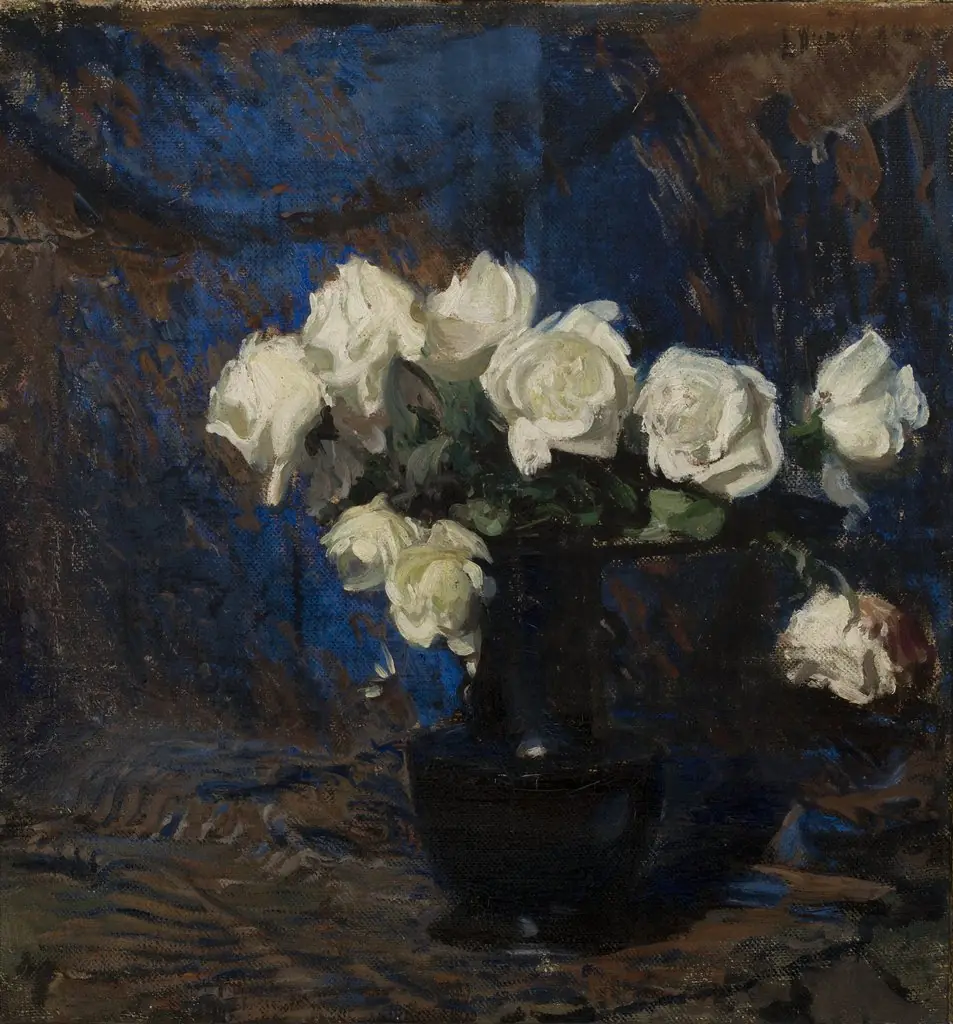
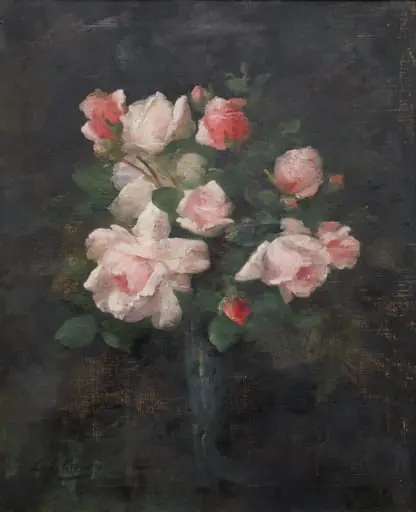
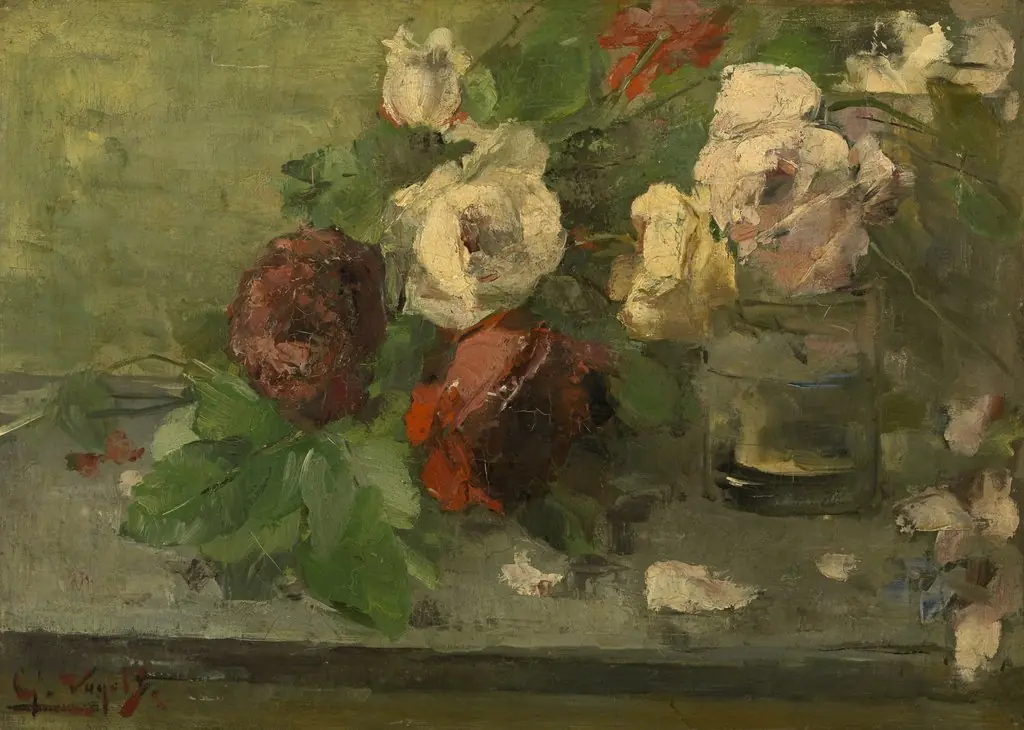
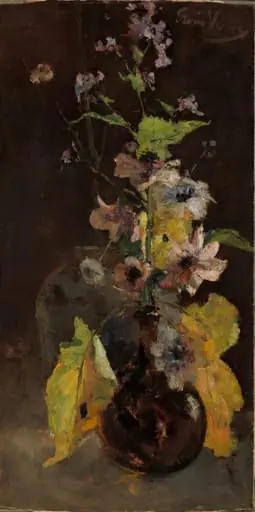
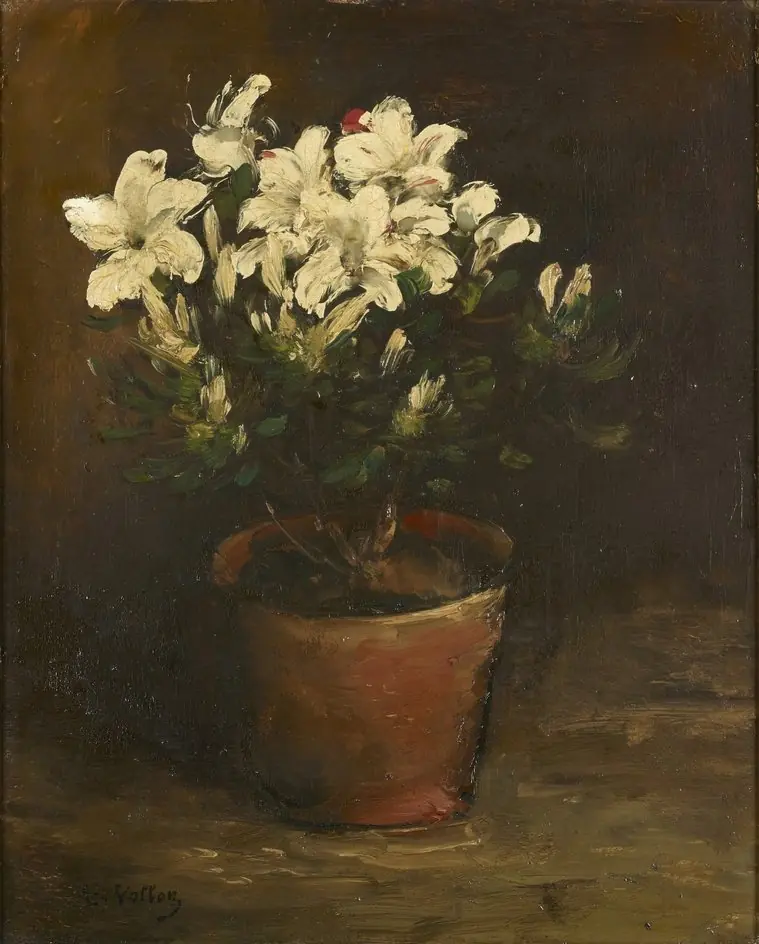
Flori de cireș is a mid-19th-century still-life painting by Romanian artist Eustațiu Stoenescu, preceding his formal training in Paris. It showcases a simple, yet vibrant, arrangement of cherry blossoms against a dark backdrop.
Subject & Meaning
The painting focuses on a cluster of white cherry blossoms with accompanying green leaves, highlighting Stoenescu’s early interest in natural subjects, a contrast to his later, more renowned portraiture work.
Technique & Style
Characterized by thick, rough brushstrokes and impasto, the painting lends a textured, almost three-dimensional quality to the flower petals. The dark background accentuates the white blossoms, creating a glowing effect.
History & Provenance
Created circa 1850, this work represents an early phase in Stoenescu’s career, before his 1900 move to Paris for study under Jean-Paul Laurens and subsequent exhibition at the Salon officiel de Paris in 1905.
Context
While Stoenescu is best known for portraiture, Flori de cireș situates him within a broader European tradition of 19th-century still-life painting, though his later Parisian influences are not yet evident in this piece.
Legacy
As an early work, Flori de cireș provides insight into Stoenescu’s developmental period rather than defining his legacy, which is more closely tied to his portraiture and later, more refined stylistic developments.
Artist & collection
Artist
Eustațiu Stoenescu (Craiova, 1884-New York City, 1957) was a Romanian painter principally known for his portraiture.