Artwork
Scene from William Shakespeare's 'The Tempest' (Act I, Scene 2)
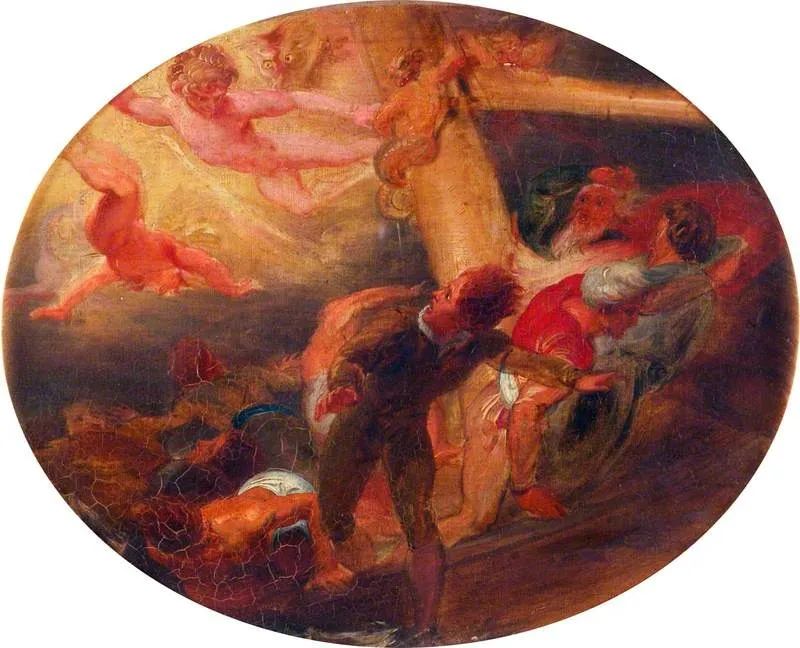
Scene from William Shakespeare's 'The Tempest' (Act I, Scene 2) is an oil painting by Thomas Stothard. It dates from 1804 and is held in the collection of the Victoria and Albert Museum.
About this work
Overview
Painted around 1804 by Thomas Stothard, this oil work illustrates a pivotal moment from Act I, Scene 2 of Shakespeare’s 'The Tempest.
Painted around 1804 by Thomas Stothard, this oil work illustrates a pivotal moment from Act I, Scene 2 of Shakespeare’s 'The Tempest.' Stothard, primarily recognized for his illustrative and engraving work, translated literary narrative into visual form with careful attention to theatrical composition. The painting resides in the Victoria and Albert Museum’s collection, reflecting the early 19th-century British interest in dramatizing literary classics through fine art.
Subject & Meaning
The scene captures Prospero, in dark robes, addressing Ariel and other spirits after conjuring the storm that shipwrecked his enemies. The seated figure in red and white likely represents Miranda, observing the unfolding events. Above, cherubs hold a small form, possibly symbolizing the spirit Ariel in ethereal guise.
The cross and surrounding figures suggest divine intervention and moral consequence, reinforcing themes of power, justice, and control central to the play.
Technique & Style
Stothard employs a theatrical arrangement of figures to guide the viewer’s eye toward Prospero’s commanding gesture. Color is used strategically: the vivid red and white of Miranda’s attire contrasts with the muted tones of the background, heightening emotional focus. The composition layers figures in depth, with soft modeling and delicate brushwork in the cherubs, reflecting a blend of neoclassical clarity and romantic sensibility common in early 19th-century British painting.
History & Provenance
Created during a surge of Shakespearean illustration in Britain, the painting was likely commissioned or produced for private or institutional display. It entered the Victoria and Albert Museum’s collection in the 19th century, among other works documenting the intersection of literature and visual art. Its preservation reflects institutional recognition of Stothard’s role in shaping the visual culture of literary adaptation during the Romantic era.
Context
In the early 1800s, British artists increasingly turned to Shakespeare for subject matter, responding to national pride in his literature and the popularity of illustrated editions. Stothard contributed significantly to this trend through engravings and paintings that made dramatic scenes accessible to a broader public. This work aligns with contemporaneous efforts to elevate painting as a medium for narrative and moral storytelling derived from canonical texts.
Legacy
Though less widely known today than his engravings, this painting exemplifies Stothard’s skill in translating complex literary moments into cohesive visual narratives. It remains a reference point for understanding how Shakespeare’s dramas were interpreted visually in the early Romantic period, influencing later illustrators and contributing to the broader tradition of literary painting in Britain.
Artist & collection
Artist
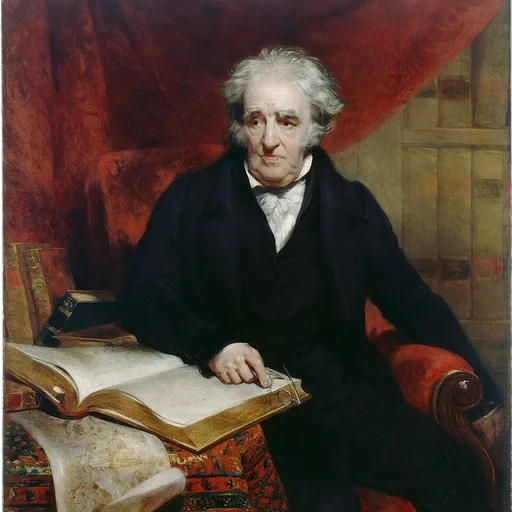
Thomas Stothard (17 August 1755 – 27 April 1834) was a British painter, illustrator and engraver.

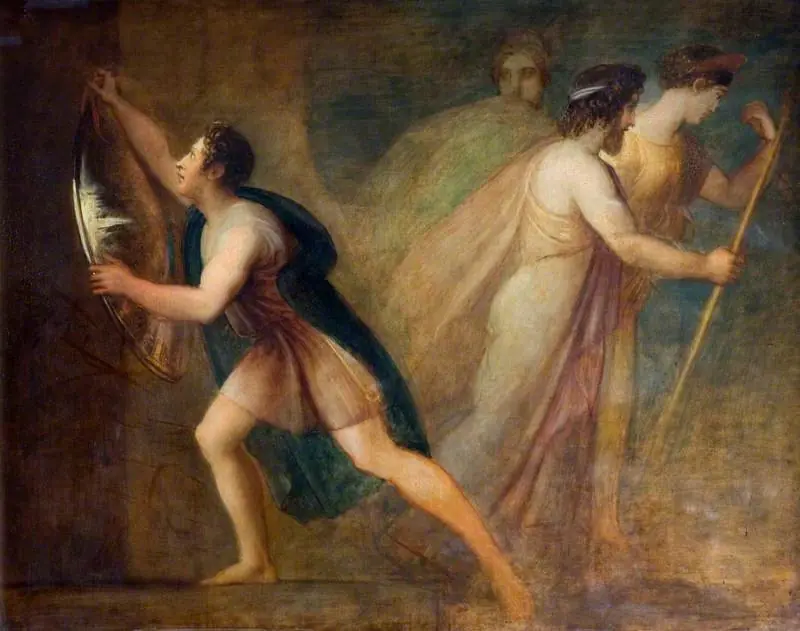 Orestes Hanging up the Shield of Agamemnon
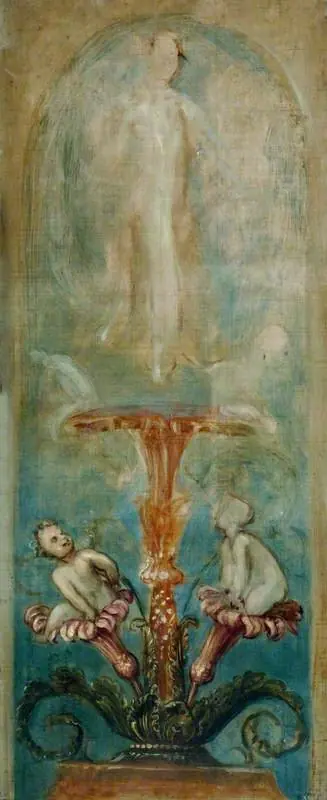 Arabesque Decoration with a Female Figure (sketch)
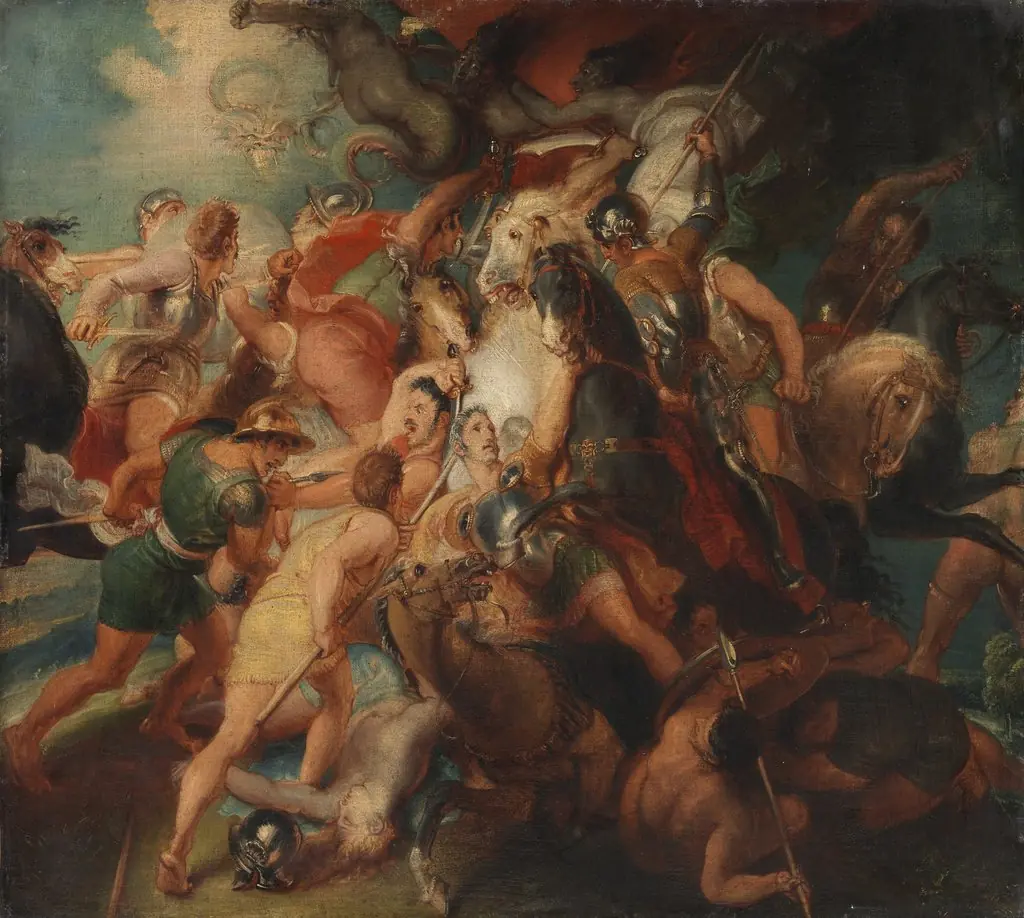 The Horrors of War, Sketch for Burghley House Mural
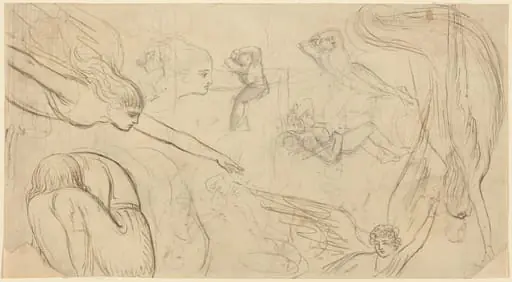 Sheet of Studies with Angels and Cowering Figures (Illustration for Macklin's Bible?)
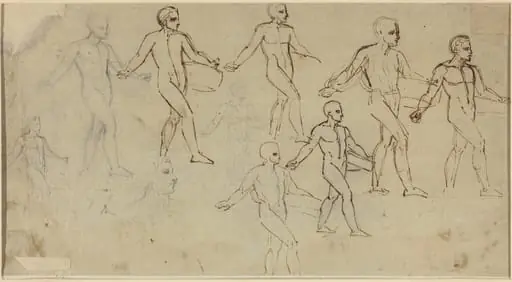 Studies of a Sower (Illustration for Thomson's _Seasons_)
 Vignette for a Title Page: "Winged Victory"
![Design for a Book Illustration of Circe and Odysseus [recto], by Thomas Stothard](https://artifactworldgallery.com/img/thomas-stothard--design-for-a-book-illustration-of-circe-and-odysseus-recto--5bd59a6f73de4838-w320.webp) Design for a Book Illustration of Circe and Odysseus [recto]
Design for a Book Illustration of Circe and Odysseus [recto] Peter and His Children Visited by Three Flying Figures
- Saint Leo in Glory (sketch for the ceiling of the church of San Lio, Venice)
 The theological virtues
 The Hebrews collecting manna in the desert
 Saint Sebastian Tended by an Angel
 Sacrifice of Melchizedek
 The Crucifixion of Saint Peter
 The Ascent to Calvary. The Bearing of the Cross
 Christus am Ölberg
 Resurrection of Christ
 The Coup de Lance
 Assumption of Our Lady
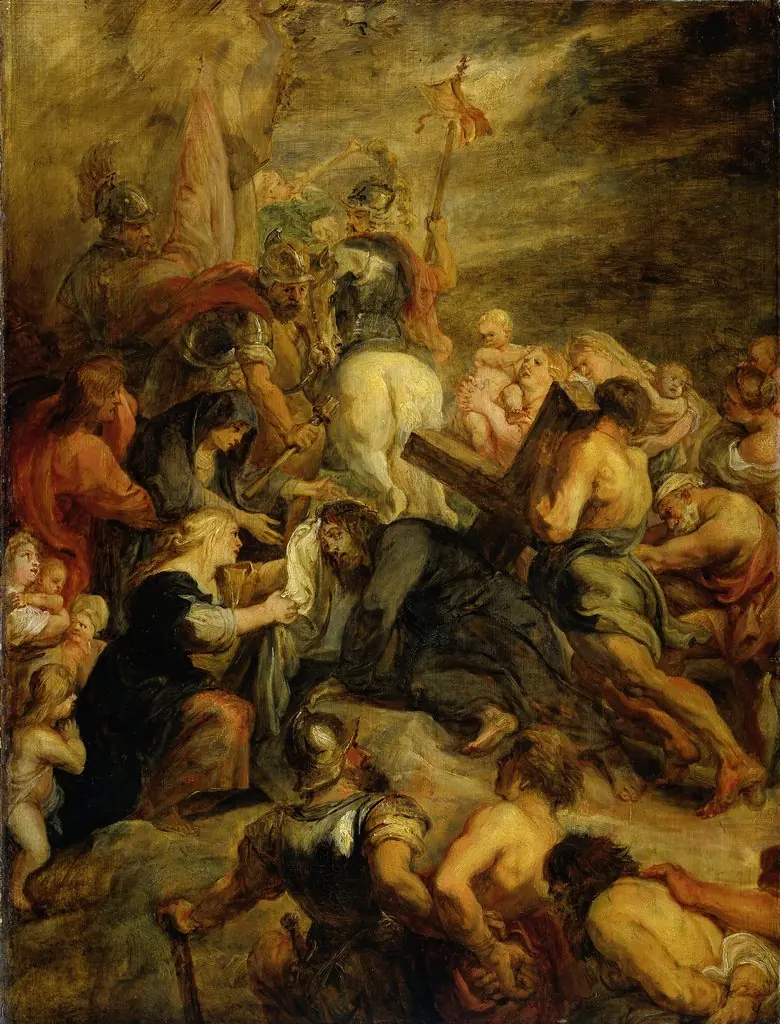 The carrying of the cross