December 10 in Art History
4 real events recorded on December 10, the earliest from 1610. 2 artists were born , 1 died on this date.
The day's biggest moments
Born on this day 2
- 1610 Born
Born this day: Adriaen van Ostade
Adriaen van Ostade, a Dutch painter, was born on December 10, 1610. He is known for his genre works depicting everyday life, as seen in pieces like The Cottage Dooryard and Tavern Scene, offering glimpses into the lives of ordinary people during the Dutch Golden Age.
Adriaen van Ostade's works continue to provide valuable insights into the daily lives of 17th-century Dutch society.
- 1631 Born
Born this day: Jean Baptiste de Champaigne
Jean Baptiste de Champaigne, a Flemish-born French Baroque painter and teacher, was born on December 10, 1631. His work, such as 'The Martyrdom of Saint Lawrence', showcases his skill in the Flemish and French Baroque styles. As a prominent figure in 17th-century art, Champaigne's contributions to the Baroque movement remain significant.
Champaigne's legacy lies in his influential role in shaping the French Baroque style.
Died on this day 1
- 1910 Died
Died this day: Seymour Joseph Guy
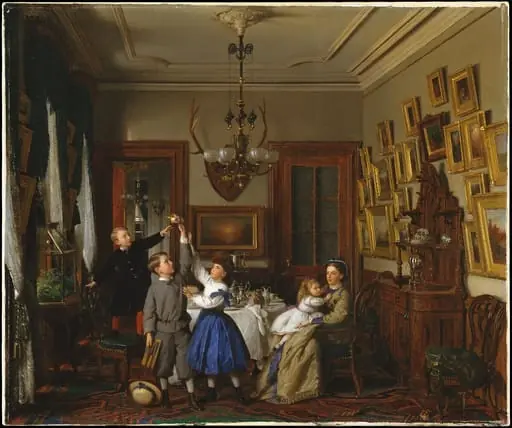
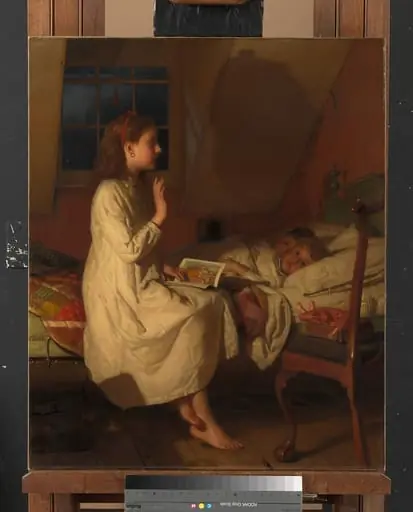
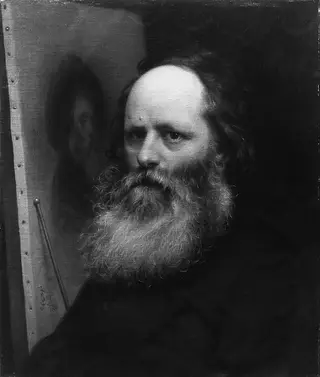
Seymour Joseph Guy was an American artist born in London in 1824, known for his contributions to 19th and 20th-century American art. His work often captured intimate family scenes and portraits, as seen in pieces like 'The Contest for the Bouquet: The Family of Robert Gordon in Their New York Dining-Room'. Guy's art provides a glimpse into the lives of American families during his time.
He remains a notable figure in American art history for his detailed and intimate portrayals of domestic life.
Auctions, prizes & heists 1
- 1901 Prize Landmark
First Nobel Prize in Literature Awarded
On December 10, 1901, the first Nobel Prizes were awarded in Stockholm and Oslo, marking the fulfillment of Alfred Nobel's will. While the Literature prize went to Sully Prudhomme, the ceremony established a global precedent for recognizing cultural and intellectual achievement. The event is historically significant for the arts as it created the most prestigious international award for literary figures, many of whom were deeply intertwined with the visual arts movements of the era, such as Symbolism and Modernism. The ceremony set the standard for future artistic accolades and cemented the date in the calendar of global cultural history.
It established the world's most prestigious international award for literary and cultural achievement.