February 27 in Art History
7 real events recorded on February 27, the earliest from 1606. 2 artists were born , 1 died on this date.
The day's biggest moments
Born on this day 2
- 1606 Born
Born this day: Laurent de La Hyre
Laurent de La Hyre, a French Baroque painter, was born on February 27, 1606. He is known for his neoclassical style of Parisian Atticism, as seen in works like Allegory of Music and The Kiss of Peace and Justice. His paintings often featured mythological and allegorical themes.
Laurent de La Hyre's work remains a significant part of French Baroque art history.
- 1863 Born
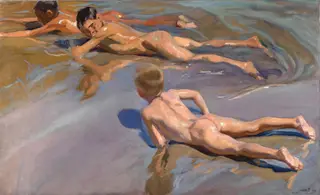
Born this day: Joaquín Sorolla
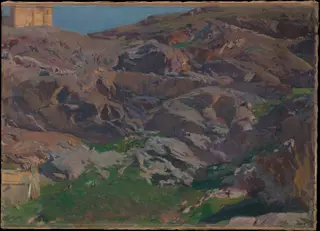
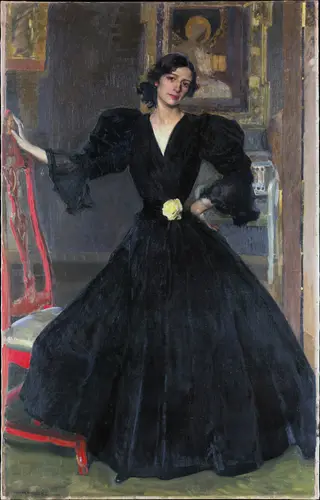
Joaquín Sorolla, a renowned Spanish painter, was born on February 27, 1863. He excelled in portraits, landscapes, and monumental works, often capturing the vibrant sunlight of Spain and its people in his pieces, such as 'Chicos en la playa' and 'The Bath, Jávea'.
Sorolla's work continues to be celebrated for its captivating representation of Spanish life and culture.
Died on this day 1
- 1929 Died
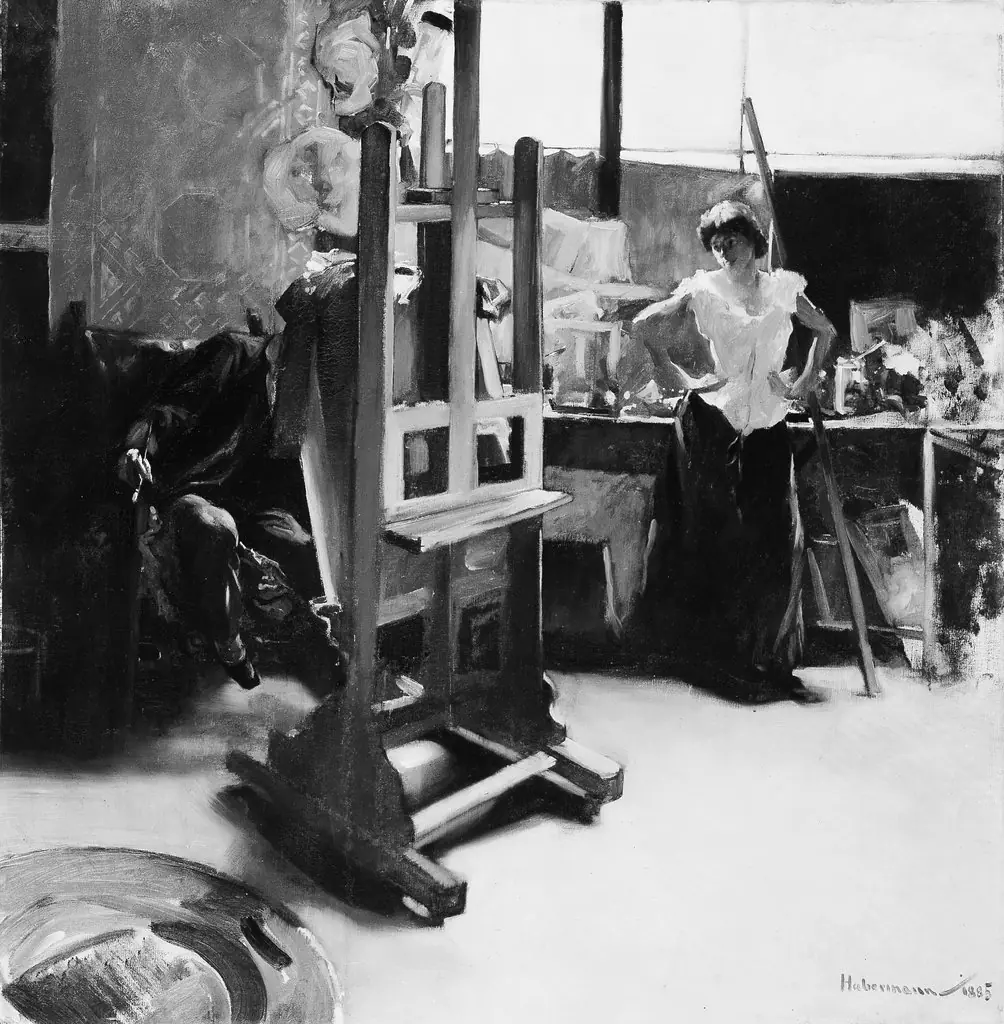
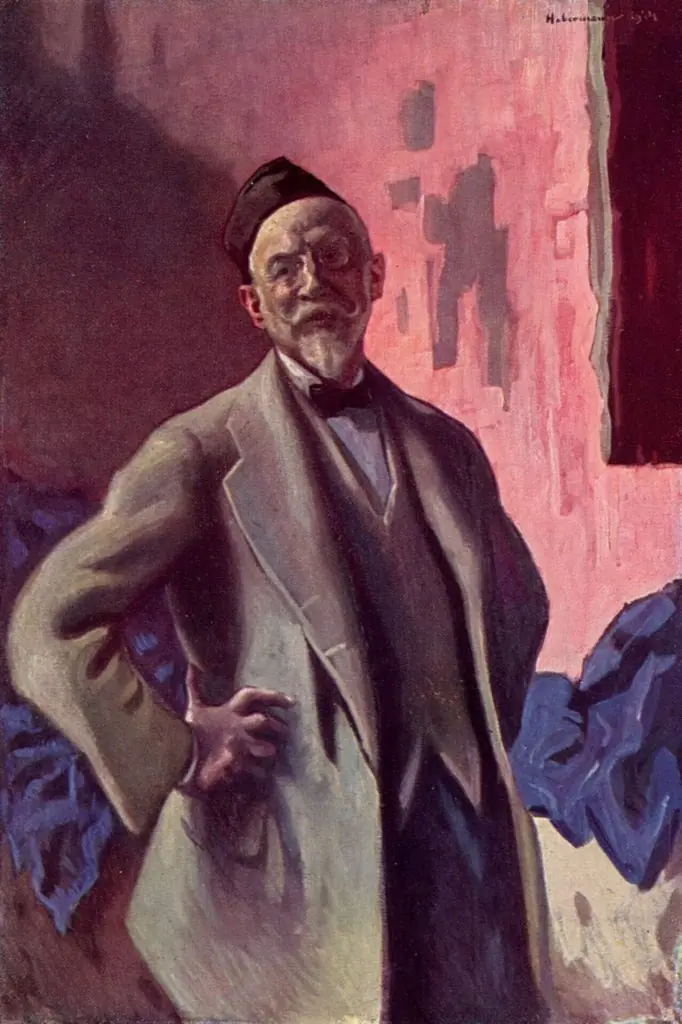
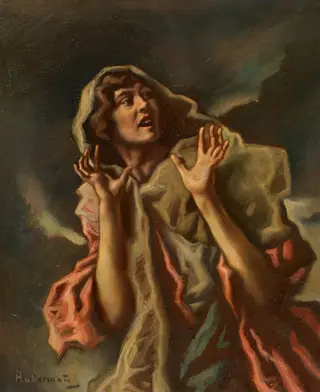
Died this day: Hugo von Habermann
Hugo von Habermann was a German painter and draftsman, known for his works such as 'In the Studio' and portraits like 'Louise' and a notable self-portrait. He is distinguished from his nephew, also a painter, by the reference 'the Elder'.
Hugo von Habermann's legacy remains in his detailed and expressive paintings that continue to showcase his skill as a German artist.
Exhibitions & salons 2
- 1937 Exhibition
Dutch Paintings of the Seventeenth Century Opens at Herron
The Herron Art Institute in Indianapolis opened Dutch Paintings of the Seventeenth Century on 27 February 1937. The exhibition brought together 65 works, including several Rembrandts, with loans from major lenders such as the Cincinnati Art Museum, the Metropolitan Museum of Art, and the Rijksmuseum in Amsterdam. For a Midwestern museum still building its stature, the show was more than a display of old-master prestige: later institutional history treats it as a turning point in the museum's rise to connoisseurship. By assembling European loans around a focused historical school, Herron demonstrated that regional American museums could stage serious scholarly exhibitions and cultivate audiences for canonical painting beyond the East Coast.
The exhibition helped establish the Indianapolis museum's reputation for ambitious loan shows and old-master connoisseurship.
- 2013 Exhibition
Harry C. Sigman Gift Exhibition Opens
Neue Galerie New York opened German and Austrian Decorative Arts from the Jugendstil to the Bauhaus: the Harry C. Sigman Gift on 27 February 2013. The exhibition presented a major gift of more than 100 works from Los Angeles attorney and collector Harry C. Sigman, strengthening the museum's decorative-arts holdings across the period from Jugendstil through the Bauhaus. At an institution devoted to early twentieth-century German and Austrian art and design, the gift helped connect fine art, design reform, domestic objects, and modernist pedagogy in one collecting narrative. The show also made visible a kind of patronage crucial to specialist museums: focused private collecting translated into public access and institutional depth.
The gift deepened Neue Galerie's public account of German and Austrian design from Viennese reform movements to the Bauhaus.
Openings & foundings 1
- 1917 Founding
National War Museum Proposed
Sir Alfred Mond, Britain's First Commissioner of Works, wrote to Prime Minister David Lloyd George on 27 February 1917 proposing a National War Museum. The War Cabinet accepted the proposal on 5 March, and a committee chaired by Mond began collecting material that would document the First World War through objects, records, and personal experience. Although not founded as a conventional fine-art museum, the institution soon became central to the history of British war art: its collecting brief made room for images, memorial objects, and artists' records as evidence of lived conflict. Renamed the Imperial War Museum later in 1917, it opened to the public in 1920 and became an enduring model for collecting modern conflict as visual culture and public memory.
The proposal set in motion one of the world's most important museums for war art, documentary imagery, and material memory.
Unveilings & commissions 1
- 1933 Commission Landmark
Burning of the Reichstag
On February 27, 1933, the German Reichstag building in Berlin was set on fire, an event that became a pivotal moment in the rise of the Nazi regime. While not an artistic creation itself, the fire was immediately exploited by the Nazi leadership to suspend civil liberties and suppress political opposition, leading directly to the systematic dismantling of the Weimar Republic's cultural institutions. This political catastrophe precipitated the closure of avant-garde galleries, the exile of modernist artists, and the eventual state-sponsored campaign against 'degenerate art' (Entartete Kunst), fundamentally altering the trajectory of 20th-century art history by forcing a mass migration of European artists to the United States and other safe havens.
The event triggered the immediate suppression of modern art in Germany and the exile of thousands of artists, reshaping the global art map.