January 13 in Art History
6 real events recorded on January 13, the earliest from 1596. 2 artists were born , 1 died on this date.
Born on this day 2
- 1596 Born
Born this day: Jan van Goyen
Jan van Goyen, a Dutch landscape painter, was born on January 13, 1596. He is known for his broad range of landscape subjects, including forest, marine, and cityscapes. Van Goyen's prolific career resulted in approximately 1,200 paintings and over 1,000 drawings.
Jan van Goyen's influential body of work has left a lasting impact on the development of landscape painting.
- 1893 Born
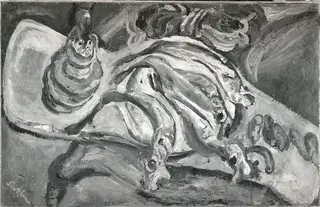
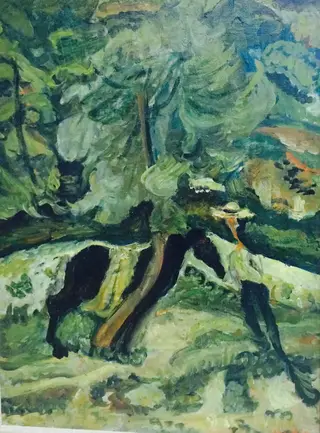
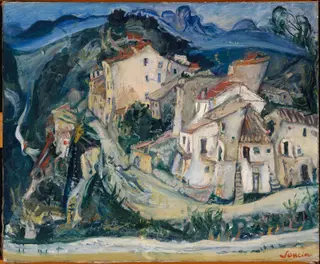
Born this day: Chaïm Soutine
Chaïm Soutine, a French painter of Belarusian-Jewish origin, was born on January 13, 1893. He contributed significantly to the Expressionist movement, developing a unique style that emphasized shape, color, and texture, inspired by classic European painters like Rembrandt and Courbet.
Soutine's work serves as a bridge between traditional European painting and Abstract Expressionism.
Died on this day 1
- 1625 Died
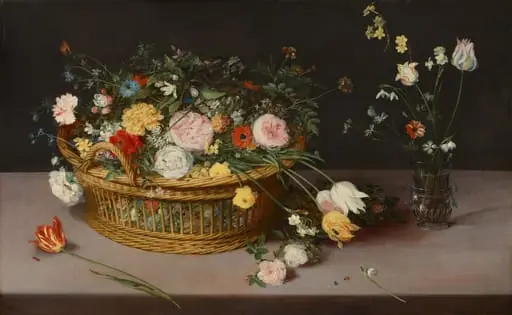
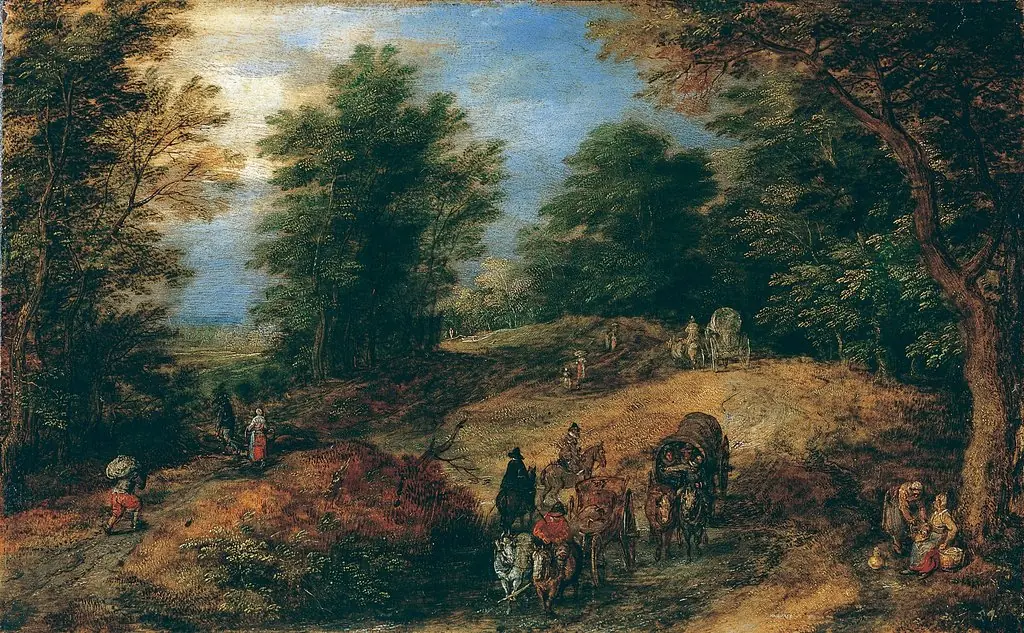
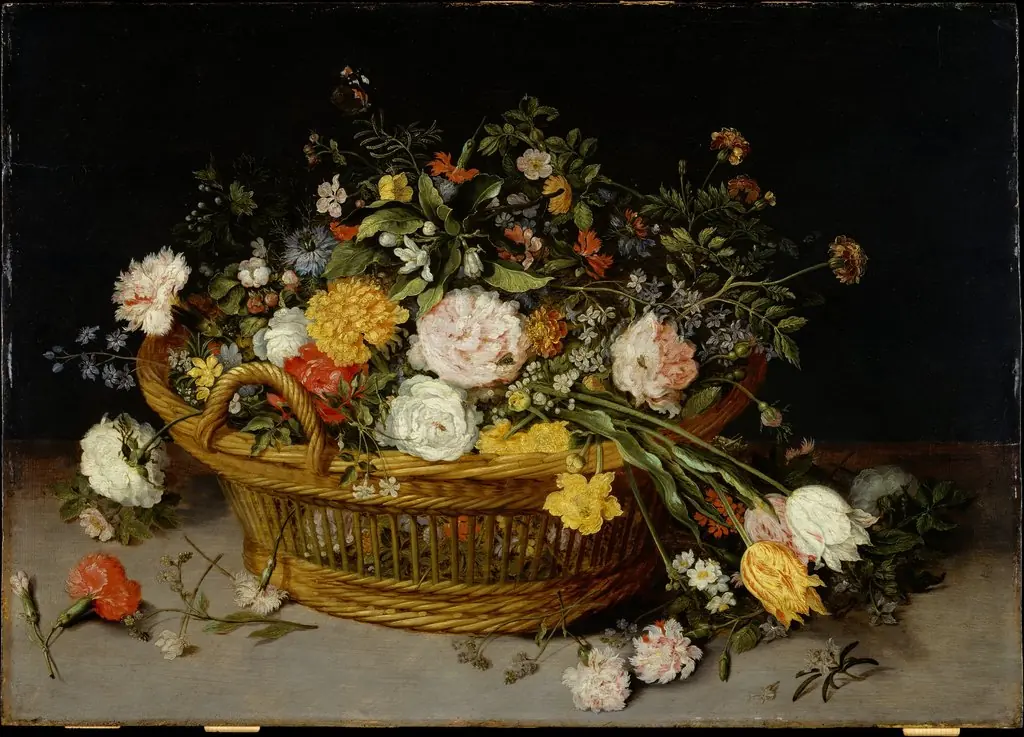
Died this day: Jan Brueghel, the elder
Jan Brueghel the Elder, a Flemish painter and draughtsman, was a leading figure in the Flemish Baroque movement, known for his diverse and innovative works, including landscapes, still lifes, and allegorical scenes. He collaborated with Peter Paul Rubens and invented new types of paintings, such as flower garland paintings and paradise landscapes.
Jan Brueghel the Elder's innovative and diverse body of work continues to influence the development of Western art.
Exhibitions & salons 1
- 1913 Exhibition
Lovis Corinth retrospective opens at the Munich Secession
On January 13, 1913, a retrospective devoted to Lovis Corinth opened at the Munich Secession galleries. The timing was significant: Corinth had suffered a serious stroke in December 1911, and his subsequent work increasingly loosened into a more urgent, expressive handling of color and form. A retrospective at a Secession venue placed him within the German modernist institutions that had challenged academic exhibition culture since the 1890s. Corinth had trained in Munich and Paris, joined the Munich Secession in the 1890s, and later became a leading figure in Berlin's Secession circles, so the show linked his early realist formation, his Secessionist career, and his post-stroke transformation.
The retrospective framed Corinth as a central bridge between German Impressionism, Secession modernism, and Expressionism.
Unveilings & commissions 1
- 2023 Unveiling
The Embrace is dedicated on Boston Common
On January 13, 2023, Hank Willis Thomas's public sculpture The Embrace was formally dedicated on Boston Common. The large bronze work commemorates Martin Luther King Jr. and Coretta Scott King through four intertwined arms, derived from the couple's embrace after King's 1964 Nobel Peace Prize. The project emerged from a 2017 call for a Boston memorial, with Thomas's design selected from 126 submissions and fabricated in hundreds of bronze components. Its dedication drew King family members and civic dignitaries, while the sculpture quickly became a widely debated public-art object, praised for centering love and partnership and criticized for its abstraction and legibility.
The dedication made The Embrace a major contemporary example of contested commemorative public sculpture in the United States.
Auctions, prizes & heists 1
- 1911 Heist
The Night Watch is attacked at the Rijksmuseum
On January 13, 1911, an unemployed former navy cook and shoemaker tried to slash Rembrandt van Rijn's The Night Watch at the Rijksmuseum in Amsterdam. The attack failed to cut through the painting because its darkened varnish layer, then still in place, absorbed the blow. The incident is part of the long conservation history of one of the most famous Dutch Golden Age paintings, a civic-guard group portrait completed in 1642 and now central to the Rijksmuseum's public identity. Later attacks in 1975 and 1990 made the 1911 attempt a first chapter in the modern history of protecting canonical paintings from public vandalism.
The incident helped make The Night Watch a touchstone case in the security and conservation history of high-profile museum paintings.