January 6 in Art History
6 real events recorded on January 6, the earliest from 1541. 2 artists were born , 1 died on this date.
Born on this day 2
- 1786 Born
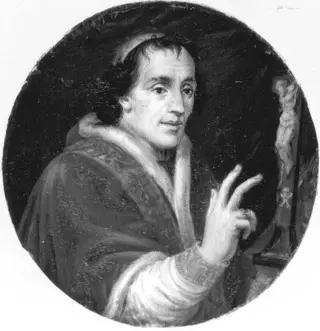
Born this day: Bianca Boni
Bianca Boni, born on January 6, 1786, in Rome, was a notable artist known for her portrait work, including a depiction of Pope Pius VII. Her art reflects her skill in capturing the likenesses of prominent figures of her time.
Bianca Boni's legacy lies in her contributions to the tradition of portrait painting in Rome during the late 18th and early 19th centuries.
- 1881 Born
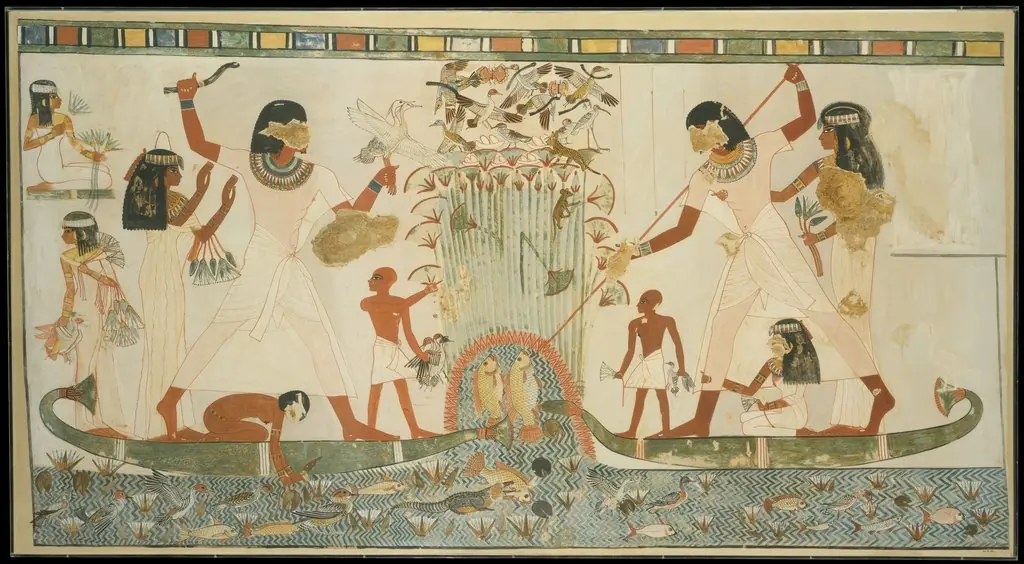
Born this day: Nina M. Davies
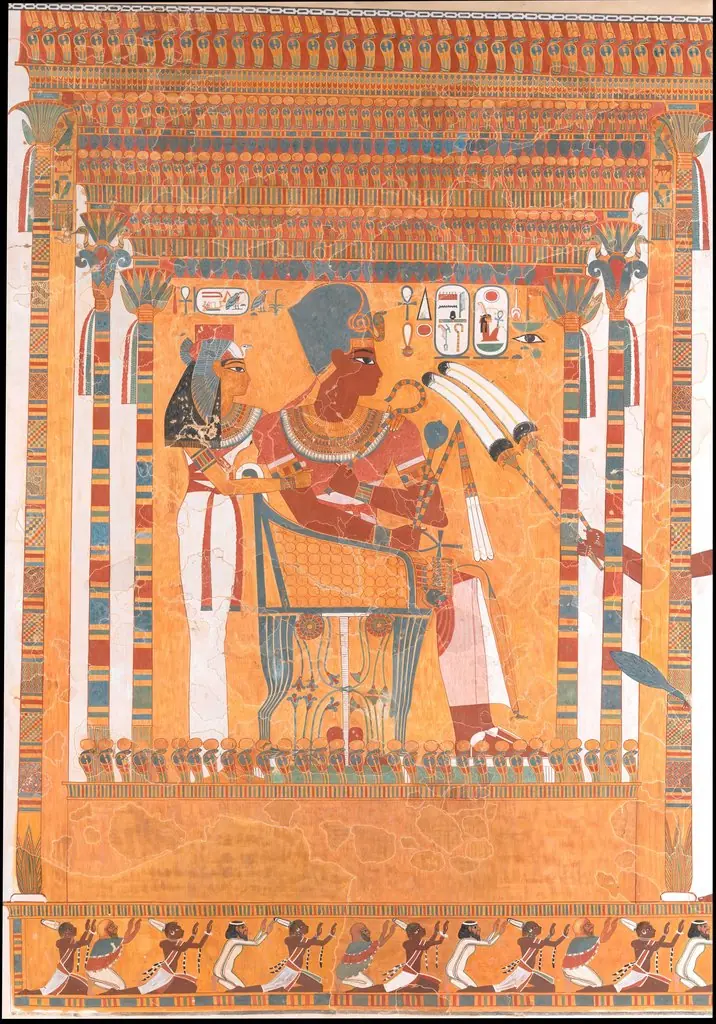
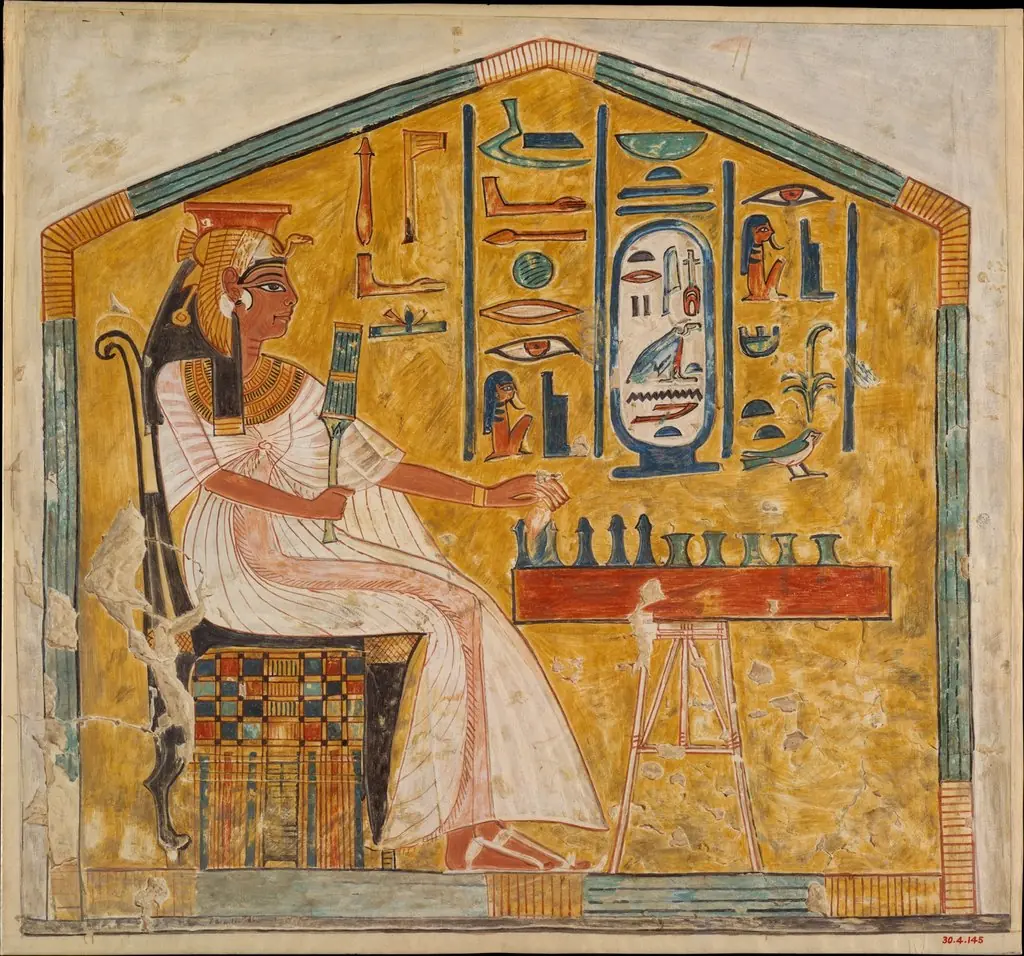
Nina M. Davies was a British illustrator and copyist who, along with her husband Norman de Garis Davies, documented Egyptian paintings in the early 20th century. Her work includes detailed drawings of tomb scenes, such as Menna and Family Hunting in the Marshes and Preparing Dough, Tomb of Rekhmire. As a team, they published their work jointly, making individual contributions sometimes indistinguishable.
Nina M. Davies' meticulous illustrations remain valuable resources for Egyptologists today.
Died on this day 1
- 1541 Died
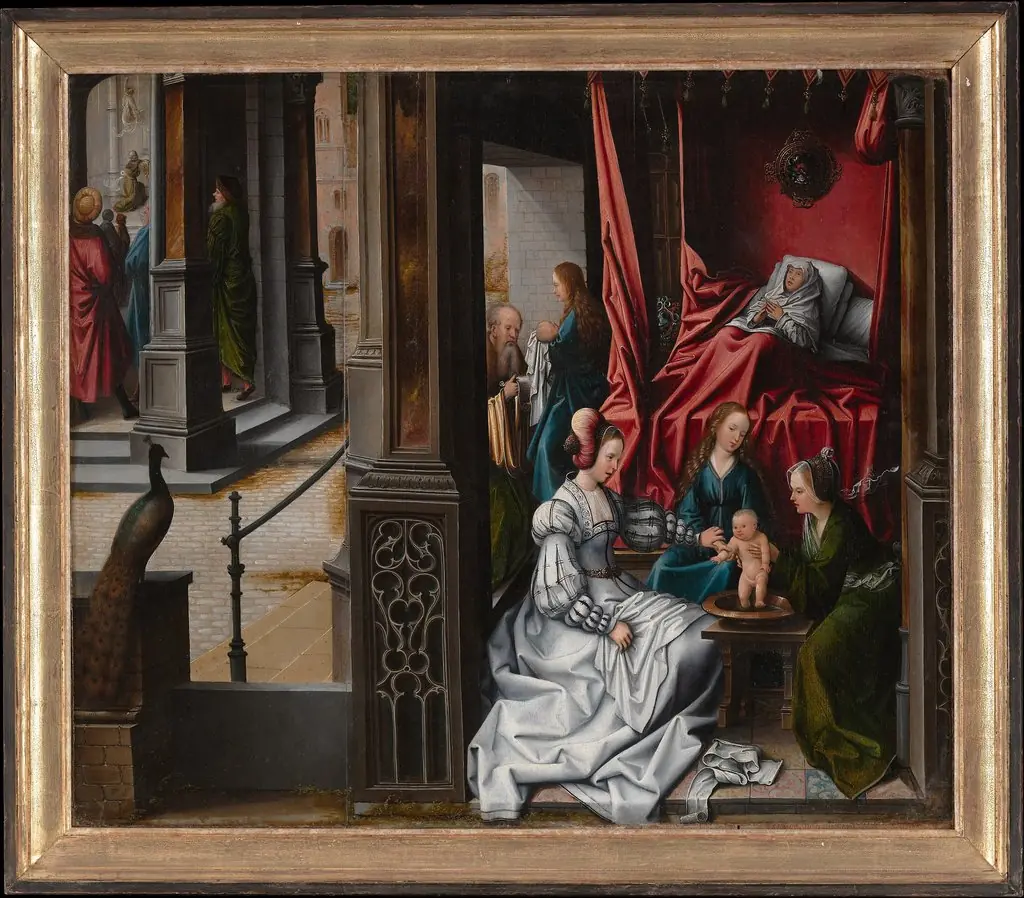
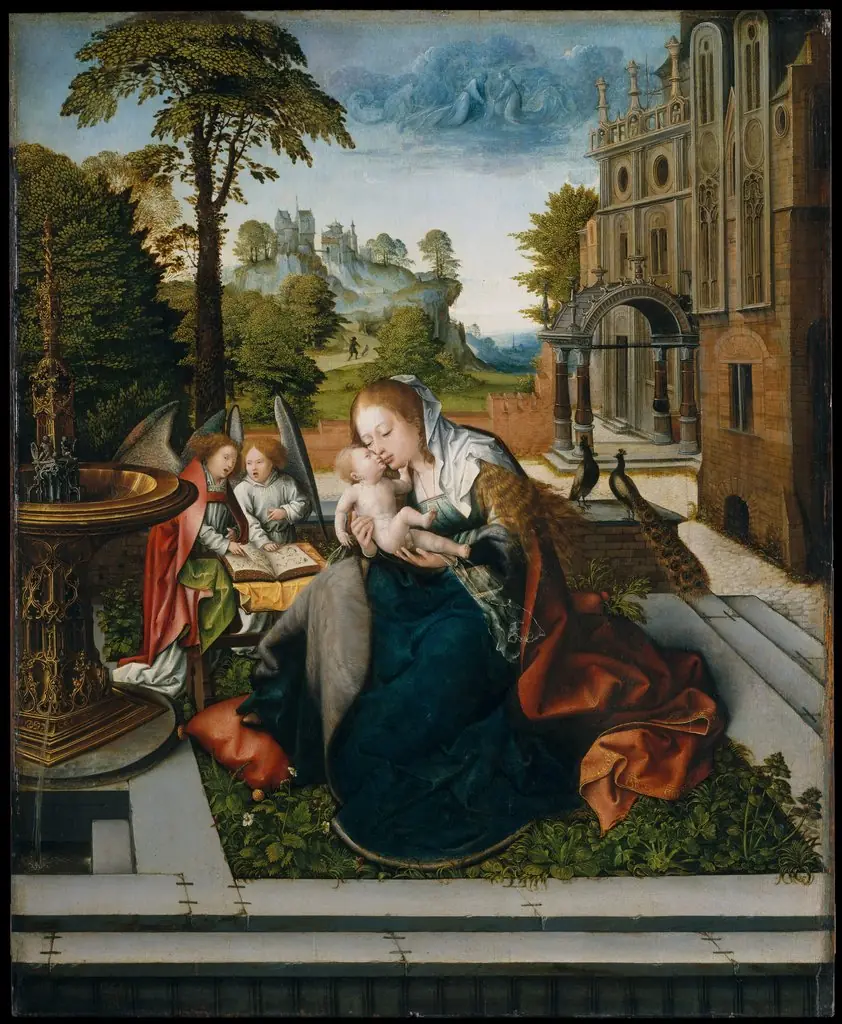
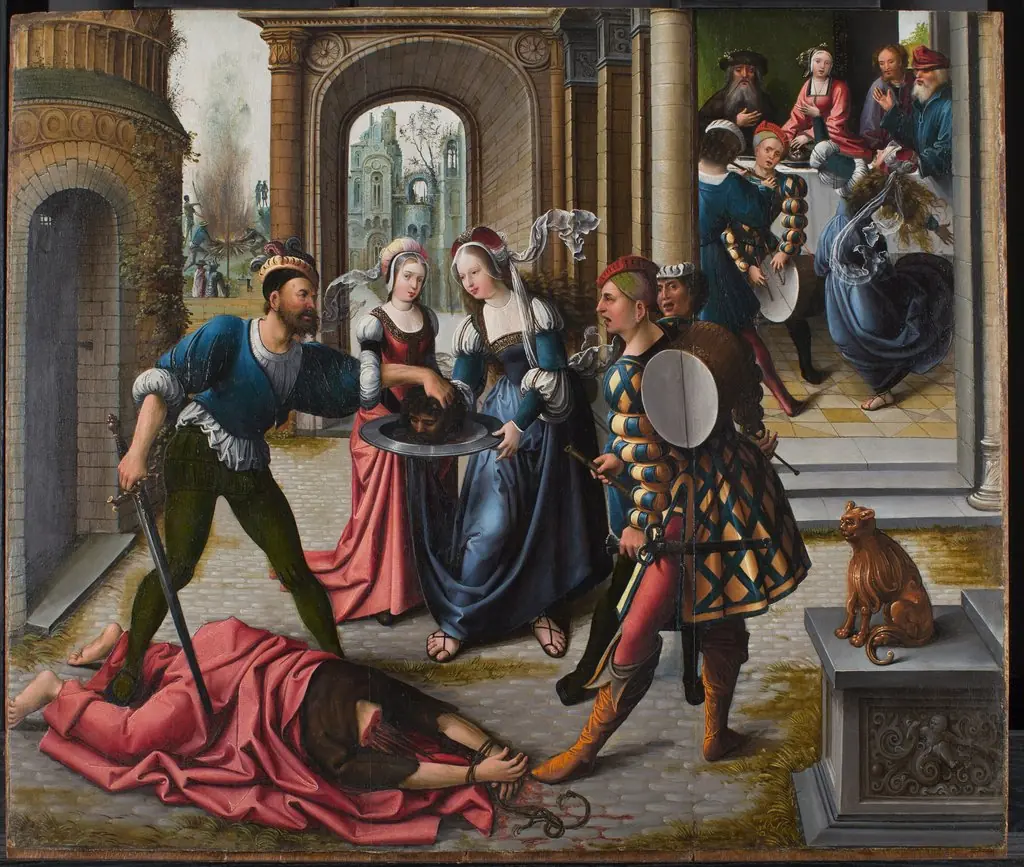
Died this day: Bernard Van Orley
Bernard van Orley, a Flemish artist, died on this day in 1541. He was a key figure in Dutch and Flemish Renaissance painting, known for his work as a painter, tapestry designer, and stained glass artist. Influenced by Italian Renaissance painting, particularly Raphael, van Orley's style reflected his connection to the Romanists. As court artist to the Habsburg rulers, he played a significant role in the artistic landscape of his time.
He remains a notable representative of the Flemish Renaissance, leaving a lasting impact on the art of the region.
Exhibitions & salons 1
- 1973 Exhibition
Robert Mapplethorpe's Light Gallery invitation
On January 6, 1973, Light Gallery in New York opened Robert Mapplethorpe's early Polaroid exhibition, documented by the surviving invitation image titled Self Portrait with Camera. Tate identifies Mapplethorpe's first solo exhibition as Polaroids at Light Gallery in 1973, while the Light Gallery history places the gallery among the first United States spaces to represent living photographers and to help make photography collectible as contemporary art. The date matters because Mapplethorpe was still moving from mixed-media collage into photography as an autonomous practice. The show preceded his later large-format portraits, body studies, and culture-war notoriety, but it marked the public emergence of the photographic language that would define his career.
The exhibition helped launch Mapplethorpe's photographic career within a gallery system newly receptive to contemporary photography.
Openings & foundings 1
- 1859 Opening
ARoS opens as Aarhus's public art collection
On January 6, 1859, the art collection that became ARoS Aarhus Kunstmuseum opened its doors to the public in loft rooms of Aarhus's new town hall near the cathedral. ARoS's archived anniversary page states that the museum thereby became the first publicly accessible art collection in Denmark outside the capital. Its origins lay in the local Aarhus Art Association, founded in 1847, whose members argued that people beyond Copenhagen should be able to encounter significant art. The first display combined a small local collection with twenty-four paintings loaned from the Royal Painting Collection at Christiansborg, making the young museum both civic and national in scope.
The opening established one of Denmark's longest-running public art institutions outside Copenhagen.
Auctions, prizes & heists 1
- 1998 Heist
The Little Mermaid is decapitated again
On January 6, 1998, Edvard Eriksen's bronze statue The Little Mermaid in Copenhagen was decapitated for the second time in its history. The sculpture, unveiled in 1913 and based on Hans Christian Andersen's fairy tale, had already become an international civic icon and a recurring target for politically charged vandalism. Wikipedia's sourced account records that the 1998 culprits were never found; the head was returned anonymously to a nearby television station and reattached on February 4. The incident echoed the more famous 1964 decapitation associated with Situationist-linked artists, but the later attack confirmed how vulnerable public monuments can become once they function simultaneously as artworks, tourist symbols, and political surfaces.
The attack reinforced the statue's paradoxical status as both cherished public art and a persistent site of symbolic vandalism.