March 17 in Art History
6 real events recorded on March 17, the earliest from 1818. 1 artist was born , 1 died on this date.
The day's biggest moments
Born on this day 1
- 1818 Born
Born this day: Thomas Le Clear
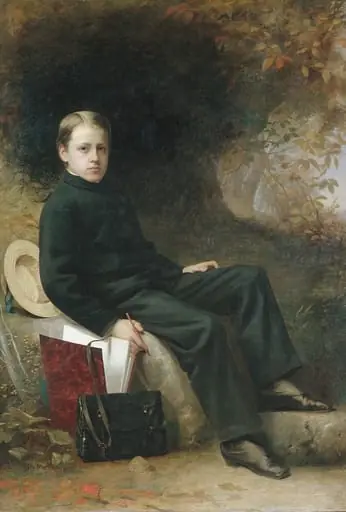
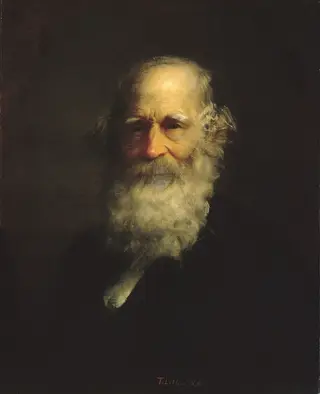
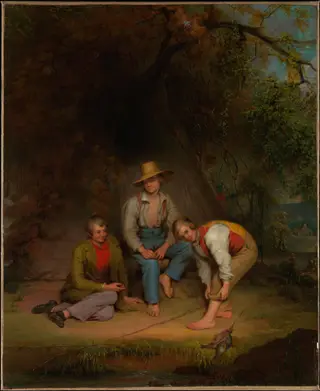
Thomas Le Clear, born on March 17, 1818, was an American artist known for his works such as 'Amory Sibley Carhart' and 'Boys Fishing'. His art reflects 19th-century American themes, showcasing everyday life and notable figures like William Cullen Bryant. Le Clear's contributions to American art history are notable for their depiction of ordinary scenes and portraits.
Thomas Le Clear's legacy lies in his detailed and nuanced portrayals of 19th-century American life.
Died on this day 1
- 1919 Died
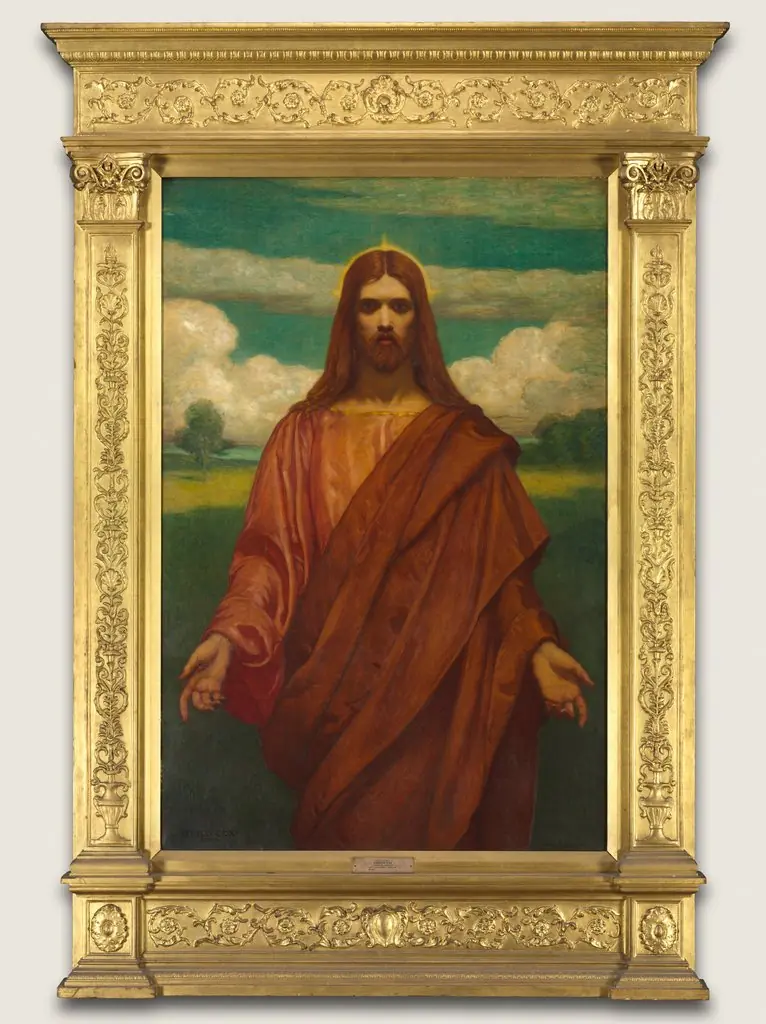
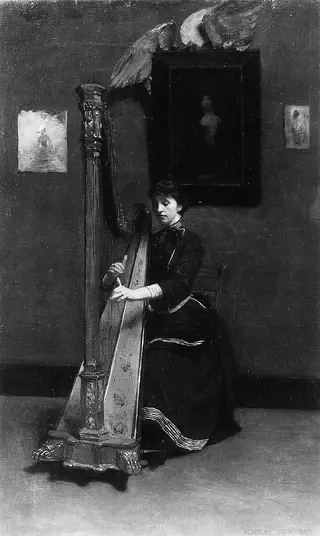
Died this day: Kenyon Cox
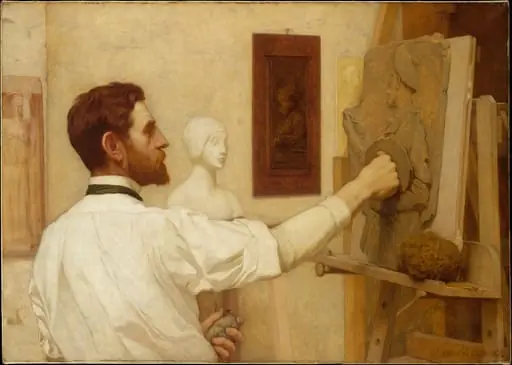
Kenyon Cox was a multifaceted American artist, working as a painter, illustrator, muralist, writer, and teacher, known for his influential role at the Art Students League of New York. His notable works include portraits of prominent figures like Augustus Saint-Gaudens and symbolic pieces such as Christ and The Harp Player (A Solo).
Kenyon Cox's legacy lies in his contributions to American art education and his enduring artistic creations.
Exhibitions & salons 1
- 2017 Exhibition
Whitney Biennial 2017 opens
On March 17, 2017, the Whitney Museum of American Art opened Whitney Biennial 2017, the seventy-eighth installment of its long-running survey of American art. Co-curated by Christopher Y. Lew and Mia Locks, it featured sixty-three artists and collectives across painting, installation, activism, video-game design, performance, film, photography, sculpture, and music. The museum emphasized that it was the first Biennial held in the Whitney's downtown Gansevoort Street building and the largest in gallery space to that point. The exhibition became especially visible for its political atmosphere and for debates around works such as Dana Schutz's Open Casket, turning the Biennial into a flashpoint for questions of representation, race, protest, and institutional responsibility in contemporary art.
The exhibition sharpened public debate over who may represent traumatic histories inside major art institutions.
Dana Schutz , Pope.L , Henry Taylor Whitney Museum of American Art, Manhattan
Openings & foundings 3
- 1906 Founding
The Painters' Club of Los Angeles is created
On March 17, 1906, eleven Los Angeles-area painters met in the studio of William Swift Daniell and formally created The Painters' Club of Los Angeles. The group was short-lived, but it mattered because it gave Southern California's professional painters a regular forum for critique, exhibitions, and local visibility at a moment when the region's art infrastructure was still developing. Its membership included figures later associated with California Impressionism and the California Art Club, including Albert Clinton Conner, Carl Oscar Borg, Hanson Puthuff, and Antony Anderson. The club's restrictive male-painter membership also became historically important by contrast: when it dissolved in 1909, members reorganized into the broader California Art Club, which admitted women and sculptors.
The club became a direct precursor to the California Art Club and helped consolidate early twentieth-century Southern California plein-air networks.
- 1941 Opening Landmark
National Gallery of Art is accepted for the nation
On March 17, 1941, President Franklin D. Roosevelt accepted the completed National Gallery of Art in Washington, D.C., on behalf of the American people. The museum arose from Andrew W. Mellon's gift of collection and construction funds, accepted by Congress in 1937, and its John Russell Pope-designed West Building was then among the largest marble structures in the world. The opening created a national art museum independent in identity from the Smithsonian's earlier gallery and immediately framed private collecting as a public cultural resource. Its founding collection, later expanded by Kress, Widener, Rosenwald, Dale, Mellon family, and other donors, gave the United States a canonical old-master and American collection on the National Mall.
The opening established one of the United States' central public art institutions and encouraged major private collectors to give collections for national access.
- 1972 Founding
A.I.R. Gallery founding meeting
On March 17, 1972, the original meeting to form A.I.R. Gallery took place, with artists organizing what became the first not-for-profit, artist-directed and maintained gallery for women artists in the United States. A.I.R.'s own history records Howardena Pindell proposing the name "EYRE Gallery" at that meeting, before the group settled on A.I.R., shortened from Artists in Residence. The founders had been responding to the exclusion of women from New York's commercial gallery system and to the need for artists to control their own exhibitions. After renovation of the 97 Wooster Street space, the gallery opened in September 1972 and became a durable feminist art institution, hosting exhibitions, programs, internships, and later international women-artists projects.
A.I.R. provided an influential cooperative model for feminist art spaces and artist-run alternatives to commercial galleries.