Mrs. Harlow A. Pease by Field, Erastus Salisbury
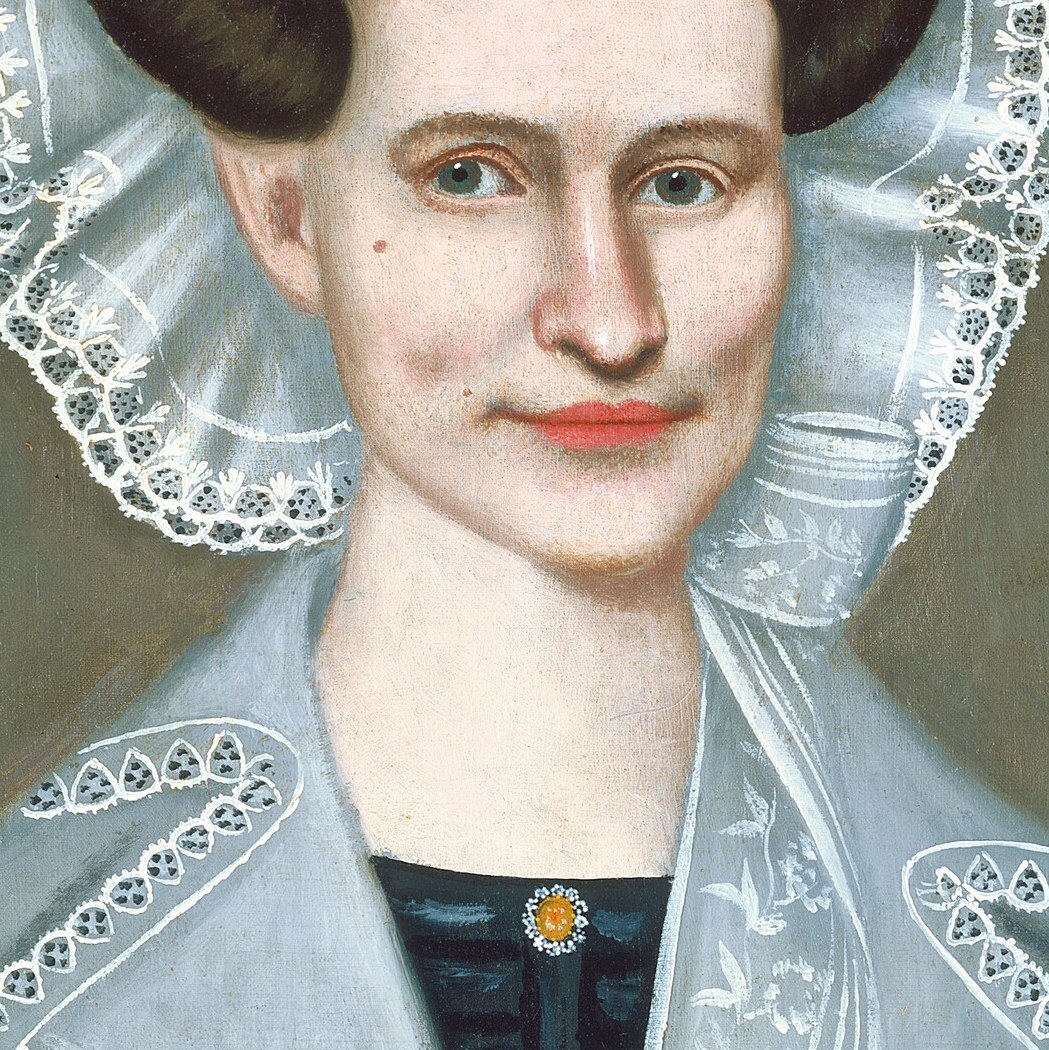
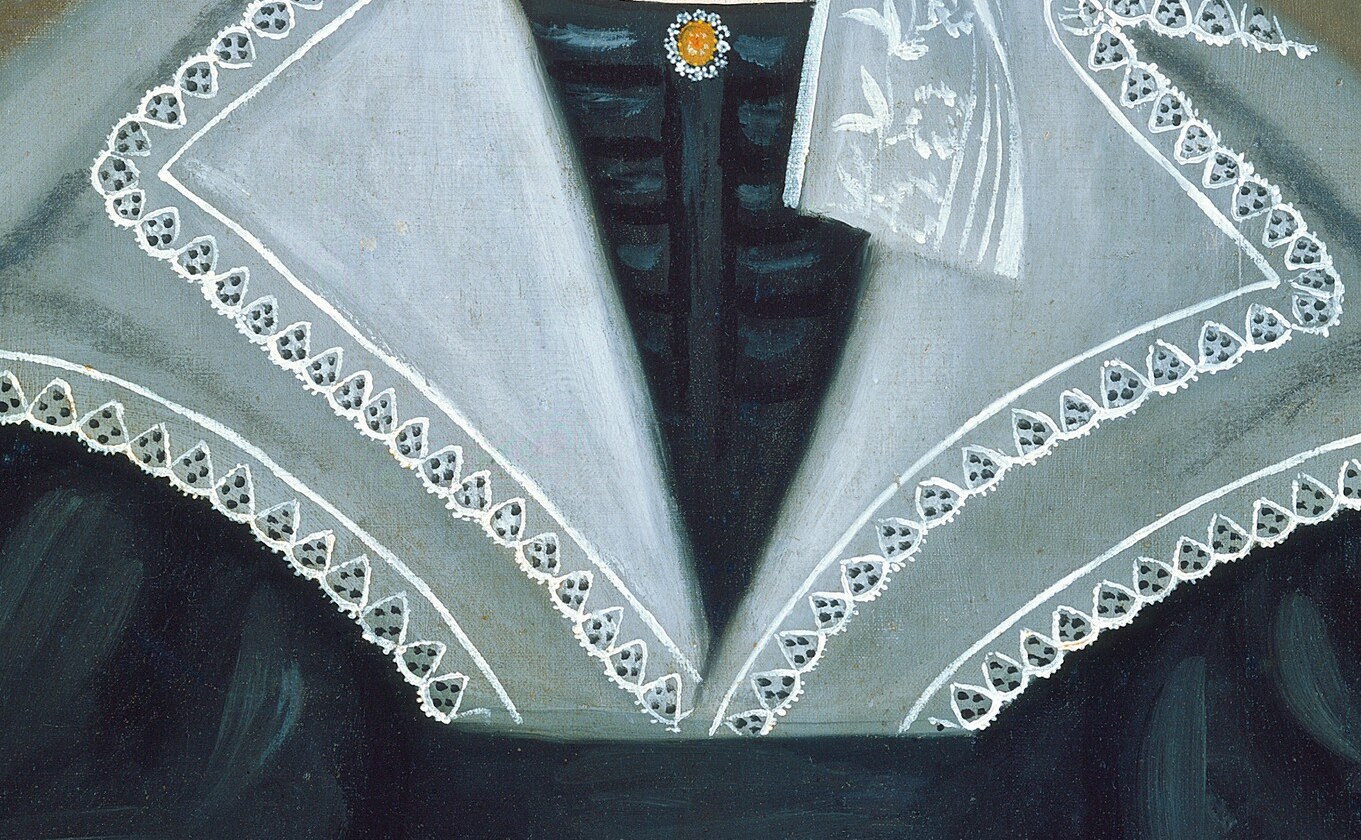
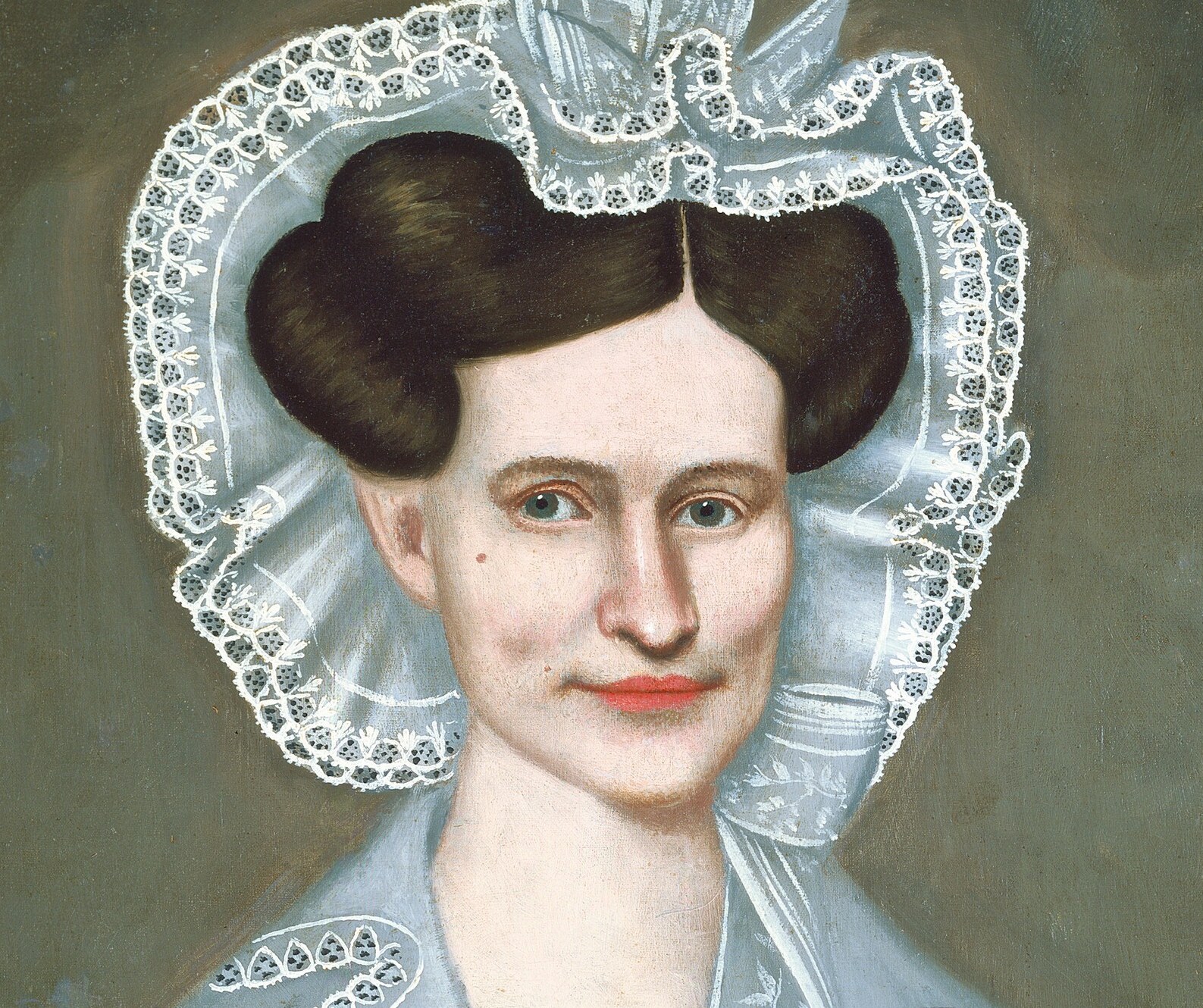
In 'Mrs. Harlow A. Pease', painted around 1837 by Erastus Salisbury Field, the intricate lace collar and cap aren't as delicate as they appear. Look closely, and you'll see the artist's clever technique in action.
Field achieved the illusion of fine, detailed lace by applying thick, almost impasto, strokes of white paint. This method created a raised texture that catches the light, mimicking the three-dimensional quality of real fabric without needing ultra-fine lines. It's a testament to the artist's ingenuity in an era without photographic references, where every detail had to be constructed by hand.
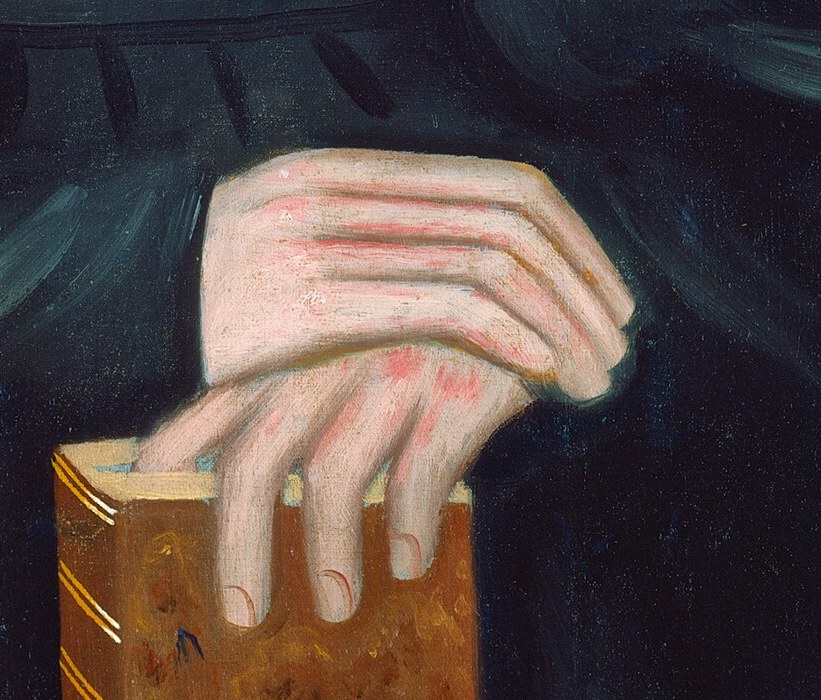
This oil on canvas portrait exemplifies Field's portraiture practice in early 19th-century New England. The subdued chiaroscuro and focus on the sitter's features and attire were characteristic of the period, emphasizing dignity and restraint.
The next time you see a painting, consider the painter's tricks to bring such textures to life.
Details
Transcript
This painter lived almost 200 years ago, with no photography. Every detail had to be created from paint and brush. Look at the fine lace of her collar, around her neck. It looks delicate, but see the thick brushstrokes? He used thick white paint, built up to create texture. This simple trick gives the illusion of fine lace.