Waterfall at Terni by Jean Baptiste Camille Corot
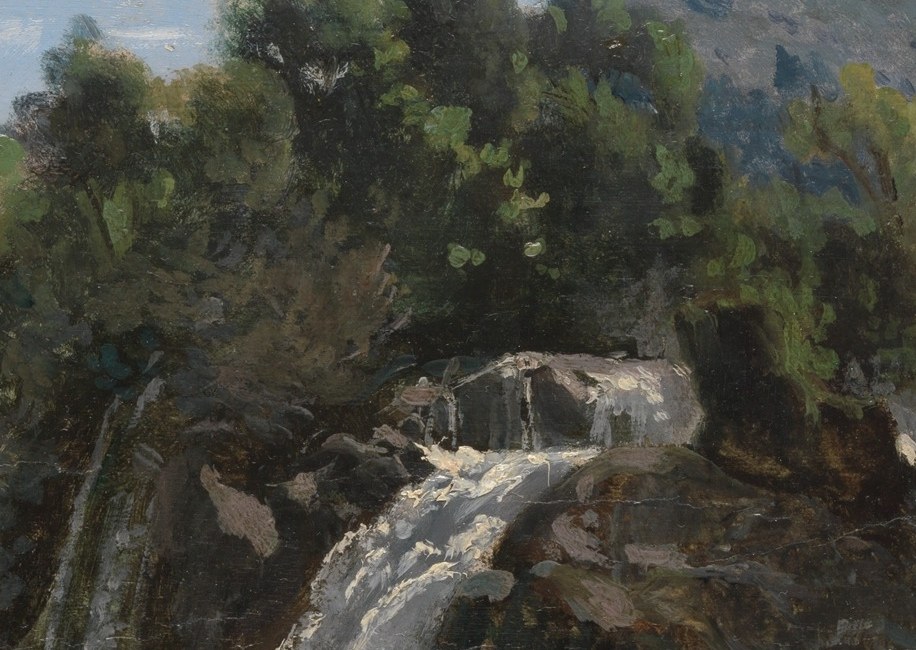
Jean-Baptiste-Camille Corot's "Waterfall at Terni," painted in 1826 and held by The Metropolitan Museum of Art, is a masterclass in capturing the wild essence of nature.
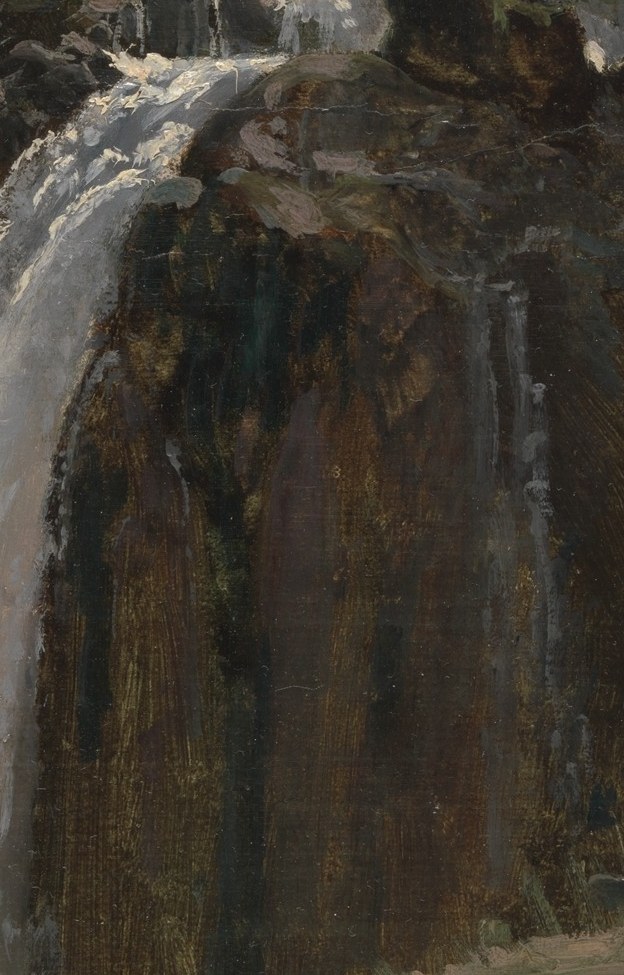
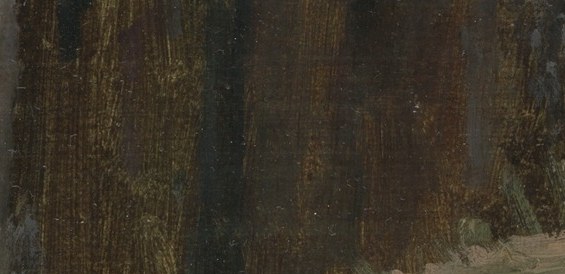
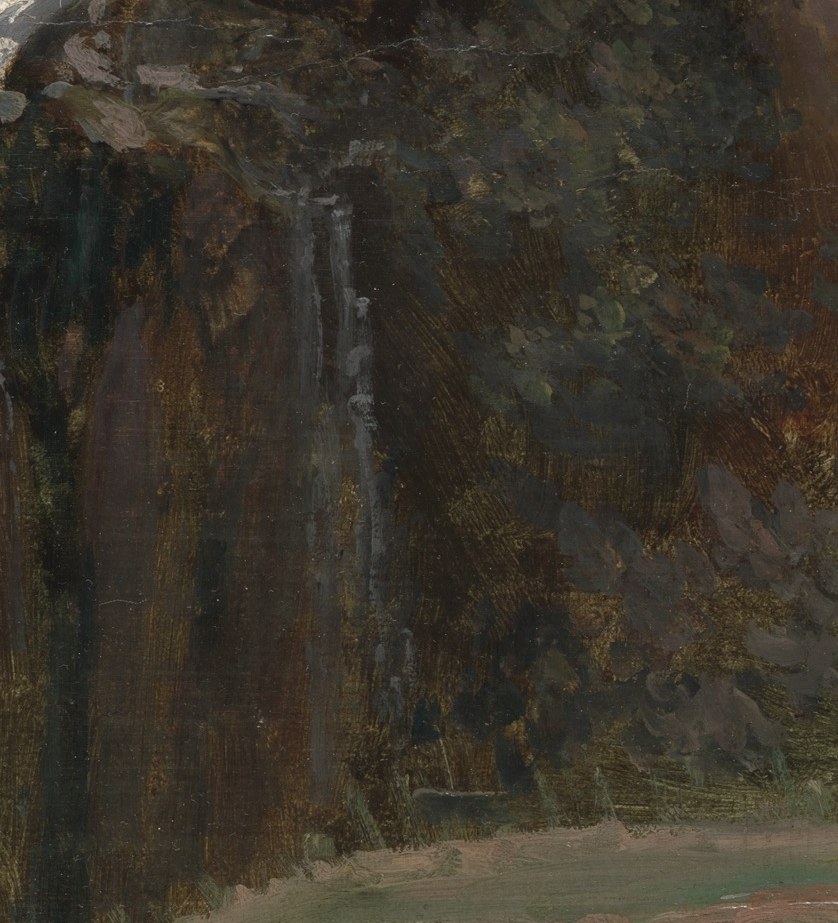
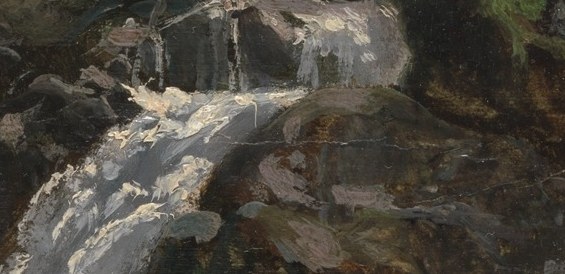
Observe how Corot's loose, almost sketchy brushstrokes bring the cascading water and rugged rocks to life. The frothy, dynamic movement of the waterfall and the deep textures of the cliff face demonstrate a remarkable artistic approach.
Corot, a pivotal figure in 19th-century French art, bridged Neo-Classical traditions with innovations in plein-air painting. This work exemplifies his early engagement with naturalistic themes, anticipating the focus on capturing fleeting moments that would later define Impressionism.
It’s a powerful reminder of nature's grandeur, rendered with a freshness that still captivates today. What details draw your eye?
Details
Transcript
This painter was a master of capturing raw nature. See the untamed power of the cascading water. His loose brushstrokes create dynamic, frothy movement. Each stroke captures the water's speed and impact. He captures the rugged texture of the dark cliff face. This raw, immediate style foreshadowed Impressionism.