Juan Legua by Juan Gris
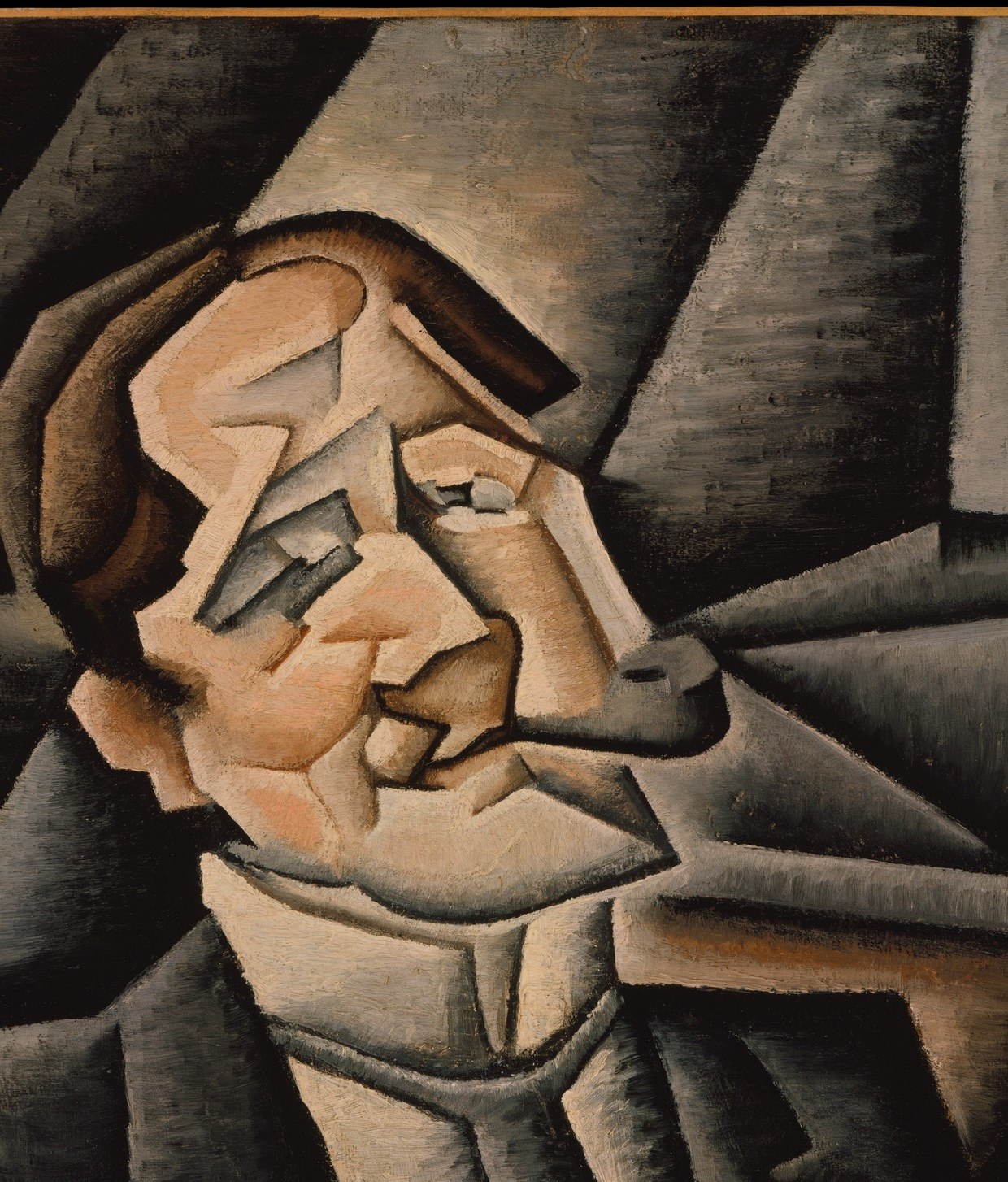
Juan Gris painted this portrait of his friend Juan Legua in 1911, and then he called it his first mature Cubist work. It lives at the Metropolitan Museum of Art in New York.
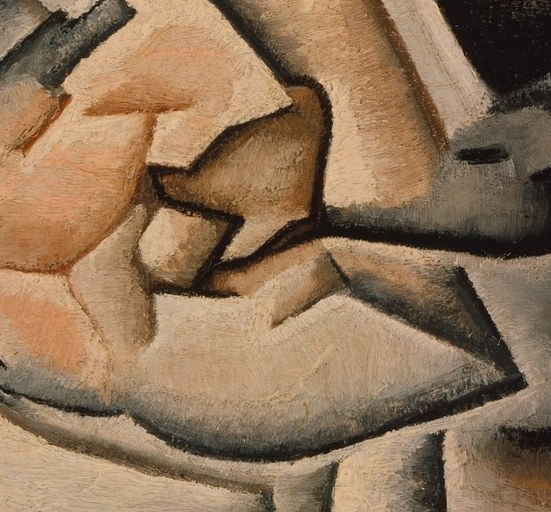
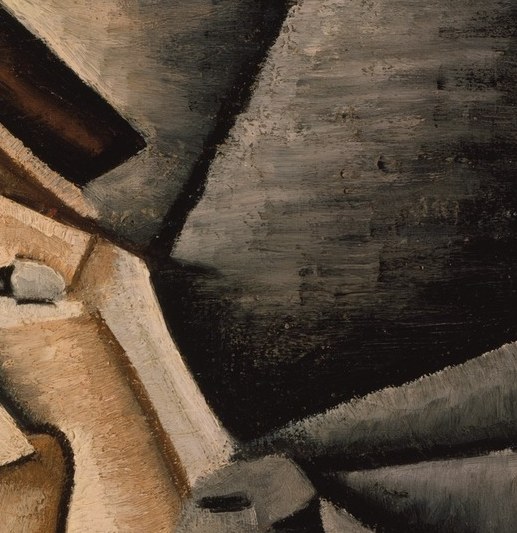
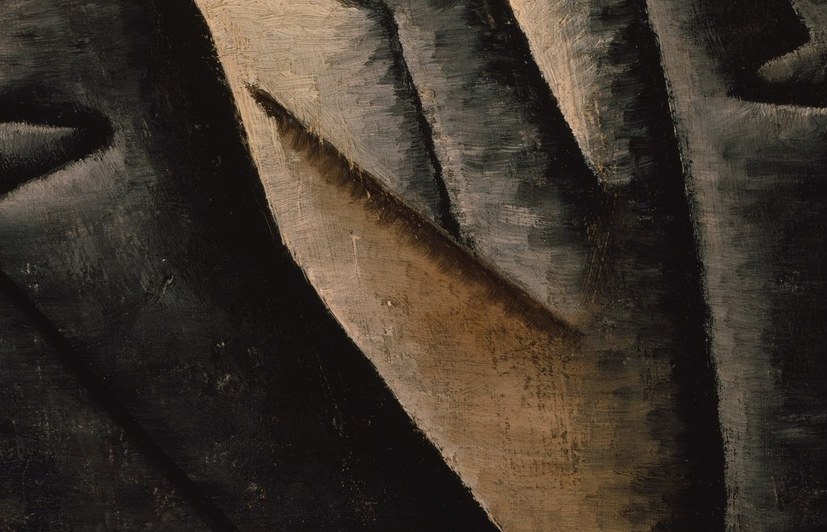
The face arrives as a set of shifting planes. A sharp wedge defines the nose. The two eyes sit at different heights, asking you to reconcile a profile and a frontal view at the same time. And the pipe, the man's defining attribute, nearly disappears into the fractured geometry around his mouth. Finding it is a small puzzle Gris built into the composition.
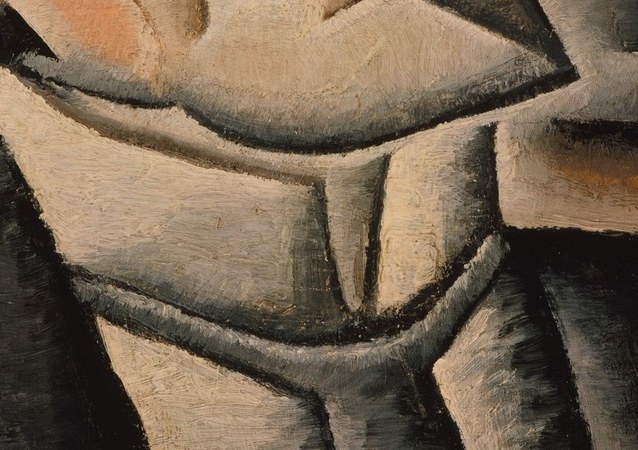
Gris was Spanish, born in Madrid, but he worked in Paris alongside Picasso and Braque. He came to Cubism a few years after them and brought a draftsman's precision and a warm, restrained palette. Legua was not a patron or a powerful figure. He was part of Gris's circle, and the portrait's formality, the white collar and dark suit holding the fractured face together, treats that friendship with real gravity.
What is remarkable is that the man survives the geometry. You do not lose the sitter in the shards and planes. You feel his presence, his weight, his claim on the little canvas.
Details
Transcript
1911. A young Spaniard in Paris paints a man with a pipe. He builds the head from sharp, tilted planes. The nose is a wedge. A piece of architecture. Each eye sees the face from a different angle. Juan Legua was a real friend of the artist. The pipe almost dissolves. Look until you find it. Gris called this his first true Cubist portrait.