Lazarus and the rich man by Barent Fabritius
Barent Fabritius's "Lazarus and the Rich Man," painted in 1661 and held at the Rijksmuseum, powerfully depicts the biblical parable, contrasting extreme wealth with abject poverty. The painting, an oil on canvas, is a striking example of Dutch Golden Age religious art.
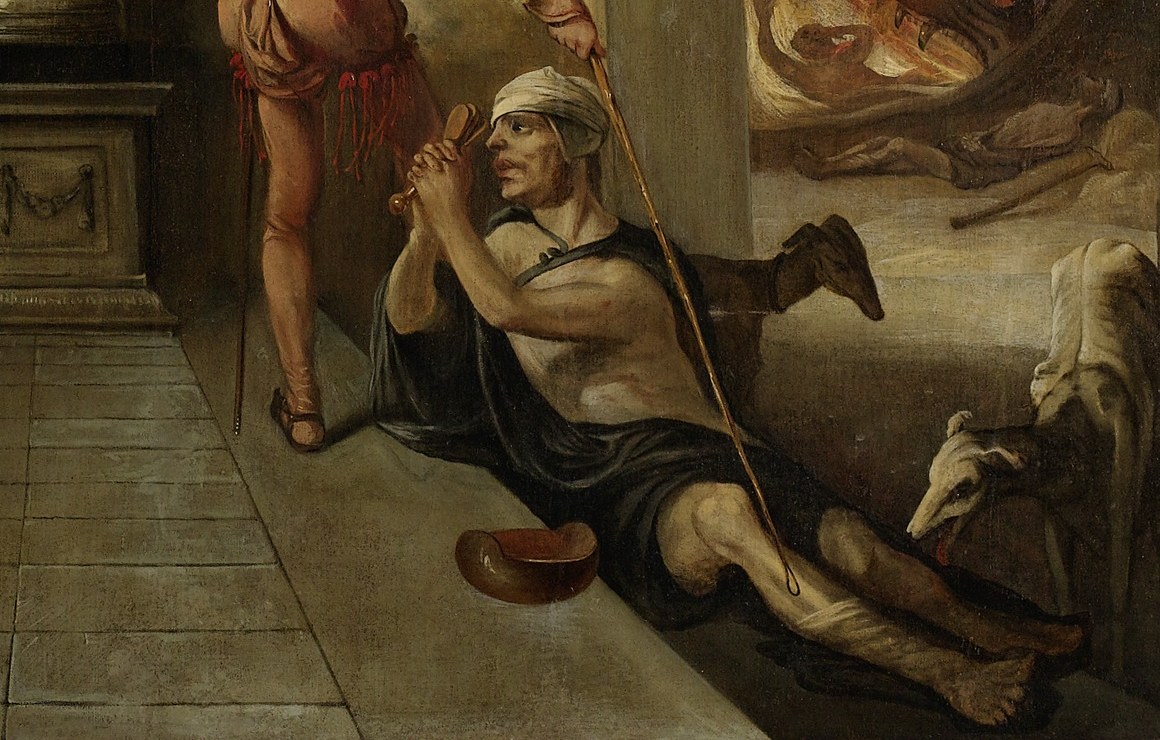
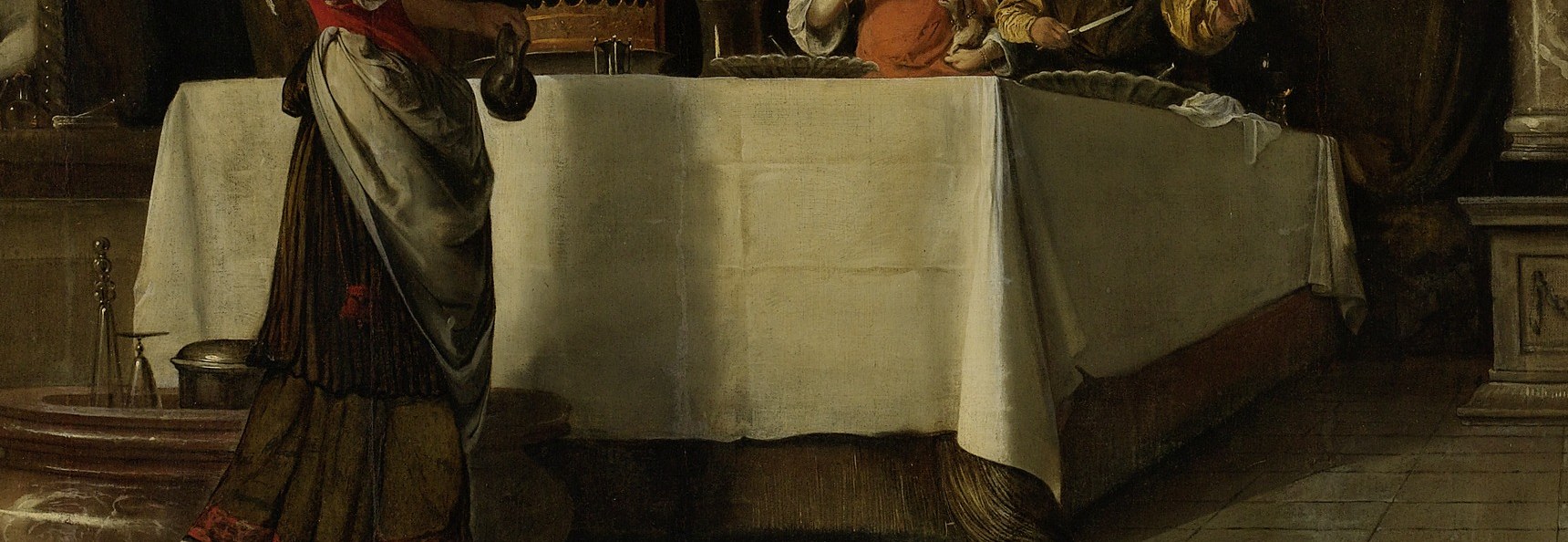
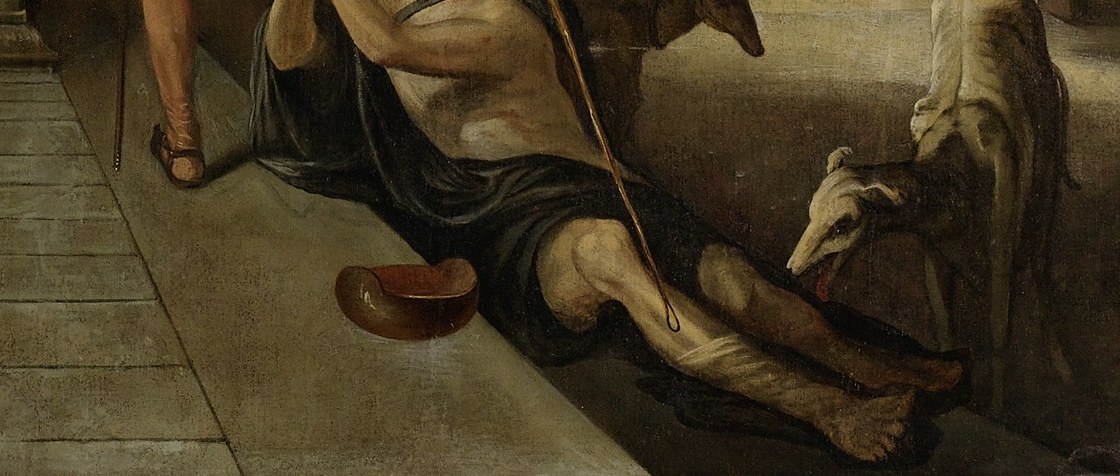
Notice the stark division: the rich man reclines in luxury, surrounded by food and servants, while Lazarus, covered in sores, lies outside. The detail of the dog licking Lazarus's wounds is particularly poignant, highlighting the compassion found in unexpected places.
Fabritius, who trained with his brothers and possibly Rembrandt, was known for his biblical, mythological, and historical scenes, as well as portraits. This work showcases his strong use of chiaroscuro to emphasize the narrative and emotional divide.
The painting invites us to reflect on themes of empathy and social responsibility, questions that remain relevant today. What does this contrast say to you?
Details
Transcript
This painting tells the parable of Lazarus and the rich man. See the rich man, casually reclining, oblivious to the world. His table is laden with food, a feast of luxury. Outside, Lazarus begs, his body covered in sores. Only a dog shows him kindness, licking his wounds. A leper's clapper signifies his outcast status. This Dutch painter, Barent Fabritius, created it in 1661.