Oostzijdse Mill along the River Gein by Moonlight by Piet Mondriaan
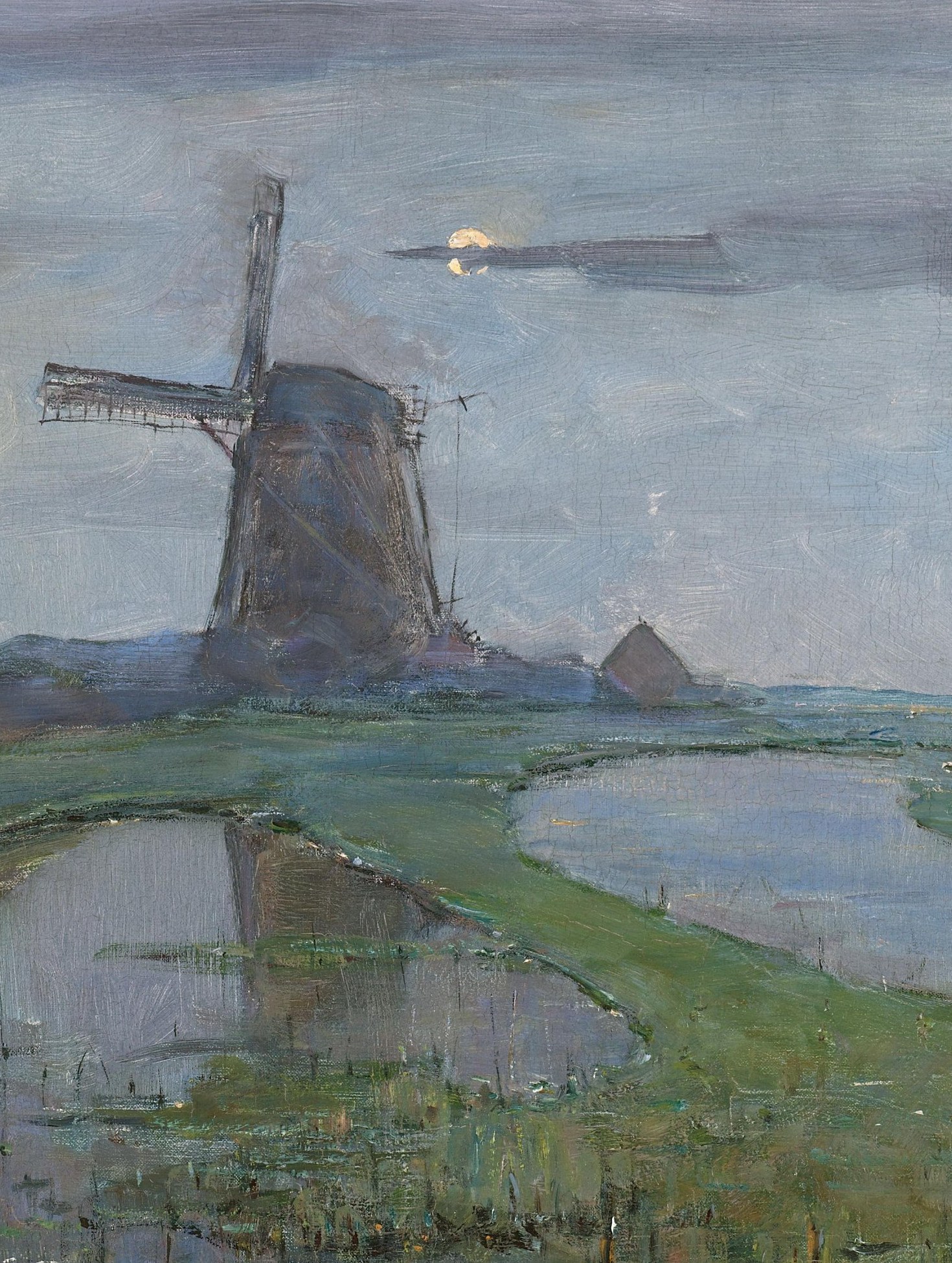
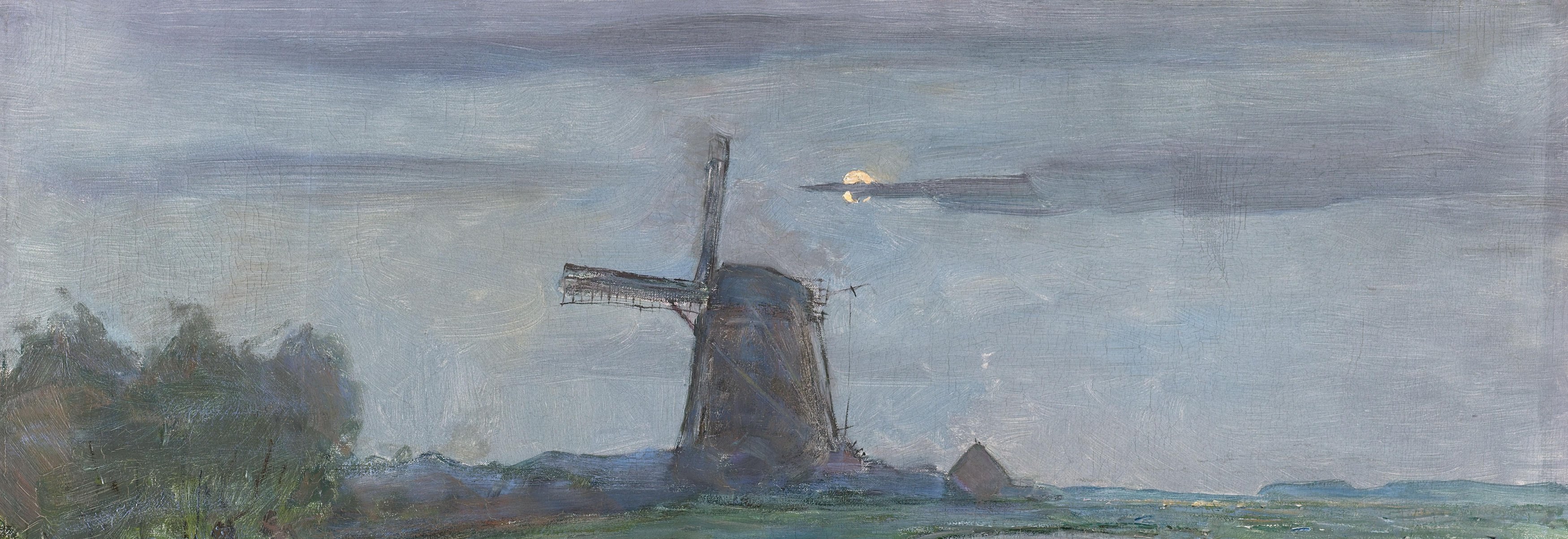
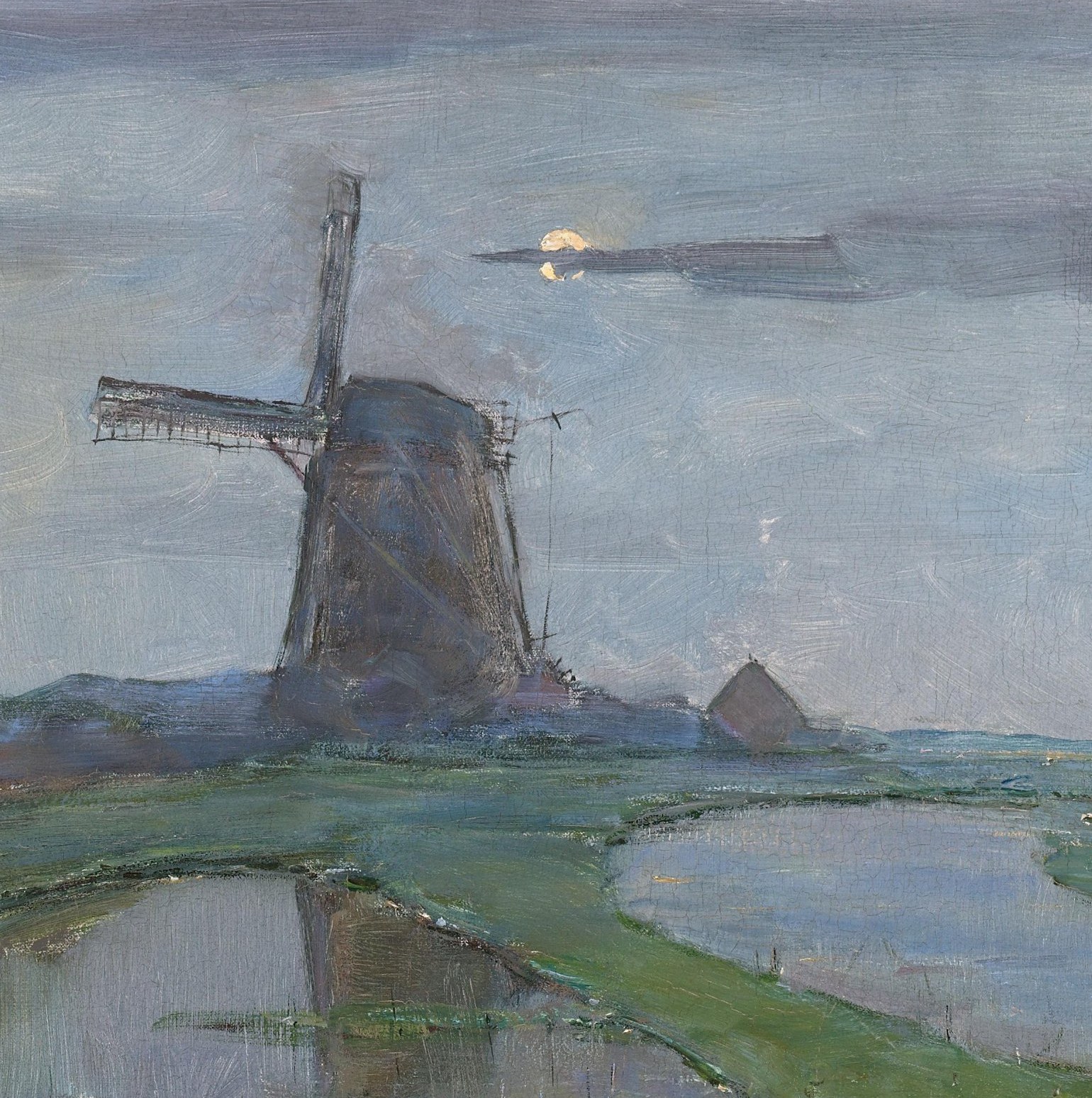
This is Piet Mondrian's 'Oostzijdse Mill along the River Gein by Moonlight' (c. 1903). Before he invented the abstract grid, the young Dutch painter was captivated by the flat, watery landscape of his homeland, working in a style deeply indebted to the Hague School.
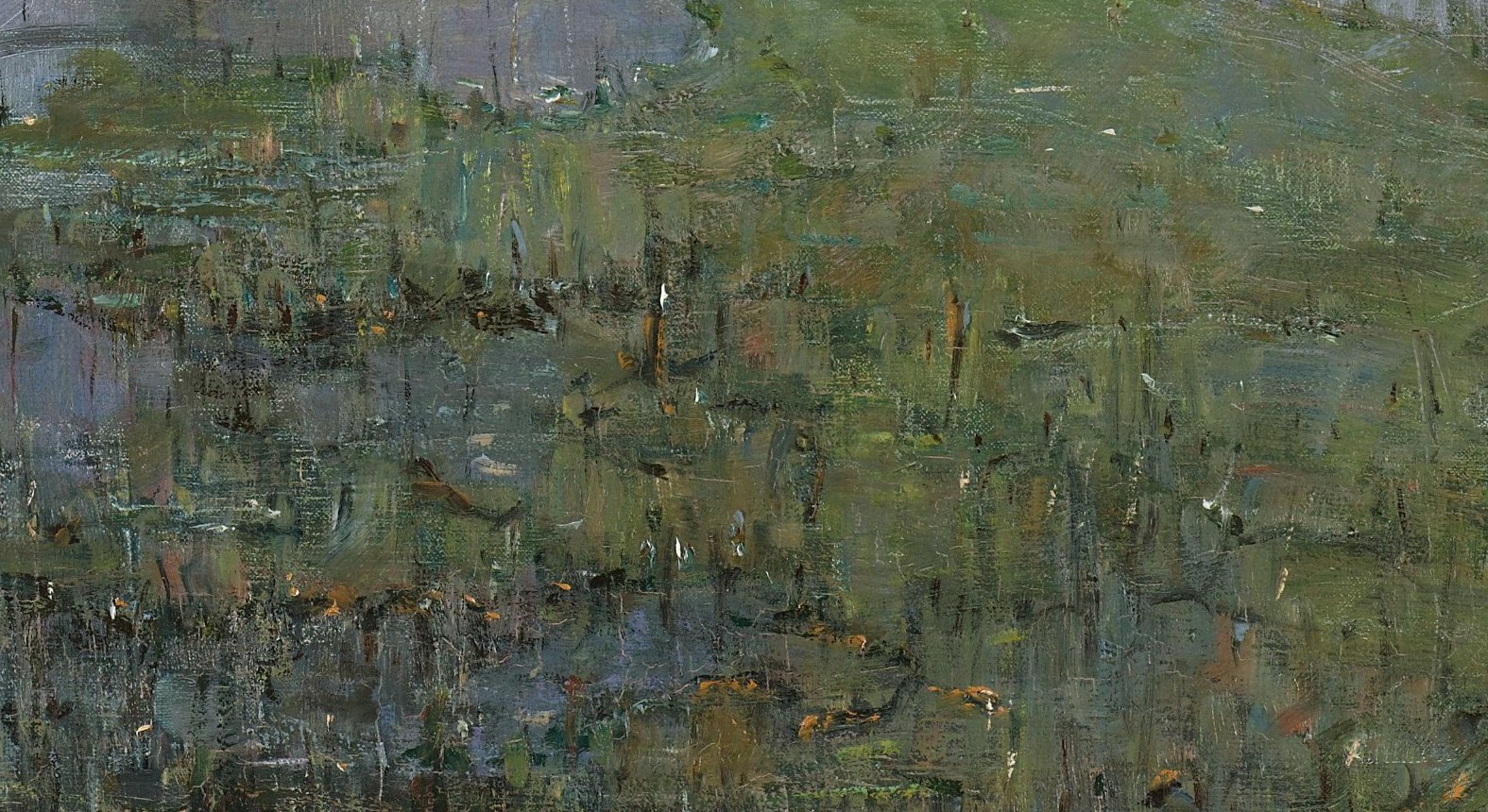
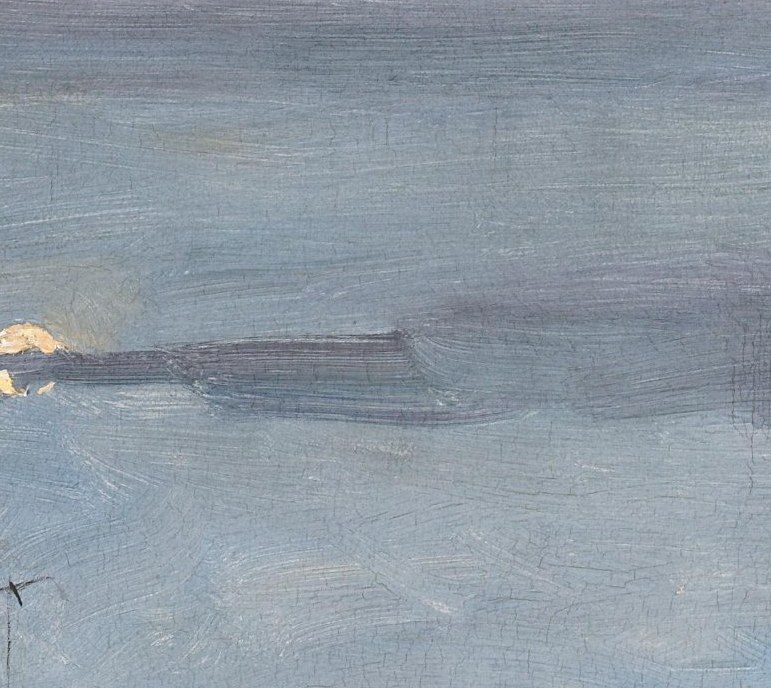
Look closely at the sky: Mondrian is already flattening it into near-uniform bands of grey-green. The river's surface is a field of short, dabbed brushstrokes catching the moonlight. The cross of the windmill's sails looms over the scene with a quiet spiritual weight. Every choice here points toward the reduction of form he would later call Neoplasticism.
That arc makes the painting's provenance even stranger. Decades after Mondrian's death, the work hung in the Amsterdam apartment of a man named Octave Durham. In 2002, Durham and an accomplice pulled off one of the most brazen art thefts of the era: two Van Goghs from the Van Gogh Museum, right from the wall. When police arrested him, they found this moonlit Mondrian in his home.
A serene nocturne painted by one of modernism's great theorists, quietly catalogued in a crime-scene inventory. Art really does live stranger lives than the artists who made it.
Details
Transcript
Before the coloured grids, there were windmills. Lots of them. The young Piet Mondrian painted this moonlit scene around 1903. He flattens the sky into quiet bands of grey-green. His brush dabs the river into rough, textural patches of light. You can feel the abstraction he would chase for the rest of his life. Years later, this painting hung in the home of a notorious art thief. His name was Octave Durham. He stole two Van Goghs in 2002. Police found this Mondrian in his apartment after the heist.