Painting the Lengua Chief by Catlin, George
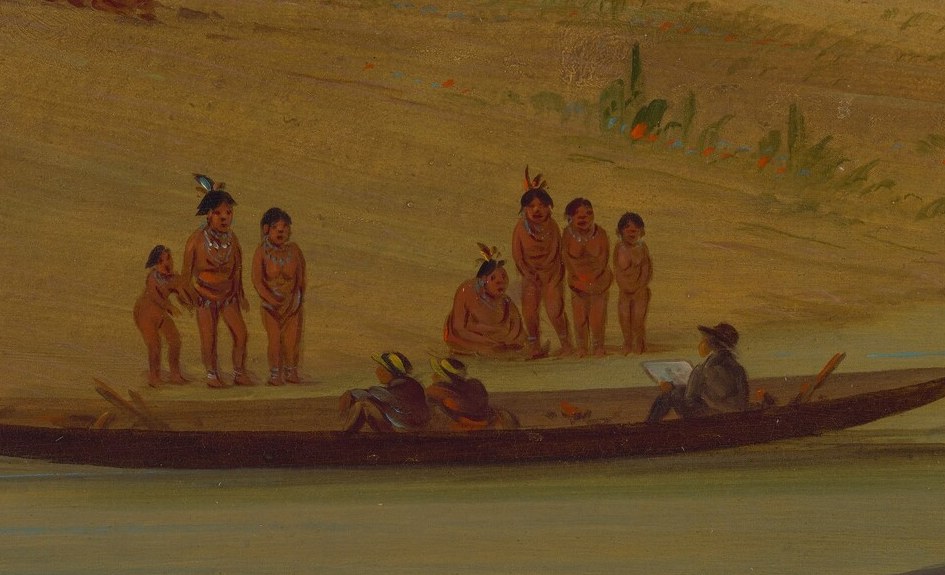
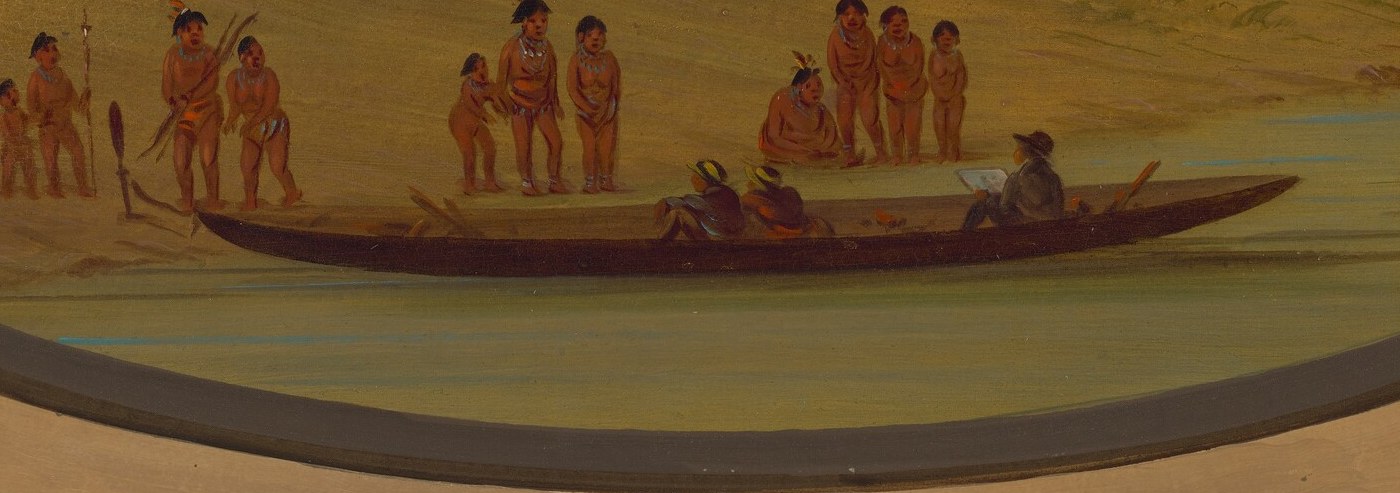
This striking portrait, "Painting the Lengua Chief" by George Catlin, sold for $50,400 at auction. Painted between 1854 and 1869, this oil on card piece, now at the Smithsonian American Art Museum, captures a moment in Indigenous American history.
Catlin, a lawyer turned artist, dedicated his life to documenting Native American cultures. He traveled the American West extensively in the 1830s, creating thousands of paintings and writings to record the lives of Plains Indians before their traditional ways were lost.
His portraits, like this one of a Lengua Chief, offer a window into the cultural identity and daily life of these communities. He aimed to preserve these images for future generations, serving as both ethnographic records and artistic representations.
Catlin's work is a valuable historical archive, reminding us of the diverse cultures that shaped the American frontier. What stories do you see in the chief's attire?
Details
Transcript
This is a chief of the Lengua people, painted by George Catlin. The artist specialized in portraits of Native Americans. Catlin painted this after traveling the American West five times. His mission was to document tribal leaders and Indigenous life. This small painting recently sold for 50,400 US dollars. It shows his unique record of a vanishing way of life.