Still Life with Various Vessels on a Table by Osias Beert
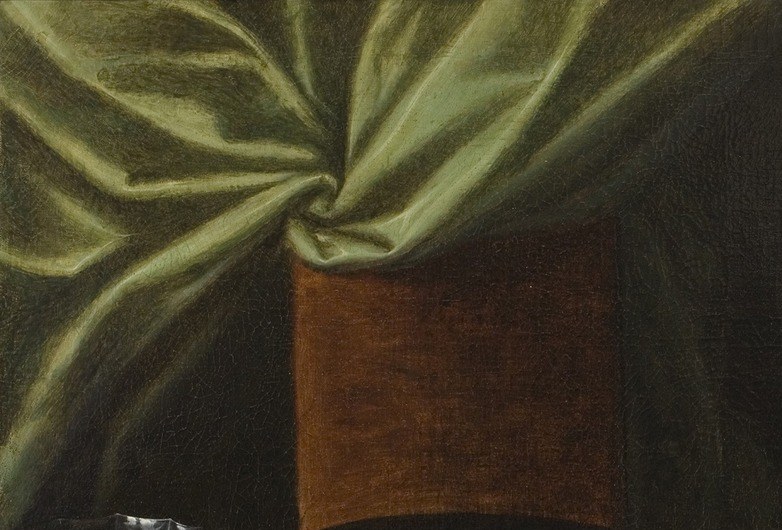
Osias Beert's "Still Life with Various Vessels on a Table," painted around 1610, is a vibrant example of the emerging still life genre in Northern European art. This oil painting, held at the Museum of Fine Arts Boston, meticulously arranges a feast of objects that speak to the wealth and trade of the Dutch Golden Age.
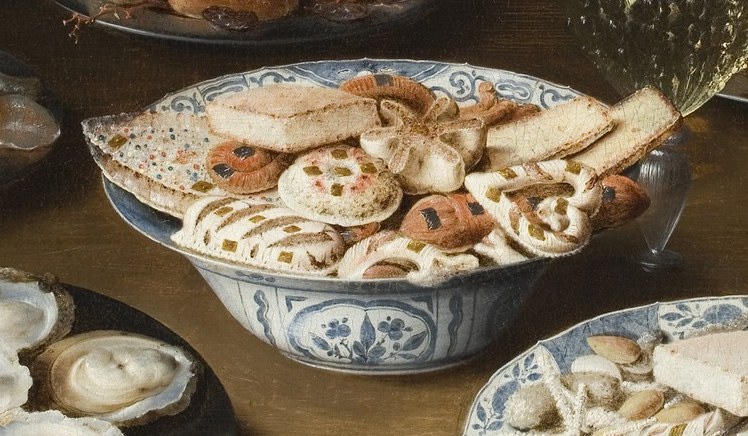
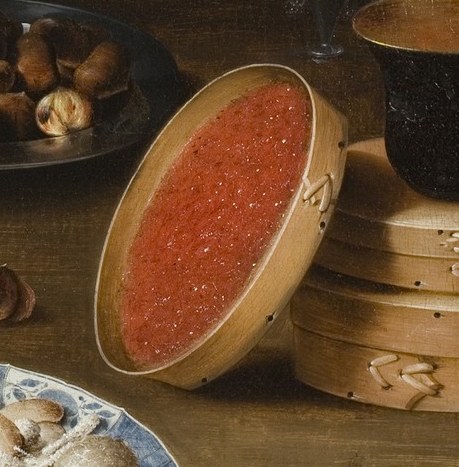
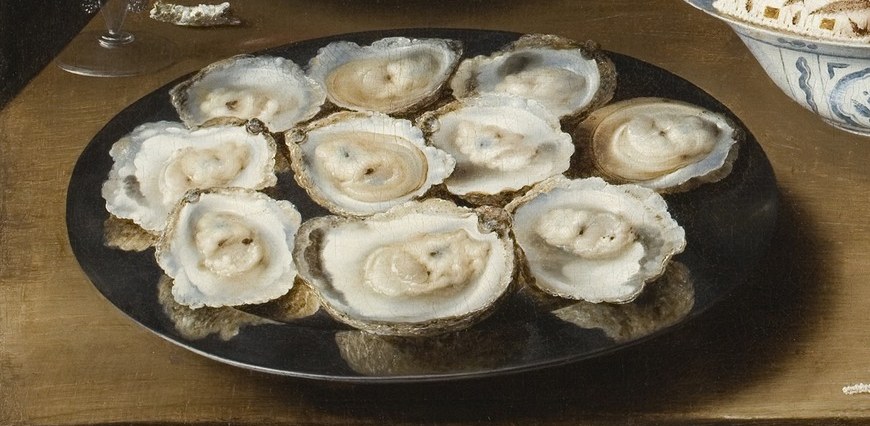
Look closely at the table, laden with a rich array of items. Exotic Chinese porcelain bowls sit alongside fine European glassware. The glistening red caviar and plump oysters were costly, rare delicacies, highlighting the owner's status and access to global markets.
Beert, a Flemish painter active in Antwerp, was a pioneer in developing still life as an independent art form. His works often showcased a blend of luxurious imported goods and familiar household items, reflecting the economic prosperity and fascination with the material world during this period.
This painting is more than just a depiction of food; it's a window into an era of booming commerce and changing tastes. What other details can you spot that tell a story?
Details
Transcript
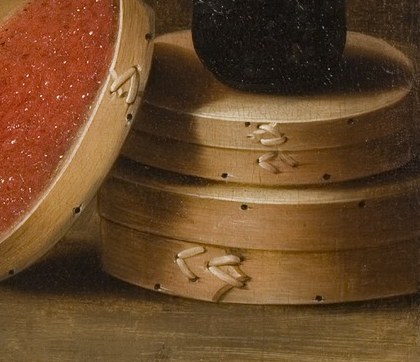
This painting from 1610 shows an elaborate feast. Fine imported porcelain like this was a status symbol. Red caviar was an exotic luxury, rarely seen in Europe. The Dutch Golden Age saw an explosion of trade and wealth. Oysters were also a costly delicacy, hinting at prosperity. This still life celebrates the era's new material abundance.