Capri by William Stanley Haseltine
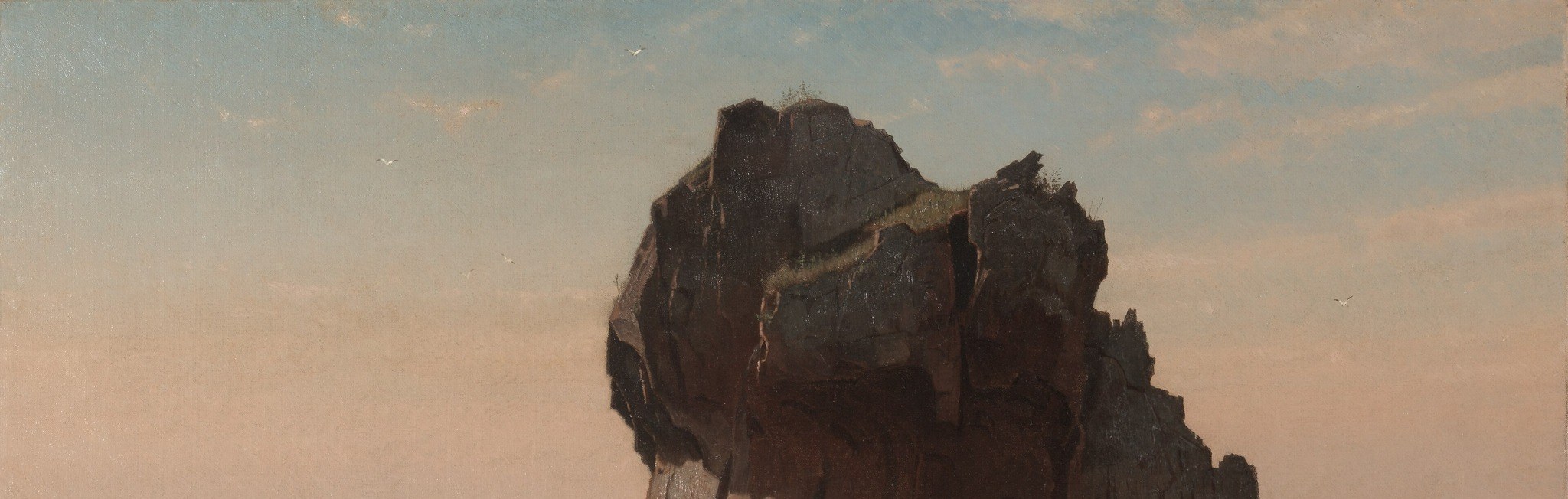
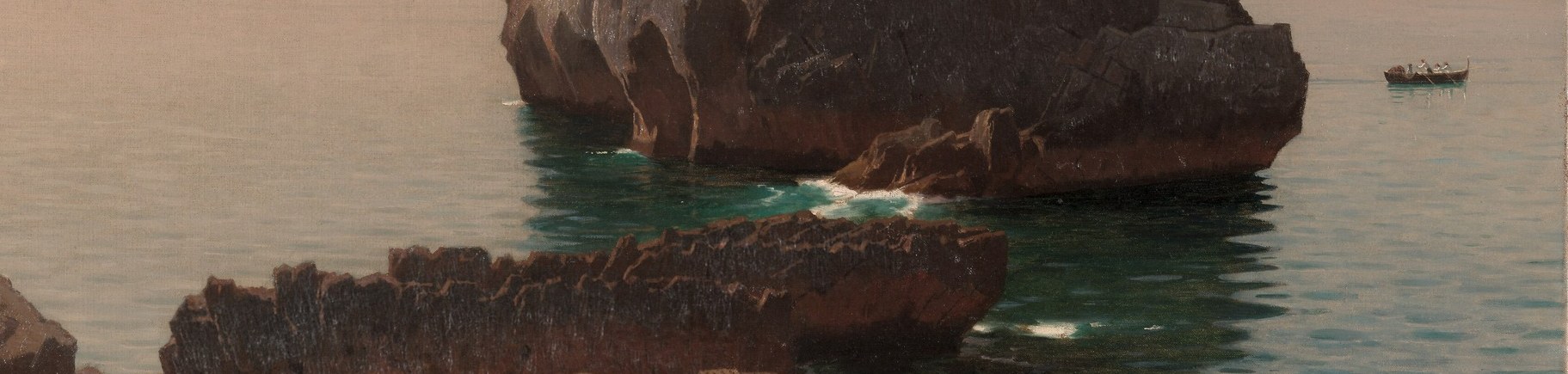
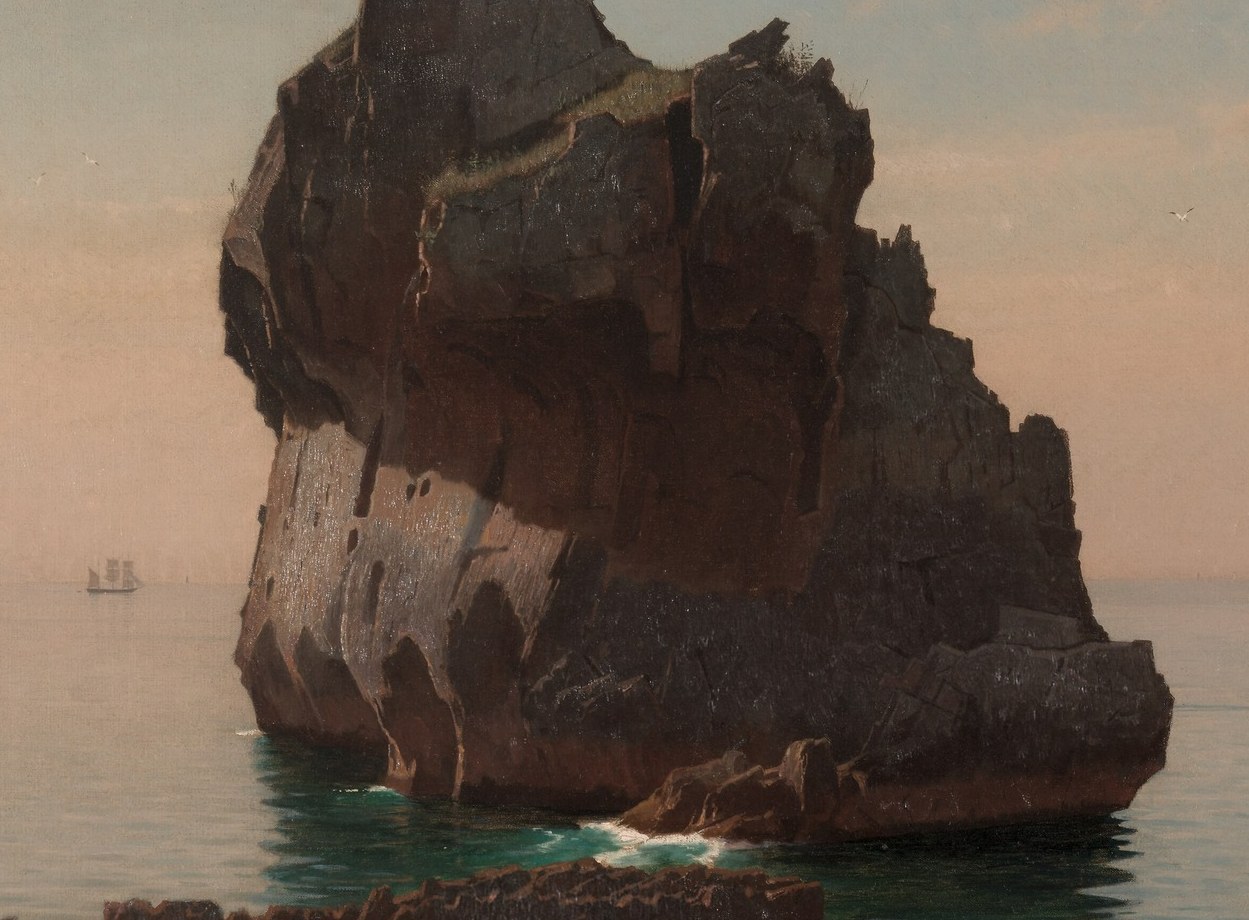
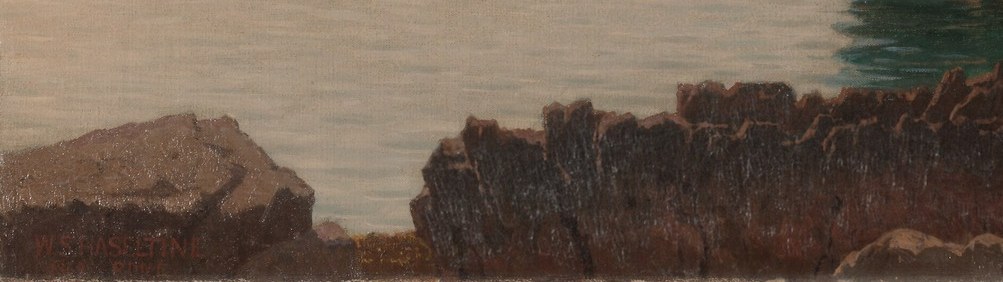
William Stanley Haseltine's "Capri," painted in 1869, captures the serene beauty of the Italian coastline with remarkable atmospheric control. This oil on canvas, part of The Cleveland Museum of Art's collection, is a masterclass in conveying depth and tranquility through subtle gradations of light and color.
Look closely at the sky and the sea. Haseltine employs incredibly smooth, almost seamless brushwork to render these elements, creating soft tonal transitions that make the air feel hazy and the water perfectly still. This technique makes the distant sailboat seem truly far away.
Haseltine, an American landscape painter, spent much of his later career in Italy, drawing inspiration from its dramatic coastlines. His meticulous detail in rock formations often contrasts with the expansive, ethereal quality of his skies and seas, a hallmark of his engagement with European subjects.
How does this seamless blend of air and water make you feel about the vastness of the landscape?
Details
Transcript
This painter shows vast distances with only light and color. Notice how the muted sky subtly changes from horizon to zenith. He used soft tonal transitions to convey the calm atmosphere. The tranquil sea perfectly mirrors the hazy sky above. Both elements are painted with seamless, smooth brushwork. This trick creates the illusion of infinite, quiet space.