The Edge of the Woods at Monts-Girard, Fontainebleau Forest by Théodore Rousseau
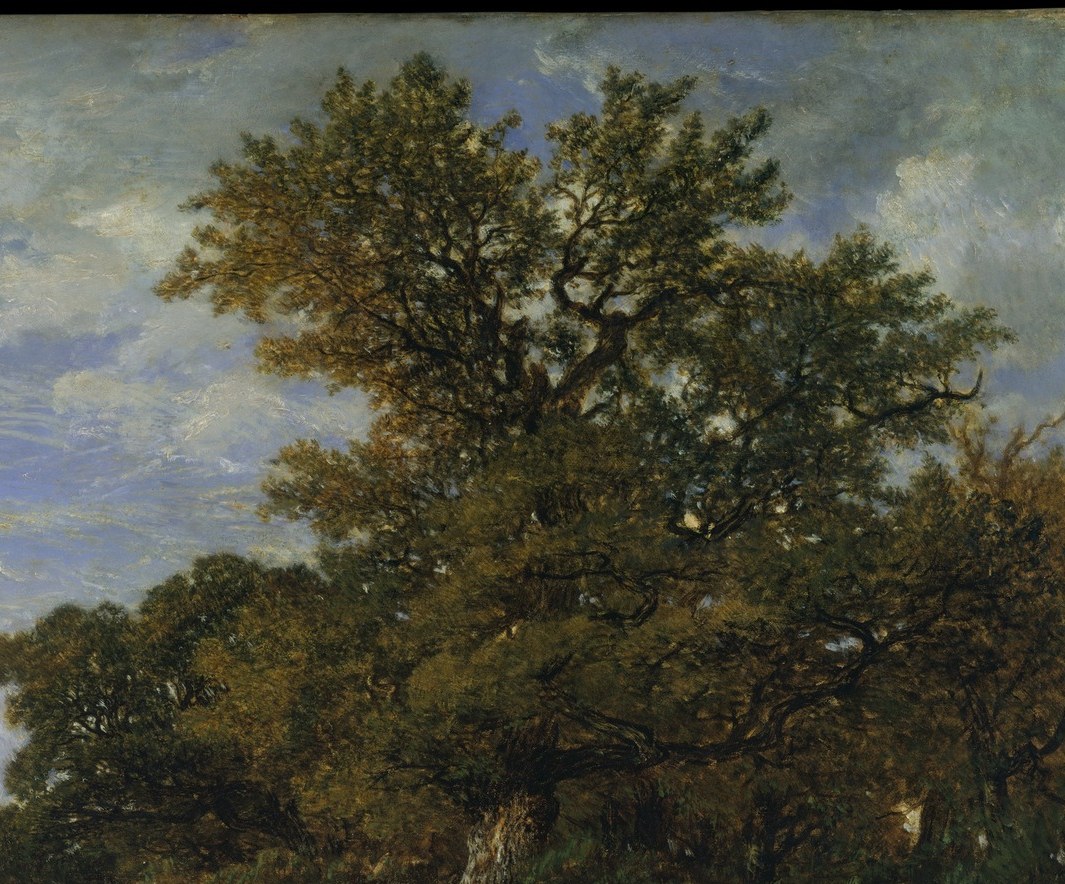
Every tree in this forest was under threat. Théodore Rousseau painted The Edge of the Woods at Monts-Girard, Fontainebleau Forest in 1852 not as a gentle postcard, but as a deliberate act of visual protest. The canvas now hangs in the Metropolitan Museum of Art, a survivor of the very destruction it was made to oppose.
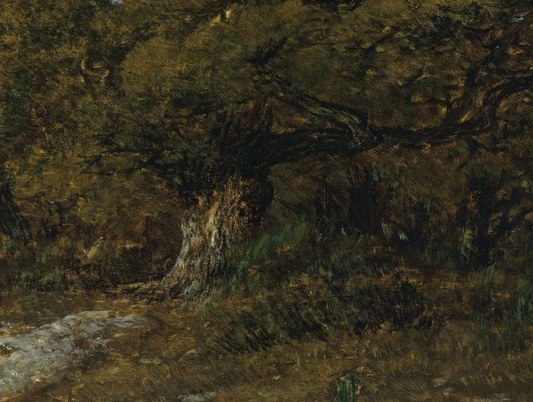
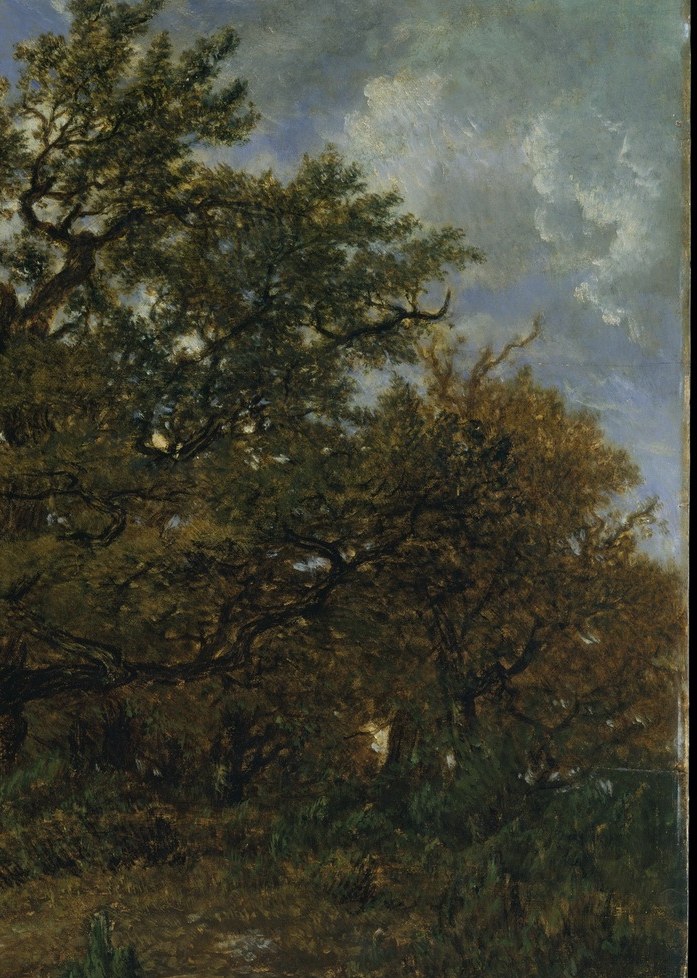
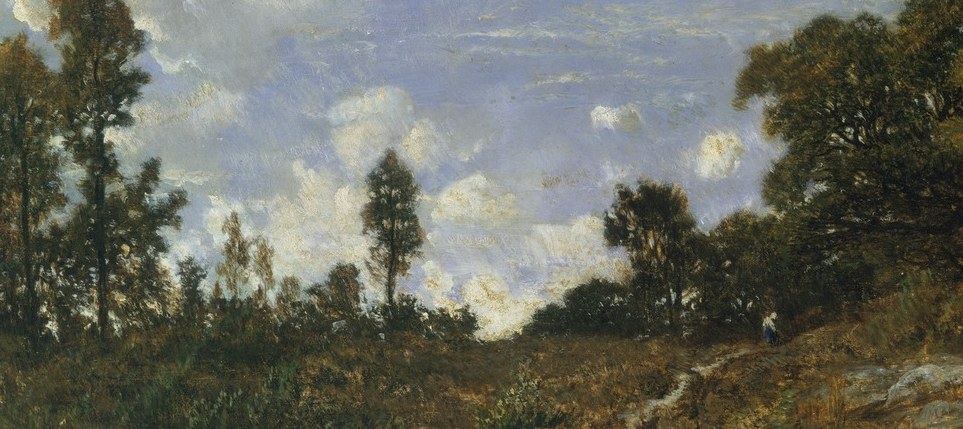
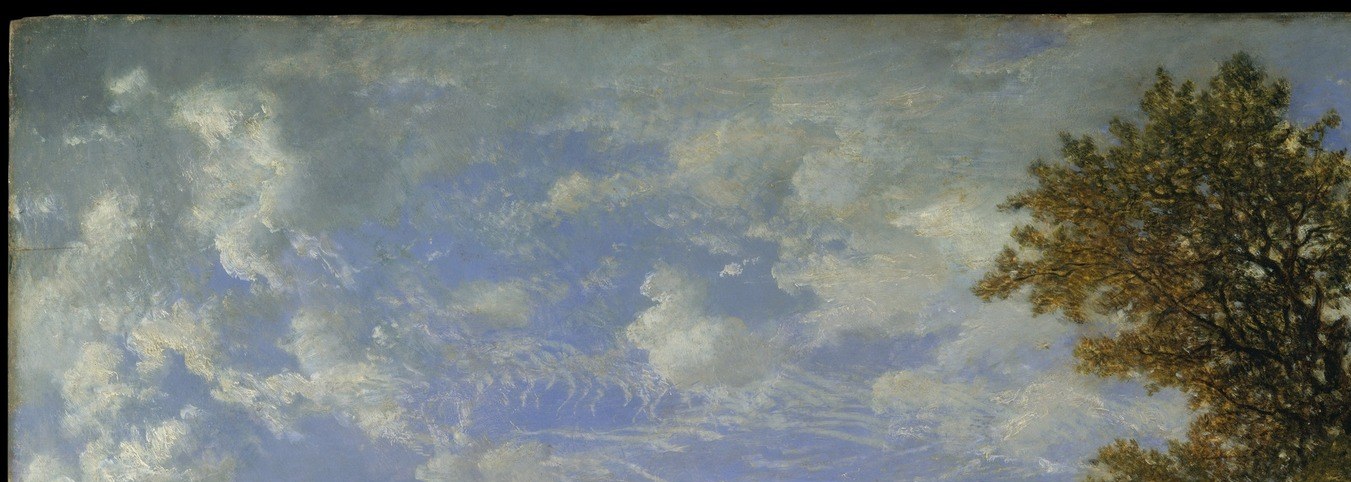
Look at the great central oak. Rousseau treats it like a portrait sitter, its roots, its bark, its canopy all rendered with the same patient attention a court painter would give to silk or jewels. The tree is the hero. Around it, the forest closes in like a fortress wall, making the luminous clearing in the middle ground feel urgently precious.
The Barbizon School operated from the forest itself, painting on-site in a practice that was still radical for its time. But the Fontainebleau they loved was being sold off to logging contracts. Rousseau and his allies fought back, pressuring the French government, and eventually winning protection for parts of the forest as a nature reserve, one of the earliest such protections in the world.
A quietly furious painting. One oak, standing in for millions.
Details
Transcript
A painting can be an act of protest. This is Fontainebleau Forest, 1852. This great oak is the hero of the picture. Rousseau painted it as a sacred presence. Logging companies were already clearing these woods. The forest closes like a wall, there is no way out. The sunlit clearing glows. Something is about to be lost.