The Taking of Christ by Caravaggio
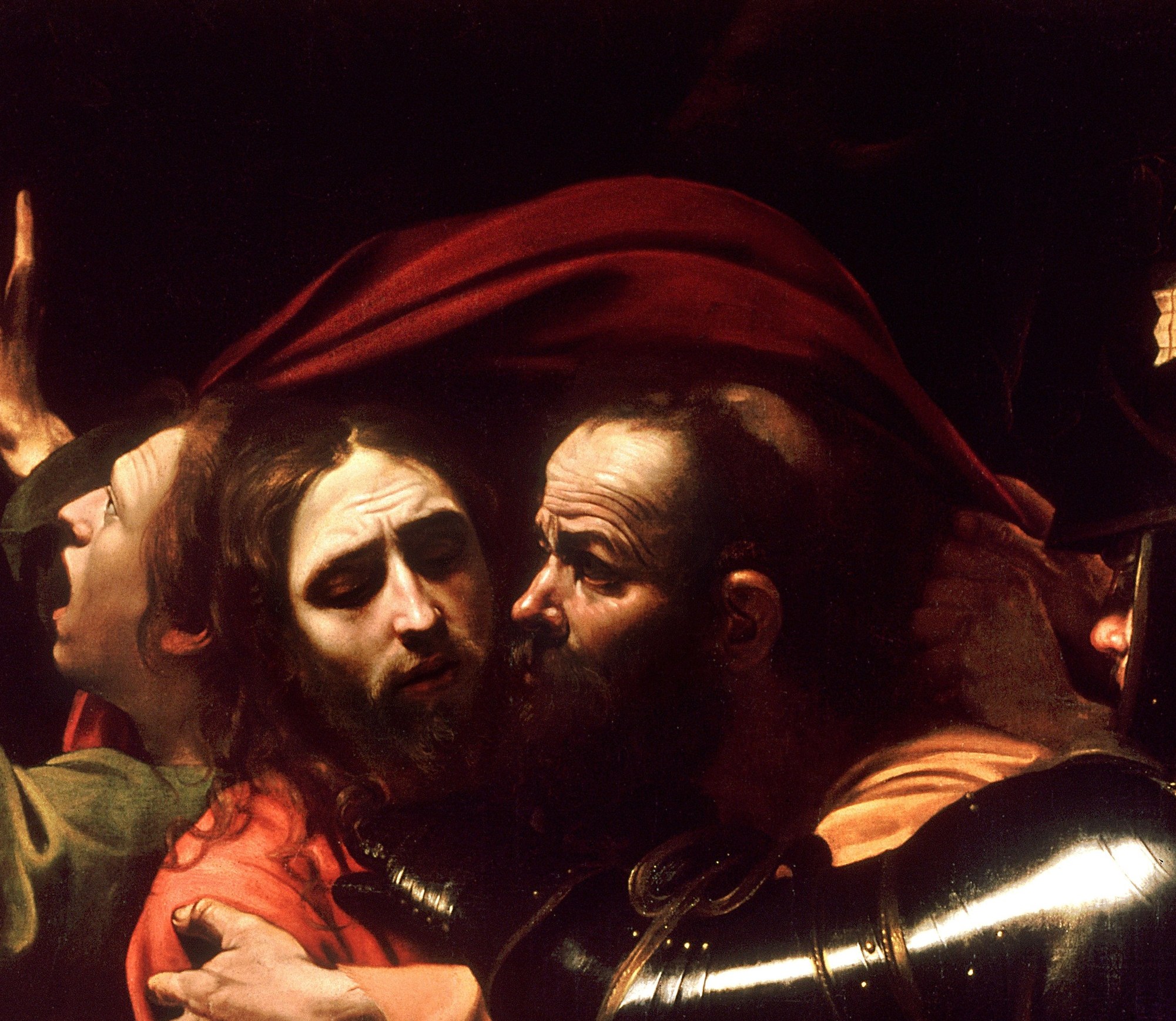
The Taking of Christ by Caravaggio (c. 1602) was lost for over three centuries. Rediscovered in a Dublin Jesuit residence in 1990, it now hangs in the National Gallery of Ireland. Caravaggio painted without drawings, working straight from live models onto canvas.
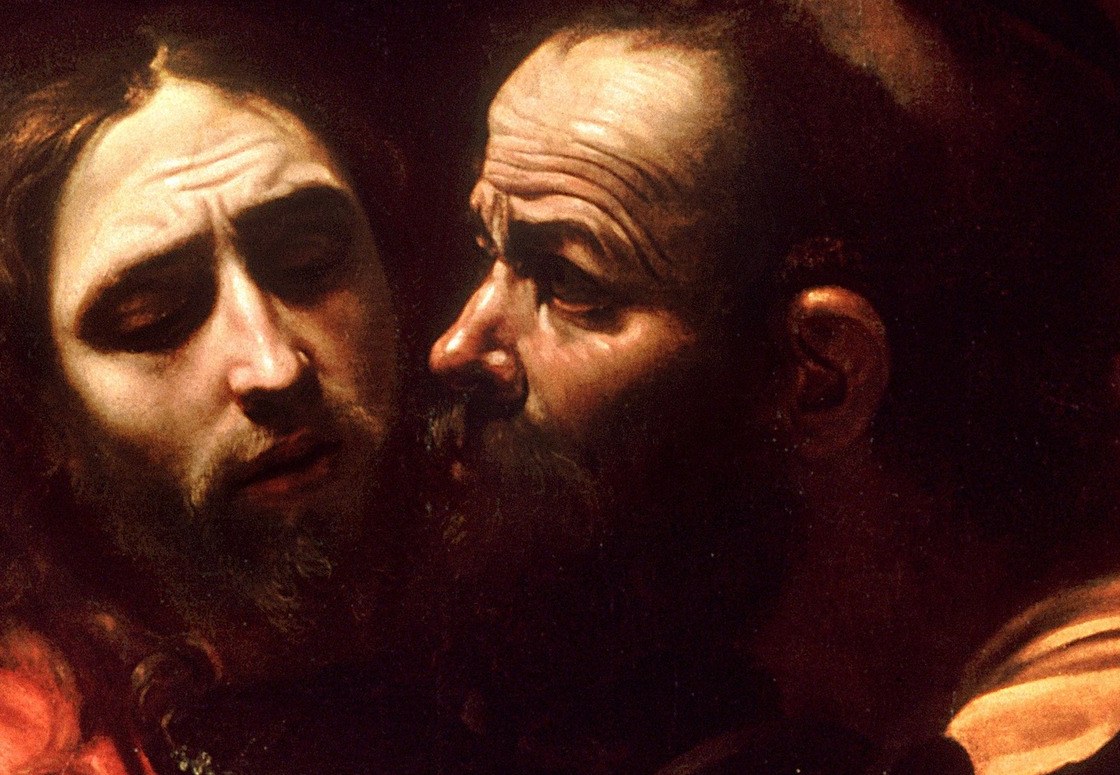
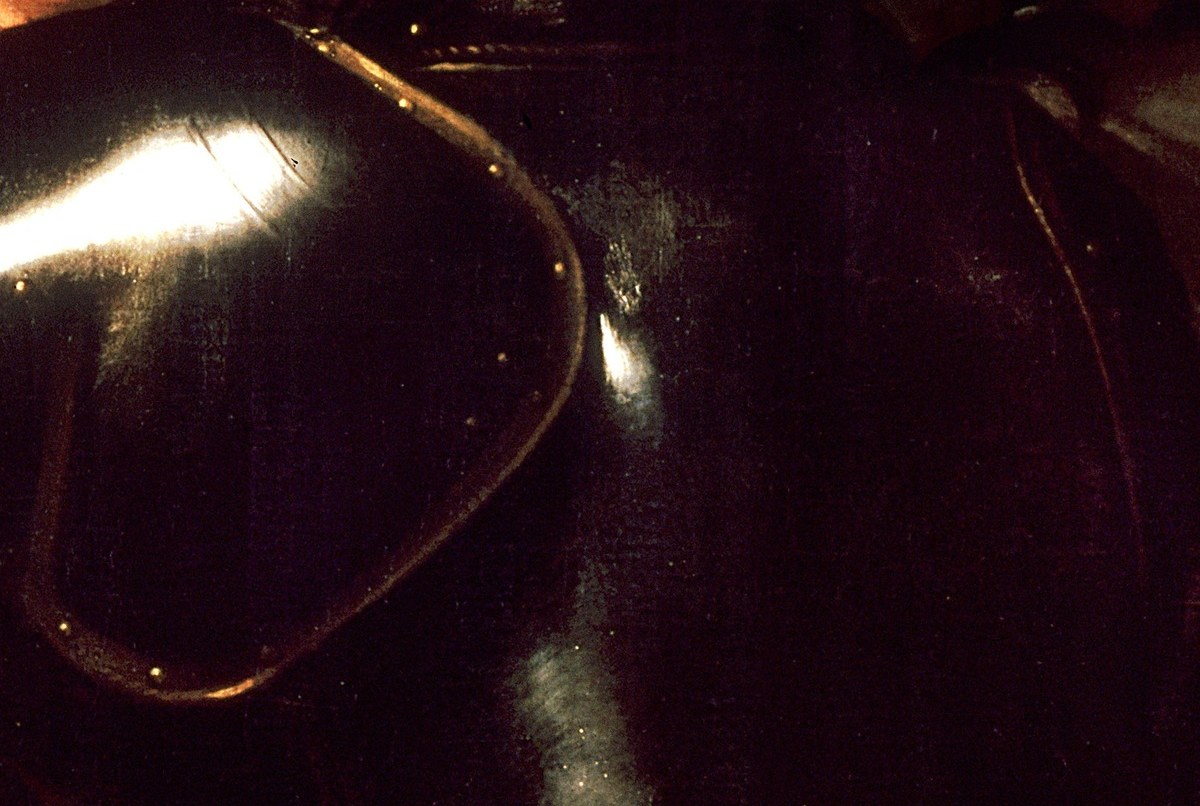
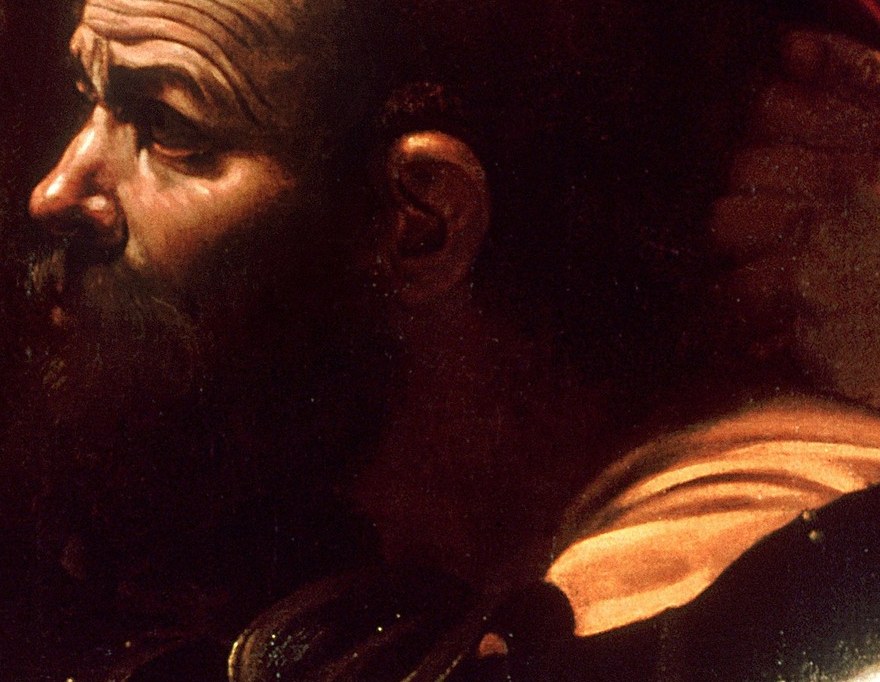
He lit the entire scene from one source, darkness swallowing everything outside the lantern's reach, a technique called tenebrism. Jesus, painted from a real model, sits at the center of the light. The red robe glows. The soldier's helmet, just a few strokes of white and gray, becomes polished steel.
Caravaggio painted this around 1602, during his turbulent Roman years. He died at thirty-eight in 1610, and the painting vanished for three centuries. Today the lantern still works. Stand in front of it and the painted light feels like the only light in the room. How did he make paint hold light for four hundred years?
Details
Transcript
He painted from life. No drawings. Straight onto the canvas. One light source. He let the rest fall to black. This face was a real person holding the pose. The red robe glows where the lantern hits it. The helmet. A few strokes of white make polished steel.