Untitled by After Li Cheng
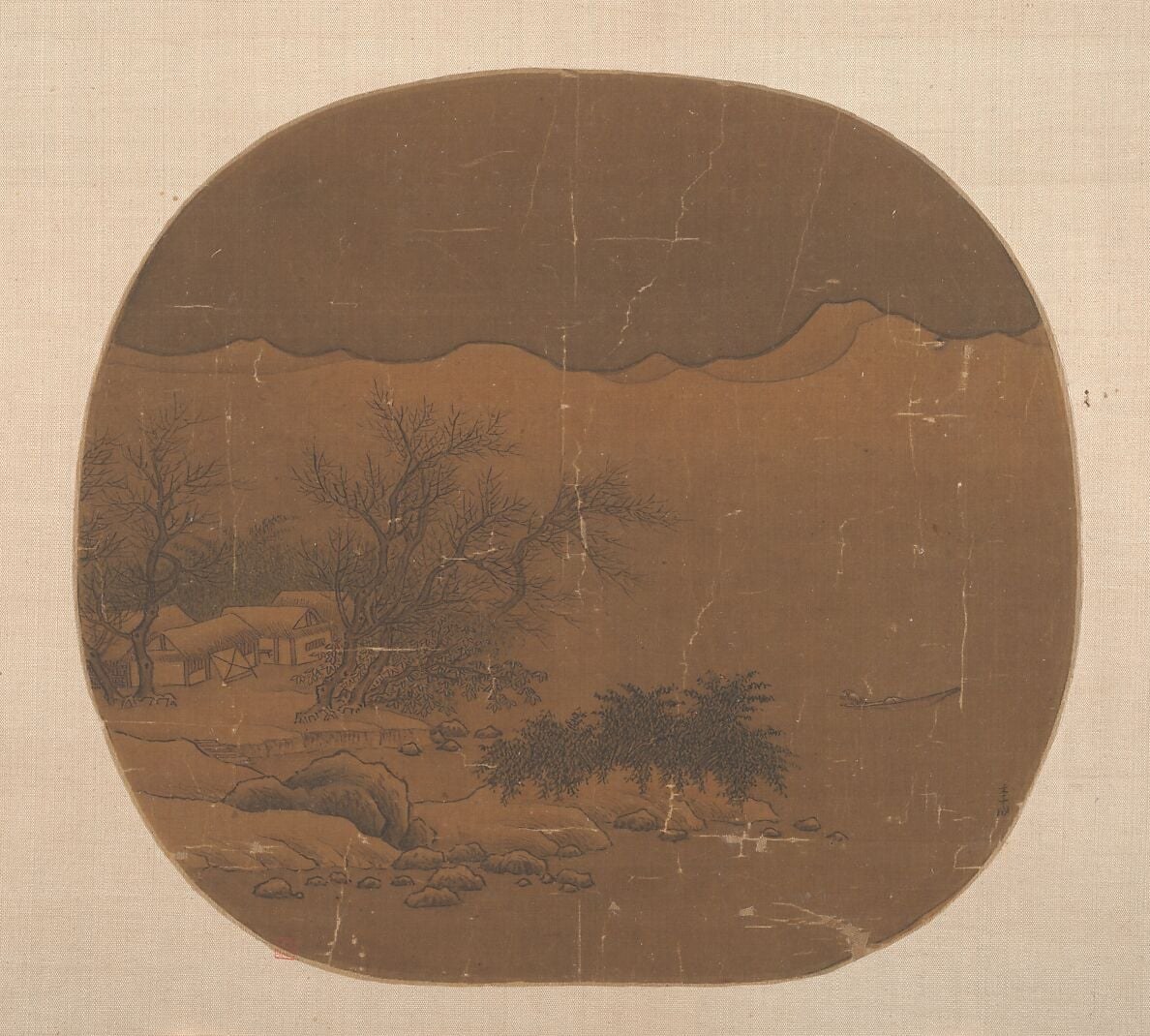
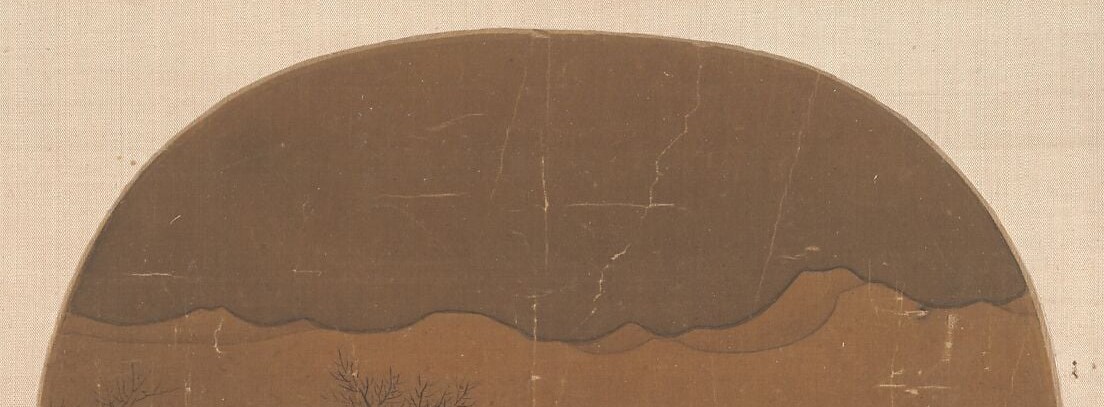
This is an untitled fan painting from 1639, attributed to 'After Li Cheng.' It lives in an album now, and the single most radical thing about it is what the painter chose not to do: paint the water.
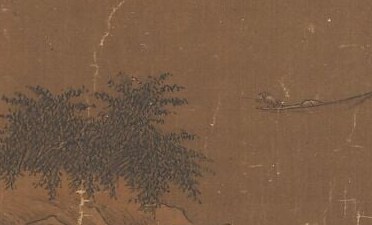
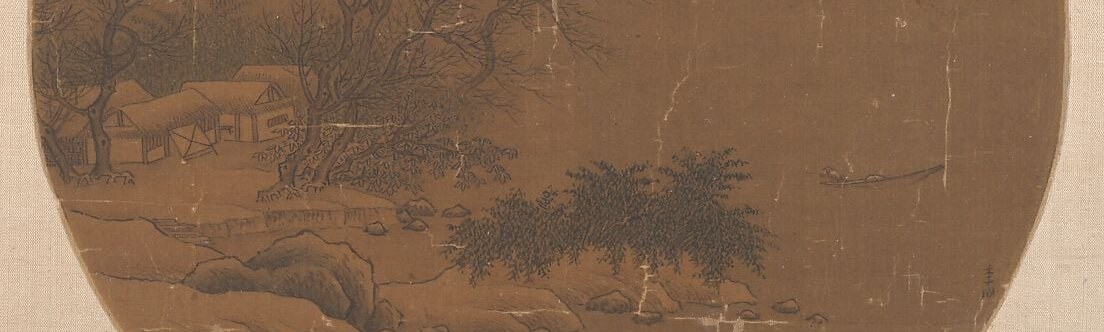
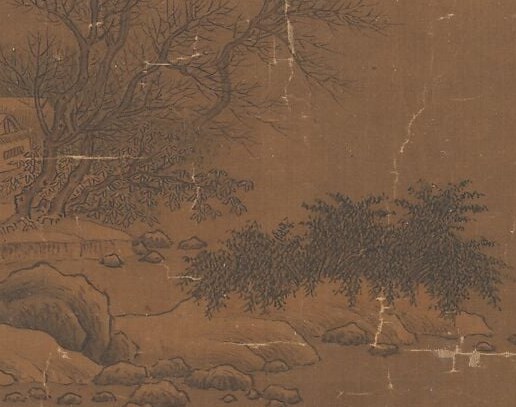
Look at the lake. The silk surface is almost entirely bare. No blue, no ripples, no whitecaps. A few thin ink lines for the boat and its reflection, and then nothing. The still water is an absence, and it works because everything around it, the inked rocks, the wooded shore, the misty hills, has been described with deliberate, calligraphic strokes. The eye fills the emptiness.
In the Northern Song dynasty, Li Cheng became famous for precisely this kind of restraint: using the unpainted ground as atmosphere, distance, and surface. This 1639 fan was made centuries after his death, by an unknown hand working in his manner. The attribution 'After Li Cheng' is a way of saying the painter is channeling a lineage, not claiming originality.
Next time you see a painted surface, notice what isn't there. Sometimes the most sophisticated technique is knowing when to stop.
Details
Transcript
A lake, hills, a boat. Ink on silk, 1639. A few ink strokes for a fishing boat. Now look at the water. There is no paint on the water. None. The silk itself does all the work. He painted the shore, the hills, the reflection. And left the lake completely empty.