The Gardener Vallier by Cezanne, Paul
Paul Cézanne, nearing the end of his life, captured the humble dignity of his gardener, Vallier, in this 1906 portrait, "The Gardener Vallier." This powerful work, held in a private collection, is one of Cézanne's final paintings.
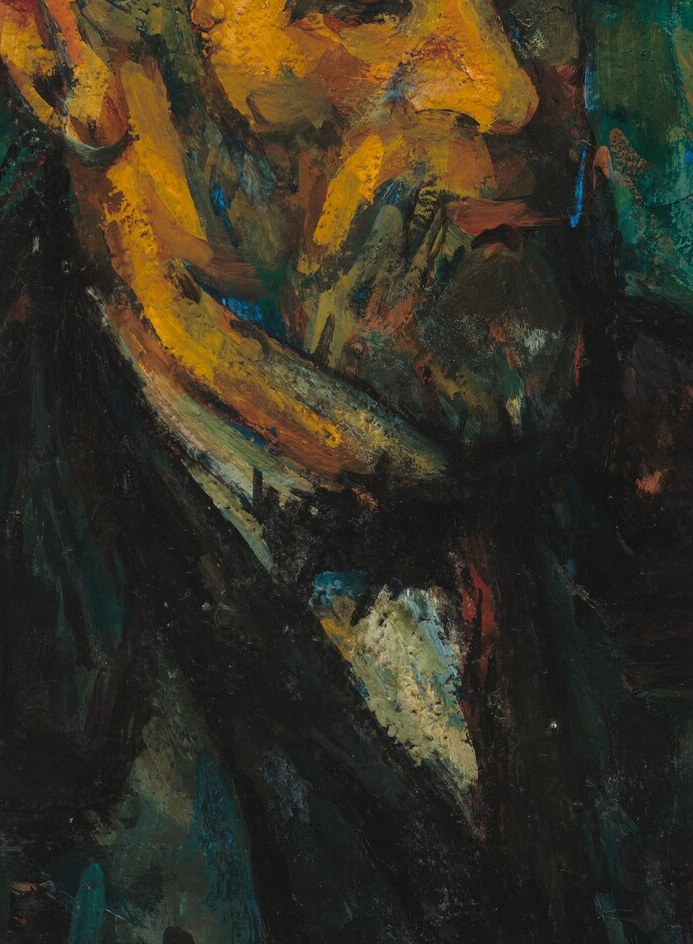
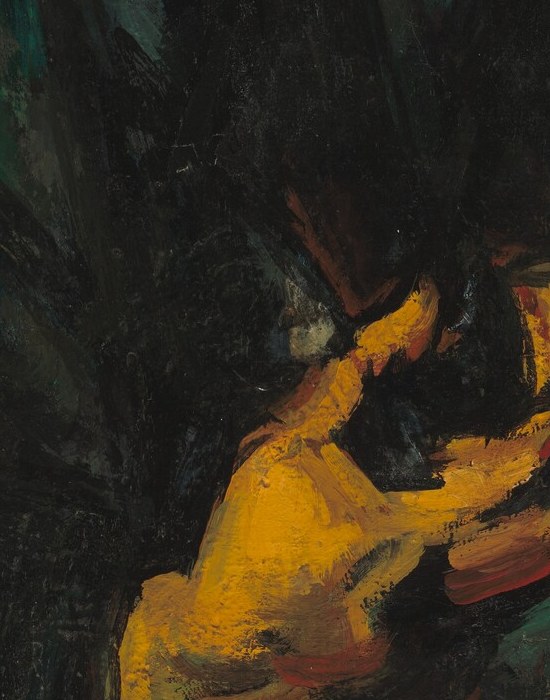
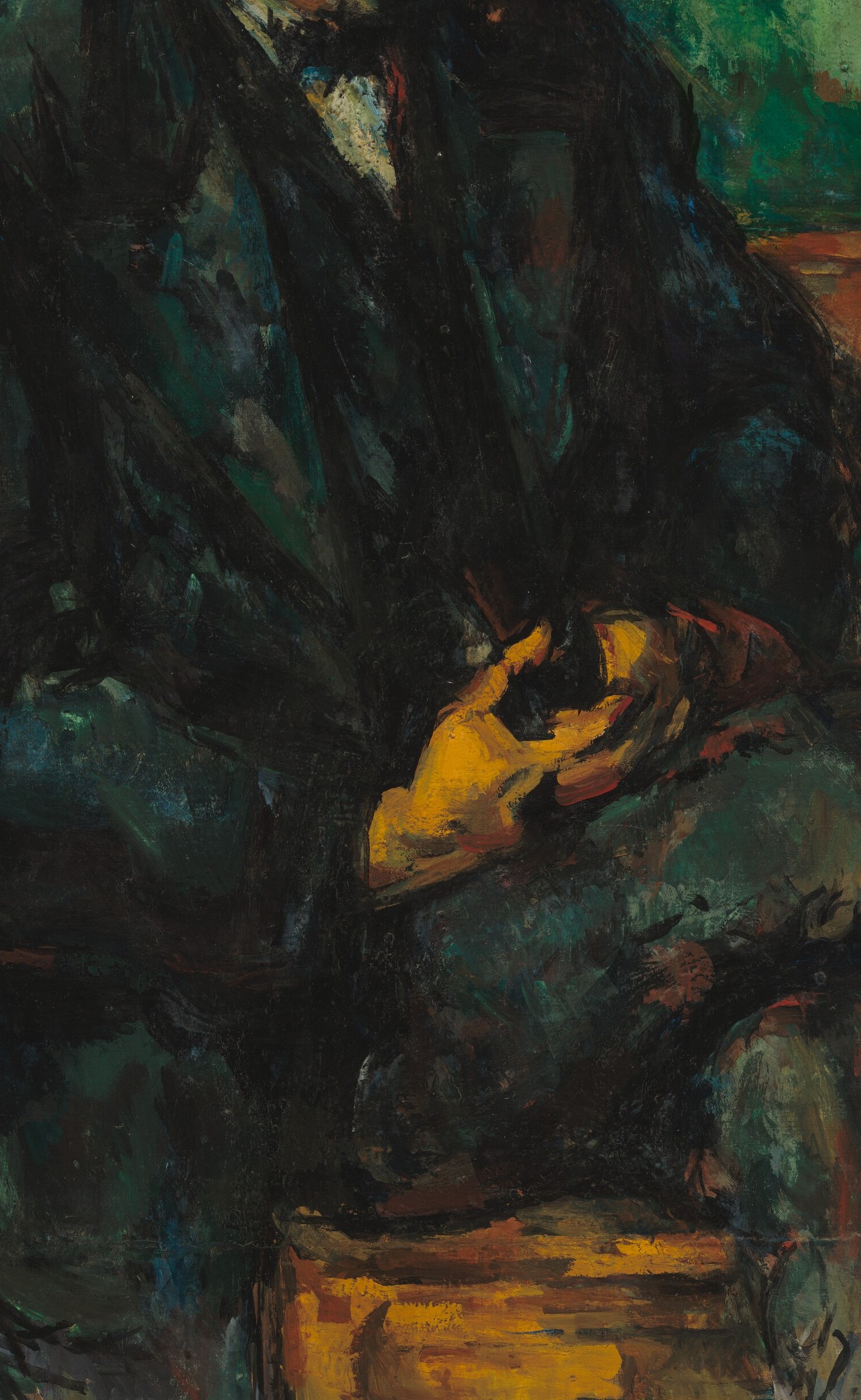
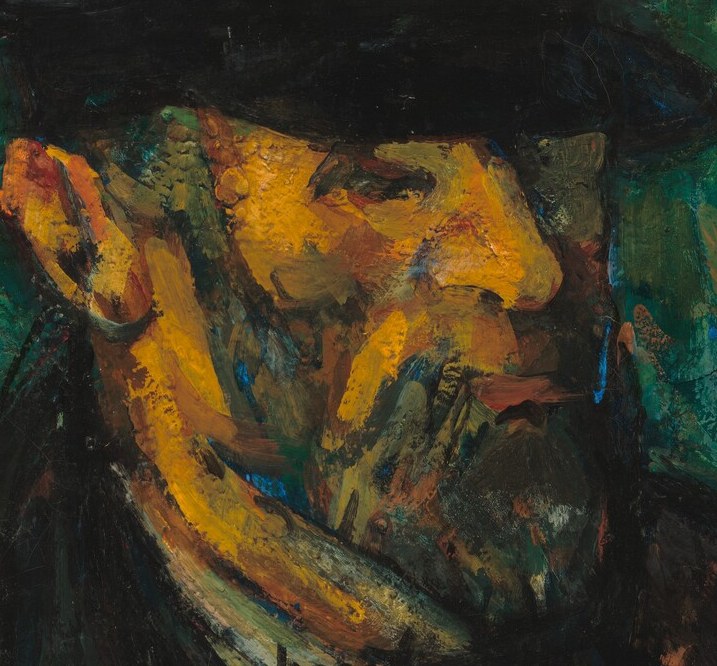
Observe Vallier's face and hands, rendered with thick, expressive brushstrokes that emphasize his character and quiet contemplation. The abstract green background suggests his connection to the garden, while the sturdy wooden chair grounds his figure.
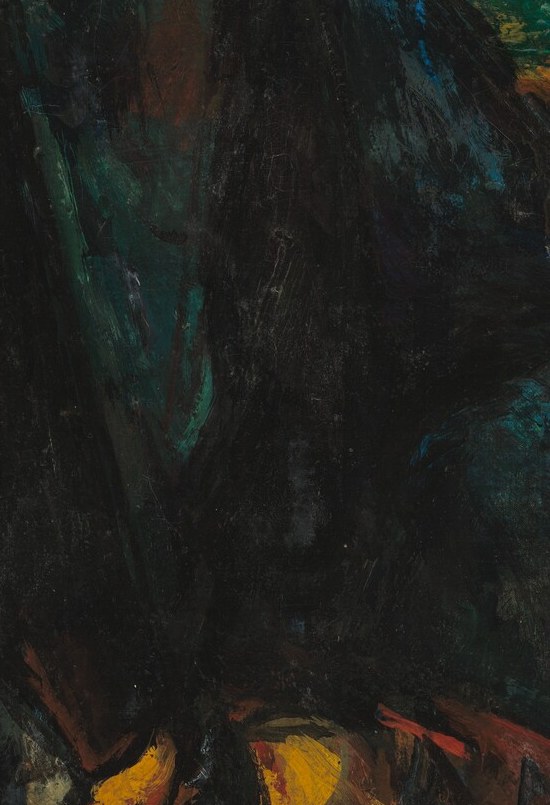
Cézanne employed his distinctive 'constructive strokes' to build form and volume, transforming an ordinary man into a monumental presence. This painting reflects his lifelong exploration of structure and color, bridging observation with abstraction.
What do you see in Vallier's expression?
Details
Transcript
This man, Vallier, worked as a gardener. He was one of the last models this painter ever used. Look closely at his weathered face, full of character. His hands are folded, a gesture of quiet contemplation. Every brushstroke builds his form, a monumental presence. A simple gardener, given a painter's deepest respect.