High Point: Shandaken Mountains by Asher Brown Durand
View the artwork: High Point: Shandaken Mountains →
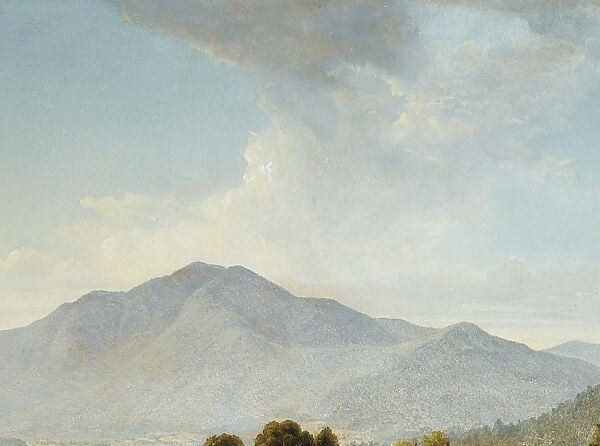
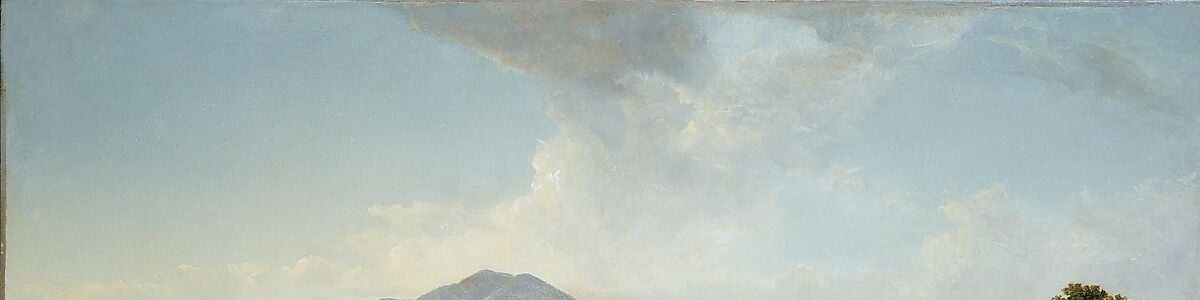
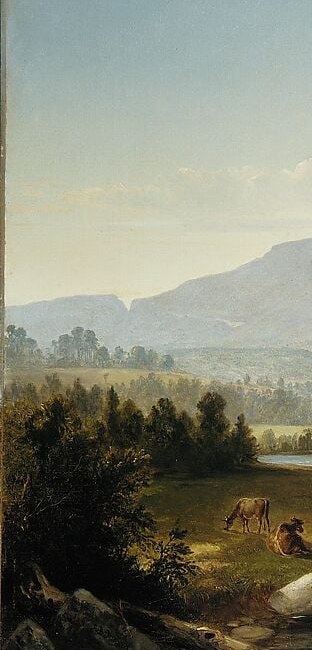
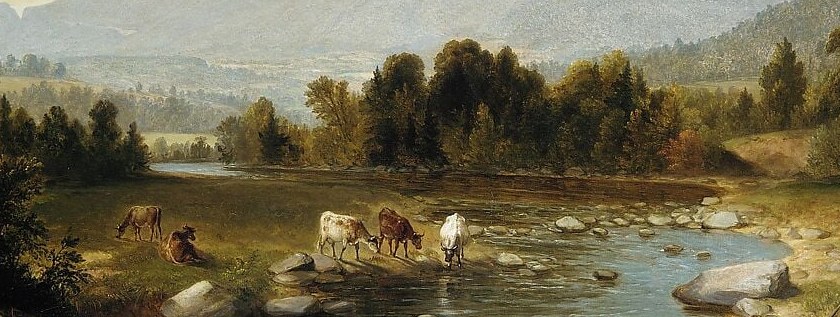
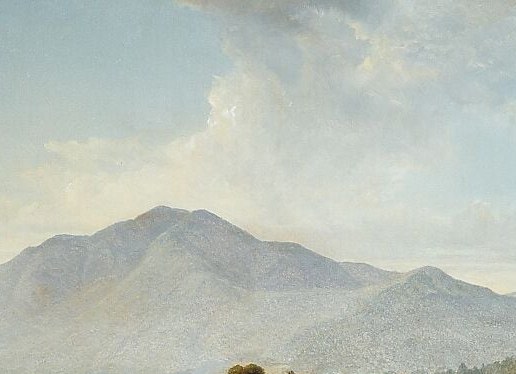
Asher Brown Durand's "High Point: Shandaken Mountains" (1853) holds a secret hiding right on the surface of the water. This serene Catskills vista, now at the Metropolitan Museum of Art, looks at first like a pure celebration of the American wilderness. But the real magic is in the stream itself.
Pause on the bright sky reflection rippling across the foreground. The tonal control is so precise it feels carved rather than painted. Look at how each flicker of light holds its exact place on the moving water. That is not just observation. That is decades of muscle memory from another life.
Before he became a defining voice of the Hudson River School, Durand spent his early career as a professional engraver. He carved images into metal plates for books, banknotes, and even early United States postage stamps. When he switched to oil painting around 1830, he brought the engraver's discipline with him: every brushstroke landing with the same deliberate, tonal exactness of a burin on copper.
This painting debuted at the National Academy of Design in New York in 1853 and entered the Met in 1877. For all its sweeping, peaceful grandeur, it rewards the closest possible look. The foreground grass tufts and the water surface carry a micro-passage of skill most visitors walk right past.
Next time you stand before a quiet landscape, look at the water. Sometimes the painter's whole life story is right there on the surface.
#arthistory #hudsonriverschool #asherbrowndurand
Details
Transcript
A gentle mountain, a quiet stream, a couple fishing. It was 1853. Urban America was already exhausting. This painter offered an escape into a benevolent wilderness. He started his career not with a brush, but a burin. For decades he engraved banknotes. Postage stamps. Now look at the water. Not the mountain. The stream. That impossible precision is the engraver's hand, still carving. A whole philosophy of light, hiding on the surface of a creek.