Artwork
High Point: Shandaken Mountains
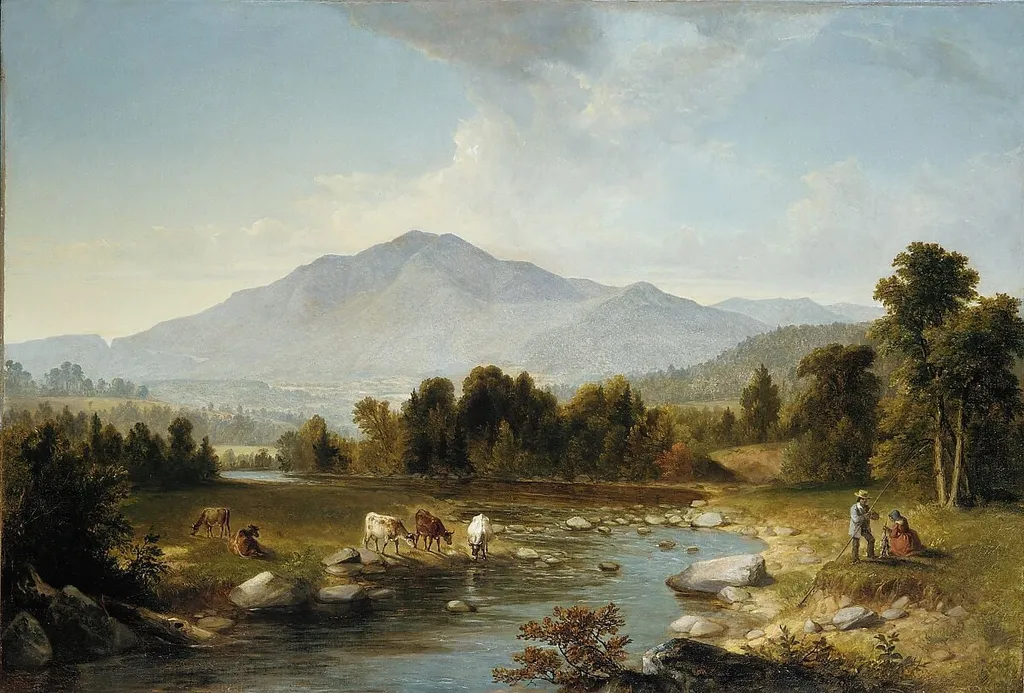
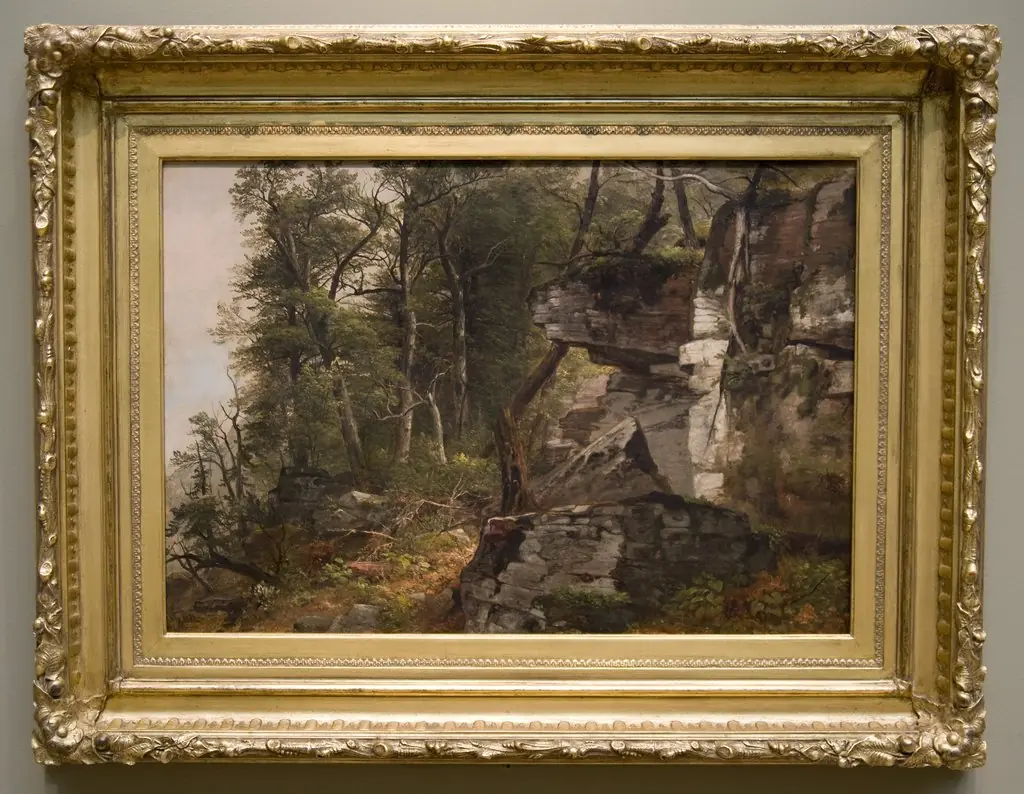
High Point: Shandaken Mountains is an oil painting by the Hudson River School artist Asher Brown Durand. It dates from 1853 and is held in the collection of the Metropolitan Museum of Art.
- Accession no.
- 77.3.1
- Credit line
- Bequest of Sarah Ann Ludlum, 1877
About this work
In summer 1853 Asher Brown Durand set up his easel near Olive, New York, in the Shandaken Valley, returning to sketches of a nearby Catskill summit he had drawn six years earlier. Shown that year at the National Academy of Design, the canvas sets two anglers beside a quiet stream, their small figures absorbed into a forest he renders leaf by leaf in true Hudson River School fashion.
Overview
Asher Brown Durand's "High Point: Shandaken Mountains," painted in 1853, exemplifies the pastoral sensibility of the Hudson River School.
Asher Brown Durand's "High Point: Shandaken Mountains," painted in 1853, exemplifies the pastoral sensibility of the Hudson River School. This oil on canvas depicts a tranquil scene in the Catskill Mountains, featuring a sun-dappled forest and a quiet stream. The work showcases Durand's meticulous attention to natural detail and his ability to capture the subtle interplay of light and shadow, offering a serene vision of the American wilderness.
Subject & Meaning
The painting portrays a specific location near Olive, New York, where Durand spent time sketching. Rather than a grand, dramatic vista, the artist focuses on a gentle landscape. A solitary pair of anglers by the stream provides the sole human presence, symbolizing a harmonious connection with nature. This quiet contemplation resonated with a growing urban audience, offering an idealized escape into the American countryside.
Technique & Style
Durand, initially an engraver, brought a precise observational practice to his painting. "High Point" reflects his method of working from on-site sketches, evident in the careful rendering of foliage and bark. He masterfully manipulates light and shadow to create depth and atmosphere, distinguishing this work from the more epic "historical landscapes" often associated with the Hudson River School. The composition emphasizes a serene, intimate view of nature.
History & Provenance
Created in 1853, "High Point: Shandaken Mountains" was first exhibited that same year at the National Academy of Design's annual show in New York City. The artist developed the composition from earlier sketches made in 1847 during his summers in the Shandaken Valley. The Metropolitan Museum of Art acquired the painting in 1877 as part of the bequest from Sarah Ann Ludlum, where it remains a significant example of Durand's oeuvre.
Legacy
This painting stands as a key work for understanding Asher Brown Durand's contribution to mid-nineteenth-century American landscape art. It highlights his role in shaping the pastoral current within the Hudson River School, emphasizing detailed observation and a tranquil mood over dramatic spectacle. "High Point" demonstrates how Durand's deep engagement with specific natural sites translated into a distinctive and influential artistic vision.
Artist & collection
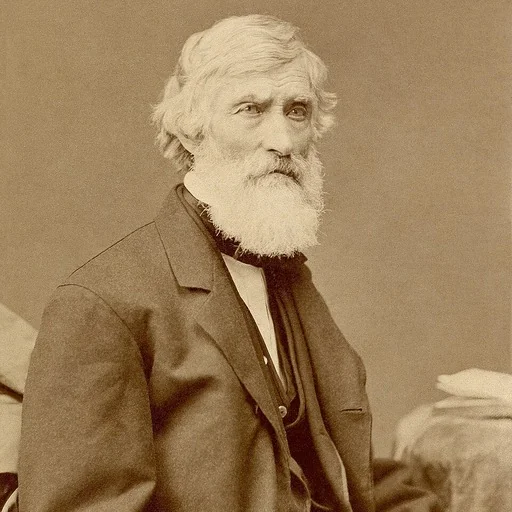
Artist
Asher Brown Durand spent his life in the rolling hills of New Jersey, where the forests and farmland shaped his quiet, deliberate way of seeing.

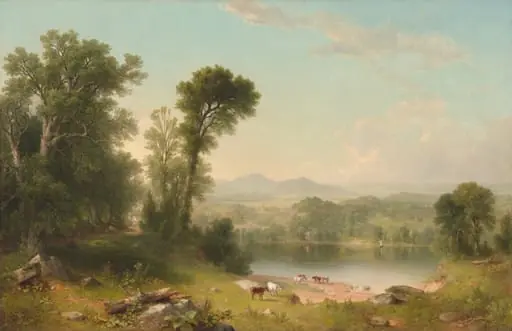
- Lakes and Mountains
 Landscape with Cows Watering in a Stream
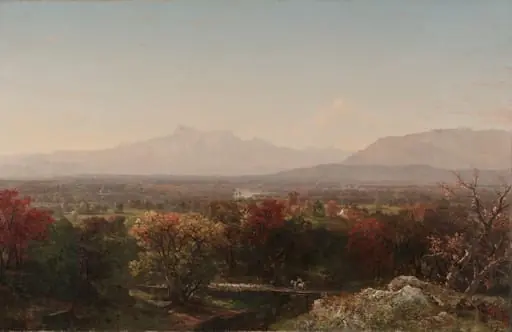 An October Day in the White Mountains
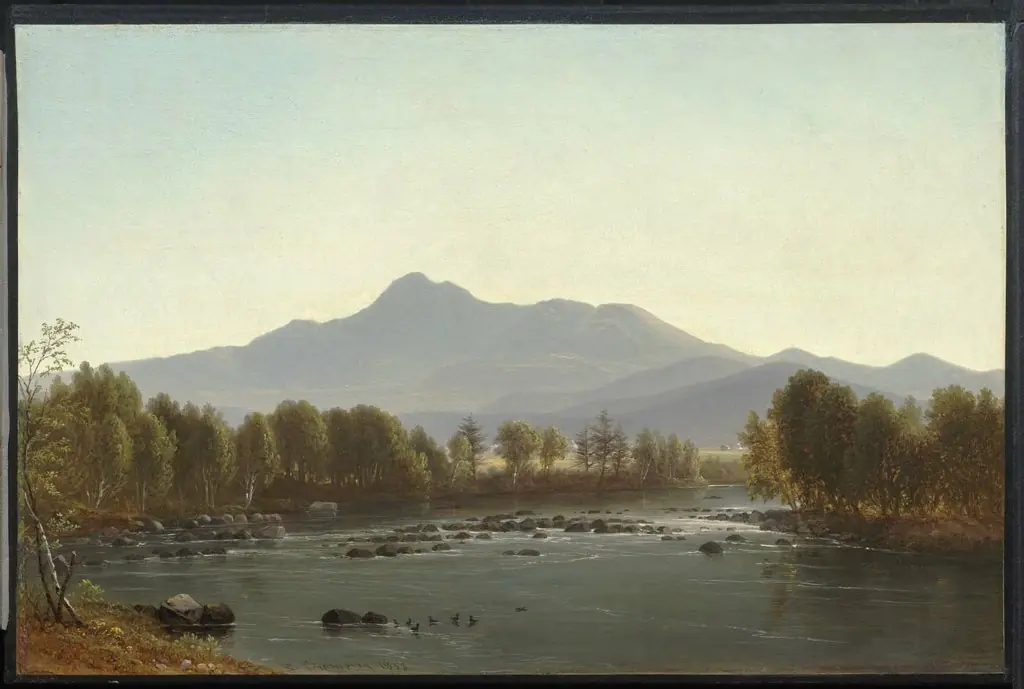 Mount Chocorua, New Hampshire
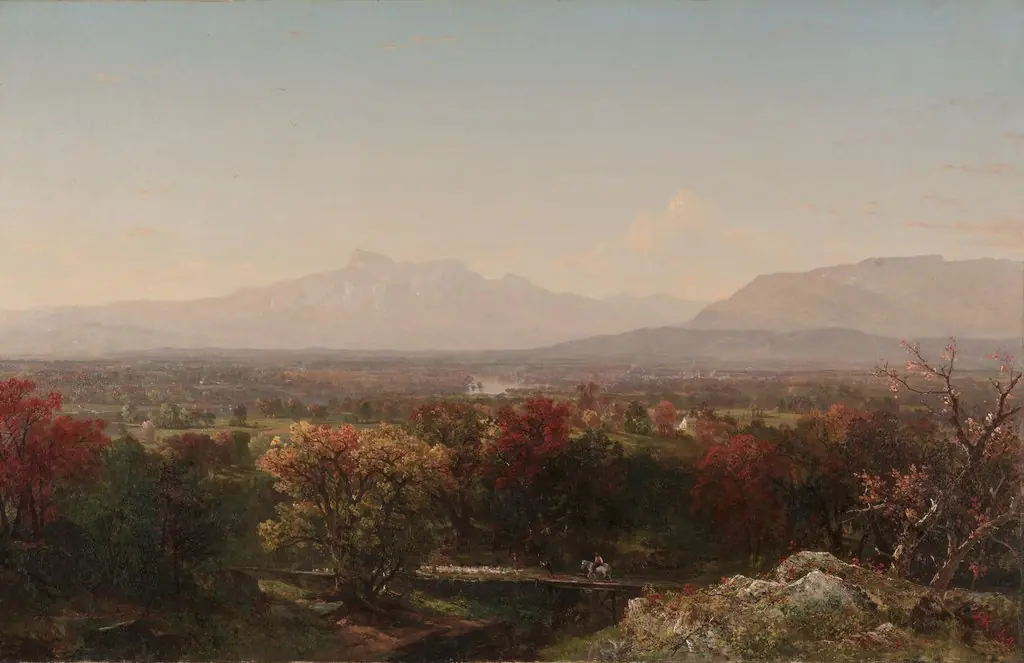 An October Day in the White Mountains
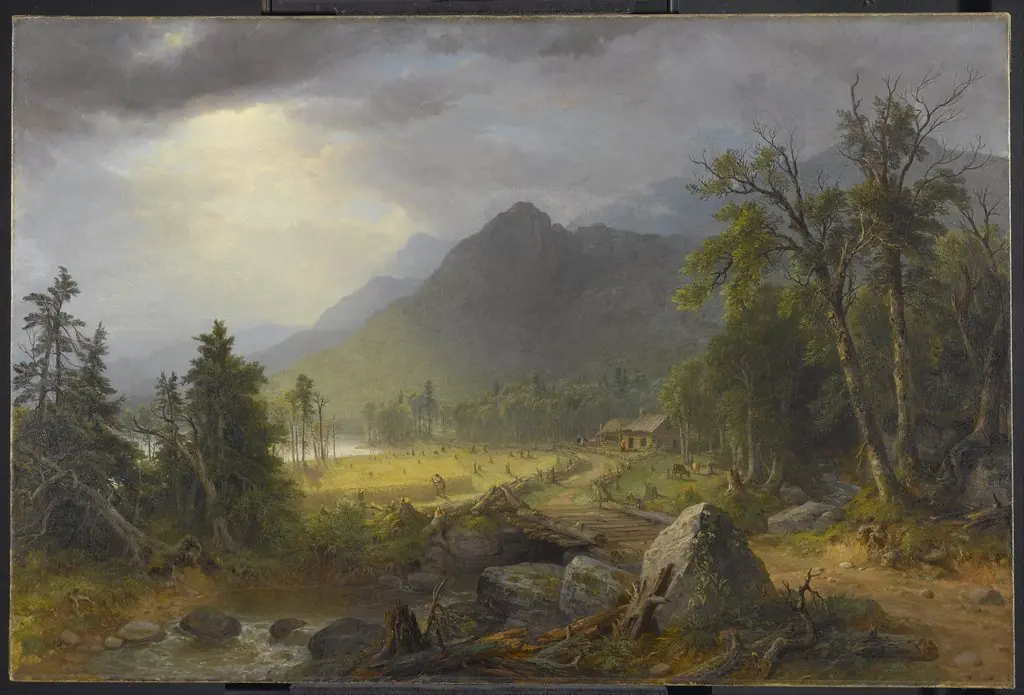 The First Harvest in the Wilderness
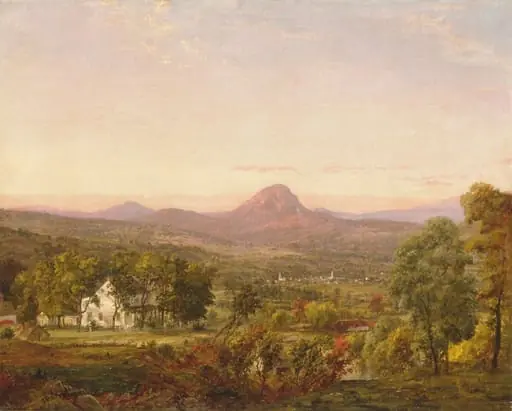 Autumn Landscape, Sugar Loaf Mountain, Orange County, New York
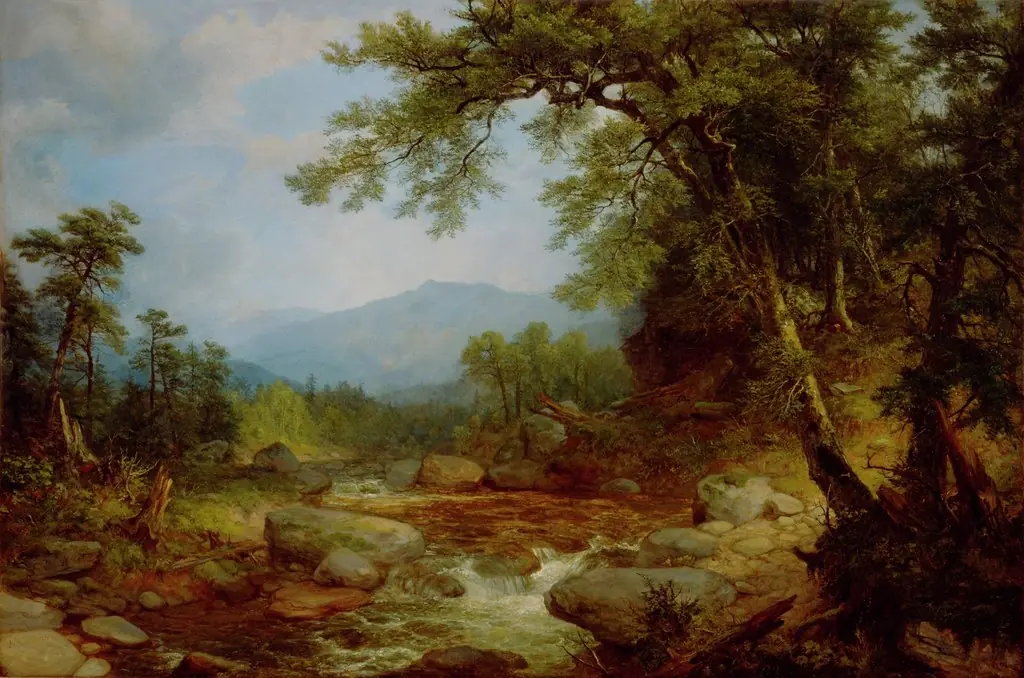 Monument Mountain, Berkshires
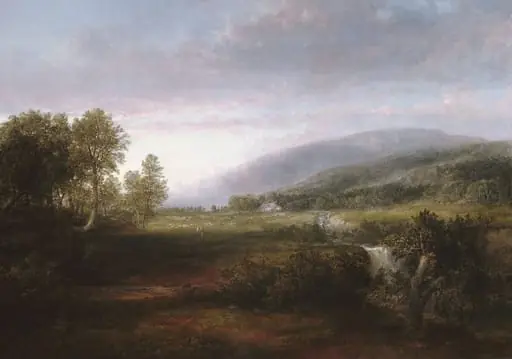 Spring Landscape
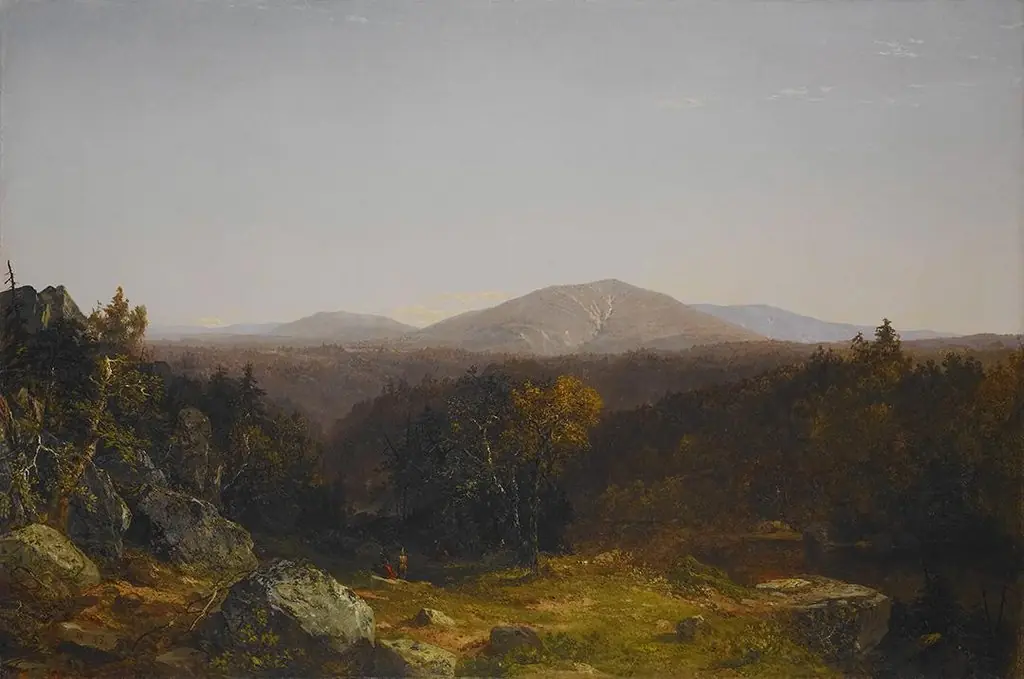 View of Mount Washington