Madame Marsollier and Her Daughter by Jean-Marc Nattier
View the artwork: Madame Marsollier and Her Daughter →
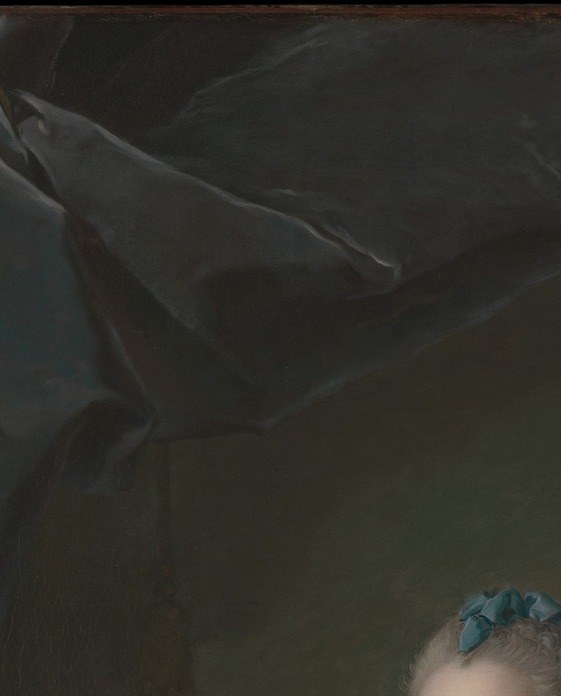
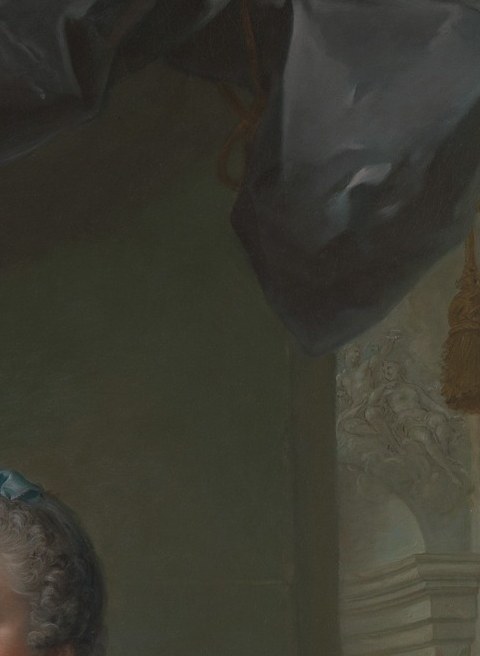
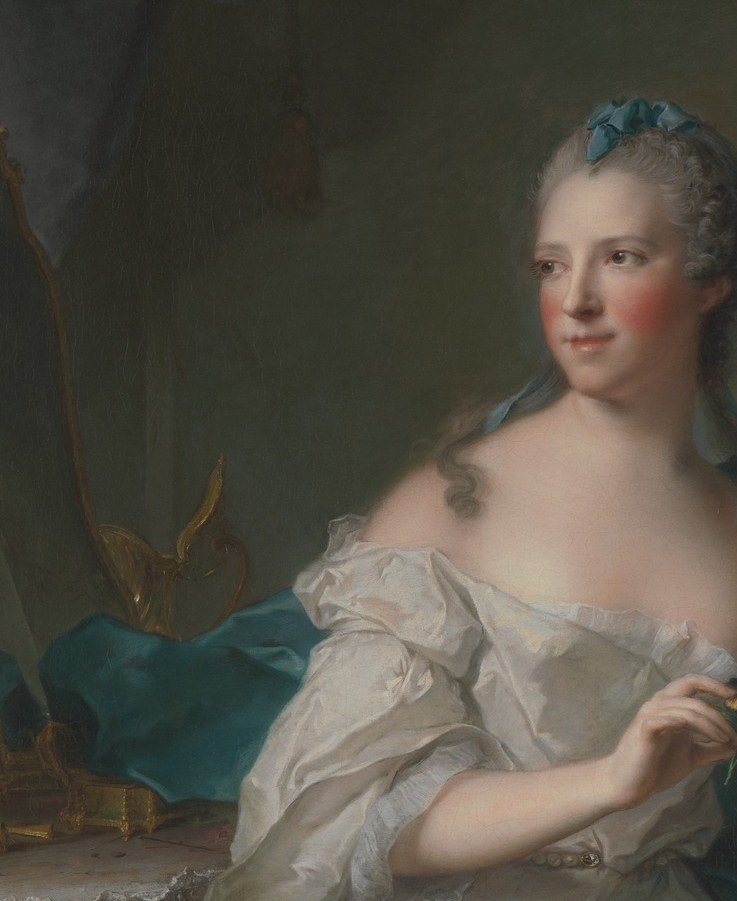
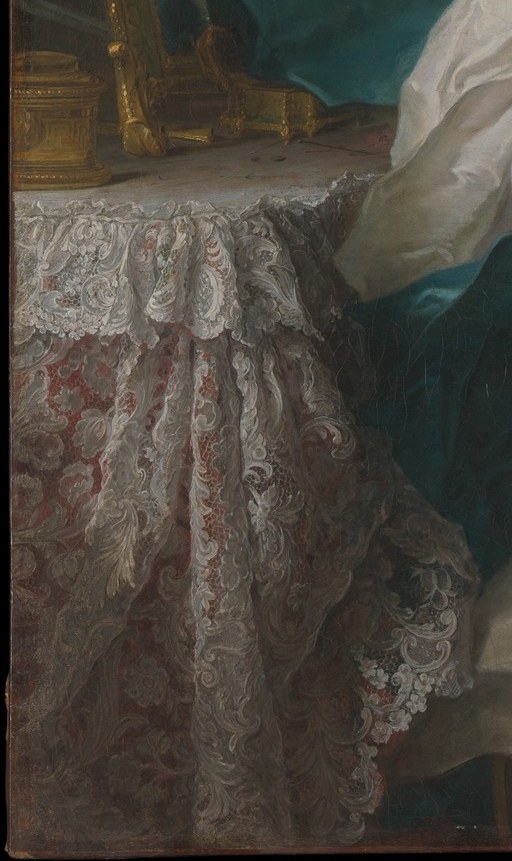
Jean-Marc Nattier's 'Madame Marsollier and Her Daughter' (1749) lives at the Metropolitan Museum of Art, and at first glance it delivers exactly what an 18th-century French court portrait should: silk, pearls, and porcelain skin.
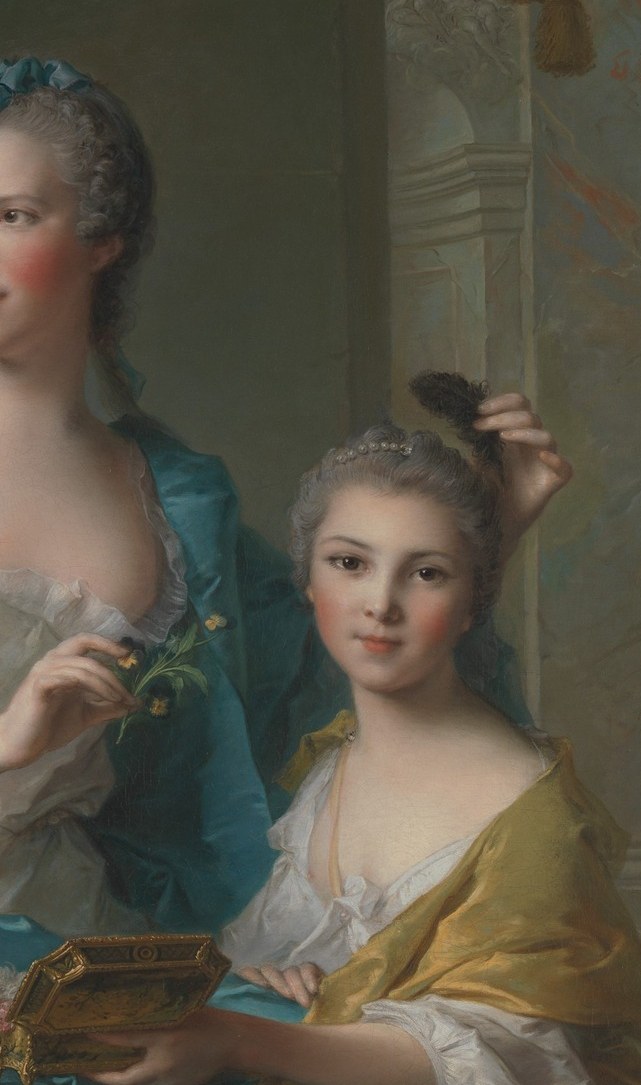
But look past the blue-gray bodice and the classical column. The painting's true subject is happening just behind Madame Marsollier's shoulder. Her young daughter, draped in a yellow shawl, is absorbed in the act of arranging her mother's hair. It is a gesture of service and affection that transforms a formal portrait into a document of domestic intimacy.
Nattier was Louis XV's go-to portraitist for the ladies of the court, famous for painting them as goddesses in mythological garb. Here, he sets the allegory aside. The small plant Madame Marsollier cradles likely stood for virtue or domesticity in the visual language of the time, but the daughter's concentrated expression and careful hands do the real work of the painting. They tell you what this household valued.
The hair-dressing ritual is one of 18th-century painting's most tender passages, a child's quiet focus holding its own against all that shimmering silk.
#arthistory #rococo #jeanmarcnattier
Details
Transcript
She looks ready for a royal audience. But the real story is behind her. Her daughter is quietly fixing her hair. Jean-Marc Nattier painted this in 1749. He was the favorite portraitist of Louis XV's court. His job was flattery. Silk that shimmered like water. But here, the pose is just a frame for a private moment. A small plant in her hand. A daughter's hands in her hair.