The Marquis d'Ossun by Van Loo, called César Van Loo, Jules César Denis
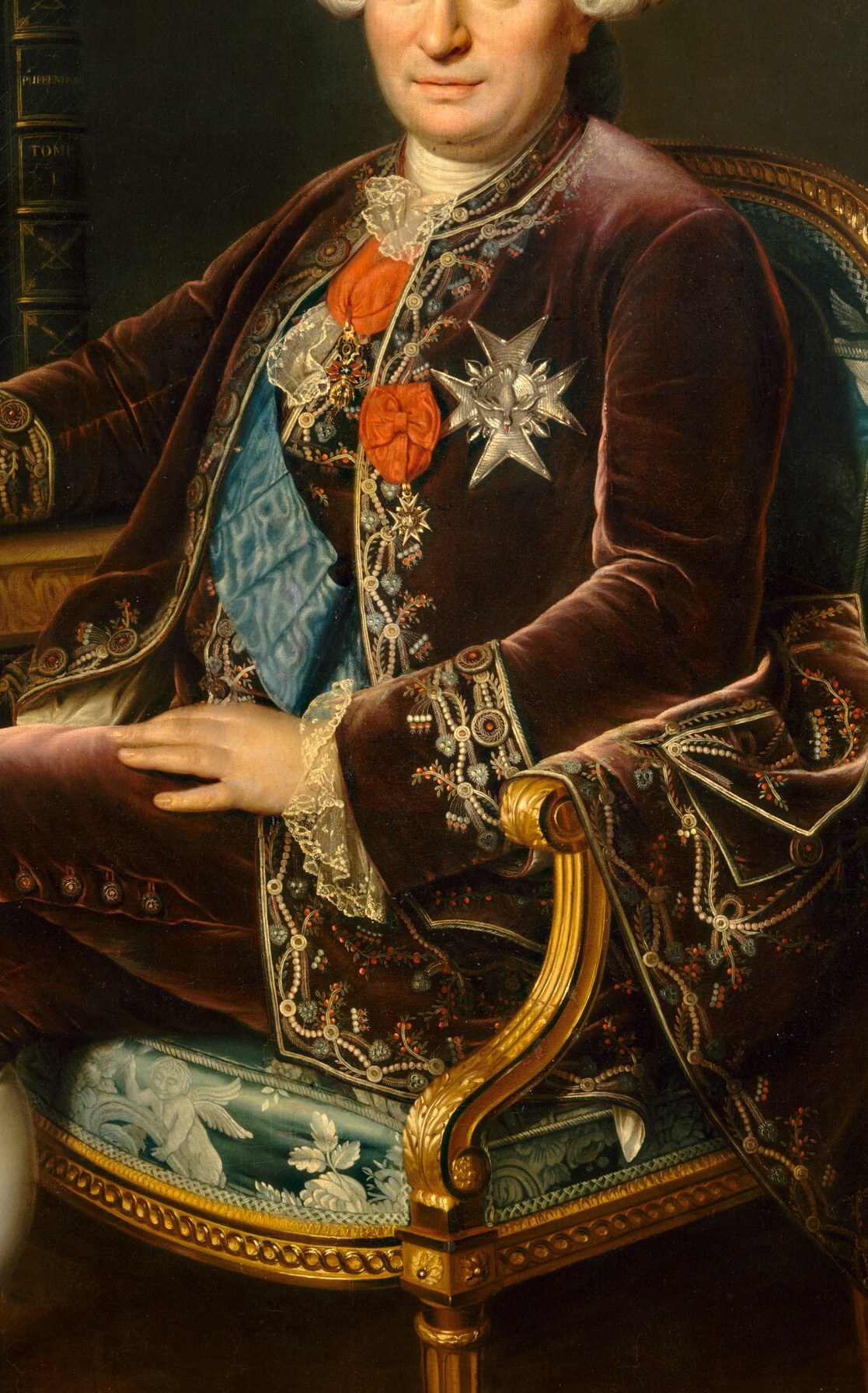
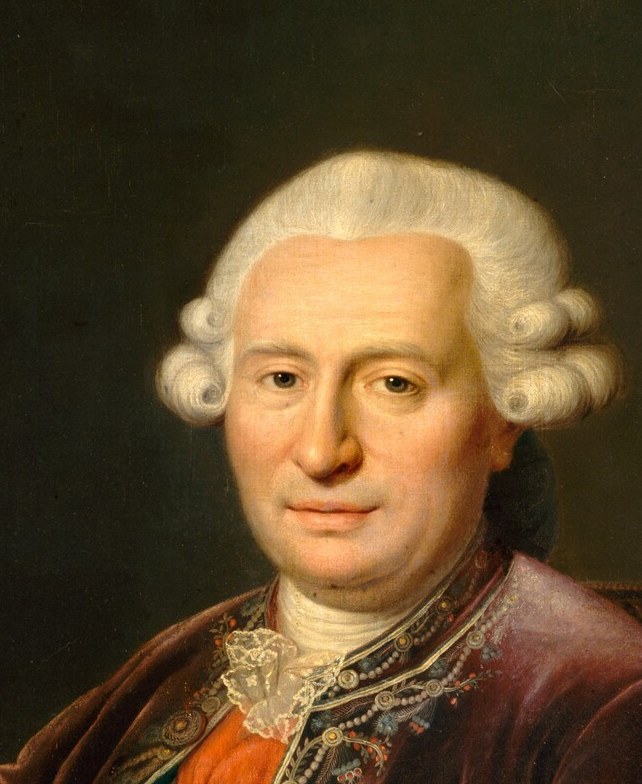
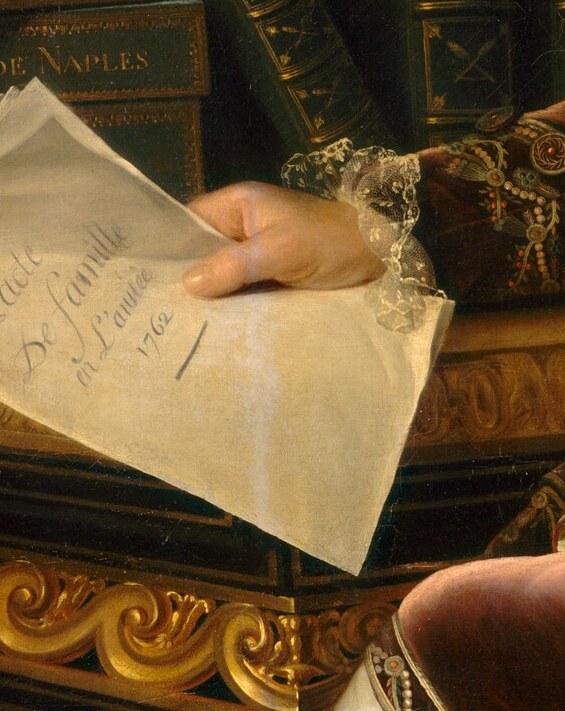
César Van Loo's "The Marquis d'Ossun," painted around 1780, showcases an extraordinary ability to render fabric and light in oil. This painting, part of an era when portraits conveyed both personal likeness and social standing, is a testament to the artist's technical skill.
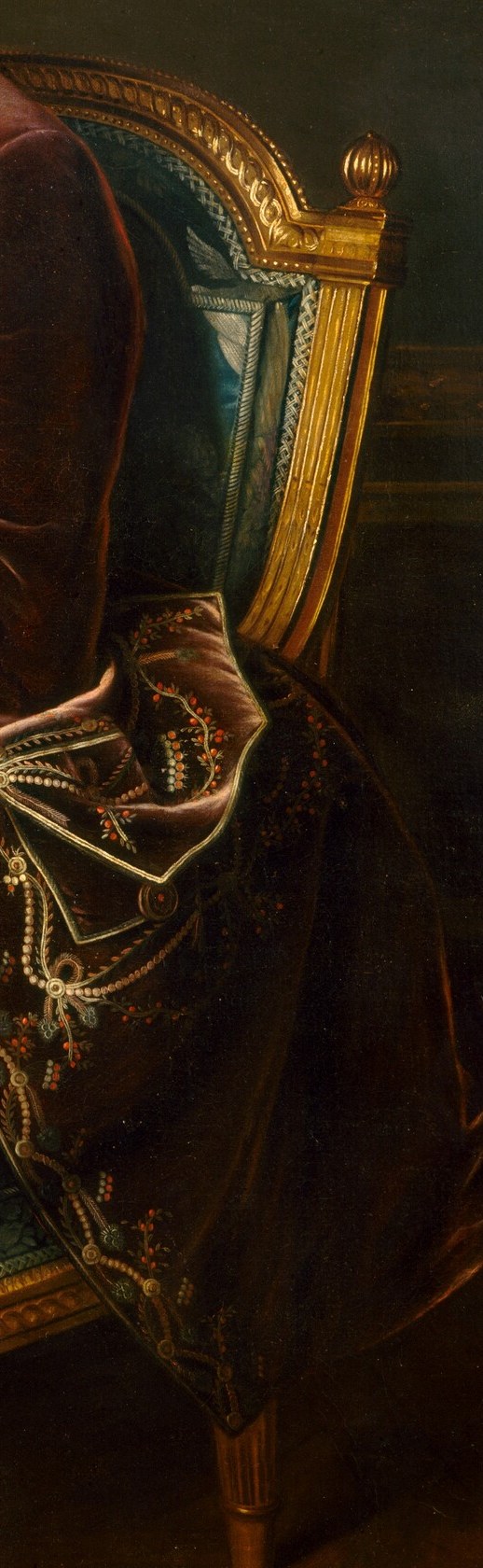
Observe the Marquis's opulent red velvet coat. Van Loo uses subtle gradations of light and shadow, a technique known as chiaroscuro, to give the fabric a tangible, three-dimensional quality. The way the light appears to catch the nap of the velvet is a stunning illusion, making the texture almost palpable.
Created near the end of the Ancien Régime, this portrait reflects the demands of French nobility for works that combined realistic detail with symbolic elements of culture and affluence. Van Loo’s masterful brushwork, particularly in the textiles and facial modeling, was highly sought after.
How does this play of light and shadow on the velvet make you feel about the Marquis's status?
Details
Transcript
This painter was a master of light and texture. Look at the deep red of his velvet coat. See how light catches the nap of the fabric. The folds of paint make the velvet look real. This effect, called chiaroscuro, creates drama. But the real trick is the way it shows richness.