George Washington by Stuart, Gilbert
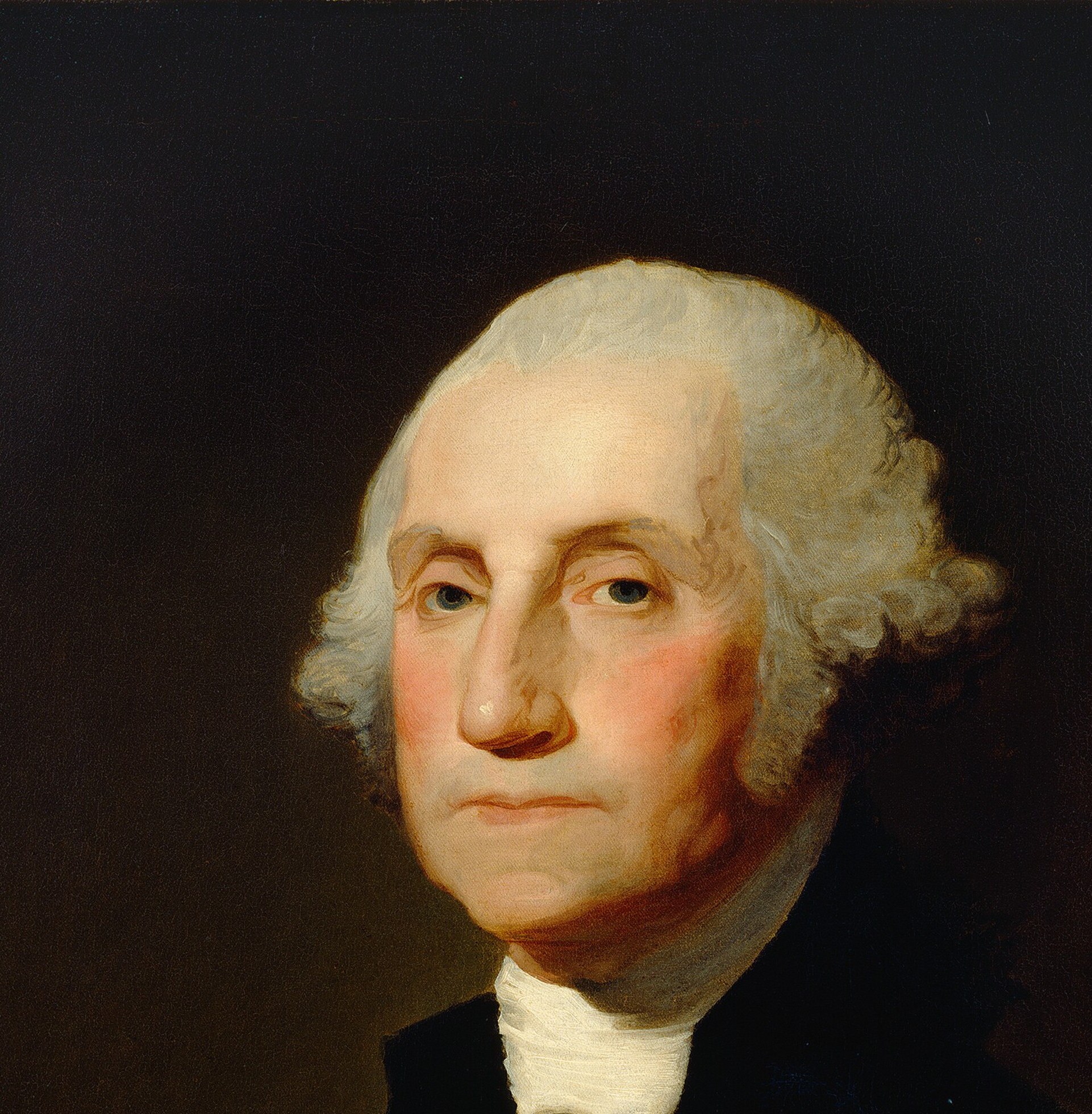
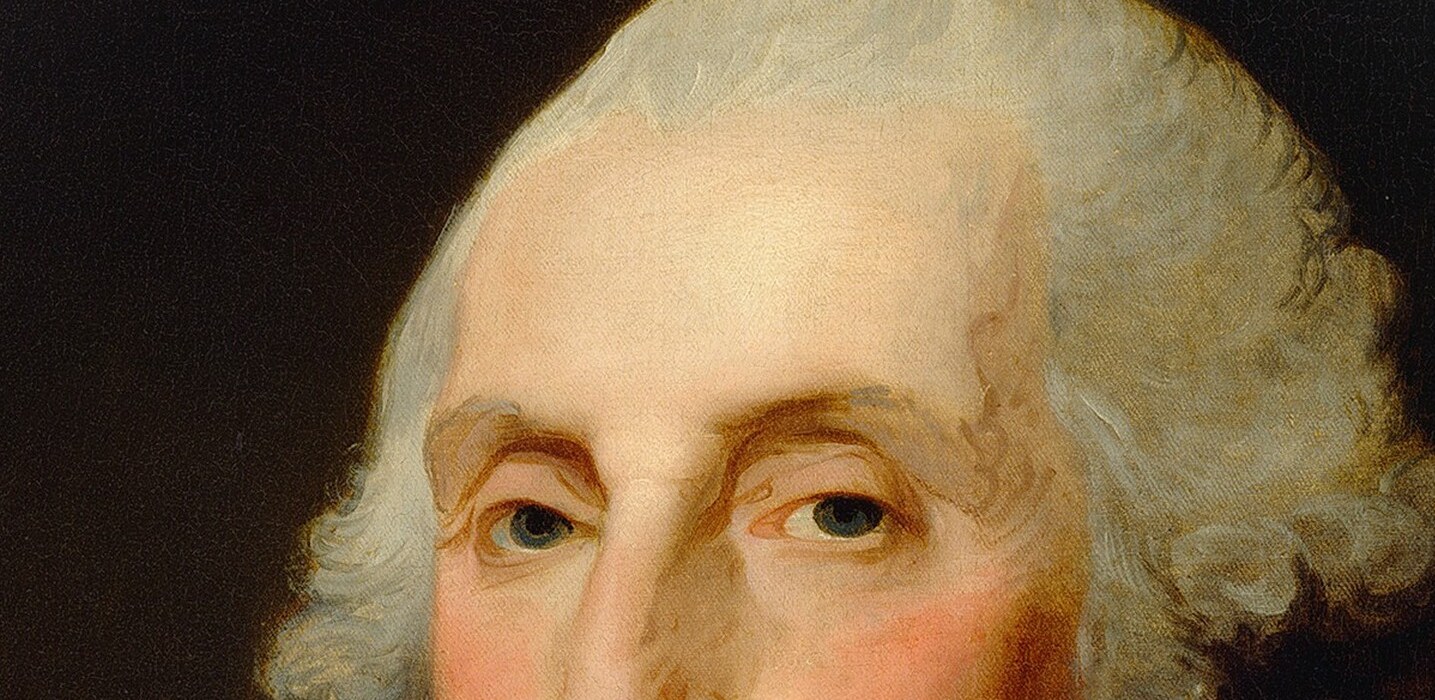
Gilbert Stuart painted this portrait of George Washington around 1804, long after the presidency had ended and the man had retired to Mount Vernon. But this is not a casual likeness of an old farmer. Every choice here is a coded political argument.
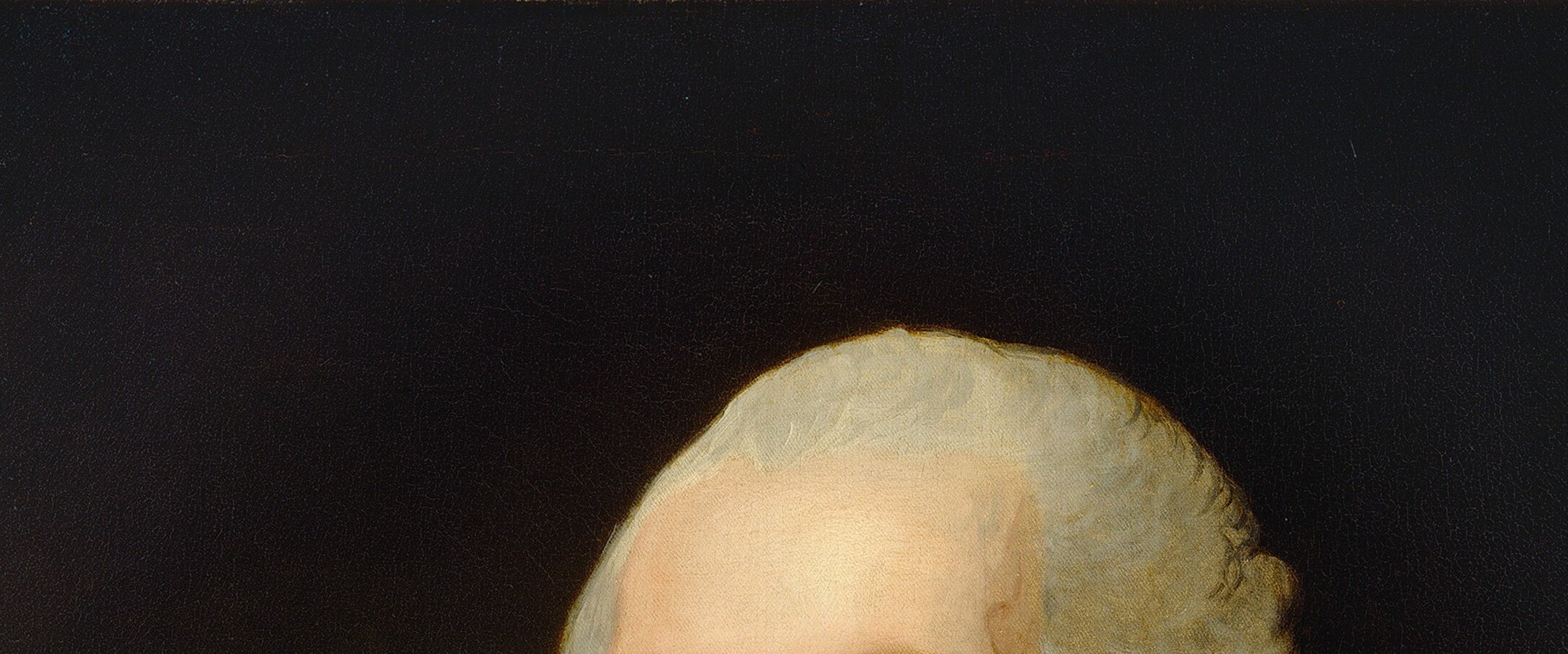
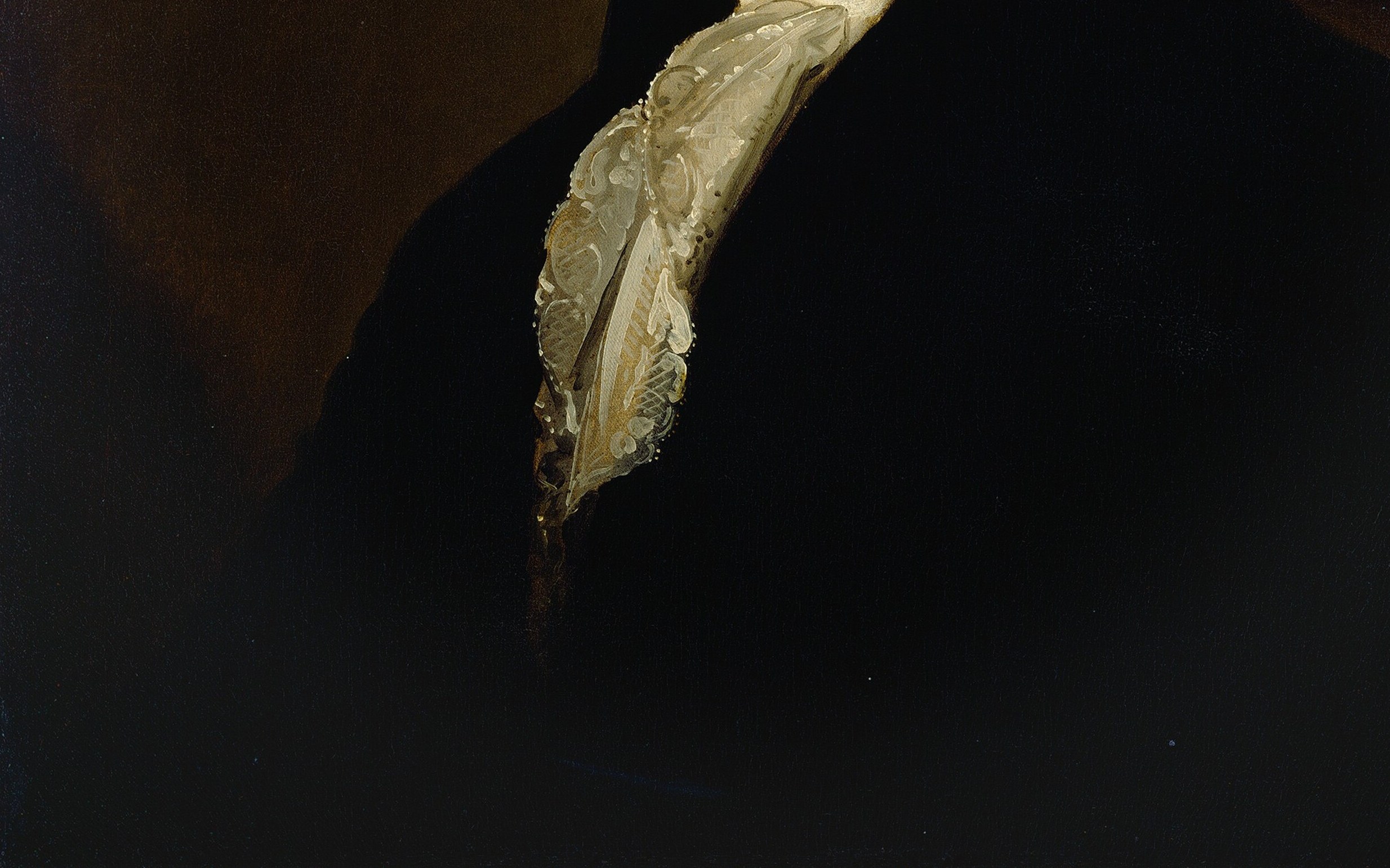
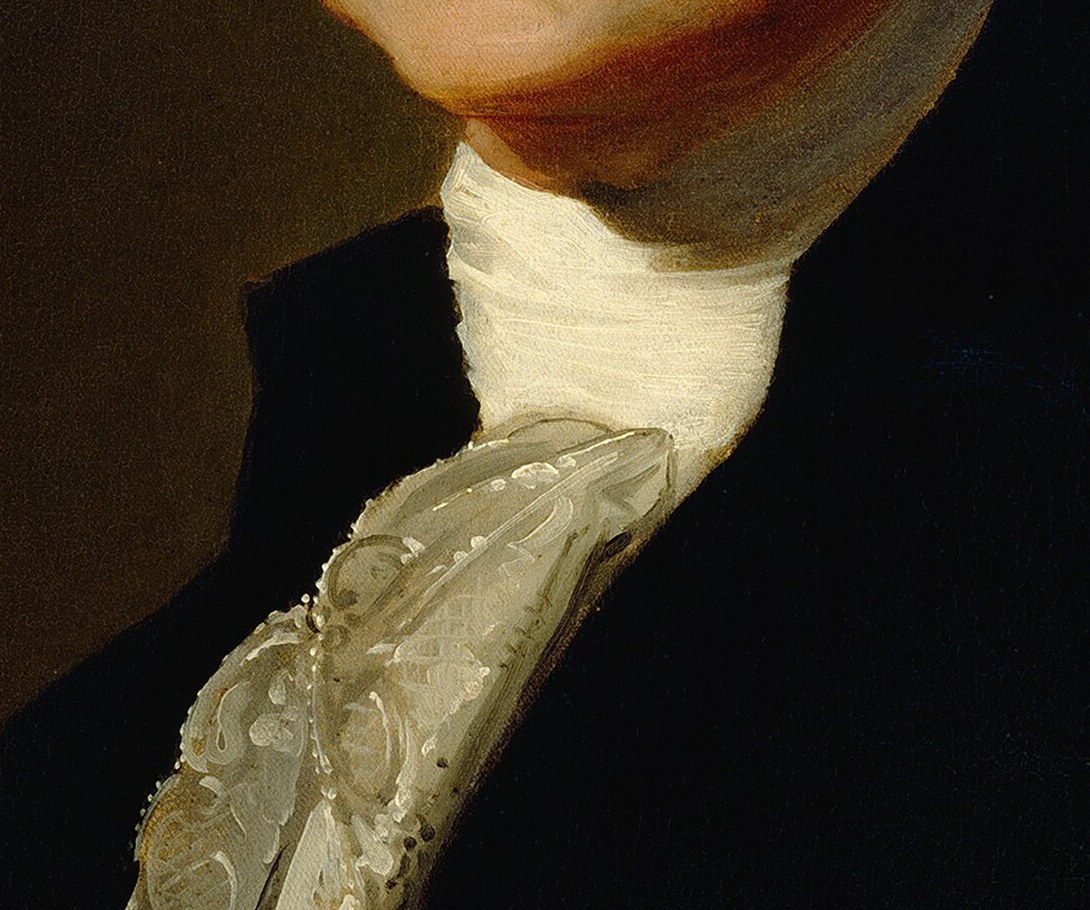
Look first at the black velvet coat. In European courts, a leader of Washington's stature would be drowning in ermine and gold braid. He refused all of it, insisting on the plain dress of a citizen. The white cravat and powdered wig remain, but they were rapidly becoming antiques. Washington wore the fading uniform of an old order to make a new point: the American president is a steward, not a sovereign.
The warm halo behind his head was a favorite technique of Stuart's. He lightened the background directly behind the face of nearly every sitter, a classical device borrowed from Renaissance portraiture. It has no religious meaning, but it quietly crowns the subject in light, reinforcing the eyes that hold your gaze. Washington's face here is the product of Stuart warming to a veteran's war stories. The painter famously said the sitter's expression only lit up when the conversation turned to battle.
Stuart painted more than a hundred portraits of Washington over his career, using this one as a model for many copies. He never quite finished it, preferring to sell replicas of the unfinished original rather than deliver it and lose his template. It now hangs in the National Gallery of Art.
What other objects in early American portraits do you think were hiding plain political speech?
Details
Transcript
A president who refused a crown must dress very carefully. The powdered wig. Aristocratic, but fading fast. This fashion was dying after the Revolution. He chose it anyway. The black velvet coat. No medals, no gold braid. He wears the plain dress of a private citizen, not a monarch. The halo behind his head is not holy light. It is a painter's trick. Together, the message is clear: a Roman republican, not a king.