Mr. Forbes by Romney, George
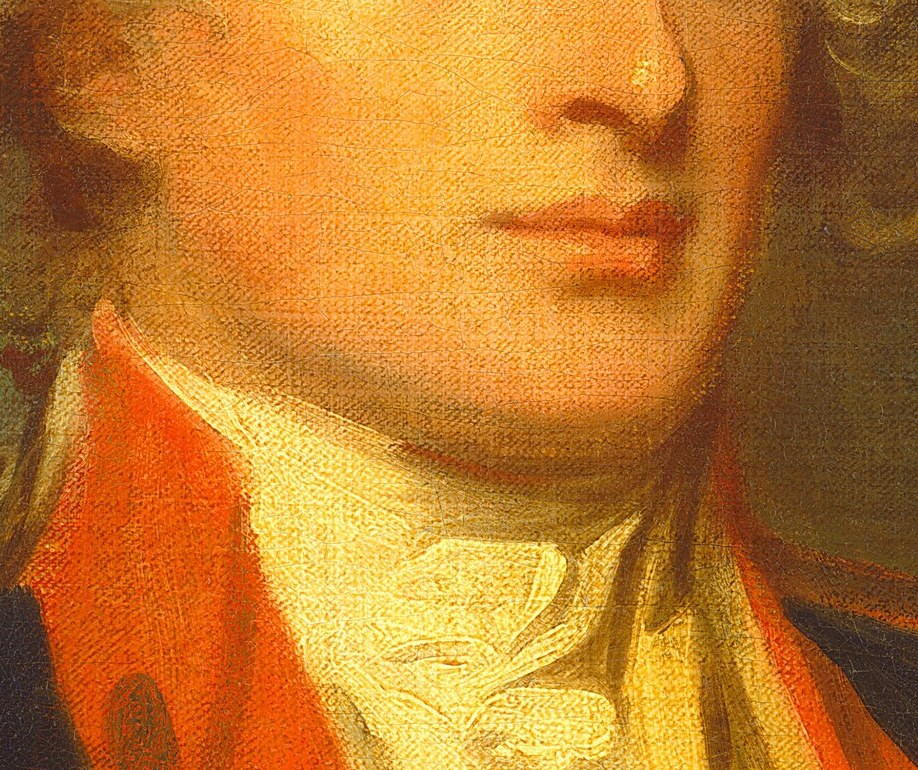
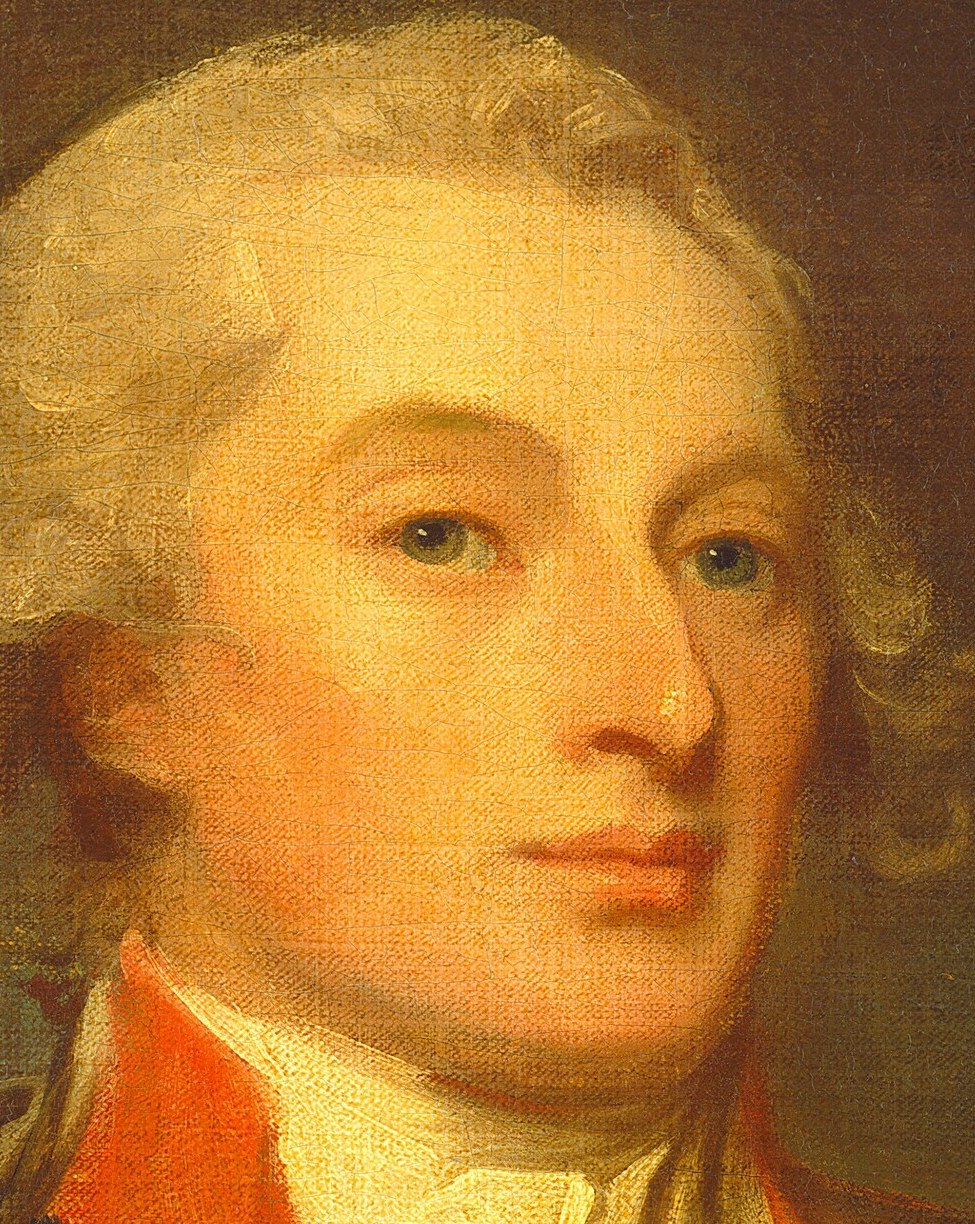
George Romney's "Mr. Forbes" (c. 1785), now at an unknown museum, is a fascinating glimpse into late 18th-century portraiture and fashion. The painting, an oil on canvas, captures a male sitter whose identity is suggested but ultimately lost to time.
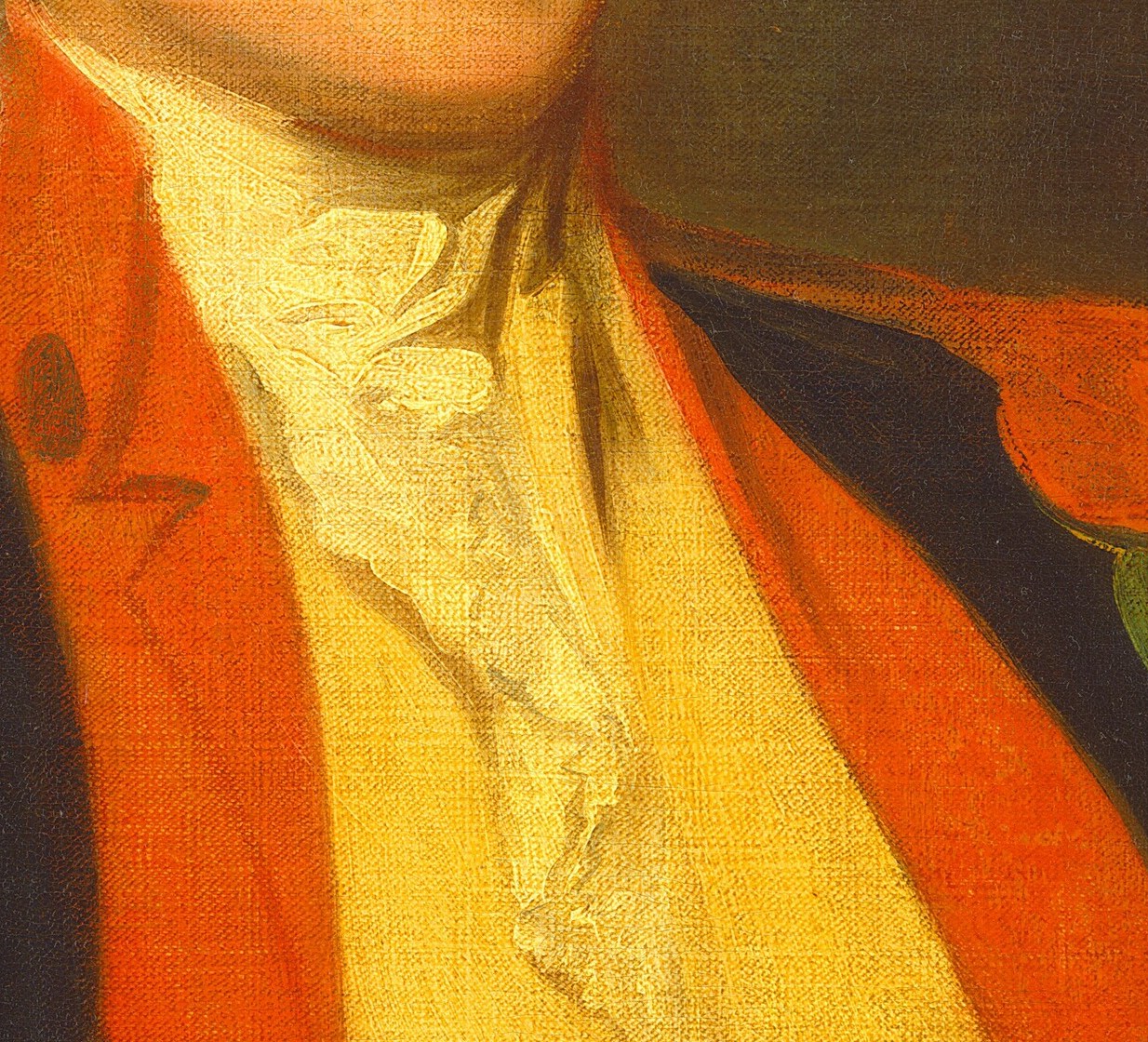
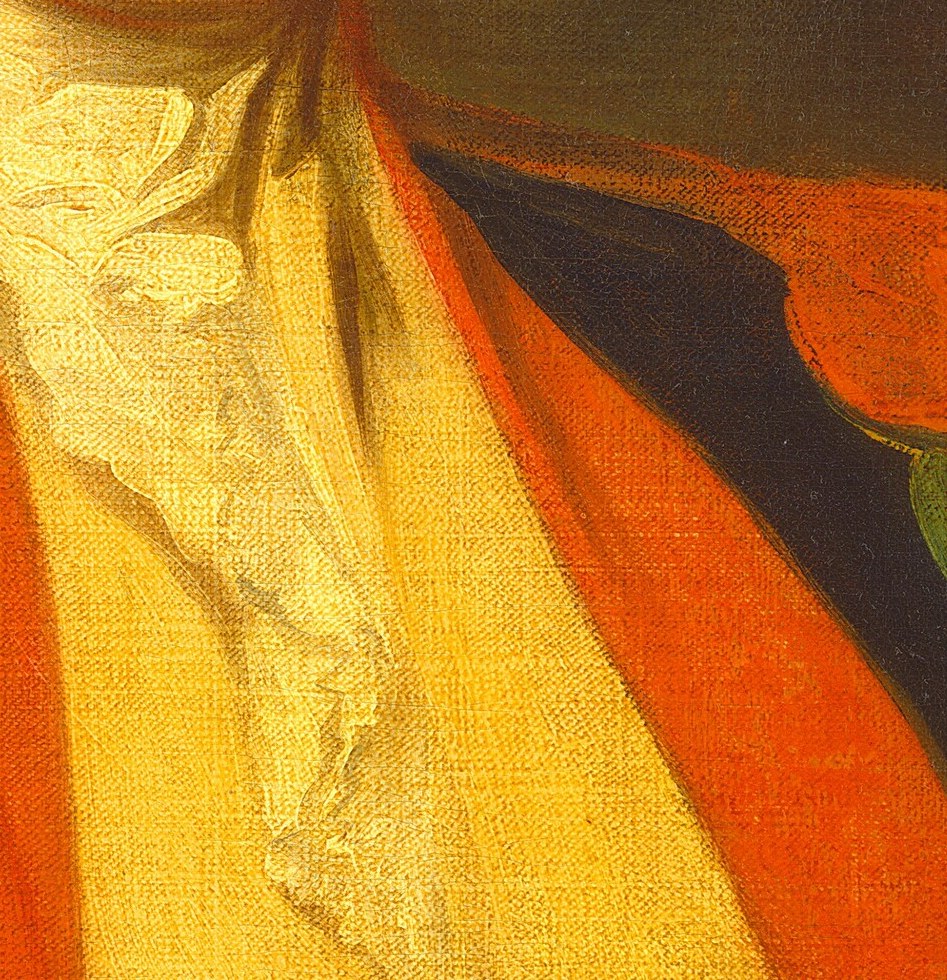
Notice the details: his meticulously powdered and curled hair, and the crisp white cravat, both hallmarks of high social standing and contemporary style. Yet, the vibrant red and yellow lapels are a striking and unusual element. The artist, Romney, used thick, palpable brushstrokes to make these colors pop, contrasting with the smoother application for the skin and dark coat.
While the sitter's name is simply "Mr. Forbes," these specific sartorial choices, especially the colorful lapels, would have been highly significant in his time, perhaps indicating a specific club, military affiliation, or professional role. They are a visual key, hinting at a story we can no longer fully unlock.
What might those lapels have signified?
Details

Transcript
This man's portrait captures a moment around 1785. His powdered and curled hair was a sign of status then. The crisp white cravat showed meticulous fashion. But these red and yellow lapels are highly unusual. The painter used thick brushstrokes to make them stand out. They are a clue to his identity, lost to history.