Miss Mathilde Townsend by Sargent, John Singer
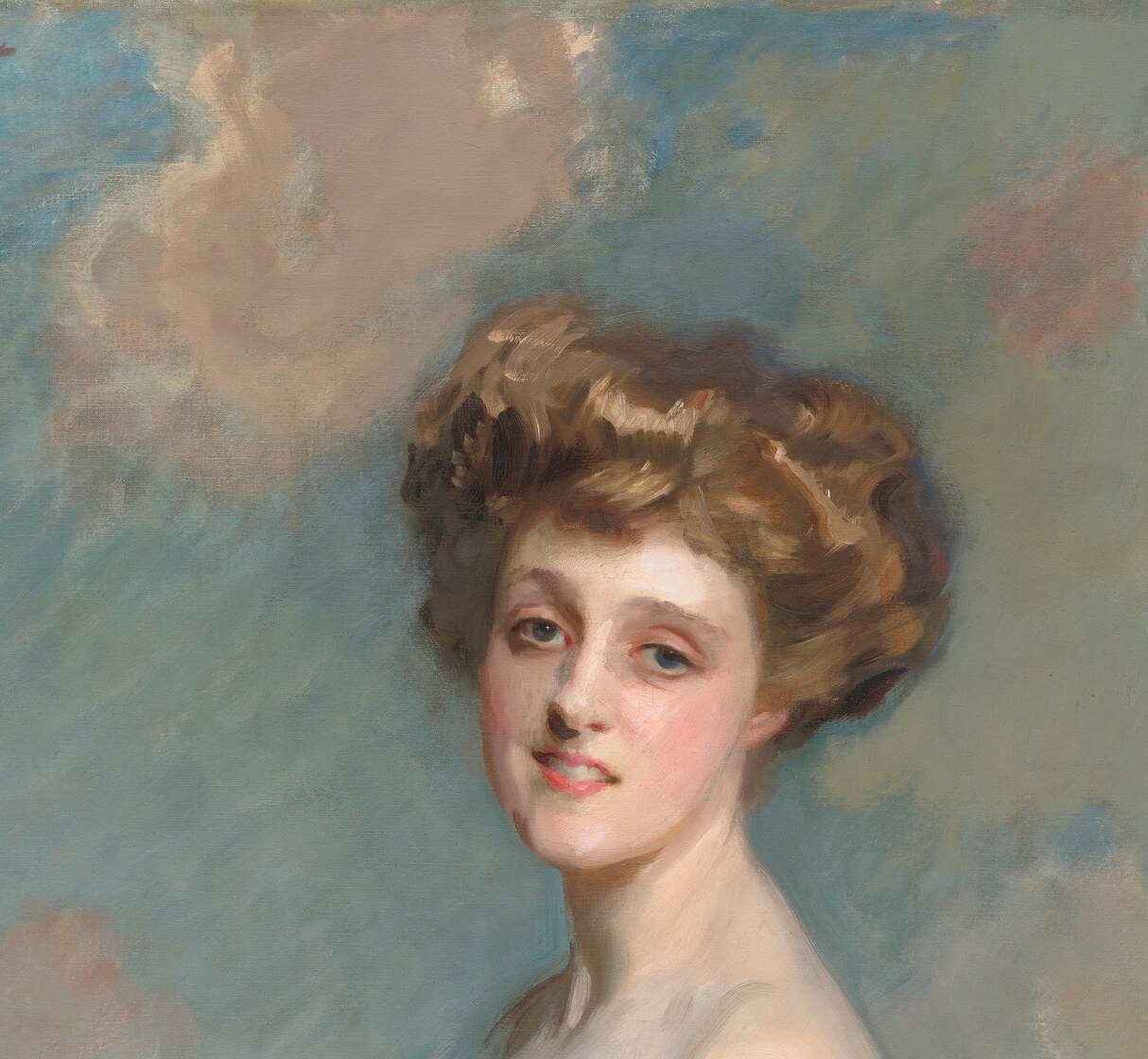
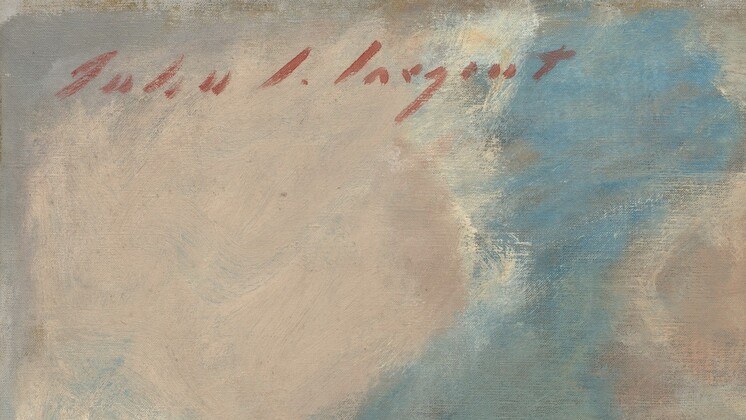
John Singer Sargent painted Miss Mathilde Townsend in 1907, and the portrait hangs today in the National Gallery of Art. It is less a painting of a young woman than a painting of audacity, financial, social, and artistic, sealed in oil on a canvas taller than most people.
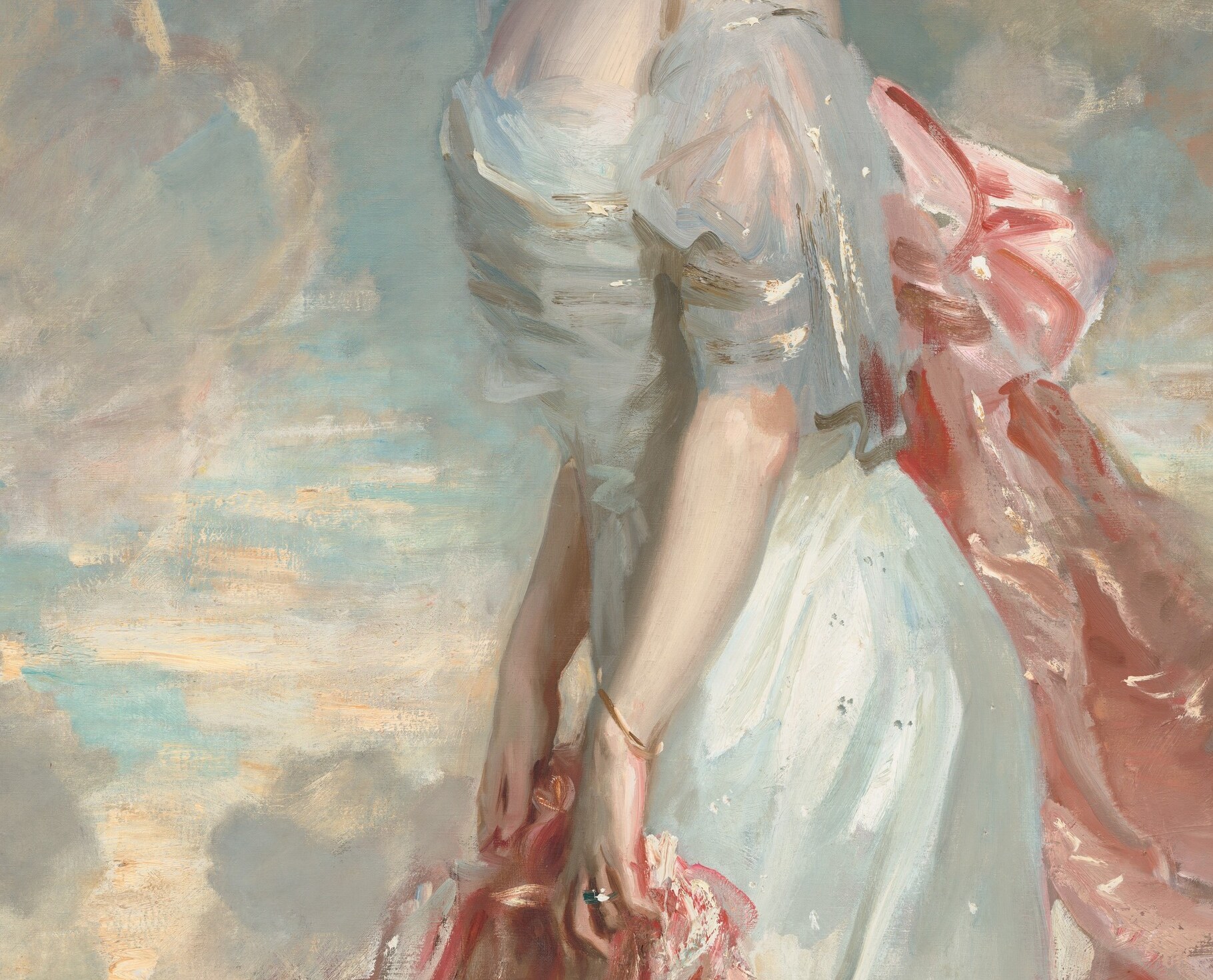
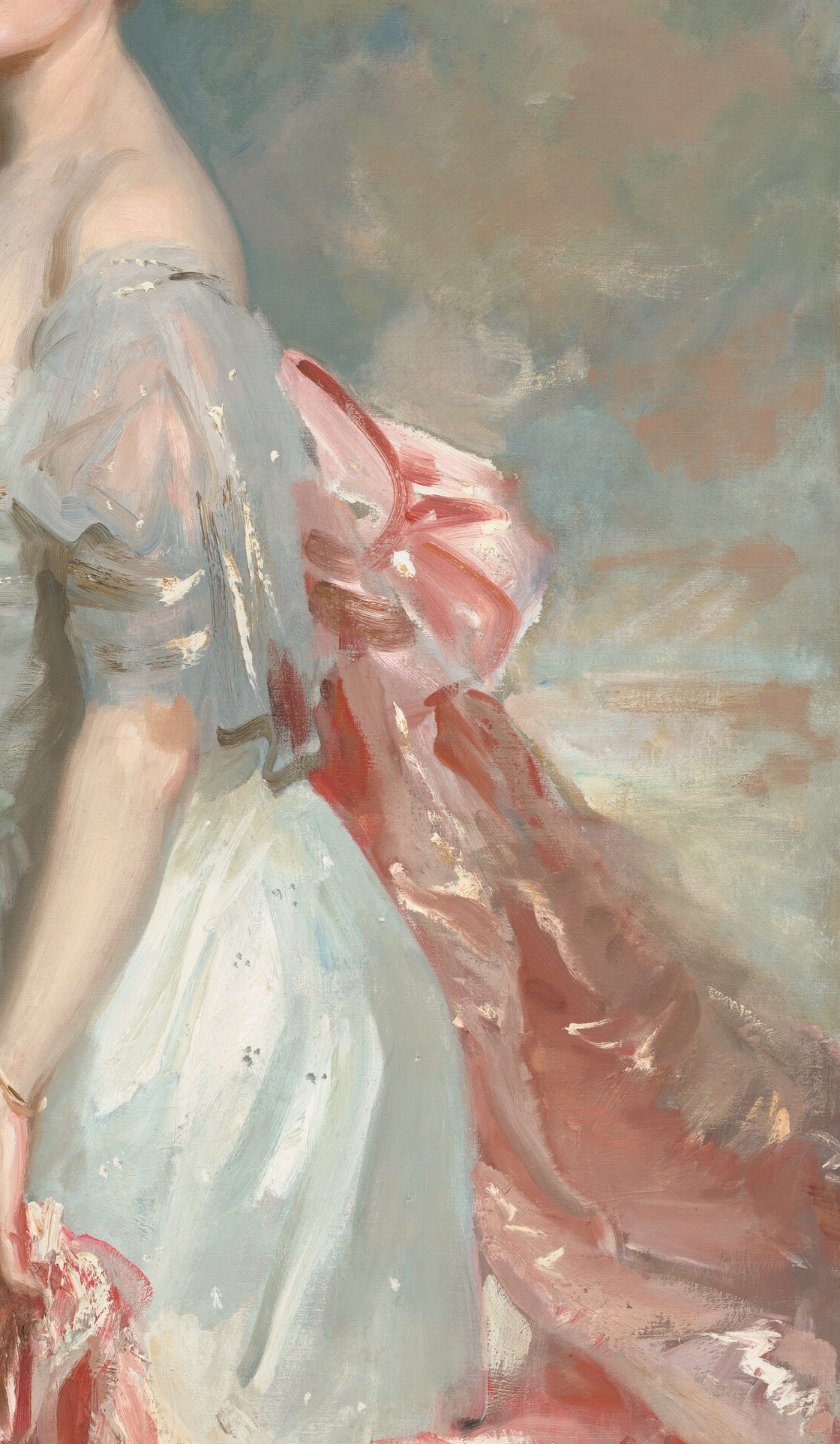
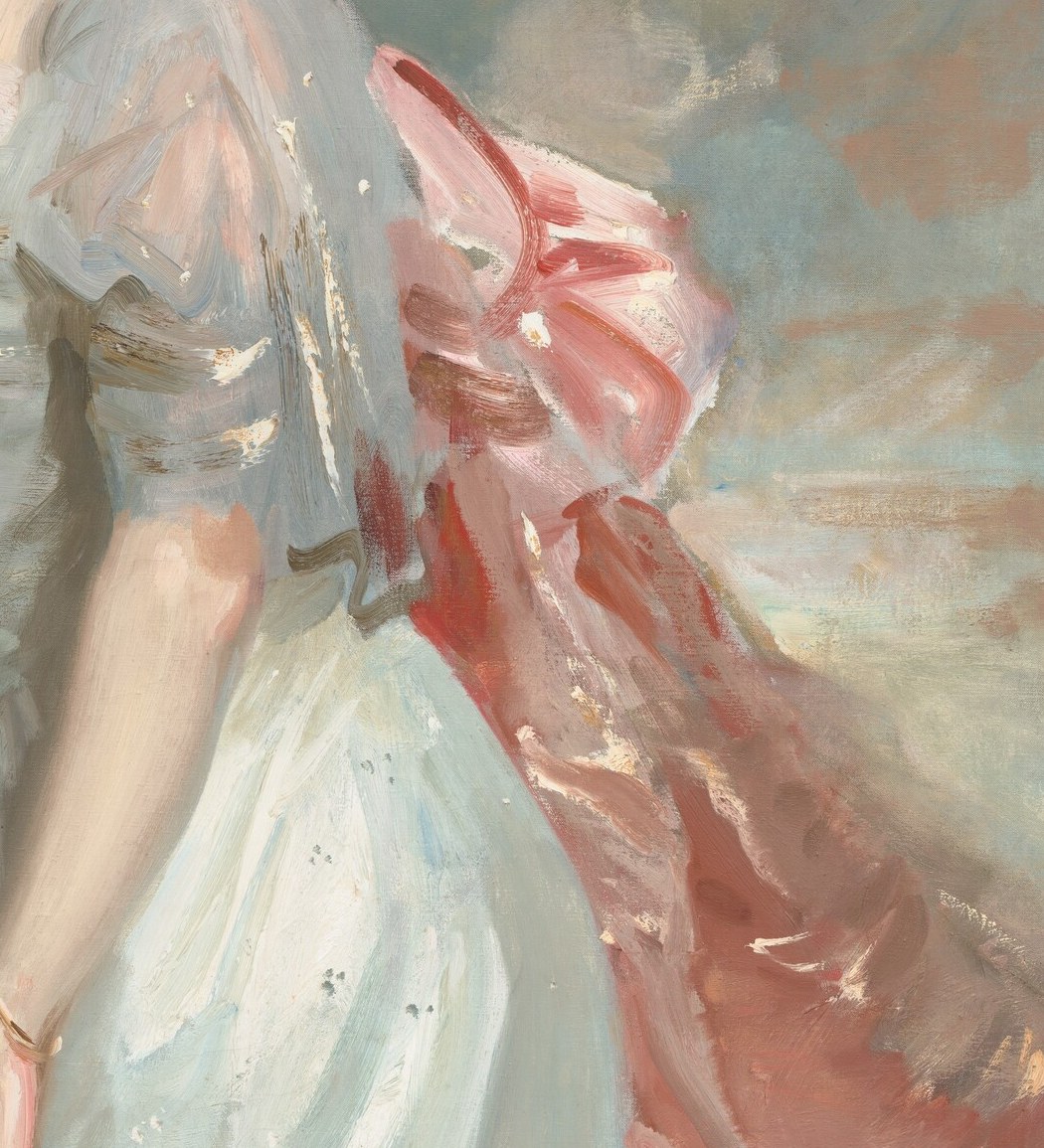
Look at the pink sash first. Sargent used perhaps five or six strokes of a loaded brush to describe flowing silk. The white gown is barely modeled, thin washes of cool paint differentiate shadow from light with almost no traditional chiaroscuro. The face is quiet, the hands slack. The whole effect is effortless, which is exactly what a great deal of money was meant to look like in 1907.
By the time Mathilde Townsend sat for this portrait, Sargent had recovered from the scandal of his Madame X and was the most sought-after portraitist on both sides of the Atlantic. His fee, around $5,000, was roughly the price of a comfortable house. The dress itself was a statement: an off-the-shoulder white gown of near-monochrome tonal variation, the kind of garment worn once in polite society before the fabric betrayed its cost. To be painted in it was to freeze the gamble.
Mathilde married a diplomat, became Mathilde Townsend Welles, and outlived the world this painting captured. The dress is long gone. The price, the social risk, and the wait for an appointment with a busy genius are all invisible now. What remains is light.
Details
Transcript
1907. A young heiress sits for the most wanted painter alive. John Singer Sargent could charge $5000 for a portrait. Enough to buy a house. And the waitlist stretched years. Look at the sash. Just five or six strokes of a brush. That economy was the product. The less paint, the more genius. A white dress with no body underneath. Pure light. But a white gown was a social risk. One wear, and it stains. Mathilde Townsend wore hers into permanence.