Sir William Hamilton by Romney, George
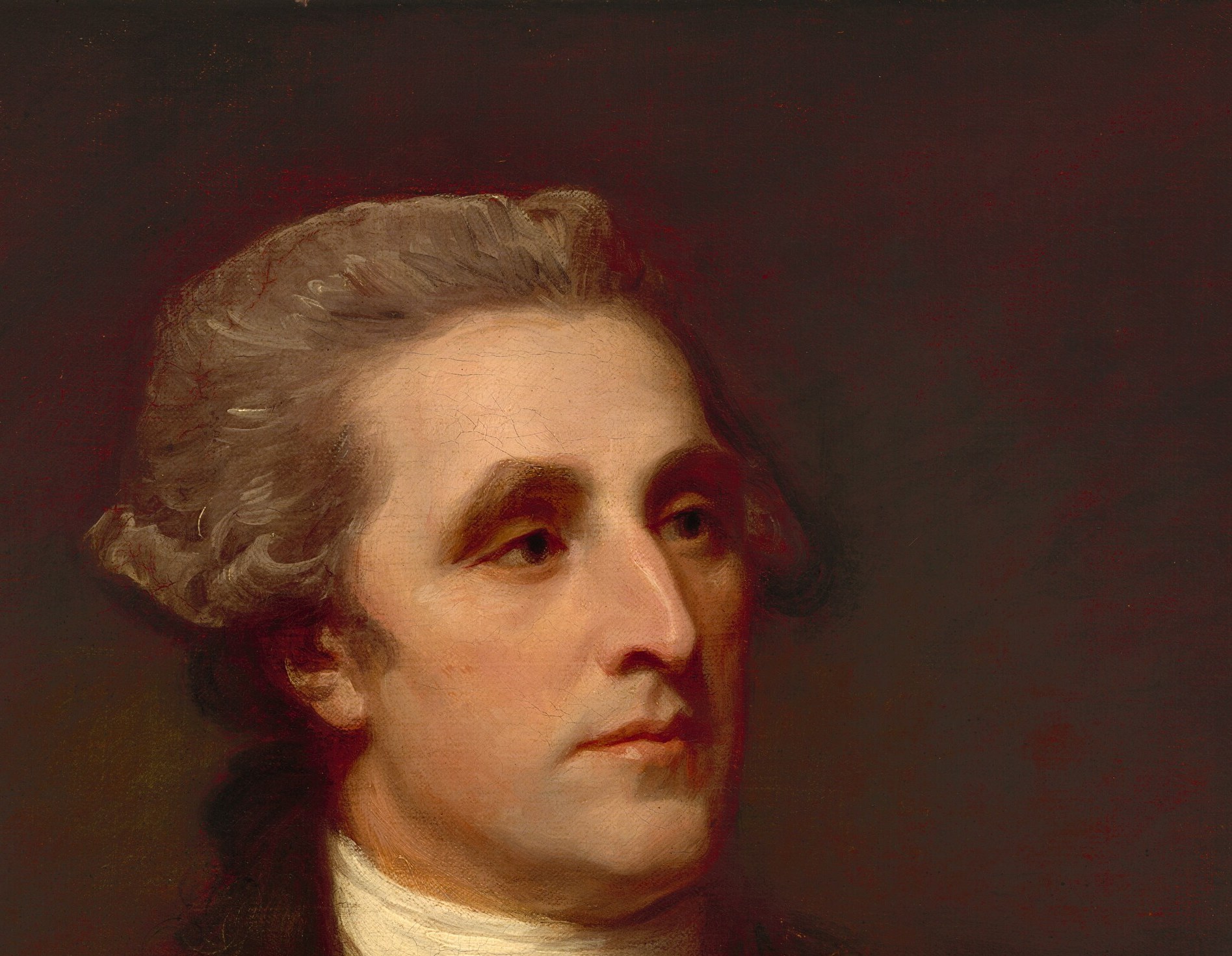
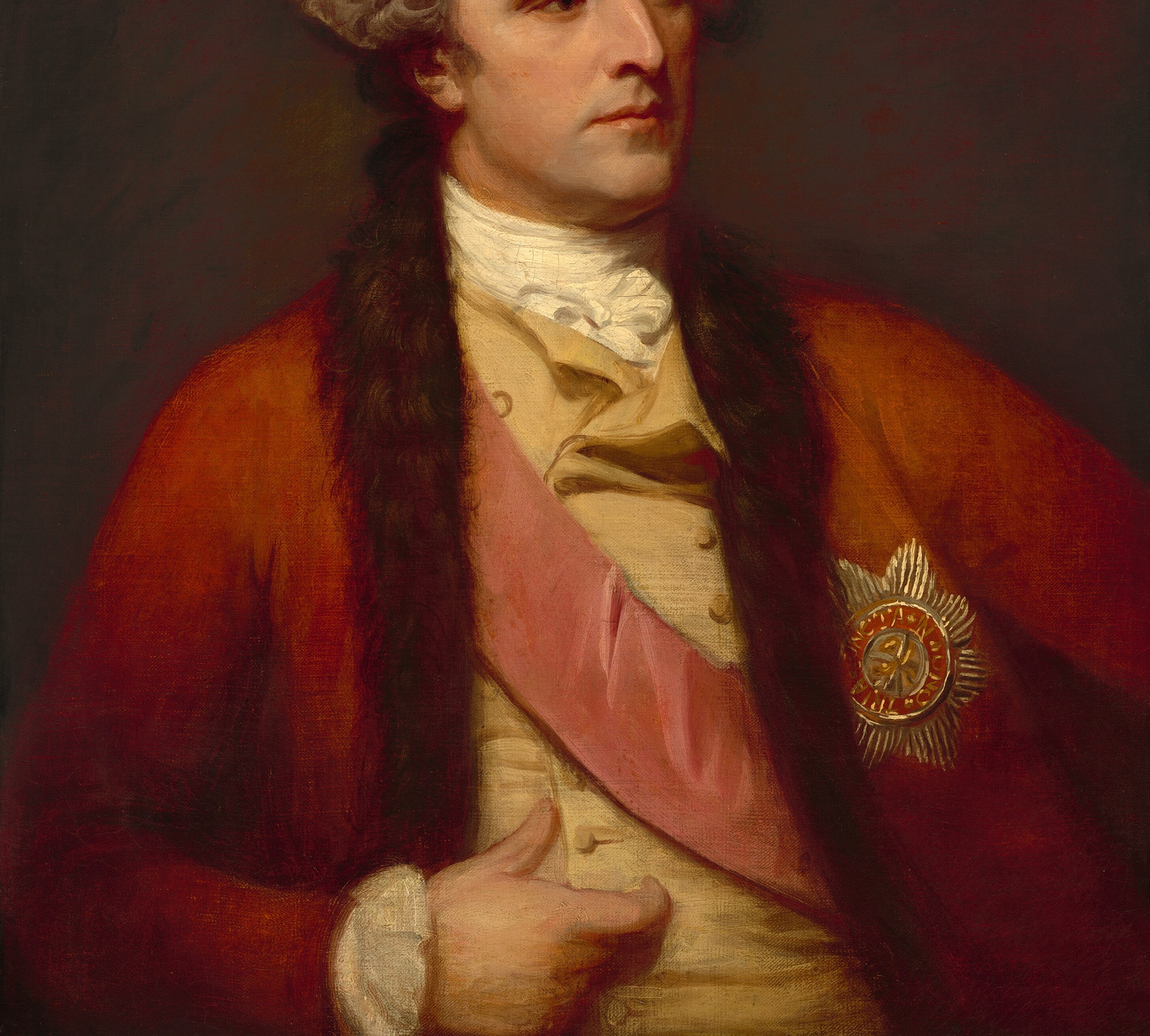
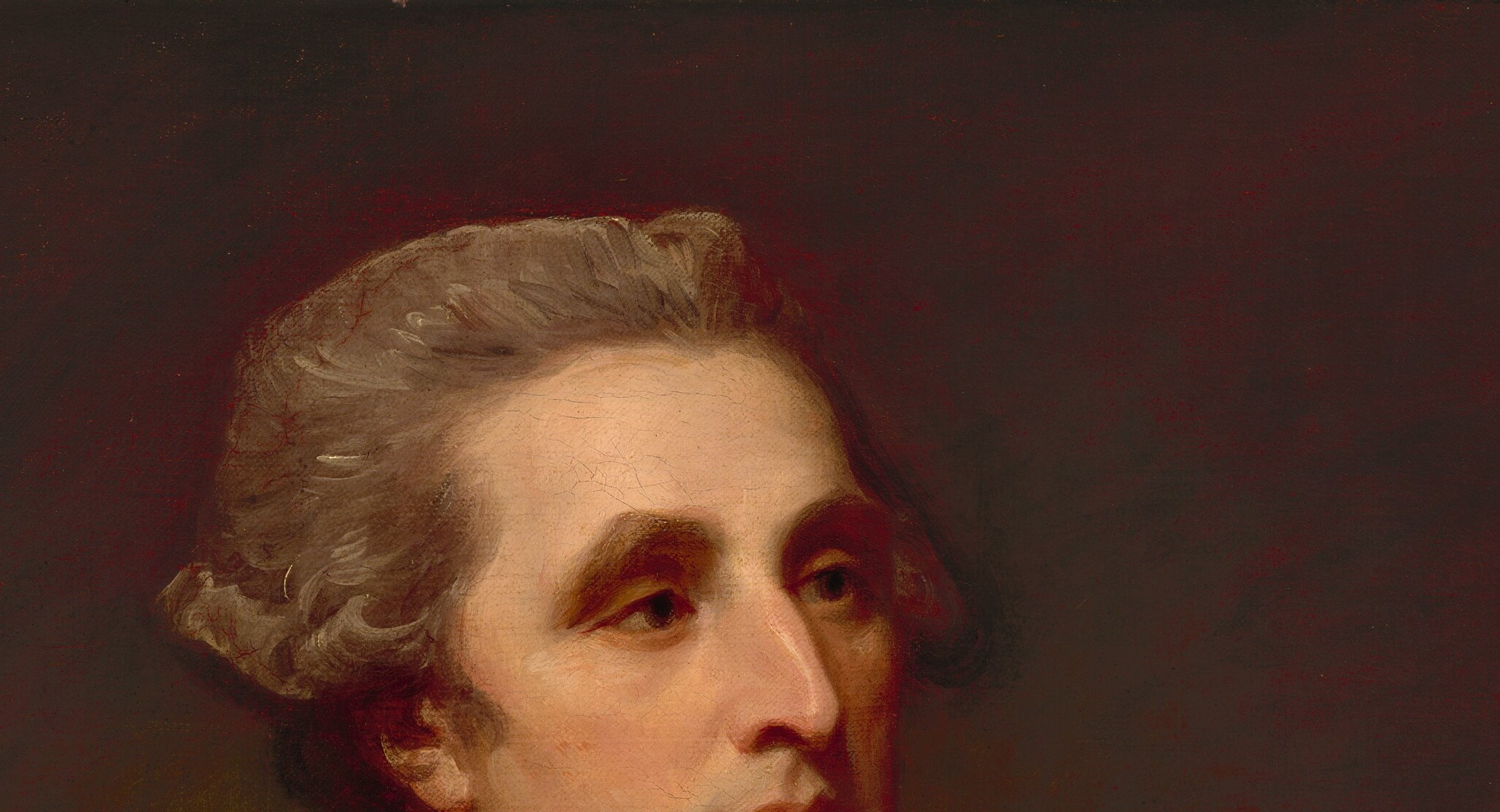
Sir William Hamilton, painted by George Romney in 1784, hangs in the National Portrait Gallery in London. It shows a man whose life was far stranger and more vivid than his composed, aristocratic face suggests. He was a diplomat, a volcanologist, an antiquarian, and a man whose personal life intertwined with the greatest naval hero of his age.
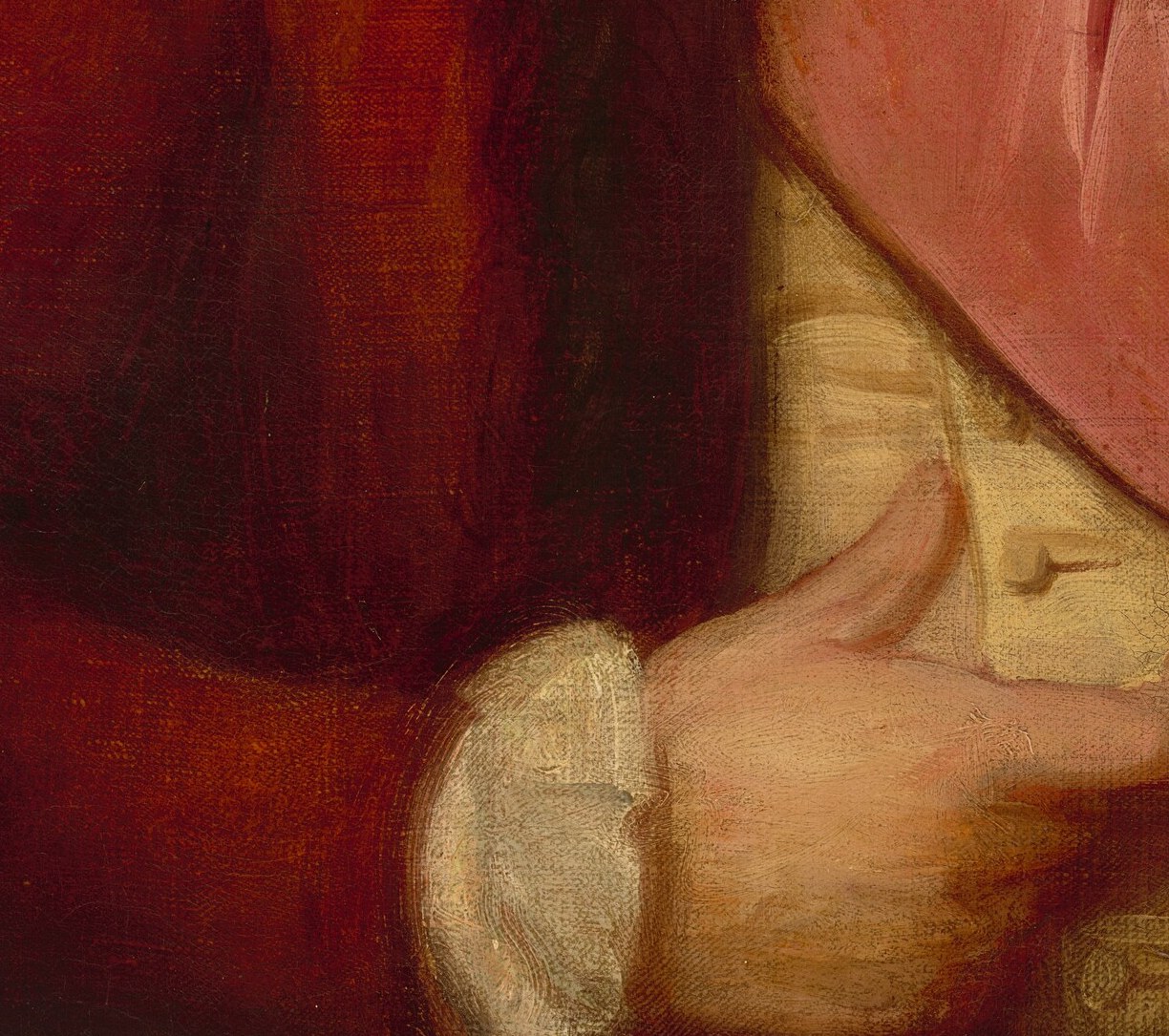
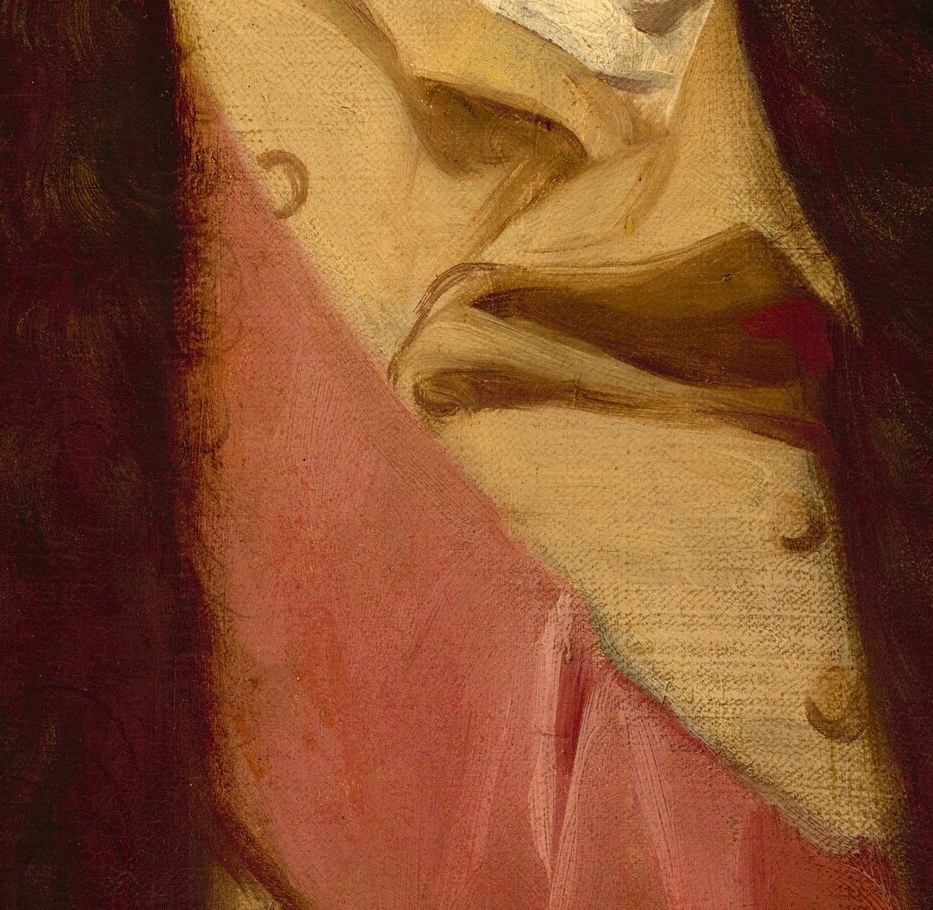
Romney’s portrait uses a bold red coat and a dark void-like background to throw all attention onto Hamilton’s face. Look at his steady, direct gaze, it’s the look of a man who watched rivers of lava by night and negotiated with kings by day. The star-shaped badge on his chest is the Order of the Bath, confirming his royal favour, while his relaxed hand suggests a man at ease with power.
Hamilton served as Britain’s envoy to the Kingdom of Naples for over thirty years. He lived on the edge of Mount Vesuvius, climbing it repeatedly and publishing the first systematic observations of a volcano’s eruptions. He also amassed a legendary collection of Greek vases, which he sold to the British Museum, founding its department of antiquities. In his sixties, he married a beautiful young woman named Emma, who would become the mistress of Admiral Horatio Nelson. Hamilton, in an act of extraordinary tolerance, accepted the relationship, and the three formed a strange household together.
A volcano scientist, a diplomat, and a man who chose friendship over jealousy, none of that drama is on his face, but all of it is behind it.
Details
Transcript
He looks like any confident man of the 1780s. But Sir William Hamilton was not just any diplomat. He spent years living on the slopes of Mount Vesuvius. He wrote the first scientific study of a volcano in action. He was the British envoy to Naples, and he sold his priceless Greek vase collection to the British Museum. His young wife, Emma, became the lover of Lord Nelson. Hamilton knew. He accepted it. The three lived together.