The Crown of Thorns by Anthony van Dyck
This is Anthony van Dyck's "The Crown of Thorns," painted around 1618-1620. Van Dyck, already a master at age twenty, blended the dramatic chiaroscuro and muscular realism of his teacher Peter Paul Rubens with the subtle color and expression of Venetian masters like Titian.
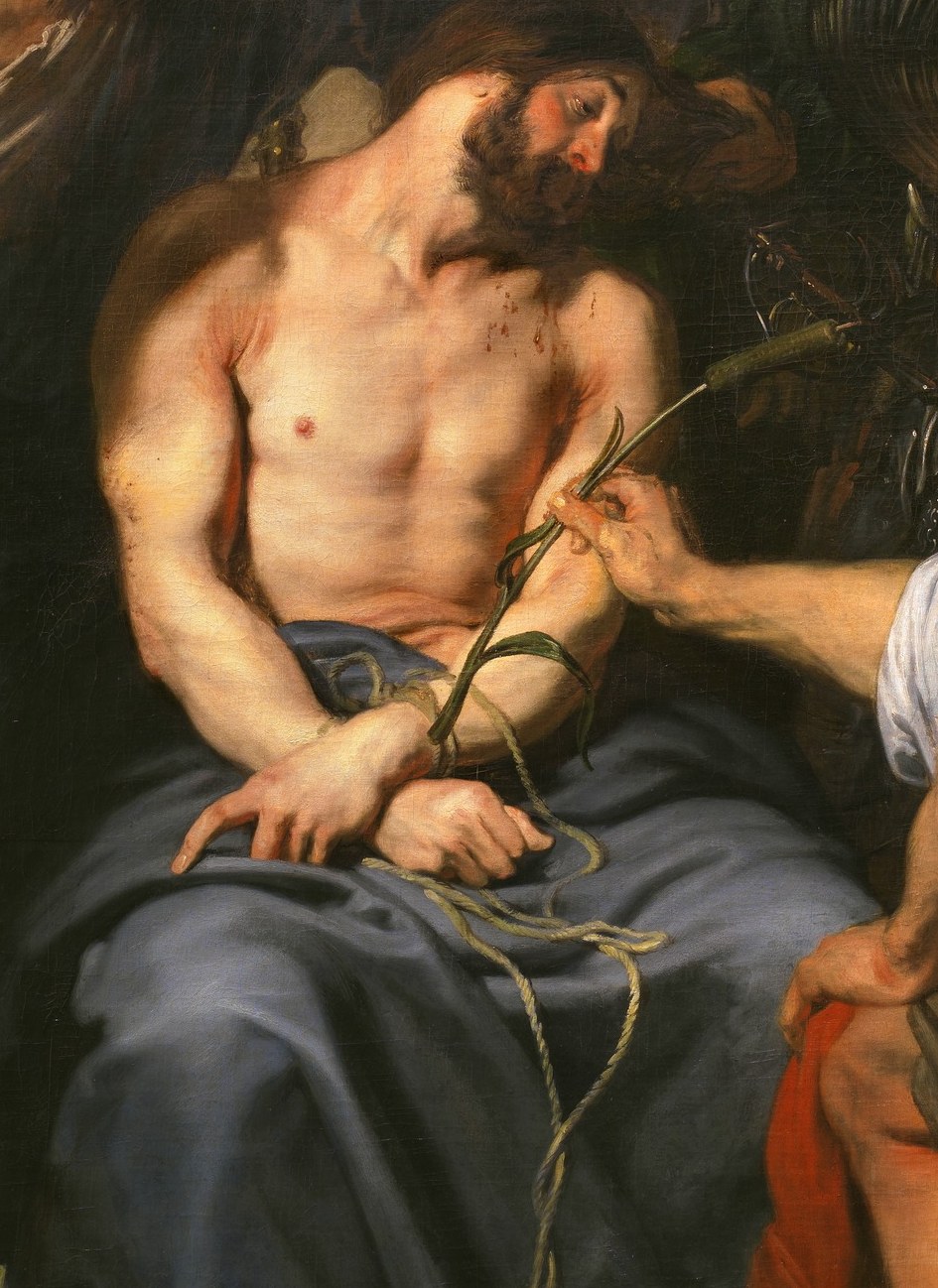
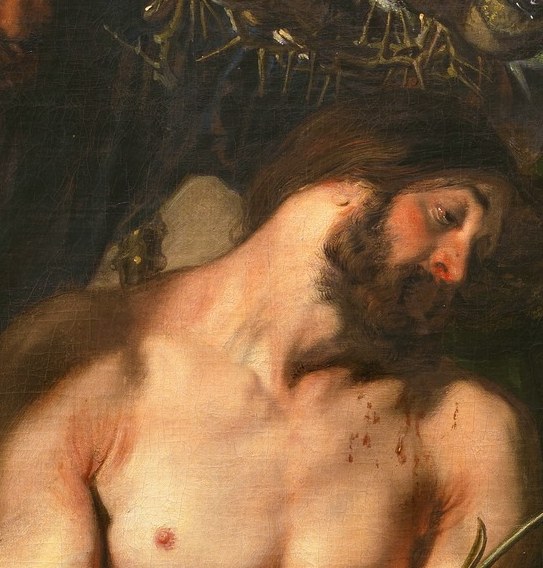
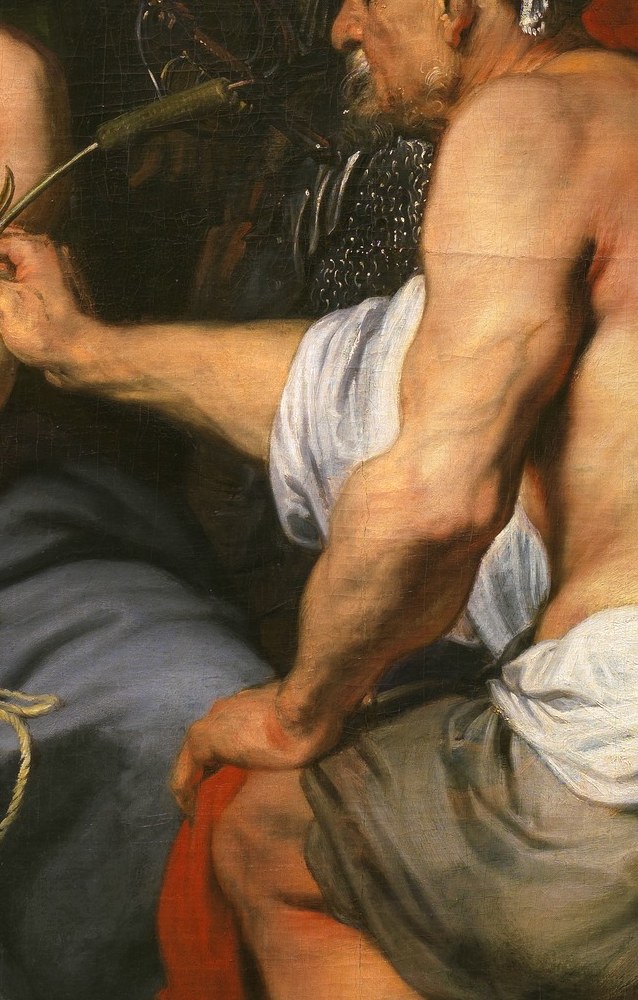
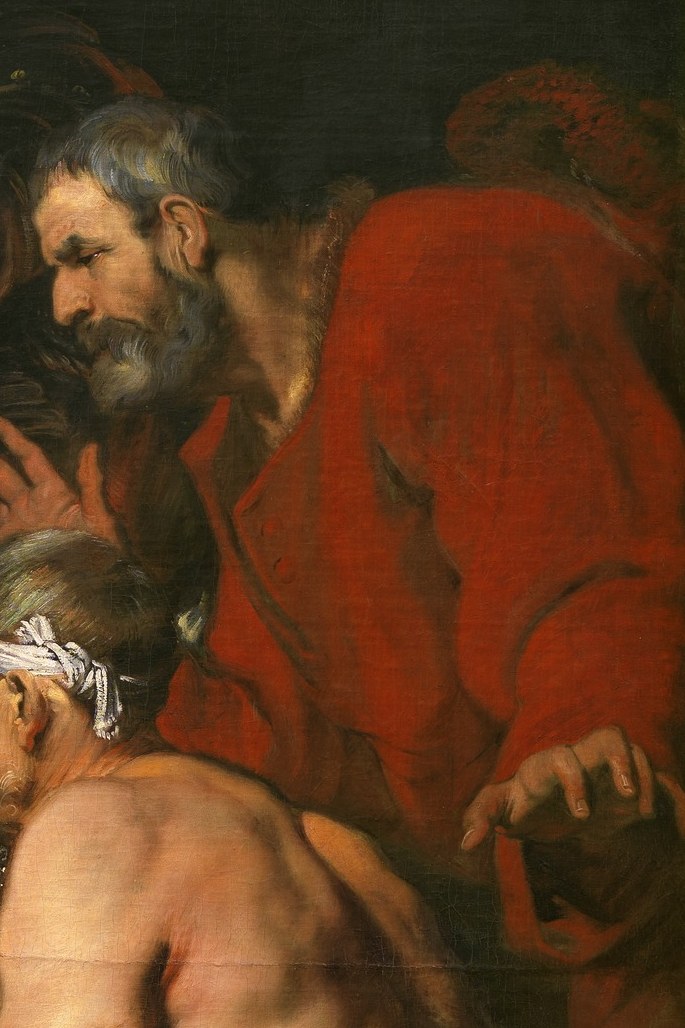
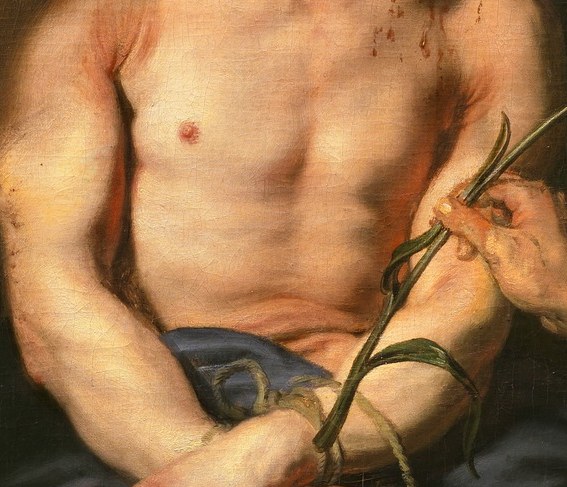
Notice the intense chiaroscuro, with deep shadows contrasting with stark light, particularly on Jesus's torso. His face conveys profound suffering and resignation, a masterful blend of Rubens's influence and Venetian softness. The men placing the crown and wearing the red robe display raw cruelty and authority.
Van Dyck painted this during his formative years in Antwerp, serving as Rubens's principal assistant. This work showcases his early ability to synthesize different stylistic influences, foreshadowing his later success as a leading court painter. The painting captures the visceral moment of Christ's torment before the crucifixion.
It's a powerful example of early Baroque drama and emotional depth in Flemish painting.
Details
Transcript
His master, Rubens, taught him drama. Look at the tension in his torso. But Venice softened the face. His eyes show suffering and resignation. The men put on the crown by force. The red robe screams authority and antagonism. Van Dyck painted this at age twenty.