The Englishman (William Tom Warrener, 1861–1934) at the Moulin Rouge by Henri de Toulouse-Lautrec (French, 1864–1901)
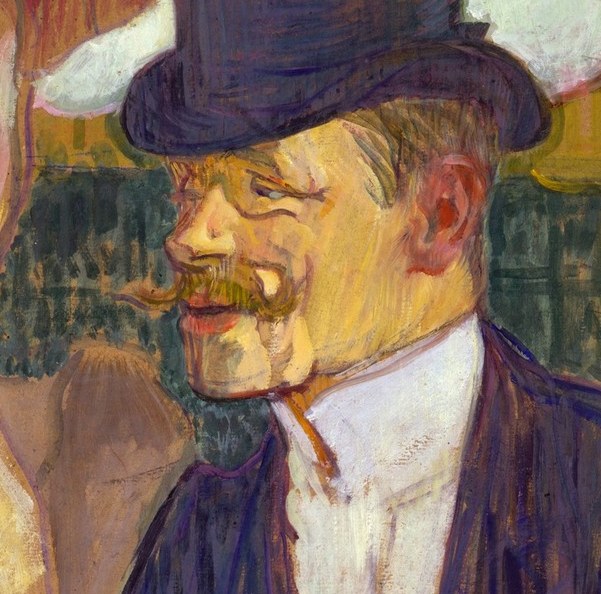
Henri de Toulouse-Lautrec's The Englishman (William Tom Warrener) at the Moulin Rouge, 1892, oil on cardboard, The Metropolitan Museum of Art.
This painting is a study, a preparatory sketch for a later lithograph. Toulouse-Lautrec used this version to work out composition and color before creating his more famous printed work.
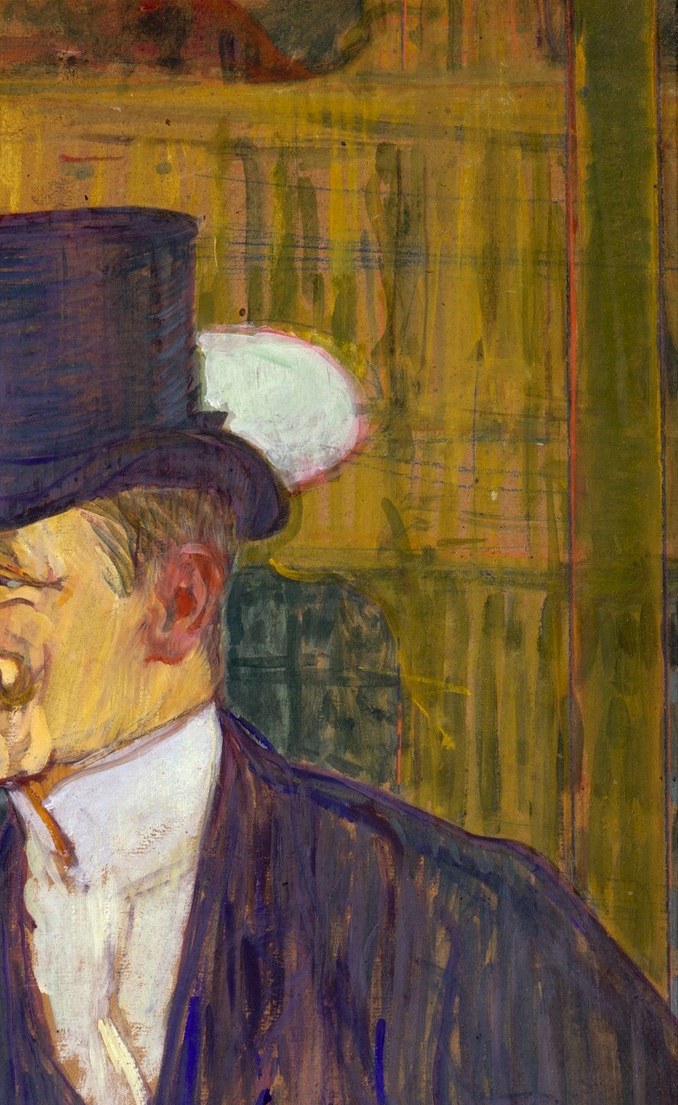
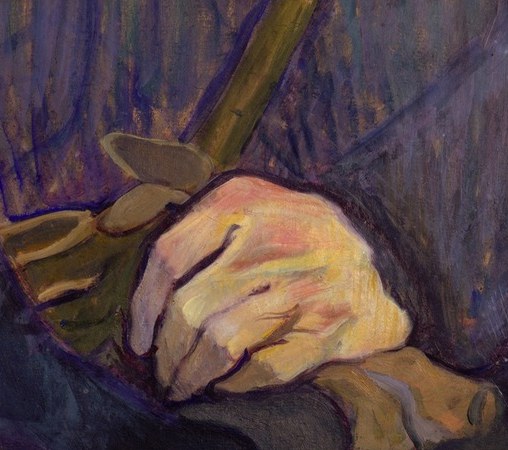
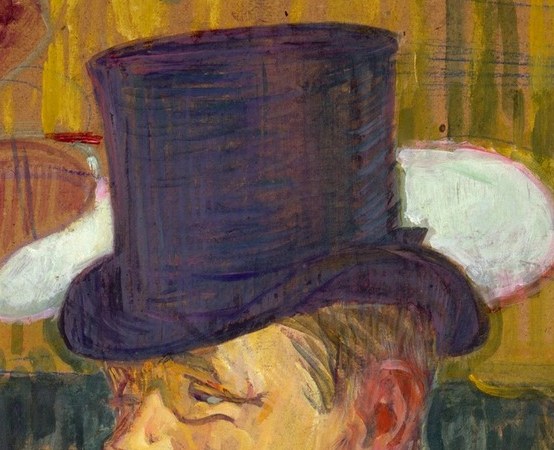
Notice the Englishman's direct gaze and the sharp contrast of his white collar against his dark suit. The unlit cigar and the hand holding a cane suggest a moment of pause within the lively cabaret scene.
His friend, the British artist William T. Warrener, is the subject. Lautrec was known for capturing the vibrant nightlife and characters of fin-de-siècle Paris.
Details
Transcript
He looks straight at you. He is ready. But this is not finished work. It is a study. This oil on cardboard preceded a lithograph. Lautrec used it to plan his printed colors. Look at the crisp white collar and cravat. The Englishman stands with his cane. He painted his friend William Warrener here. Now it hangs in the Met. He is still here.