Maine Coast by Winslow Homer (American, 1836–1910)
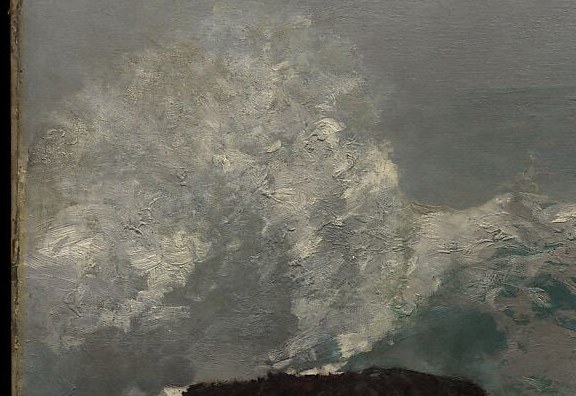
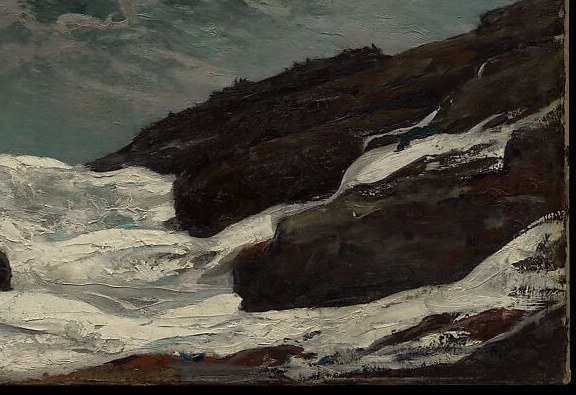
Winslow Homer's "Maine Coast," painted in 1896, captures the raw, untamed power of the Atlantic Ocean. Housed at the Metropolitan Museum of Art, this painting is a testament to Homer's profound connection to the sea, a recurring and dominant theme in his later career.
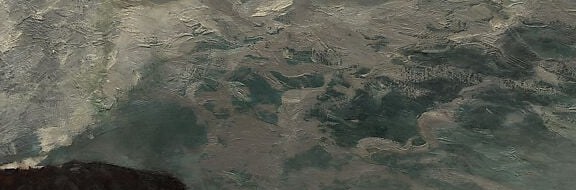
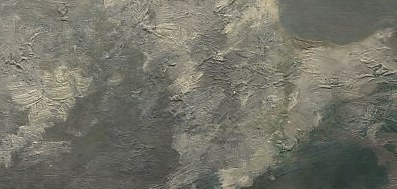
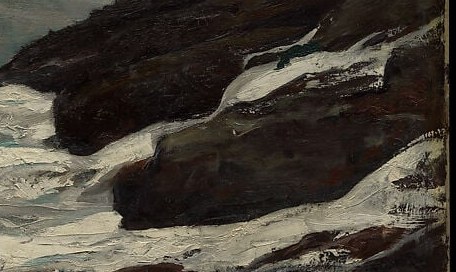
Look closely at the crashing wave and the thick, impasto texture of the foam. Homer used deliberate, sculptural brushstrokes to give the water a tangible, almost three-dimensional quality, making the viewer feel the force of the sea spray.
Living alone on the rugged coast of Prouts Neck in Scarborough, Maine, Homer observed the ocean daily, allowing him to render its dynamic movement and varied textures with unparalleled realism. This work exemplifies his mastery in conveying the elemental force and stark beauty of nature.
How does this painting make you feel the power of the ocean?
Details
Transcript
This painter lived alone on the coast of Maine. He watched the sea in all its moods, every day. He painted this powerful wave in 1896. Notice how the paint almost pushes out from the canvas. He used thick, deliberate brushstrokes to sculpt the foam. This gives the water its immense, tangible power.