Samuel Barber Clark by James Frothingham
Painted in 1810, James Frothingham's "Samuel Barber Clark" at The Cleveland Museum of Art offers a glimpse into early 19th-century American society and art.
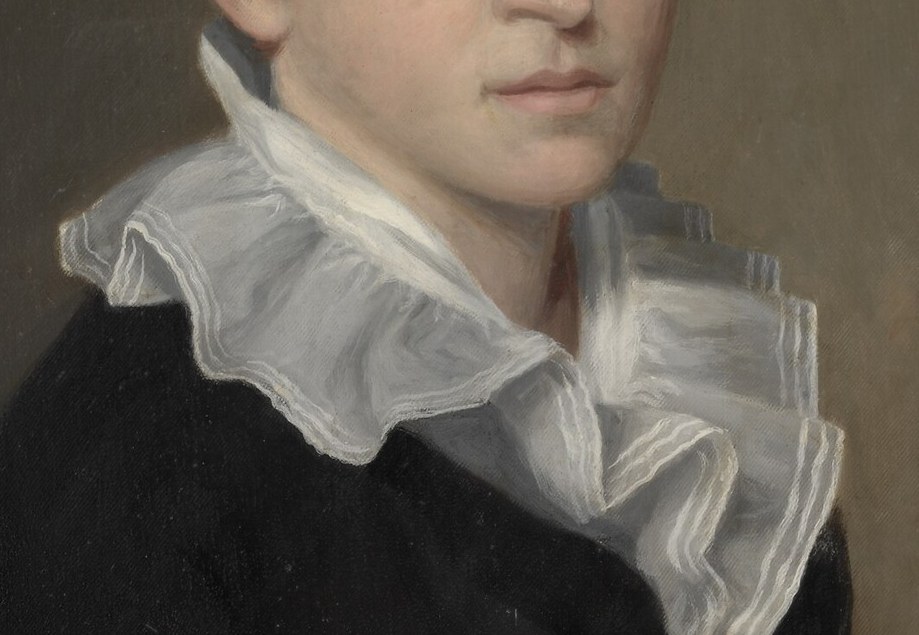
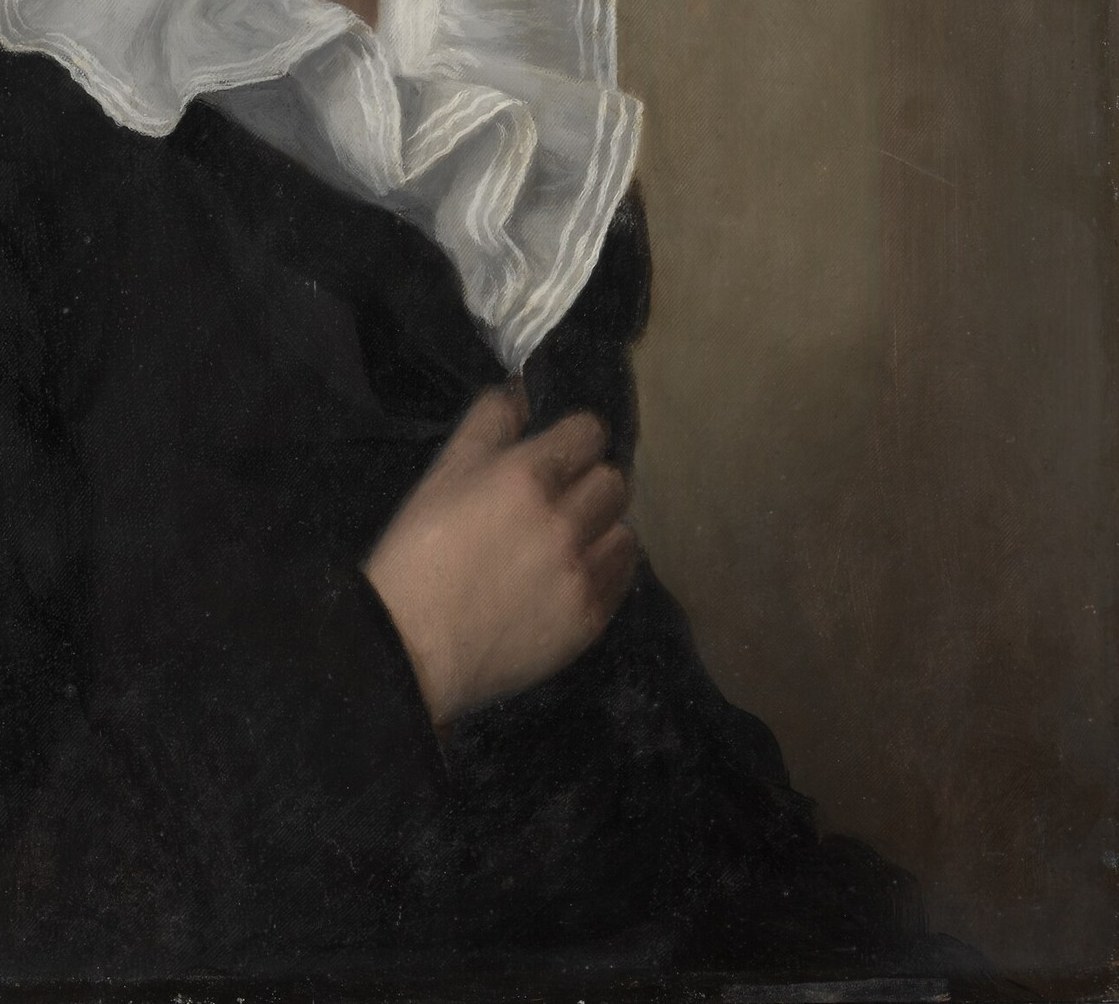
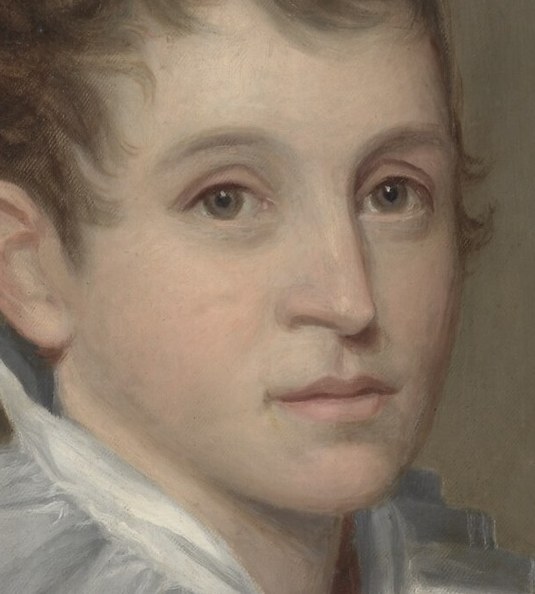
Notice the young man's crisp ruffled collar and formal black jacket, which were common indicators of status and wealth during this period. His composed pose and steady gaze reflect the prevailing style of realism, emphasizing dignity and straightforward representation.
Frothingham, an American portraitist, created this oil painting when portraiture was still developing in the United States. The work is a valuable document of contemporary fashion and societal expectations for formal portraits.
What details do you notice that speak to the time it was painted?
Details
Transcript
This young man was painted in 1810. Portrait painting was still a new art in America. His ruffled collar was a marker of status. Such formal attire was common for portraits of the era. His steady gaze was typical of early 19th-century realism. It shows a straightforward, dignified representation.